Rust in your electric kettle isn’t just unsightly—it can affect taste and safety. With simple, natural cleaning solutions like vinegar and lemon, you can remove rust quickly and restore your kettle to peak performance without harsh chemicals.
Key Takeaways
- Act quickly when you spot rust: Early intervention prevents buildup and protects your kettle’s heating element.
- Use natural cleaners like white vinegar or lemon juice: These are safe, effective, and won’t damage your kettle’s interior.
- Never scrub with abrasive tools: Steel wool or harsh brushes can scratch surfaces and worsen rust issues.
- Always rinse thoroughly after cleaning: Residual acid can affect taste and potentially harm your health if not washed out.
- Prevent future rust with regular maintenance: Wipe dry after each use and avoid leaving water sitting overnight.
- Check your water source: Hard or iron-rich water increases rust risk—consider using filtered water.
- Know when to replace: Severe or recurring rust may signal it’s time for a new kettle.
📑 Table of Contents
Why Rust Appears in Your Electric Kettle
Rust in an electric kettle might seem alarming, but it’s more common than you think—especially if you live in an area with hard water or use tap water that contains dissolved minerals like iron. While most modern kettles are made from stainless steel, which is resistant to corrosion, no material is completely immune. Over time, exposure to moisture, heat, and oxygen can cause tiny spots of rust to form, particularly around the heating element, spout, or base.
The real culprit is often mineral buildup. When water boils repeatedly, minerals such as calcium, magnesium, and iron are left behind. If these deposits aren’t cleaned regularly, they can create a rough surface where rust thrives. Additionally, if you leave water sitting in your kettle overnight or for extended periods, stagnant moisture accelerates oxidation—the chemical reaction that causes rust. Even small scratches from accidental drops or improper cleaning tools can expose the underlying metal, making it vulnerable to corrosion.
It’s important to note that while surface rust may look bad, it doesn’t always mean your kettle is unsafe. However, if left unchecked, rust can flake off into your water, affecting both taste and potentially introducing unwanted particles into your drinks. In extreme cases, heavy rust buildup can damage the heating element or compromise the kettle’s electrical components. That’s why addressing rust early is key to maintaining both performance and safety.
Is Rusty Water Safe to Drink?
You might be wondering: if there’s rust in my kettle, is the water still safe to drink? The short answer is—usually, yes, but with caveats. Small amounts of rust particles in your water are unlikely to cause immediate harm, especially if the rust is superficial and hasn’t contaminated the entire system. However, drinking water with visible rust regularly isn’t ideal. Rust can give water a metallic taste or odor, which many people find unpleasant. More importantly, rust may carry bacteria or other contaminants that cling to its porous surface, especially if the kettle hasn’t been cleaned in a while.
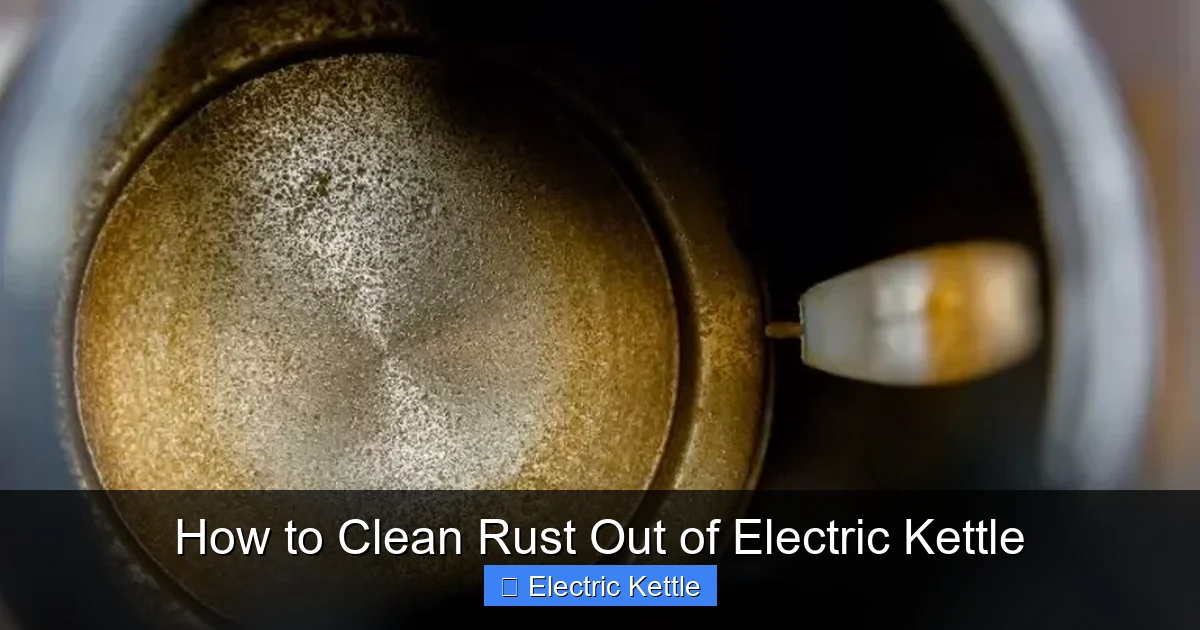
Visual guide about How to Clean Rust Out of Electric Kettle
Image source: irrorwxhiqijjr5q.ldycdn.com
Another concern is the potential for iron overload. While iron is an essential nutrient, consuming too much through water can lead to gastrointestinal discomfort or, in rare cases, contribute to iron accumulation in the body. This is more of a risk for individuals with conditions like hemochromatosis, where the body absorbs too much iron. If you notice persistent rust or your water has a reddish tint, it’s best to stop using the kettle until it’s thoroughly cleaned.
Ultimately, cleanliness matters. A well-maintained kettle shouldn’t produce rusty water. If you’re unsure, err on the side of caution—clean your kettle immediately and consider testing your water quality if rust appears frequently. Remember, your kettle is meant to deliver pure, hot water for your tea, coffee, or cooking. Don’t let rust compromise that experience.
Natural Methods to Clean Rust Out of Electric Kettle
When it comes to cleaning rust out of your electric kettle, you don’t need harsh chemicals or expensive cleaners. In fact, some of the most effective solutions are already in your kitchen. Natural acids like white vinegar and lemon juice are excellent at breaking down rust and mineral deposits without damaging your kettle’s interior. These methods are safe, eco-friendly, and won’t leave behind toxic residues that could affect your drinks.
One of the simplest and most popular approaches is the vinegar soak. Fill your kettle about halfway with equal parts white vinegar and water. For example, if your kettle holds 1.5 liters, use 375ml of vinegar and 375ml of water. Turn it on and bring the solution to a boil. Once it reaches a rolling boil, turn off the kettle and let the mixture sit for at least 30 minutes—or up to an hour for stubborn rust. The acetic acid in vinegar reacts with the rust, loosening it from the metal surface.
After soaking, discard the vinegar solution and rinse the kettle thoroughly with clean water. You may notice some rust particles floating in the water—that’s a good sign! For any remaining spots, use a soft sponge or cloth to gently wipe the interior. Avoid abrasive scrubbers like steel wool, which can scratch the stainless steel and create new spots for rust to form. If needed, repeat the process once more for heavy buildup.
Lemon and Baking Soda Combo
If you prefer a fresher scent or want extra cleaning power, try combining lemon and baking soda. Cut a lemon in half and squeeze the juice directly into the kettle, then drop in the rinds for added acidity and scrubbing action. Add a tablespoon of baking soda and fill the kettle with water up to the halfway mark. Bring the mixture to a boil, then let it sit for 20–30 minutes. The citric acid in lemon works similarly to vinegar, while baking soda adds mild abrasion to help lift rust without scratching.
This method is especially useful if you’re sensitive to the smell of vinegar. The lemon leaves a pleasant citrus aroma, and the baking soda helps neutralize odors. After soaking, rinse well and wipe down the interior. You’ll likely see a noticeable improvement in shine and cleanliness. For best results, follow up with a quick rinse cycle using plain water—boil and discard once to ensure all residues are gone.
Salt and Vinegar Scrub (For Tough Spots)
For localized rust spots that won’t budge with soaking alone, a paste made from vinegar and salt can work wonders. Mix three parts white vinegar with one part table salt to form a thick paste. Use a soft cloth or sponge to apply the paste directly to the rusted areas. Let it sit for 10–15 minutes, then gently scrub in circular motions. The salt acts as a mild abrasive, helping to lift rust without damaging the metal.
This method is ideal for small patches near the spout or around the heating element. Be careful not to let the paste dry completely, as it can become harder to remove. After scrubbing, rinse the kettle thoroughly and run a few cycles with clean water to ensure no salt or vinegar remains. This technique is particularly effective for older kettles or those exposed to very hard water.
Step-by-Step Cleaning Guide
Cleaning rust out of your electric kettle doesn’t have to be complicated. With the right steps, you can restore your kettle to like-new condition in under an hour. Here’s a simple, foolproof method using white vinegar—the most reliable and widely recommended solution.
Start by unplugging your kettle and letting it cool completely if it’s been recently used. Safety first! Next, fill the kettle about halfway with a 1:1 mixture of white vinegar and water. For example, if your kettle has a 1-liter capacity, use 250ml of vinegar and 250ml of water. Turn the kettle on and bring the solution to a full boil. Once boiling, turn it off and let the mixture sit for 30–60 minutes. The longer it sits, the more effective it will be at dissolving rust and limescale.
After soaking, pour out the vinegar solution and rinse the kettle several times with clean water. You may see rust flakes or discolored water during rinsing—this is normal. Use a soft sponge or microfiber cloth to wipe the interior, paying extra attention to the heating element and spout. Avoid using anything abrasive, as scratches can trap moisture and lead to future rust.
Once you’ve rinsed and wiped, fill the kettle with fresh water and boil it once more. Discard this water—this step ensures any lingering vinegar taste or odor is removed. Your kettle should now be clean, rust-free, and ready to use. For maintenance, repeat this process every 1–2 months, depending on your water hardness and usage frequency.
Tips for Stubborn Rust
If rust persists after one cleaning, don’t panic. Some kettles, especially older models or those exposed to very hard water, may require a second treatment. Simply repeat the vinegar soak process, extending the soaking time to 2 hours if needed. You can also increase the vinegar concentration to 75% vinegar and 25% water for tougher jobs.
Another trick is to use a soft-bristled toothbrush to gently scrub hard-to-reach areas, like around the heating coil or inside the spout. The bristles are fine enough to clean without scratching. Always rinse thoroughly afterward and run a final boil with clean water to flush out any debris.
If you’ve tried multiple methods and rust keeps returning, consider the source of your water. Installing a water filter or switching to distilled water can significantly reduce mineral buildup and prevent future rust. Also, make it a habit to empty and dry your kettle after each use—this simple step goes a long way in preventing oxidation.
Preventing Rust in the Future
Cleaning rust is one thing, but preventing it from coming back is even better. The good news? A few simple habits can keep your electric kettle rust-free for years. The most important step is to never leave water sitting in your kettle for long periods. After each use, pour out any remaining water and wipe the interior with a dry cloth. This minimizes moisture exposure, which is the primary cause of rust.
Another key tip is to descale your kettle regularly—even if you don’t see rust. Mineral buildup from hard water creates a rough surface that encourages rust formation. Aim to clean your kettle with vinegar or lemon every 4–6 weeks, or more often if you live in a hard water area. You’ll notice better performance, faster boiling times, and a cleaner taste in your beverages.
Using filtered or distilled water can also make a big difference. Tap water often contains dissolved iron and other minerals that contribute to rust. By switching to filtered water, you reduce the mineral load and extend the life of your kettle. If you’re unsure about your water quality, consider getting a home test kit or checking your local water report online.
Finally, handle your kettle with care. Avoid dropping it or using metal utensils inside, as scratches can expose the metal beneath the stainless steel coating. Store your kettle in a dry place when not in use, and keep the lid closed to prevent dust and moisture from accumulating. With these preventive measures, you’ll enjoy a clean, efficient kettle for years to come.
When to Replace Your Electric Kettle
Despite your best efforts, there may come a time when cleaning isn’t enough. If rust keeps returning no matter how often you clean, or if you notice deep pitting, flaking, or damage to the heating element, it might be time to replace your kettle. Persistent rust can compromise the structural integrity of the metal and increase the risk of electrical issues or contamination.
Other signs that your kettle is nearing the end of its life include unusual noises during boiling, slow heating, or water leaking from the base. These could indicate internal corrosion or electrical damage. While some issues can be repaired, it’s often safer and more cost-effective to invest in a new kettle—especially if yours is more than 5–7 years old.
When shopping for a replacement, look for models made from high-quality stainless steel with a rust-resistant coating. Some kettles feature glass or ceramic interiors, which are naturally rust-proof but may be more fragile. Read reviews and choose a reputable brand known for durability and safety. A good kettle is an investment in your daily routine—don’t settle for less.
Conclusion
Rust in your electric kettle doesn’t have to be a dealbreaker. With the right knowledge and a few household ingredients, you can safely and effectively remove rust and restore your kettle to peak condition. Natural cleaners like vinegar and lemon are powerful, affordable, and gentle on your appliance. By acting quickly and maintaining good habits—like drying your kettle after use and using filtered water—you can prevent rust from becoming a recurring problem.
Remember, your kettle plays a vital role in your daily life, whether you’re brewing morning coffee, preparing instant oatmeal, or making a soothing cup of tea. Keeping it clean ensures that every sip tastes fresh and pure. So the next time you spot a rusty spot, don’t panic—grab some vinegar, follow the steps above, and enjoy a cleaner, safer kettle in no time.
Frequently Asked Questions
Can I use bleach to clean rust out of my electric kettle?
No, you should never use bleach to clean your electric kettle. Bleach is highly corrosive and can damage the interior surfaces, leave toxic residues, and potentially react with metal to produce harmful fumes. Stick to natural, food-safe cleaners like vinegar or lemon juice.
How often should I clean my electric kettle to prevent rust?
For most households, cleaning your kettle every 4–6 weeks is sufficient. If you live in an area with hard water or notice mineral buildup quickly, increase cleaning frequency to every 2–3 weeks. Regular maintenance prevents rust and keeps your kettle performing well.
Will cleaning with vinegar leave a bad taste in my kettle?
No, as long as you rinse thoroughly and run one or two boil cycles with clean water after cleaning. The vinegar smell and taste will disappear completely, leaving your kettle fresh and ready for use.
Can I clean the exterior of my kettle the same way?
No, the exterior should be cleaned separately with a damp cloth and mild soap. Avoid pouring vinegar or acidic solutions on the outside, especially near electrical components or the base, as this can damage the finish or cause malfunctions.
Is it safe to boil vinegar in my electric kettle?
Yes, boiling vinegar is safe and commonly recommended for descaling and rust removal. Just ensure you dilute it with water (1:1 ratio) and never let the kettle boil dry. Always rinse well afterward to remove any residual odor or taste.
What if my kettle has a plastic interior?
Most electric kettles have stainless steel interiors, but if yours has plastic, avoid vinegar soaks as acid can degrade certain plastics over time. Instead, use a baking soda paste or a commercial kettle cleaner labeled safe for plastic surfaces.