Scale buildup in your electric kettle can affect taste, performance, and safety. This guide shows you safe, effective ways to clean scale off electric kettle using household items like vinegar and lemon. Regular maintenance keeps your kettle working like new.
Key Takeaways
- Scale is caused by hard water minerals like calcium and magnesium. Over time, these deposits accumulate inside your kettle, reducing heating efficiency and altering the taste of your water.
- Vinegar is the most effective and affordable solution. A 1:1 mix of white vinegar and water dissolves limescale quickly and safely without damaging the kettle.
- Lemon juice works well for light to moderate scale. Its natural acidity breaks down mineral deposits and leaves a fresh scent, making it ideal for occasional cleaning.
- Baking soda can help with stubborn stains. When combined with vinegar, it creates a fizzing reaction that lifts tough scale, especially around the heating element.
- Always rinse thoroughly after cleaning. Residual cleaning agents can affect water taste or pose health risks if not fully removed.
- Prevent scale with regular maintenance. Clean your kettle every 2–4 weeks, depending on water hardness, to avoid heavy buildup.
- Never use abrasive tools or harsh chemicals. Scrubbing with steel wool or using bleach can damage the interior and compromise safety.
📑 Table of Contents
- Why Scale Builds Up in Your Electric Kettle
- Signs You Need to Clean Scale Off Your Electric Kettle
- Best Methods to Clean Scale Off Electric Kettle
- Step-by-Step Cleaning Guide
- Preventing Scale Buildup in the Future
- What NOT to Do When Cleaning Your Kettle
- Maintaining Your Kettle for Long-Term Performance
- Conclusion
Why Scale Builds Up in Your Electric Kettle
Have you ever noticed a white, chalky film inside your electric kettle? That’s scale—also known as limescale—and it’s more common than you might think. Scale forms when hard water is heated repeatedly. Hard water contains high levels of dissolved minerals, especially calcium and magnesium. When water boils, these minerals don’t evaporate. Instead, they settle and stick to the kettle’s interior surfaces, particularly around the heating element and the bottom.
This buildup isn’t just unsightly—it can seriously affect your kettle’s performance. Scale acts as an insulator, making it harder for the heating element to warm the water. As a result, your kettle takes longer to boil, uses more energy, and may even overheat over time. In severe cases, thick scale can cause the kettle to malfunction or shut off prematurely. Plus, tiny flakes of scale can end up in your tea or coffee, giving it a gritty texture and unpleasant taste.
If you live in an area with hard water—common in many parts of the U.S., UK, and Australia—you’re more likely to face this issue. The good news? Cleaning scale off your electric kettle is simple, safe, and doesn’t require expensive tools or chemicals. With a few household ingredients and a little time, you can restore your kettle to peak condition and enjoy cleaner, better-tasting water every time.
Signs You Need to Clean Scale Off Your Electric Kettle
You don’t need to wait until your kettle looks like a science experiment to take action. There are several telltale signs that it’s time to clean scale off your electric kettle. The most obvious is visible white or gray deposits on the inside walls, around the spout, or on the heating element. These crusty layers may start thin but can grow thick and flaky over time.
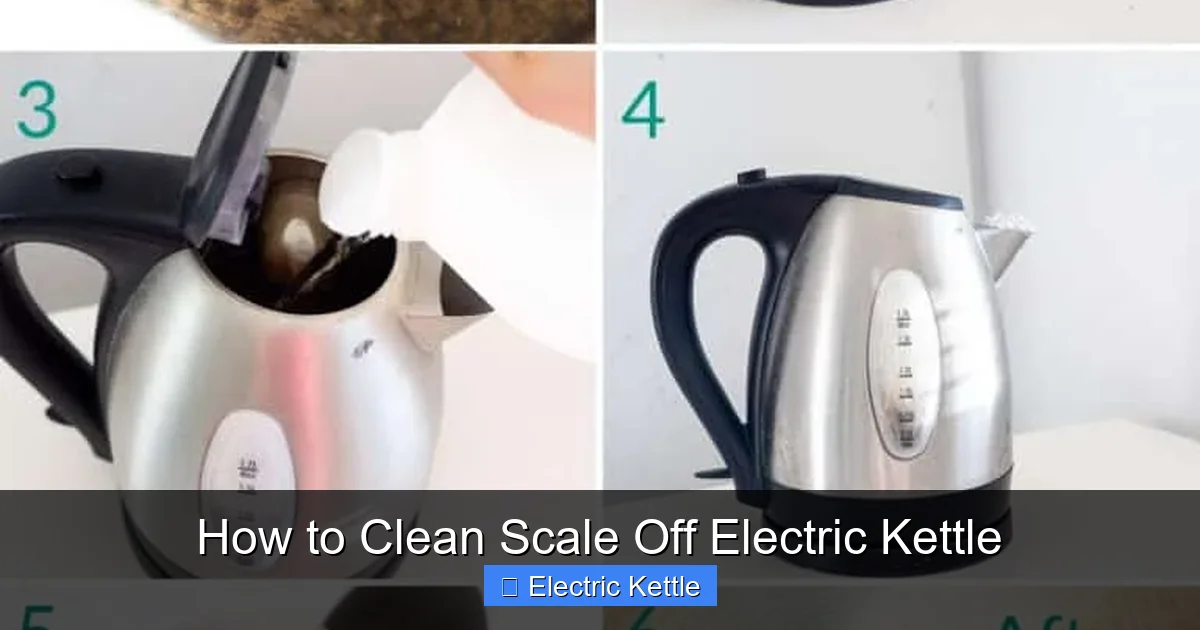
Visual guide about How to Clean Scale Off Electric Kettle
Image source: garlicdelight.com
Another sign is longer boiling times. If your kettle used to boil water in under three minutes but now takes five or more, scale could be slowing down the heating process. You might also notice a strange taste or odor in your water, even after filtering. This happens when scale particles mix with your drink or when mineral residues react with heat.
Some kettles have built-in indicators or warning lights for scale buildup, especially high-end models. If yours has this feature, pay attention to it. Even if you don’t see visible scale, a slower boil or odd taste means it’s time for a deep clean. Don’t ignore these signs—regular cleaning not only improves performance but also extends the life of your kettle.
Best Methods to Clean Scale Off Electric Kettle
Cleaning scale off your electric kettle doesn’t have to be complicated. In fact, some of the most effective methods use ingredients you probably already have in your kitchen. The key is using natural acids that dissolve mineral deposits without harming the kettle’s interior. Below are the top three proven methods, each safe, affordable, and easy to follow.
Method 1: White Vinegar Solution
White vinegar is the gold standard for removing limescale. Its acetic acid content breaks down calcium and magnesium deposits quickly and safely. This method works well for light to heavy scale and is ideal for routine maintenance.
To use vinegar, start by mixing equal parts white vinegar and water. For a standard 1-liter kettle, use 500ml of vinegar and 500ml of water. Pour the mixture into the kettle, making sure it covers the affected areas—especially the heating element. Let it sit for at least 30 minutes, or up to an hour for heavy buildup. For extra effectiveness, you can bring the solution to a boil, let it simmer for 5–10 minutes, then turn off the kettle and allow it to cool.
After soaking, pour out the vinegar solution and scrub gently with a soft sponge or brush. Avoid metal scrubbers, which can scratch the surface. Rinse the kettle thoroughly with clean water at least three times to remove all vinegar residue. Run a cycle with fresh water (boil and discard) to ensure no taste remains. Your kettle should look shiny and clean, with no trace of scale.
Method 2: Lemon Juice
If you prefer a natural, citrusy approach, lemon juice is a great alternative. Like vinegar, lemon contains citric acid, which dissolves scale effectively. It’s especially good for light to moderate buildup and leaves your kettle smelling fresh.
For this method, cut a fresh lemon in half and squeeze the juice directly into the kettle. Add enough water to cover the scale—about half the kettle’s capacity. You can also drop in the lemon halves for extra acidity. Let the mixture sit for 30–60 minutes. For tougher scale, boil the solution, let it simmer for 5 minutes, then turn off the heat and allow it to cool.
After soaking, discard the lemon water and scrub gently with a soft cloth or sponge. Rinse thoroughly with clean water, then run one or two boiling cycles with fresh water to eliminate any lemon taste. This method is gentle on the kettle and perfect for weekly maintenance if you use hard water.
Method 3: Baking Soda and Vinegar Combo
For stubborn scale that won’t budge, try combining baking soda and vinegar. This duo creates a fizzing reaction that helps lift and break apart tough deposits. It’s especially useful for scale around the heating element or in hard-to-reach corners.
Start by mixing 1–2 tablespoons of baking soda with a small amount of water to form a paste. Apply the paste directly to the scaled areas using a soft brush or cloth. Let it sit for 10–15 minutes. Then, pour in a 1:1 mixture of white vinegar and water, just enough to cover the paste. The mixture will fizz and bubble—this is normal and indicates the reaction is working.
Allow the solution to sit for 30–60 minutes. For heavy scale, you can boil the mixture, let it simmer briefly, then turn off the heat and cool. After soaking, scrub gently and rinse thoroughly. Run a few cycles with clean water to ensure no residue remains. This method is powerful but should be used sparingly—once a month or less—to avoid over-cleaning.
Step-by-Step Cleaning Guide
Now that you know the best methods, let’s walk through a simple, step-by-step process to clean scale off your electric kettle. Whether you’re using vinegar, lemon, or a combo, these steps ensure a thorough and safe clean.
Step 1: Unplug and Cool Down
Always start by unplugging your kettle and letting it cool completely. Never attempt to clean a hot or recently used kettle, as this can cause burns or damage the appliance. Safety first!
Step 2: Empty and Rinse
Pour out any remaining water and give the kettle a quick rinse with clean water. This removes loose debris and prepares the surface for cleaning.
Step 3: Choose Your Cleaning Solution
Select one of the methods above based on the severity of the scale. For light buildup, lemon juice works well. For moderate to heavy scale, go with vinegar or the baking soda combo.
Step 4: Apply and Soak
Pour your chosen solution into the kettle, ensuring it covers all scaled areas. Let it soak for the recommended time—30 minutes to an hour. For extra power, boil the solution (if safe for your kettle model) and let it cool.
Step 5: Scrub Gently
Use a soft sponge, brush, or cloth to gently scrub the interior. Focus on the heating element and any stubborn spots. Avoid abrasive tools that can scratch stainless steel or damage non-stick coatings.
Step 6: Rinse Thoroughly
Rinse the kettle at least three times with clean water. Any leftover cleaning agent can affect the taste of your water or pose health risks.
Step 7: Run a Test Cycle
Fill the kettle with fresh water, boil it, and pour it out. Repeat once or twice to ensure no residue remains. Your kettle is now clean, safe, and ready to use.
Preventing Scale Buildup in the Future
Cleaning scale off your electric kettle is important, but preventing it in the first place is even better. With a few simple habits, you can reduce buildup and keep your kettle in top shape for years.
Use Filtered or Softened Water
The easiest way to prevent scale is to use soft or filtered water. If your tap water is hard, consider installing a water softener or using a pitcher filter. Bottled distilled water is another option, though it’s less eco-friendly.
Empty the Kettle After Use
Don’t let water sit in the kettle for long periods. Empty it after each use to prevent minerals from settling and hardening. This is especially important if you only boil small amounts of water.
Clean Regularly
Make cleaning a habit. Even if you don’t see scale, clean your kettle every 2–4 weeks. Regular maintenance prevents heavy buildup and keeps your kettle efficient.
Descale with Vinegar Monthly
Even with soft water, some minerals may accumulate. A monthly vinegar rinse (1:1 vinegar and water, boiled and soaked) keeps scale at bay and maintains performance.
Avoid Overfilling
Only boil the amount of water you need. Overfilling increases the surface area exposed to minerals, leading to faster scale formation.
What NOT to Do When Cleaning Your Kettle
While cleaning scale off your electric kettle is simple, there are some common mistakes to avoid. Using the wrong tools or chemicals can damage your kettle or create safety hazards.
Don’t Use Abrasive Scrubbers
Steel wool, scouring pads, or harsh brushes can scratch the interior of your kettle. These scratches not only look bad but can also trap bacteria and make future cleaning harder. Stick to soft sponges or brushes.
Avoid Harsh Chemicals
Never use bleach, ammonia, or commercial drain cleaners. These chemicals can react with metal, release toxic fumes, or leave harmful residues. Stick to natural, food-safe options like vinegar and lemon.
Don’t Ignore the Manufacturer’s Instructions
Some kettles have specific cleaning guidelines. Check the user manual before using any method. For example, boiling vinegar may not be safe for kettles with plastic parts or certain coatings.
Don’t Skip Rinsing
Failing to rinse thoroughly can leave behind acidic residues that affect taste or health. Always rinse multiple times and run a test cycle.
Never Clean While Plugged In
Always unplug the kettle before cleaning. Water and electricity don’t mix—this is a critical safety rule.
Maintaining Your Kettle for Long-Term Performance
A clean kettle isn’t just about appearance—it’s about performance, safety, and longevity. Regular maintenance ensures your kettle heats efficiently, lasts longer, and delivers great-tasting water every time.
Start by establishing a cleaning schedule. If you use your kettle daily, aim to clean it every two weeks. For occasional use, once a month is sufficient. Keep a reminder on your phone or calendar to stay on track.
Also, inspect your kettle regularly. Look for signs of wear, such as frayed cords, loose parts, or discoloration. Address issues early to prevent bigger problems. And if your kettle has a removable filter (common in some models), clean or replace it as recommended.
Finally, store your kettle properly. Keep it in a dry, cool place with the lid open to allow airflow. This prevents moisture buildup and odors. With these habits, your electric kettle will serve you well for years to come.
Conclusion
Cleaning scale off your electric kettle is a simple but essential task that improves performance, taste, and safety. Whether you use vinegar, lemon, or a baking soda combo, the process is quick, affordable, and effective. Regular maintenance prevents buildup and keeps your kettle running smoothly.
Don’t wait until your water tastes off or your kettle takes forever to boil. Take action today—your future self (and your tea) will thank you. With the tips and methods in this guide, you’ll keep your kettle spotless and efficient, no matter how hard your water is. Happy boiling!
Frequently Asked Questions
Can I use apple cider vinegar to clean my electric kettle?
Yes, you can use apple cider vinegar, but white vinegar is preferred. It’s clearer, less likely to stain, and equally effective at dissolving scale.
How often should I clean scale off my electric kettle?
Clean your kettle every 2–4 weeks if you use it regularly. If you have very hard water, consider cleaning it weekly to prevent heavy buildup.
Is it safe to boil vinegar in my electric kettle?
Yes, boiling vinegar is safe for most kettles, but check your manual first. Avoid boiling if your kettle has plastic parts that may warp or absorb odors.
Can I use citric acid instead of vinegar or lemon?
Absolutely. Citric acid powder is a powerful descaler. Mix 1–2 tablespoons with water, soak, and rinse thoroughly. It’s great for heavy scale.
Will cleaning scale improve my kettle’s performance?
Yes! Removing scale restores heating efficiency, reduces boiling time, and prevents overheating. Your kettle will work faster and last longer.
What if my kettle has a non-stick coating?
Be extra gentle when cleaning. Use soft sponges and avoid abrasive tools. Vinegar and lemon are safe, but scrub lightly to protect the coating.