Keeping your Smeg electric kettle clean isn’t just about looks—it’s essential for great-tasting water and long-term performance. With regular care, you can prevent limescale buildup, maintain hygiene, and extend the life of your appliance.
Key Takeaways
- Clean your Smeg electric kettle regularly: Aim for weekly descaling if you live in a hard water area to prevent mineral buildup.
- Use natural cleaning solutions: White vinegar and lemon juice are safe, effective, and won’t damage the kettle’s interior or exterior.
- Never submerge the base: Only clean the removable parts and wipe the base with a damp cloth to avoid electrical damage.
- Rinse thoroughly after cleaning: Always rinse multiple times to remove all traces of cleaning agents before use.
- Polish the exterior gently: Use a microfiber cloth and mild cleaner to maintain the iconic Smeg shine without scratching.
- Avoid abrasive tools: Steel wool or harsh scrubbers can scratch the stainless steel or enamel finish.
- Store properly when not in use: Keep the kettle dry and uncovered to prevent odors and moisture buildup.
📑 Table of Contents
Why Cleaning Your Smeg Electric Kettle Matters
Your Smeg electric kettle isn’t just a kitchen appliance—it’s a design statement. With its sleek curves, bold colors, and retro-inspired look, it adds personality to any countertop. But beyond its beauty, your kettle works hard every day to boil water for coffee, tea, soups, and more. Over time, that daily use leads to mineral deposits, especially if you live in an area with hard water. These deposits, known as limescale, can affect how your kettle performs and even alter the taste of your drinks.
Cleaning your Smeg electric kettle isn’t just about maintaining its stunning appearance—it’s about ensuring it functions efficiently and safely. Limescale buildup can reduce heating efficiency, increase boiling time, and in severe cases, damage internal components. Plus, leftover residue or old water can harbor bacteria or mold, especially if the kettle isn’t dried properly after use. Regular cleaning keeps your water tasting fresh and your kettle running smoothly for years to come.
Many people assume that because they’re only boiling water, their kettle stays clean on its own. But that’s a common misconception. Every time you boil water, minerals like calcium and magnesium are left behind as the water evaporates. Over weeks and months, this creates a chalky white film inside the kettle. If ignored, this buildup can clog the spout, coat the heating element, and even lead to unpleasant odors. The good news? Cleaning your Smeg kettle is quick, easy, and requires only a few household items.
Understanding Your Smeg Electric Kettle
Before diving into cleaning methods, it’s helpful to understand what makes your Smeg kettle unique. Smeg kettles are known for their high-quality materials, including stainless steel, enamel-coated finishes, and precision engineering. Most models feature a concealed heating element, which makes cleaning easier and safer. They also come with features like automatic shut-off, boil-dry protection, and water level indicators—all designed for convenience and safety.
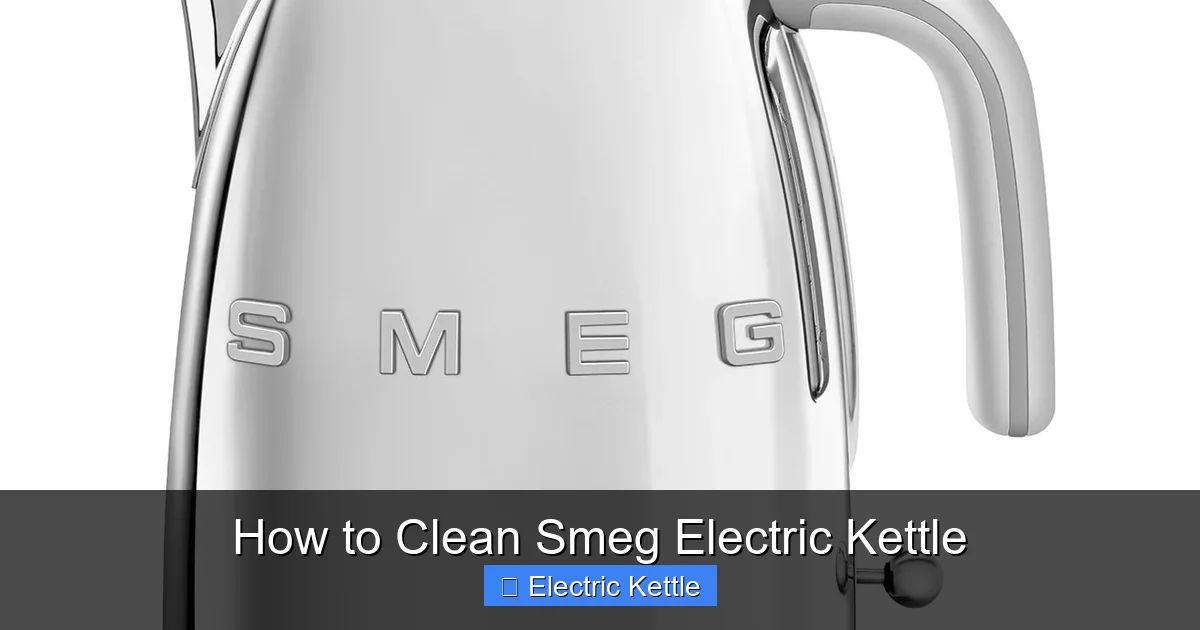
Visual guide about How to Clean Smeg Electric Kettle
Image source: cdn11.bigcommerce.com
Materials and Design Features
Smeg kettles are typically made from durable stainless steel or enamel-coated metal, both of which are resistant to rust and corrosion. The interior is usually polished stainless steel, which is non-reactive and safe for boiling water. The exterior comes in a variety of colors and finishes, from classic cream and red to modern black and pastel shades. This enamel coating is what gives Smeg kettles their signature glossy look, but it also means you need to be gentle when cleaning to avoid scratches.
Most Smeg kettles have a removable limescale filter located near the spout. This filter catches mineral particles before they enter your cup, but it can become clogged over time. Regular cleaning of this filter is essential for maintaining water flow and taste. Additionally, the base of the kettle contains the electrical components and should never be submerged in water. Always unplug the kettle and let it cool completely before cleaning.
Common Issues from Poor Maintenance
Neglecting your Smeg kettle can lead to several problems. The most common is limescale buildup, which appears as a white, chalky residue inside the kettle and around the spout. This not only looks unappealing but can also affect the kettle’s performance. In severe cases, limescale can insulate the heating element, causing it to overheat or fail prematurely.
Another issue is odor buildup. If water is left sitting in the kettle for long periods, especially in warm environments, it can develop a stale or musty smell. This is more likely if the kettle isn’t dried properly after use. Mold growth is rare but possible in damp, dark conditions—another reason to keep your kettle clean and dry.
Finally, a dirty kettle can impact the taste of your beverages. Even small amounts of limescale or residue can alter the flavor of tea or coffee, making them taste flat or metallic. For coffee and tea lovers, this is a dealbreaker. Regular cleaning ensures that every cup tastes as it should—pure and refreshing.
Step-by-Step Guide to Cleaning Your Smeg Electric Kettle
Cleaning your Smeg electric kettle is a simple process that takes just 10–15 minutes. The key is consistency—cleaning it regularly prevents heavy buildup and keeps maintenance easy. Below is a detailed, step-by-step guide to help you keep your kettle in top condition.
What You’ll Need
- White vinegar or lemon juice
- Water
- Soft sponge or cloth
- Microfiber cloth (for exterior)
- Toothbrush (optional, for hard-to-reach areas)
- Mild dish soap (optional)
You don’t need harsh chemicals or specialty cleaners. In fact, natural solutions like vinegar and lemon are often more effective and safer for your kettle and your health.
Step 1: Unplug and Cool Down
Always start by unplugging the kettle and letting it cool completely. Never attempt to clean a hot or recently used kettle, as this can cause burns or damage the internal components. Safety first!
Step 2: Empty and Rinse
Pour out any remaining water and give the kettle a quick rinse with clean water. This removes loose debris and prepares the interior for deeper cleaning.
Step 3: Prepare the Cleaning Solution
For light cleaning, mix equal parts white vinegar and water. For heavier limescale, use undiluted vinegar or fresh lemon juice. Both are acidic and break down mineral deposits effectively. Fill the kettle about halfway with your chosen solution.
Step 4: Boil the Solution
Plug in the kettle and bring the solution to a boil. Let it boil for 5–10 minutes, then turn it off and unplug. Allow the solution to sit in the kettle for at least 30 minutes—or overnight for severe buildup. The acid will dissolve limescale and loosen residue.
Step 5: Scrub Gently
After soaking, use a soft sponge or cloth to wipe the interior. For stubborn spots, a soft-bristled toothbrush can help reach crevices around the spout or heating element. Avoid abrasive scrubbers, which can scratch the stainless steel.
Step 6: Rinse Thoroughly
Rinse the kettle several times with clean water to remove all traces of vinegar or lemon. Any leftover residue can affect the taste of your water. Fill the kettle, swish the water around, and pour it out. Repeat 3–4 times.
Step 7: Clean the Exterior
While the interior soaks, wipe down the exterior with a damp microfiber cloth. For smudges or fingerprints, use a small amount of mild dish soap. Avoid spraying cleaner directly on the kettle—dampen the cloth instead. Dry with a clean, dry cloth to restore the shine.
Step 8: Clean the Filter
Remove the limescale filter (usually located under the spout) and rinse it under running water. Use a toothbrush to gently scrub away any buildup. Reinsert the filter once it’s clean and dry.
Step 9: Final Rinse and Dry
After cleaning, fill the kettle with fresh water, boil it once, and discard the water. This ensures no cleaning solution remains. Dry the exterior with a soft cloth and store the kettle uncovered to prevent moisture buildup.
Natural Cleaning Solutions for Your Smeg Kettle
One of the best things about cleaning your Smeg electric kettle is that you don’t need harsh chemicals. Natural, eco-friendly solutions are not only safe for your appliance but also better for your health and the environment. Here are the most effective options:
White Vinegar
White vinegar is a powerhouse cleaner for limescale. Its acetic acid content breaks down mineral deposits quickly and safely. It’s inexpensive, widely available, and leaves no harmful residues when rinsed properly. For best results, use a 1:1 ratio of vinegar to water for light cleaning, or full-strength vinegar for heavy buildup.
Lemon Juice
Lemon juice is another excellent natural cleaner. It’s slightly less acidic than vinegar but still effective at dissolving limescale. Plus, it leaves a fresh, citrus scent. Use fresh-squeezed lemon juice or bottled concentrate. Boil it with water or let it soak overnight for tough stains.
Baking Soda (for Exterior Stains)
While not ideal for the interior (it’s less effective on limescale), baking soda works well for cleaning the exterior. Make a paste with water and gently scrub stained areas. It’s mildly abrasive, so use it sparingly to avoid scratching the enamel finish.
Commercial Descalers (Use with Caution)
If natural methods aren’t cutting it, you can use a commercial descaler designed for kettles. Look for products labeled safe for stainless steel and food use. Always follow the manufacturer’s instructions and rinse thoroughly. Avoid generic drain cleaners or bleach—they’re too harsh and can damage your kettle.
Tip: After cleaning with vinegar or lemon, you can neutralize any lingering smell by boiling a pot of plain water and discarding it. This ensures your next cup of tea tastes fresh.
Tips for Maintaining a Clean Smeg Kettle
Cleaning your Smeg electric kettle doesn’t have to be a chore. With a few simple habits, you can keep it looking and performing like new with minimal effort. Here are some practical tips for long-term maintenance:
Clean Weekly (or More Often in Hard Water Areas)
If you live in an area with hard water, aim to descale your kettle once a week. In softer water areas, monthly cleaning may be sufficient. The more frequently you clean, the less buildup you’ll have to deal with.
Empty After Each Use
Don’t let water sit in the kettle for long periods. Empty it after each use to prevent mineral deposits and odors. This simple habit makes a big difference over time.
Use Filtered Water
Using filtered or distilled water reduces mineral content and slows limescale formation. It’s an easy way to extend the time between cleanings and improve water taste.
Wipe the Exterior Daily
A quick wipe with a microfiber cloth removes fingerprints and smudges, keeping your kettle looking pristine. This takes just seconds but maintains that showroom shine.
Check the Filter Regularly
Inspect the limescale filter every few weeks. If it’s clogged, clean it immediately. A clean filter ensures smooth pouring and better-tasting water.
Store Properly
When not in use, store your kettle uncovered in a dry place. This prevents moisture buildup and discourages mold or mildew. Avoid stacking items on top, which can scratch the surface.
Avoid Overfilling
Overfilling can cause water to spill into the base during boiling, potentially damaging the electrical components. Always stay within the marked water levels.
Troubleshooting Common Cleaning Problems
Even with regular care, you might encounter a few cleaning challenges. Here’s how to handle them:
Stubborn Limescale
If vinegar or lemon doesn’t remove heavy limescale, try soaking the kettle overnight. For extremely tough buildup, repeat the boiling process twice. In rare cases, a commercial descaler may be needed—just rinse thoroughly afterward.
Persistent Odors
If your kettle still smells after cleaning, boil a mixture of water and baking soda (1 tablespoon per liter). Let it sit for an hour, then rinse well. This neutralizes odors without harsh chemicals.
Scratches on the Exterior
Avoid using abrasive cloths or sponges. If minor scratches appear, use a stainless steel polish or a small amount of toothpaste on a soft cloth to buff them out. Always test on a small area first.
Water Tastes Metallic
This could be due to residual limescale or cleaning solution. Rinse the kettle multiple times and boil fresh water once before use. If the problem persists, check the filter and heating element for buildup.
Kettle Won’t Boil After Cleaning
Ensure the kettle is properly reassembled and the filter is securely in place. Check that the base isn’t wet and that the power cord is fully plugged in. If issues continue, consult the user manual or contact Smeg support.
Conclusion
Your Smeg electric kettle is more than just a functional appliance—it’s a blend of style, performance, and reliability. Keeping it clean ensures it continues to deliver great-tasting water and look stunning on your countertop. With simple, natural cleaning methods and consistent maintenance, you can prevent limescale, eliminate odors, and extend the life of your kettle.
Remember, regular cleaning doesn’t have to be time-consuming or complicated. A quick weekly descaling with vinegar or lemon, combined with daily wiping and proper storage, goes a long way. By following the steps and tips in this guide, you’ll keep your Smeg kettle in peak condition for years to come. So go ahead—brew that perfect cup of tea, confident that your kettle is as clean as it is beautiful.
Frequently Asked Questions
How often should I clean my Smeg electric kettle?
Clean your Smeg kettle weekly if you live in a hard water area, or monthly in softer water regions. Regular cleaning prevents limescale buildup and maintains performance.
Can I use bleach to clean my Smeg kettle?
No, avoid bleach and other harsh chemicals. They can damage the interior and exterior finishes. Stick to natural cleaners like vinegar or lemon juice.
Is it safe to boil vinegar in my Smeg kettle?
Yes, boiling vinegar is safe and effective for descaling. Just rinse the kettle thoroughly afterward to remove any lingering taste or smell.
Can I put my Smeg kettle in the dishwasher?
No, never put your Smeg kettle in the dishwasher. The base contains electrical components and should never be submerged. Clean only the removable parts by hand.
Why does my kettle smell after cleaning?
Lingering smells are usually from vinegar or lemon. Boil a pot of plain water and discard it to neutralize the odor before your next use.
How do I clean the limescale filter in my Smeg kettle?
Remove the filter from the spout, rinse it under water, and gently scrub with a toothbrush. Reinsert it once clean and dry.