Keeping your electric water kettle clean isn’t just about appearance—it’s essential for great-tasting water, efficient performance, and long-term durability. Over time, mineral deposits, soap residue, and bacteria can build up, affecting both flavor and function. With the right techniques and regular maintenance, you can keep your kettle sparkling and working like new.
Key Takeaways
- Clean your electric water kettle regularly: Aim for every 1–2 weeks if you use it daily, especially in hard water areas.
- Use natural cleaners like vinegar or lemon: These are safe, effective, and eco-friendly for removing limescale and odors.
- Never submerge the base or electrical parts: Only the kettle’s interior and removable parts should be cleaned with liquid.
- Rinse thoroughly after cleaning: Residual cleaning agents can affect water taste and safety.
- Descale when you see white buildup: Ignoring limescale reduces heating efficiency and shortens the kettle’s lifespan.
- Wipe the exterior with a damp cloth: Keep the outside clean to prevent grime and maintain a polished look.
- Store with the lid open: This prevents musty smells and allows moisture to escape.
📑 Table of Contents
- Why Cleaning Your Electric Water Kettle Matters
- What You’ll Need to Clean Your Electric Water Kettle
- Step-by-Step Guide to Cleaning Your Electric Water Kettle
- Special Cleaning Tips for Different Kettle Types
- Preventing Future Buildup and Maintaining Your Kettle
- Common Mistakes to Avoid When Cleaning
- When to Replace Your Electric Water Kettle
- Conclusion
Why Cleaning Your Electric Water Kettle Matters
If you’re like most people, your electric water kettle is one of the most-used appliances in your kitchen. Whether you’re brewing your morning coffee, steeping tea, or preparing instant noodles, that little device works hard every day. But here’s the thing—most of us forget that it needs regular cleaning, just like any other kitchen tool.
Over time, minerals from tap water—especially in areas with hard water—start to build up inside the kettle. You’ll notice a white, chalky residue on the heating element or along the walls. That’s limescale, and it’s not just unsightly. It can slow down heating, reduce energy efficiency, and even affect the taste of your water. In some cases, bacteria and mold can grow in hidden crevices, especially if the kettle isn’t dried properly after use.
Cleaning your electric water kettle isn’t just about aesthetics. It’s about performance, safety, and longevity. A clean kettle heats water faster, uses less electricity, and delivers better-tasting beverages. Plus, regular maintenance can extend the life of your appliance by years. Think of it like changing the oil in your car—small effort, big payoff.
The Hidden Dangers of a Dirty Kettle
You might not see it, but a neglected kettle can harbor more than just mineral deposits. Soap residue from improper cleaning, leftover tea or coffee stains, and even tiny food particles can create a breeding ground for bacteria. When you heat water in a dirty kettle, those contaminants can be released into your drink.
For example, if you’ve used your kettle to boil milk for hot chocolate or soup, proteins and fats can stick to the interior. Over time, this buildup can burn onto the heating element, creating a burnt smell and potentially damaging the kettle. Even if you only use it for water, the combination of heat, moisture, and minerals creates an ideal environment for scale and biofilm formation.
Ignoring these issues doesn’t just affect taste—it can also pose health risks. While most bacteria are killed during boiling, some spores and toxins can survive. Plus, ingesting mineral scale over time isn’t ideal, even if it’s not immediately harmful. The bottom line? A clean kettle is a healthier kettle.
How Often Should You Clean It?
So how often should you clean your electric water kettle? The answer depends on how often you use it and the quality of your water.
If you live in an area with hard water—water high in calcium and magnesium—you’ll see limescale buildup faster. In this case, aim to clean your kettle every 1 to 2 weeks. If your water is soft, you might get away with cleaning it once a month. But if you use your kettle multiple times a day, err on the side of caution and clean it weekly.
A good rule of thumb: if you see visible white or gray deposits, it’s time to descale. Also, if your water starts tasting “off” or your kettle takes longer to boil, those are signs it needs attention. Don’t wait for problems to appear—prevention is always easier than repair.
What You’ll Need to Clean Your Electric Water Kettle
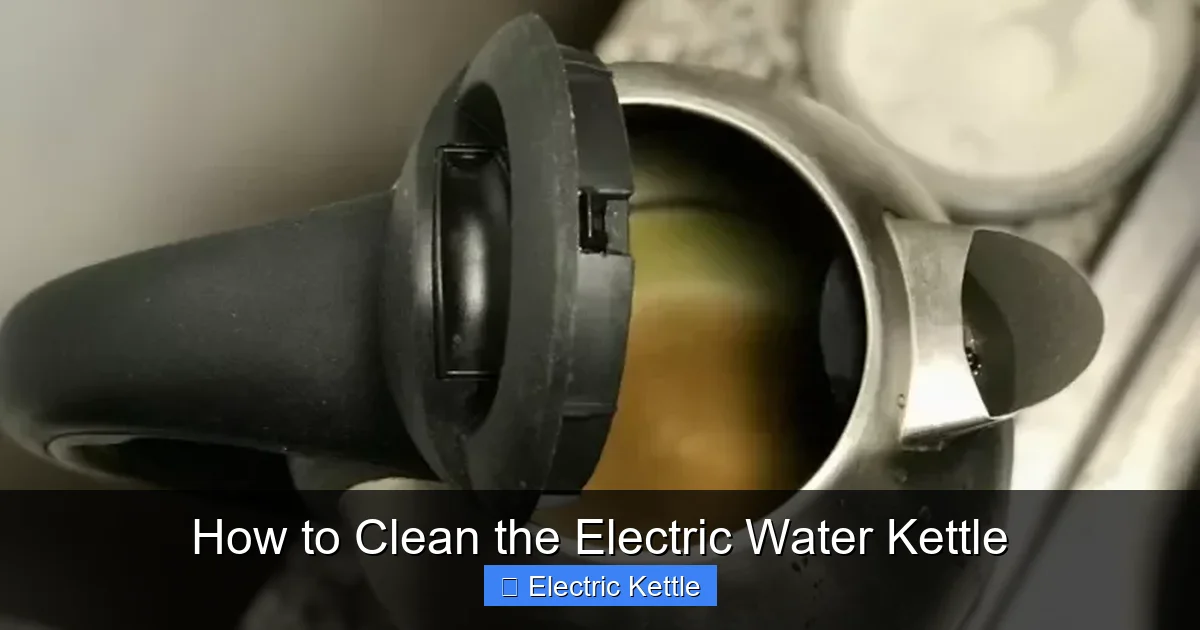
Visual guide about How to Clean the Electric Water Kettle
Image source: irrorwxhiqijjr5q.ldycdn.com
Before you start cleaning, gather the right tools and materials. The good news? You probably already have most of what you need at home. The key is using safe, effective ingredients that won’t damage your kettle or leave harmful residues.
Natural Cleaning Solutions
The best cleaners for electric kettles are natural and non-toxic. Here are the top options:
White vinegar: This is the gold standard for descaling. Its acetic acid dissolves limescale quickly and safely. Use distilled white vinegar for best results—avoid apple cider or colored vinegars, which can stain.
Lemon juice: Fresh lemon juice works similarly to vinegar and leaves a fresh scent. It’s especially good for light buildup or if you prefer a citrusy aroma.
Baking soda: Great for scrubbing away stubborn stains and neutralizing odors. Use it as a paste with a little water for gentle abrasion.
Commercial descaling solutions: If you prefer a ready-made product, look for ones specifically designed for kettles. Avoid generic drain cleaners or harsh chemicals—they can damage the interior.
Tools and Supplies
You’ll also need a few basic tools:
– A soft sponge or non-abrasive brush (like a bottle brush)
– A microfiber cloth for wiping the exterior
– A measuring cup or jug
– A kettle with a removable filter (if applicable)
– Warm water for rinsing
Avoid steel wool, abrasive pads, or harsh scrubbers—they can scratch the interior, especially if your kettle has a non-stick or stainless steel coating. Scratches create hiding spots for bacteria and make future cleaning harder.
What NOT to Use
While it might be tempting to use strong cleaners, some can do more harm than good. Avoid:
– Bleach or chlorine-based cleaners (they can leave toxic residues)
– Ammonia (reacts poorly with heat and can damage seals)
– Dish soap in large amounts (it can leave a film and affect taste)
– Metal scouring pads (they scratch and damage surfaces)
Stick to natural, food-safe options. Your kettle holds water you drink—safety should always come first.
Step-by-Step Guide to Cleaning Your Electric Water Kettle
Now that you’re prepared, let’s walk through the cleaning process. Whether you’re dealing with light scale or a seriously neglected kettle, these steps will get it sparkling clean.
Step 1: Unplug and Cool Down
Safety first! Always unplug your kettle and let it cool completely before cleaning. Never attempt to clean a hot or recently used kettle—water and electricity don’t mix, and hot surfaces can cause burns.
Once it’s cool, remove any detachable parts, like the limescale filter or lid (if removable). Check your user manual if you’re unsure what can be taken apart.
Step 2: Empty and Rinse
Pour out any leftover water. Give the interior a quick rinse with warm water to remove loose debris. This makes the deep cleaning more effective.
If there’s visible scale, don’t scrub it yet—let the cleaning solution do the work.
Step 3: Choose Your Cleaning Method
There are several ways to clean your kettle, depending on the level of buildup. Here are the most effective methods:
Method 1: Vinegar Soak (Best for Heavy Limescale)
Fill the kettle halfway with equal parts white vinegar and water. For example, use 1 cup vinegar and 1 cup water. If your kettle is large, adjust the ratio but keep it 1:1.
Let the solution sit for at least 30 minutes—or overnight for severe buildup. The acid will dissolve the scale naturally.
After soaking, boil the vinegar solution (if your kettle allows it). This helps loosen stubborn deposits. Let it cool, then pour it out.
Method 2: Lemon Juice Boil (Great for Light Buildup and Odors)
Cut a lemon in half and squeeze the juice into the kettle. Add the lemon halves for extra cleaning power. Fill the kettle with water to just below the max line.
Boil the lemon water, then let it sit for 15–20 minutes. The citric acid will break down scale and leave a fresh scent.
Pour out the solution and rinse thoroughly.
Method 3: Baking Soda Scrub (For Stains and Odors)
Mix 1–2 tablespoons of baking soda with a little water to form a paste. Use a soft sponge or brush to gently scrub the interior, focusing on stained areas.
For tough spots, let the paste sit for 10–15 minutes before scrubbing. Rinse well.
You can also combine baking soda with vinegar for a fizzing reaction that helps lift grime—just be careful not to overfill, as it will bubble up.
Step 4: Scrub and Rinse
After using your chosen cleaning solution, use a soft sponge or brush to gently scrub the interior. Pay special attention to the heating element (if visible) and the spout, where scale often accumulates.
Rinse the kettle thoroughly with clean water—at least 3–4 times. Any leftover vinegar or lemon taste can affect your next cup of tea, so don’t skip this step.
If your kettle has a removable filter, take it out and scrub it separately. Rinse it under running water until all residue is gone.
Step 5: Clean the Exterior
While the interior is soaking, wipe down the outside of the kettle with a damp microfiber cloth. For stainless steel models, use a bit of vinegar or glass cleaner for a streak-free shine.
Avoid getting water near the electrical base or cord. If there’s grease or fingerprints, a drop of mild dish soap on the cloth can help—just wipe it off quickly.
Dry the exterior with a clean, dry cloth to prevent water spots.
Step 6: Dry and Store Properly
Once everything is clean and rinsed, leave the kettle open to air dry completely. This prevents musty smells and mold growth.
Store it with the lid off or slightly ajar, especially if you don’t use it daily. This allows air circulation and keeps the interior fresh.
Special Cleaning Tips for Different Kettle Types
Not all electric kettles are the same. The material and design can affect how you clean them. Here’s how to care for different types:
Stainless Steel Kettles
Stainless steel is durable and resistant to stains, but it can still develop scale and water spots. Use vinegar or lemon for descaling, and avoid abrasive cleaners that can scratch the surface.
For exterior shine, polish with a microfiber cloth and a bit of stainless steel cleaner. Never use steel wool—it will leave permanent scratches.
Glass Kettles
Glass kettles show buildup more clearly, which is helpful—but they’re also more fragile. Use gentle cleaning methods and avoid sudden temperature changes (like pouring cold water into a hot glass kettle), which can cause cracking.
Vinegar soaks work well, but rinse thoroughly to avoid a sour taste. For exterior cleaning, use a glass-safe cleaner and a soft cloth.
Plastic Kettles
Plastic kettles are lightweight and affordable, but they can absorb odors and stains over time. Avoid high-heat cleaning methods, as they can warp the plastic.
Use baking soda or lemon for gentle cleaning. Never boil vinegar in a plastic kettle for long periods—it can degrade the material.
Kettles with Non-Stick Coatings
Some kettles have a non-stick interior to prevent scale buildup. These require extra care—avoid metal utensils and abrasive scrubbers.
Use only soft sponges and natural cleaners. If scale does form, soak with vinegar but don’t scrub aggressively.
Preventing Future Buildup and Maintaining Your Kettle
Cleaning is important, but prevention is even better. With a few simple habits, you can keep your kettle cleaner for longer and reduce how often you need to deep clean.
Use Filtered Water
One of the best ways to prevent limescale is to use filtered or distilled water. This removes minerals before they enter the kettle.
If you don’t have a filter, consider buying a water pitcher with a built-in filter. It’s a small investment that pays off in cleaner appliances and better-tasting water.
Empty After Each Use
Don’t leave water sitting in the kettle overnight. Stagnant water promotes scale and bacteria growth.
After boiling, pour out any unused water and leave the lid open to dry.
Descale Regularly
Even with filtered water, some buildup will occur. Make descaling a monthly habit—set a reminder on your phone if needed.
Regular maintenance prevents heavy buildup and keeps your kettle running efficiently.
Check the Filter
If your kettle has a limescale filter, clean it every few weeks. A clogged filter reduces water flow and can cause overheating.
Most filters are removable and can be rinsed under running water. Some are dishwasher-safe—check your manual.
Avoid Overfilling
Filling above the max line can cause water to spill into the base during boiling, damaging electrical components. It also increases the surface area for scale to form.
Stick to the recommended water level for safety and efficiency.
Common Mistakes to Avoid When Cleaning
Even with the best intentions, it’s easy to make mistakes. Here are some common pitfalls and how to avoid them:
Using Too Much Soap
A little dish soap is fine for the exterior, but never use it inside the kettle. Residue can affect taste and isn’t safe to ingest in large amounts.
Stick to vinegar, lemon, or baking soda for interior cleaning.
Submerging the Base
Never place the entire kettle in water or run water over the electrical base. This can cause short circuits or electric shock.
Only clean the interior and removable parts with liquid.
Ignoring the Spout and Filter
The spout and filter are prime spots for buildup. Don’t forget to clean them during your routine.
Use a small brush or pipe cleaner to reach tight spaces.
Not Rinsing Enough
Residual vinegar or lemon can leave a sour taste. Rinse at least 3–4 times, and consider boiling a full kettle of clean water afterward to flush out any remaining flavor.
Using Harsh Chemicals
Avoid bleach, ammonia, or industrial cleaners. They’re unnecessary and can damage your kettle or leave toxic residues.
Natural cleaners are just as effective and much safer.
When to Replace Your Electric Water Kettle
No appliance lasts forever. Even with perfect care, your kettle will eventually wear out. Here are signs it’s time to replace it:
– Persistent bad taste or odor, even after cleaning
– Cracks or damage to the interior or exterior
– The heating element is exposed or corroded
– It takes much longer to boil water than it used to
– The lid or handle is broken or loose
– The kettle leaks or sparks during use
Most electric kettles last 3–5 years with regular use. If yours is older and showing signs of wear, it’s better to replace it than risk malfunction.
When buying a new one, look for features like a removable filter, easy-pour spout, and a wide opening for cleaning. Stainless steel or glass models are generally easier to maintain than plastic.
Conclusion
Cleaning your electric water kettle might not be the most exciting chore, but it’s one of the most important. A clean kettle means better-tasting water, faster boiling, and a longer lifespan for your appliance. With simple tools like vinegar, lemon, and baking soda, you can keep it in top condition with minimal effort.
Make cleaning a regular part of your routine—weekly or bi-weekly, depending on use. Focus on prevention by using filtered water, emptying the kettle after each use, and descaling before buildup becomes a problem.
Your kettle works hard for you every day. A little care goes a long way in return. So next time you boil water for tea, take a moment to appreciate a clean, well-maintained appliance. Your taste buds—and your kettle—will thank you.
Frequently Asked Questions
Can I use apple cider vinegar to clean my electric kettle?
It’s not recommended. Apple cider vinegar is less effective at removing limescale and can leave a strong odor or stain the interior. Stick to distilled white vinegar for best results.
How do I remove a burnt smell from my kettle?
Boil a mixture of water and baking soda (1–2 tablespoons) for 5–10 minutes. Let it cool, then rinse thoroughly. For stubborn odors, follow with a vinegar soak and rinse well.
Is it safe to boil vinegar in my electric kettle?
Yes, as long as you rinse it thoroughly afterward. Boiling vinegar helps dissolve limescale, but never leave it sitting for too long, and always rinse multiple times to avoid taste transfer.
Can I put my electric kettle in the dishwasher?
No. The electrical base and heating element can be damaged by water. Only removable parts like the filter or lid (if specified) may be dishwasher-safe—check your manual.
Why does my kettle still taste like vinegar after cleaning?
You likely didn’t rinse enough. Rinse the kettle 3–4 times with clean water, then boil a full kettle of fresh water and discard it to flush out any remaining taste.
How can I clean the outside of a stainless steel kettle?
Wipe it with a damp microfiber cloth and a small amount of stainless steel cleaner or vinegar. Dry with a clean cloth to prevent water spots and maintain shine.