Keeping the inside of your electric kettle clean is essential for great-tasting water and long-lasting performance. Over time, mineral buildup and residue can affect taste and heating efficiency. With a few easy methods using vinegar, lemon, or baking soda, you can restore your kettle to like-new condition in minutes.
Key Takeaways
- Regular cleaning prevents limescale buildup: Hard water leaves mineral deposits that reduce heating efficiency and alter water taste.
- Vinegar is a powerful natural cleaner: A simple vinegar-water solution dissolves limescale and kills bacteria without harsh chemicals.
- Lemon juice offers a fresh alternative: Citrus acid breaks down deposits and leaves a pleasant scent, ideal for light cleaning.
- Baking soda works for stubborn stains: When combined with water, it forms a gentle abrasive paste for scrubbing tough spots.
- Never submerge the kettle base: Only the removable parts or interior should be cleaned—avoid water contact with electrical components.
- Clean every 2–4 weeks: Frequency depends on water hardness and usage, but regular maintenance keeps your kettle in top shape.
- Rinse thoroughly after cleaning: Always run multiple cycles with clean water to remove any cleaning residue before use.
📑 Table of Contents
- Why Cleaning the Inside of Your Electric Kettle Matters
- Understanding Limescale and Other Buildups
- Essential Tools and Ingredients for Cleaning
- Step-by-Step Guide to Cleaning with Vinegar
- Alternative Methods: Lemon Juice and Baking Soda
- Special Considerations for Different Kettle Types
- Maintaining a Clean Kettle: Prevention Tips
- Common Mistakes to Avoid
- When to Replace Your Kettle
- Conclusion
Why Cleaning the Inside of Your Electric Kettle Matters
Your electric kettle is one of the most-used appliances in the kitchen—especially if you love tea, coffee, or instant meals. But have you ever noticed a chalky white film inside the kettle or a strange taste in your hot water? That’s limescale, and it’s more than just an eyesore. Over time, mineral deposits from hard water build up on the heating element and interior walls, reducing efficiency and potentially affecting your health.
When limescale accumulates, your kettle takes longer to heat water, uses more energy, and may even start making unusual noises. Worse, bacteria and mold can grow in damp, neglected areas, especially around the spout and lid. Cleaning the inside of your electric kettle isn’t just about aesthetics—it’s about performance, safety, and taste. A clean kettle means better-tasting beverages, faster boiling times, and a longer lifespan for your appliance.
Many people assume that because they’re boiling water, the kettle stays clean. But boiling only kills bacteria—it doesn’t remove mineral buildup. In fact, repeated boiling can actually accelerate limescale formation by concentrating minerals as water evaporates. That’s why regular cleaning is so important. Fortunately, you don’t need expensive cleaners or special tools. With a few common household ingredients, you can keep your kettle sparkling clean and functioning like new.
Understanding Limescale and Other Buildups
What Is Limescale?
Limescale is a hard, chalky deposit made mostly of calcium and magnesium carbonate. It forms when hard water—water with high mineral content—is heated. As the water evaporates during boiling, these minerals are left behind, gradually building up on surfaces. You’ll usually see it as a white or gray film, especially around the heating element, the bottom of the kettle, and along the walls.
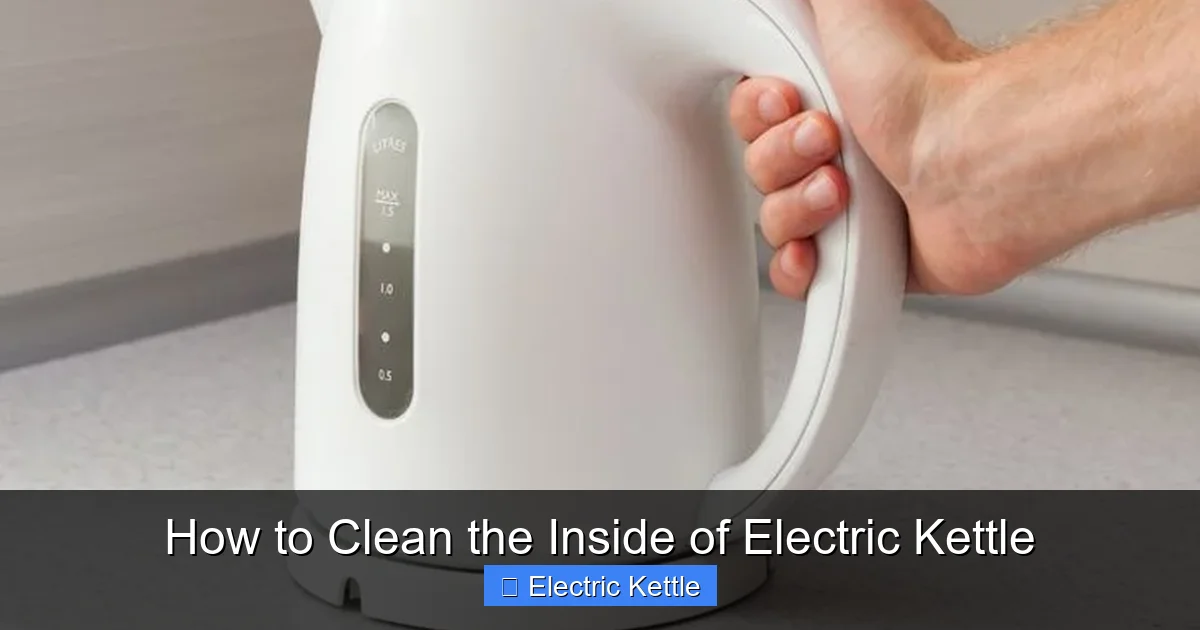
Visual guide about How to Clean the Inside of Electric Kettle
Image source: i.pinimg.com
The harder your water, the faster limescale accumulates. If you live in an area with hard water, you might notice buildup after just a few weeks of use. Soft water areas may go months without visible deposits, but even then, occasional cleaning is wise. Limescale not only looks unappealing but also insulates the heating element, making your kettle work harder and use more electricity.
Other Common Residues
Beyond limescale, other residues can build up inside your kettle. Tea and coffee tannins can leave brown or yellowish stains, especially if you frequently brew dark beverages. These organic compounds don’t dissolve easily and can give your water a slightly bitter aftertaste if not cleaned regularly.
Mold and mildew are less common but possible, especially if the kettle isn’t dried properly after use. The warm, moist environment near the spout and lid is ideal for mold growth. You might notice a musty smell or dark spots. Bacteria can also linger, particularly if the kettle isn’t boiled frequently or is left with standing water.
Even if your water tastes fine and the kettle looks clean, microscopic buildup can still affect performance. That’s why a proactive cleaning routine is better than waiting for visible signs of trouble. Think of it like brushing your teeth—you don’t wait for a cavity to form before cleaning.
Essential Tools and Ingredients for Cleaning
Household Items That Work Wonders
The best part about cleaning your electric kettle is that you probably already have everything you need at home. No need for specialty cleaners or harsh chemicals. Here are the most effective and safe ingredients:
- White vinegar: A natural acid that dissolves limescale quickly and kills bacteria. It’s cheap, non-toxic, and widely available.
- Lemon juice: Contains citric acid, which breaks down mineral deposits and leaves a fresh scent. Great for light cleaning or regular maintenance.
- Baking soda: A gentle abrasive that helps scrub away stains and neutralizes odors. Works well for stubborn spots.
- Water: Plain old water is essential for diluting cleaning solutions and rinsing the kettle thoroughly.
- Soft sponge or cloth: For wiping down the interior without scratching the surface. Avoid steel wool or abrasive pads.
- Toothbrush: Useful for reaching tight spots like the spout, lid hinge, or around the heating element.
What to Avoid
While it’s tempting to use strong cleaners for tough jobs, some products can damage your kettle or leave harmful residues. Avoid:
- Commercial limescale removers: Many contain harsh chemicals like hydrochloric acid, which can corrode metal or plastic parts and leave toxic fumes.
- Bleach or ammonia: These can react with minerals and create dangerous gases. They’re also hard to rinse completely.
- Abrasive scrubbers: Steel wool or harsh scouring pads can scratch the interior, creating grooves where bacteria and scale can hide.
- Submerging the base: Never immerse the electrical base in water. Only clean the interior and removable parts.
Stick to natural, food-safe ingredients. They’re effective, safe, and won’t void your warranty. Plus, they’re better for the environment.
Step-by-Step Guide to Cleaning with Vinegar
Why Vinegar Works So Well
Vinegar is the gold standard for cleaning electric kettles—and for good reason. Its acetic acid content breaks down calcium and magnesium deposits on contact. It’s also antimicrobial, helping to eliminate bacteria and mold. Best of all, it’s safe to use and leaves no harmful residues when rinsed properly.
White distilled vinegar is the best choice because it’s clear and won’t stain. Apple cider vinegar works too, but it has a stronger smell and may leave a slight odor. For most kettles, a 1:1 ratio of vinegar to water is perfect. For heavy buildup, you can use undiluted vinegar, but always follow up with thorough rinsing.
How to Clean with Vinegar
Follow these simple steps to clean your kettle with vinegar:
- Unplug the kettle and let it cool completely. Never clean a hot or plugged-in appliance.
- Mix equal parts white vinegar and water. Fill the kettle to about halfway or up to the maximum fill line, whichever is lower.
- Boil the solution. Turn on the kettle and let it boil. The heat helps the vinegar penetrate and dissolve limescale faster.
- Let it sit. After boiling, turn off the kettle and let the vinegar solution sit for 15–30 minutes. For heavy buildup, you can leave it overnight.
- Scrub if needed. Use a soft sponge or toothbrush to gently scrub the interior, especially around the heating element and spout. The scale should come off easily.
- Empty and rinse. Pour out the vinegar solution and rinse the kettle thoroughly with clean water. Fill it with fresh water, boil it, and pour it out. Repeat this 2–3 times to remove any vinegar taste.
- Wipe the exterior. Use a damp cloth to clean the outside, including the base (without getting water into the electrical parts).
Tips for Best Results
- If your kettle has a removable limescale filter (common in some models), take it out and soak it in vinegar separately.
- For stubborn spots, dip a cloth in vinegar and wrap it around the heating element while the solution sits.
- Don’t worry if you smell vinegar during the first rinse—it will disappear after a few boiling cycles.
- Clean your kettle every 2–4 weeks, or more often if you use it daily with hard water.
Alternative Methods: Lemon Juice and Baking Soda
Cleaning with Lemon Juice
If you prefer a fresher scent or don’t have vinegar on hand, lemon juice is an excellent alternative. Like vinegar, it contains natural acids that dissolve mineral deposits. It’s also gentle on surfaces and leaves a pleasant citrus aroma.
To clean with lemon juice:
- Cut a fresh lemon in half and squeeze the juice into the kettle. Use about 1/4 to 1/2 cup, depending on the size of your kettle.
- Add water to dilute the juice—about twice the amount of juice. For example, 1/2 cup lemon juice + 1 cup water.
- Boil the mixture and let it sit for 15–30 minutes.
- Scrub gently with a soft sponge or toothbrush.
- Rinse thoroughly with clean water and boil fresh water 2–3 times to remove any lemon taste.
Lemon works best for light to moderate buildup. For heavy limescale, vinegar is more effective. But for regular maintenance, lemon is a great choice—especially if you drink a lot of tea or coffee and want to avoid any vinegar aftertaste.
Using Baking Soda for Tough Stains
Baking soda is ideal for tackling stubborn stains, odors, or greasy residues. It’s mildly abrasive, so it helps scrub away buildup without scratching. It also neutralizes acids and odors, making it perfect for kettles that have been used for oily beverages or left with standing water.
To clean with baking soda:
- Mix 1–2 tablespoons of baking soda with a small amount of water to form a thick paste.
- Use a soft cloth or toothbrush to apply the paste to stained areas, especially the bottom and around the spout.
- Let it sit for 10–15 minutes.
- Gently scrub the area, then rinse thoroughly.
- Fill the kettle with clean water, boil it, and pour it out. Repeat 2–3 times.
For extra power, you can combine baking soda with vinegar. Sprinkle baking soda into the kettle, then add vinegar. The fizzing reaction helps loosen deposits. Let it sit for 10 minutes, then scrub and rinse. This combo is great for deep cleaning but should be used sparingly to avoid over-foaming.
Special Considerations for Different Kettle Types
Stainless Steel Kettles
Stainless steel kettles are durable and resistant to rust, but they can still develop limescale and stains. The good news is they’re easy to clean with vinegar or lemon. Avoid abrasive scrubbers that can scratch the polished surface. If your kettle has a brushed finish, use a soft cloth to maintain the texture.
Some stainless steel kettles have a glass window or plastic parts. Be gentle around these areas and avoid soaking plastic components in strong acids for too long. Always rinse thoroughly to prevent any chemical taste.
Glass Kettles
Glass kettles show buildup more clearly, which makes cleaning easier to monitor. However, glass is more fragile, so avoid sudden temperature changes. Don’t pour cold water into a hot glass kettle, and never use metal scrubbers.
Vinegar and lemon work well on glass, but be extra careful when scrubbing. A soft sponge or microfiber cloth is best. If you see cloudiness or etching on the glass, it may be permanent damage from hard water—regular cleaning can prevent this.
Plastic Kettles
Plastic kettles are lightweight and affordable, but they can absorb odors and stains over time. Avoid using undiluted vinegar or strong acids, as they can degrade plastic. Stick to diluted solutions and rinse thoroughly.
Baking soda is a great option for plastic kettles, as it’s gentle and deodorizing. If your plastic kettle starts to smell or discolor, a weekly baking soda soak can help restore it. Always check the manufacturer’s instructions—some plastics aren’t meant for acidic cleaners.
Kettles with Removable Filters
Many modern kettles come with built-in limescale filters, usually located in the spout. These filters trap minerals before they enter your cup. Over time, they can become clogged and need cleaning.
Remove the filter (if possible) and soak it in vinegar or lemon juice for 30 minutes. Use a toothbrush to gently scrub away deposits. Rinse well and reinsert. If the filter is not removable, pour a small amount of vinegar into the spout and let it sit before rinsing.
Maintaining a Clean Kettle: Prevention Tips
Daily Habits That Help
Cleaning your kettle doesn’t have to be a chore. Simple daily habits can prevent buildup and reduce how often you need deep cleaning:
- Empty the kettle after each use. Don’t let water sit overnight—standing water encourages mineral deposits and bacteria growth.
- Wipe the interior with a dry cloth. After boiling, use a soft cloth to wipe the inside while it’s still warm. This removes moisture and prevents scale.
- Use filtered water. If your tap water is hard, consider using filtered or distilled water. This reduces mineral content and slows limescale formation.
- Boil only what you need. Overfilling leads to more evaporation and faster buildup. Boil only the amount of water you’ll use.
Weekly and Monthly Maintenance
Even with good habits, regular cleaning is essential. Set a reminder to clean your kettle every 2–4 weeks, depending on usage and water hardness.
- Weekly: Rinse the interior with water and wipe it dry. Check for early signs of scale.
- Monthly: Perform a full cleaning with vinegar or lemon. This keeps your kettle in peak condition.
- Seasonally: Deep clean with a vinegar soak and inspect the heating element and filter.
If you notice a change in taste, smell, or boiling speed, it’s time to clean—even if it hasn’t been two weeks. Trust your senses.
Common Mistakes to Avoid
Using Harsh Chemicals
It’s tempting to reach for strong cleaners when limescale is stubborn, but this can damage your kettle and pose health risks. Chemical limescale removers often contain acids that can corrode metal, degrade plastic, or leave toxic residues. Always opt for natural, food-safe alternatives.
Submerging the Base
Never immerse the electrical base in water or let water enter the cord or plug area. This can cause short circuits, electric shocks, or permanent damage. Only clean the interior and removable parts. If water gets into the base, unplug the kettle immediately and let it dry completely before use.
Skipping the Rinse
After cleaning, always rinse the kettle thoroughly. Even natural cleaners like vinegar can leave a taste if not rinsed properly. Boil and discard fresh water 2–3 times to ensure no residue remains. This is especially important if you’re sensitive to tastes or smells.
Using Abrasive Tools
Scrubbing with steel wool, metal brushes, or harsh pads can scratch the interior, creating grooves where bacteria and scale can hide. Always use soft sponges, cloths, or toothbrushes. Gentle scrubbing is enough—limescale dissolves easily with the right solution.
Ignoring the Filter
If your kettle has a filter, don’t forget to clean it. A clogged filter reduces water flow and can harbor bacteria. Make it part of your regular cleaning routine.
When to Replace Your Kettle
Even with the best care, electric kettles don’t last forever. Most last 3–5 years, depending on usage and quality. Here are signs it’s time to replace your kettle:
- Persistent limescale: If cleaning no longer removes buildup, the heating element may be damaged.
- Rust or corrosion: Especially around the base or heating coil. This can contaminate water.
- Electrical issues: If the kettle doesn’t heat, turns off randomly, or sparks, stop using it immediately.
- Cracks or leaks: In glass or plastic kettles, cracks can lead to leaks or breakage.
- Strange smells or tastes: If cleaning doesn’t resolve odors or off-flavors, the interior may be degraded.
Investing in a high-quality kettle with a removable filter and easy-clean design can save time and money in the long run. Look for models with stainless steel interiors and transparent water level indicators.
Conclusion
Cleaning the inside of your electric kettle is a simple but essential task that pays off in better-tasting water, faster boiling, and a longer appliance life. Whether you use vinegar, lemon, or baking soda, the process takes just minutes and requires no special tools. Regular maintenance prevents limescale, bacteria, and odors from building up, ensuring your kettle stays fresh and efficient.
By following the steps in this guide, you can keep your kettle in top condition with minimal effort. Remember to clean every few weeks, rinse thoroughly, and avoid harsh chemicals. With a little care, your electric kettle will continue to deliver hot water quickly and safely for years to come. So next time you boil water for tea or coffee, you can enjoy it knowing your kettle is clean, safe, and ready to go.
Frequently Asked Questions
How often should I clean my electric kettle?
Clean your electric kettle every 2–4 weeks, depending on how often you use it and the hardness of your water. If you notice limescale or a change in taste, clean it right away.
Can I use apple cider vinegar instead of white vinegar?
Yes, apple cider vinegar works, but it has a stronger smell and may leave a slight odor. White distilled vinegar is preferred for its clarity and mild scent.
Is it safe to boil vinegar in my kettle?
Yes, boiling vinegar is safe and effective for removing limescale. Just make sure to rinse the kettle thoroughly afterward to remove any vinegar taste.
Can I clean my kettle with bleach?
No, avoid bleach and other harsh chemicals. They can damage the kettle and leave toxic residues. Stick to natural cleaners like vinegar or lemon.
What if my kettle has a plastic interior?
Use diluted vinegar or baking soda to avoid damaging the plastic. Rinse thoroughly and avoid prolonged exposure to strong acids.
How do I clean the heating element?
You can’t directly access most heating elements, but soaking the kettle in vinegar or lemon solution will dissolve scale around it. Gently scrub with a toothbrush if needed.