Keeping your electric water kettle clean is essential for great-tasting water and long-lasting performance. Regular cleaning removes limescale, mineral buildup, and bacteria that can affect both taste and heating efficiency. With simple household ingredients like vinegar or lemon, you can easily maintain a sparkling, odor-free kettle in just a few steps.
Key Takeaways
- Clean your electric kettle regularly: Aim to clean it every 2–4 weeks, depending on water hardness and usage frequency.
- Use natural cleaners like vinegar or lemon: These are safe, effective, and eco-friendly alternatives to harsh chemicals.
- Never submerge the base or electrical parts: Only the interior and removable parts should be cleaned to avoid damage.
- Descale to remove limescale buildup: Mineral deposits reduce heating efficiency and can affect water taste.
- Rinse thoroughly after cleaning: Leftover cleaning solution can leave unpleasant tastes or odors in your water.
- Wipe the exterior with a damp cloth: Keep the outside clean and free from fingerprints and dust.
- Store with the lid open: This allows airflow and prevents musty odors from developing inside.
📑 Table of Contents
- Why Cleaning Your Electric Water Kettle Matters
- Signs Your Electric Kettle Needs Cleaning
- What You’ll Need to Clean Your Electric Kettle
- Step-by-Step Guide to Cleaning Your Electric Kettle
- Cleaning the Exterior and Removable Parts
- How Often Should You Clean Your Electric Kettle?
- Tips for Preventing Buildup and Extending Kettle Life
- Conclusion
Why Cleaning Your Electric Water Kettle Matters
You probably use your electric water kettle every day—maybe even multiple times a day. Whether you’re brewing your morning coffee, steeping a soothing cup of tea, or preparing instant noodles, your kettle is a workhorse in the kitchen. But have you ever stopped to think about what’s building up inside it?
Over time, minerals from tap water—especially in areas with hard water—accumulate on the heating element and interior surfaces. This white, chalky buildup is called limescale, and it’s more than just unsightly. It can slow down heating, reduce energy efficiency, and even affect the taste of your water. Worse yet, stagnant water and moisture can encourage bacteria or mold growth, especially if the kettle isn’t dried properly after use.
Cleaning your electric water kettle isn’t just about aesthetics—it’s about health, performance, and longevity. A clean kettle heats faster, uses less electricity, and delivers better-tasting water. Plus, regular maintenance can extend the life of your appliance, saving you money in the long run. The good news? Cleaning an electric kettle is quick, easy, and doesn’t require expensive tools or chemicals.
Signs Your Electric Kettle Needs Cleaning
You don’t need to wait until your kettle looks like a science experiment to give it a clean. There are several telltale signs that it’s time to roll up your sleeves and get to work.
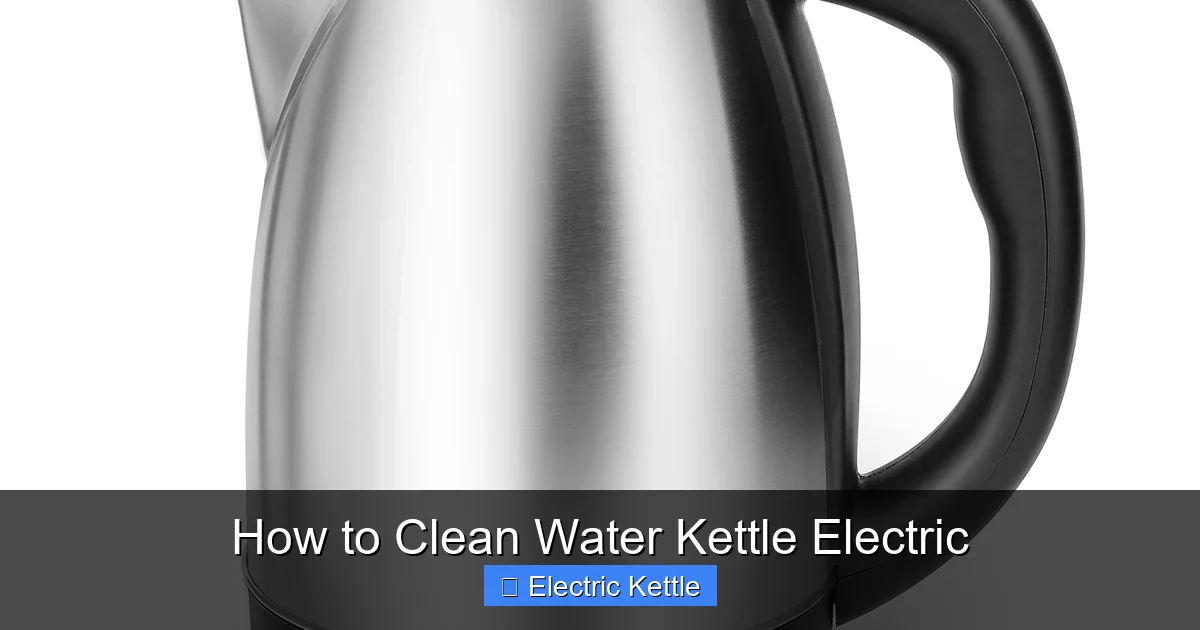
Visual guide about How to Clean Water Kettle Electric
Image source: m.media-amazon.com
Visible Limescale Buildup
The most obvious sign is the presence of white or grayish deposits inside the kettle, especially around the heating element or along the walls. These mineral deposits form when calcium and magnesium in hard water are left behind after evaporation. If you see flaky or crusty residue, it’s definitely time to descale.
Longer Heating Times
Has your kettle started taking longer to boil water than it used to? Limescale acts as an insulator, reducing the efficiency of the heating element. This means your kettle has to work harder and longer to reach boiling point, which can also increase your energy bill.
Unusual Tastes or Odors
If your tea or coffee suddenly tastes off—or if your water has a metallic, bitter, or stale smell—your kettle might be the culprit. Mineral buildup and bacterial growth can alter the flavor of your water, making even the best tea taste disappointing.
Rusty or Discolored Spout
Check the inside of the spout and the lid. If you notice rust spots, brown stains, or discoloration, it could indicate corrosion or mold. This is especially common in kettles with metal interiors that aren’t dried properly after use.
Water Doesn’t Pour Smoothly
If water sputters or comes out in a weak stream, mineral deposits might be clogging the spout or filter. This not only affects usability but can also lead to uneven heating.
Even if you don’t see any of these signs, it’s a good idea to clean your kettle every 2–4 weeks as a preventive measure. If you live in an area with very hard water, you may need to clean it more frequently—perhaps every 1–2 weeks.
What You’ll Need to Clean Your Electric Kettle
The beauty of cleaning an electric water kettle is that you probably already have everything you need at home. No need to run to the store for specialty cleaners—simple, natural ingredients work wonders and are much safer for you and your appliance.
White Vinegar
White vinegar is the gold standard for descaling electric kettles. Its acetic acid content dissolves limescale and mineral deposits effectively. It’s also non-toxic, inexpensive, and readily available. For best results, use distilled white vinegar with at least 5% acidity.
Lemon Juice
If you prefer a fresher scent, lemon juice is a great alternative. The citric acid in lemons works similarly to vinegar in breaking down mineral buildup. Freshly squeezed lemon juice is ideal, but bottled lemon juice works too—just make sure it’s 100% pure with no added sugars or preservatives.
Baking Soda
Baking soda is excellent for tackling stubborn stains and odors. It’s mildly abrasive, so it helps scrub away residue without scratching surfaces. It’s also great for cleaning the exterior and removable parts like filters or lids.
Optional Additions
- Water: You’ll need clean water to dilute your cleaning solution and rinse the kettle afterward.
- Soft cloth or sponge: For wiping the exterior and cleaning non-electrical parts.
- Toothbrush: A soft-bristled toothbrush is perfect for scrubbing hard-to-reach areas like the spout or around the heating element.
- Measuring cup: To ensure you’re using the right ratio of cleaning solution to water.
Avoid using harsh chemicals like bleach, ammonia, or commercial descaling agents unless specifically recommended by your kettle’s manufacturer. These can damage the interior lining, leave toxic residues, or void your warranty. Stick to natural, food-safe options for the safest and most effective clean.
Step-by-Step Guide to Cleaning Your Electric Kettle
Now that you know why cleaning matters and what tools to use, let’s walk through the process step by step. Whether you’re using vinegar, lemon, or a combination, these methods are simple, safe, and highly effective.
Method 1: Vinegar Descaling (Best for Heavy Limescale)
This is the most popular and reliable method for removing limescale from electric kettles. It works especially well if you haven’t cleaned your kettle in a while or if you live in a hard water area.
- Unplug the kettle and let it cool completely. Never clean a hot or recently used kettle—this can cause burns or damage the appliance.
- Mix equal parts white vinegar and water. For a standard 1-liter kettle, use ½ cup (120 ml) of vinegar and ½ cup of water. If your kettle is larger, adjust the ratio accordingly—just keep it 1:1.
- Pour the solution into the kettle. Make sure it covers the heating element and reaches above the level of visible limescale.
- Let it sit for 1–2 hours. For heavy buildup, you can leave it overnight. The longer it sits, the more effective it will be at dissolving mineral deposits.
- Boil the solution. Plug in the kettle and bring the vinegar-water mixture to a boil. This helps accelerate the descaling process.
- Turn off the kettle and let it cool. Allow the solution to sit for another 15–30 minutes to loosen any remaining residue.
- Empty the kettle and scrub gently. Use a soft sponge or toothbrush to scrub the interior, especially around the heating element and spout. Avoid abrasive scrubbers that could scratch the surface.
- Rinse thoroughly. Fill the kettle with clean water, swish it around, and pour it out. Repeat this 2–3 times to ensure all vinegar residue is removed.
- Boil fresh water once or twice. Fill the kettle with clean water, boil it, and discard the water. This helps eliminate any lingering vinegar taste or smell.
After this process, your kettle should be free of limescale and ready to use. You’ll notice faster boiling times and better-tasting water right away.
Method 2: Lemon Juice Cleaning (Great for Light Buildup and Odors)
If your kettle doesn’t have heavy limescale but smells musty or has a slight discoloration, lemon juice is a refreshing alternative.
- Cut a fresh lemon in half and squeeze the juice into the kettle. Use about ¼ to ½ cup (60–120 ml) of juice, depending on the size of your kettle.
- Add water to dilute. Fill the kettle about halfway with water to prevent the lemon juice from becoming too concentrated.
- Let it sit for 30 minutes to 1 hour. For tougher stains, you can leave it longer.
- Boil the mixture. Bring the lemon-water solution to a boil, then turn off the kettle and let it cool.
- Scrub and rinse. Use a soft brush to scrub the interior, then rinse thoroughly with clean water.
- Boil fresh water once. This removes any remaining lemon taste and ensures your next cup of tea tastes pure.
Lemon not only cleans but also leaves a pleasant, fresh scent. It’s perfect for regular maintenance between deep cleans.
Method 3: Baking Soda for Stains and Odors
Baking soda is ideal for tackling odors, discoloration, and light mineral buildup. It’s also great for cleaning the exterior and removable parts.
- Make a paste. Mix 1–2 tablespoons of baking soda with a small amount of water to form a thick paste.
- Apply to stained areas. Use a soft cloth or toothbrush to gently scrub the interior, spout, or lid. Focus on any brown or yellow stains.
- Let it sit for 15–20 minutes. This gives the baking soda time to break down grime and odors.
- Rinse thoroughly. Wash out the kettle with clean water, making sure no baking soda residue remains.
- Boil water once. Fill the kettle with fresh water, boil, and discard to remove any lingering taste.
For the exterior, simply dampen a cloth with water, sprinkle a little baking soda on it, and wipe down the outside of the kettle. This removes fingerprints, dust, and light stains without scratching the surface.
Method 4: Vinegar and Baking Soda Combo (For Extra Power)
If your kettle is particularly dirty, you can combine vinegar and baking soda for a powerful cleaning boost. This method creates a fizzing reaction that helps lift stubborn deposits.
- Add ½ cup vinegar to the kettle. Pour it in and let it sit for 10 minutes.
- Add 1–2 tablespoons of baking soda. The mixture will fizz—this is normal and helps break down grime.
- Let it sit for 30 minutes. The fizzing action will help dislodge limescale and stains.
- Scrub and rinse. Use a soft brush to scrub the interior, then rinse thoroughly.
- Boil fresh water once. This ensures no cleaning residue remains.
This combo method is especially useful for kettles that haven’t been cleaned in months or those used with very hard water.
Cleaning the Exterior and Removable Parts
While the interior gets most of the attention, don’t forget about the outside of your kettle and any detachable components. These parts can collect dust, fingerprints, and even bacteria, especially if handled frequently.
Wiping Down the Exterior
Use a soft, damp cloth to wipe the outside of the kettle. For stainless steel models, you can use a bit of mild dish soap if needed. Avoid abrasive sponges or harsh cleaners that could scratch the surface. Dry with a clean towel to prevent water spots.
For plastic exteriors, stick to water or a mild soap solution. Never use solvents or bleach, as they can degrade the material over time.
Cleaning the Lid and Spout
The lid and spout are common areas for mold and mineral buildup, especially if water splashes inside during boiling. Remove the lid if possible and wash it separately with warm, soapy water. Use a toothbrush to clean around the hinges and seals.
For the spout, run a pipe cleaner or small brush through it to remove any clogs. If your kettle has a built-in filter, remove it and rinse it under running water. Soak it in vinegar if it’s particularly dirty.
Drying and Storing Properly
After cleaning, always dry the interior and exterior thoroughly. Leave the lid open for a few hours to allow airflow and prevent musty odors. Never store your kettle with water inside—this can lead to bacterial growth and unpleasant smells.
If you won’t be using the kettle for a while, store it in a dry, cool place with the lid off. This helps maintain freshness and prevents moisture buildup.
How Often Should You Clean Your Electric Kettle?
The frequency of cleaning depends on several factors, including how often you use your kettle and the hardness of your water.
- Light use (1–2 times per week): Clean every 4–6 weeks.
- Moderate use (daily): Clean every 2–4 weeks.
- Heavy use (multiple times per day): Clean every 1–2 weeks.
- Hard water areas: Clean every 1–2 weeks, regardless of usage.
If you notice any of the signs mentioned earlier—like slower boiling or odd tastes—clean your kettle right away, even if it hasn’t been the full recommended time.
Regular maintenance not only keeps your kettle in top condition but also ensures that every cup of tea or coffee tastes as good as it should.
Tips for Preventing Buildup and Extending Kettle Life
Cleaning is important, but prevention is even better. Here are some simple habits that can help keep your electric kettle cleaner for longer.
Use Filtered Water
Filtered water contains fewer minerals, which means less limescale buildup. If you have a water filter pitcher or a faucet filter, use it to fill your kettle. This small change can significantly reduce the need for frequent descaling.
Empty the Kettle After Each Use
Don’t let water sit in the kettle overnight. Stagnant water promotes bacterial growth and accelerates mineral deposits. After boiling, pour out any unused water and leave the lid open to dry.
Avoid Overfilling
Only boil the amount of water you need. Overfilling can cause water to splash into areas it shouldn’t, like the base or electrical components. It also increases the amount of mineral residue left behind.
Wipe the Interior Weekly
Even if you don’t do a full clean, give the inside a quick wipe with a damp cloth once a week. This removes light residue and prevents buildup from becoming a bigger problem.
Check the Manufacturer’s Instructions
Some kettles have specific cleaning recommendations. Always refer to the user manual to avoid voiding your warranty or damaging sensitive parts.
By following these tips, you’ll keep your kettle running smoothly and tasting great for years to come.
Conclusion
Cleaning your electric water kettle might seem like a small task, but it has a big impact on your daily routine. A clean kettle means better-tasting water, faster boiling times, and a healthier kitchen environment. With simple ingredients like vinegar, lemon, and baking soda, you can easily maintain your appliance without spending money on harsh chemicals.
Whether you’re dealing with stubborn limescale or just want to freshen things up, regular cleaning is the key. Make it a habit—every few weeks or whenever you notice signs of buildup—and your kettle will thank you with reliable performance and great-tasting results. So the next time you boil water for your morning tea, you can sip with confidence, knowing your kettle is as clean as it is efficient.
Frequently Asked Questions
Can I use apple cider vinegar to clean my electric kettle?
It’s not recommended. Apple cider vinegar contains pigments and sugars that can leave stains or odors in your kettle. Stick to distilled white vinegar for the best results.
Is it safe to boil vinegar in my electric kettle?
Yes, boiling vinegar is safe and effective for descaling. Just make sure to rinse the kettle thoroughly afterward and boil fresh water once to remove any lingering taste.
How do I clean a kettle with a non-removable heating element?
Use the vinegar or lemon method as described. Pour the solution in, let it sit, boil, and scrub gently with a soft brush. Avoid forcing tools into tight spaces to prevent damage.
Can I clean my electric kettle with bleach?
No, bleach is too harsh and can damage the interior lining or leave toxic residues. Always use food-safe, natural cleaners like vinegar or lemon juice.
Why does my kettle still smell after cleaning?
This could be due to trapped moisture or bacteria in the spout or lid. Make sure to dry the kettle completely and clean removable parts separately. Boiling fresh water a few times can also help.
How do I know if my kettle is too damaged to clean?
If the interior is heavily corroded, has deep rust, or the heating element is exposed, it may be time to replace the kettle. Regular cleaning can prevent these issues, but severe damage compromises safety and performance.