White residue in your electric kettle is usually limescale buildup from hard water, but it’s easy to remove with natural cleaners like vinegar or lemon. Regular cleaning not only improves taste and performance but also extends your kettle’s lifespan.
Key Takeaways
- White residue is limescale: Caused by mineral deposits like calcium and magnesium in hard water, it accumulates over time.
- Vinegar is the best cleaner: A 1:1 mix of white vinegar and water effectively dissolves limescale without harsh chemicals.
- Lemon juice works too: Natural citric acid in lemons helps break down residue and leaves a fresh scent.
- Clean regularly: Wiping down your kettle weekly prevents heavy buildup and maintains efficiency.
- Avoid abrasive tools: Scrubbing with steel wool or harsh brushes can scratch the interior and damage coatings.
- Rinse thoroughly: Always rinse multiple times after cleaning to remove any cleaning solution residue.
- Prevent future buildup: Use filtered water and descale monthly to keep your kettle in top condition.
📑 Table of Contents
- Why Is There White Residue in My Electric Kettle?
- How to Clean White Residue from Electric Kettle with Vinegar
- Alternative Cleaning Methods for White Residue
- How Often Should You Clean Your Electric Kettle?
- Cleaning Different Types of Electric Kettles
- Common Mistakes to Avoid When Cleaning
- How to Prevent White Residue in the Future
- Conclusion
Why Is There White Residue in My Electric Kettle?
If you’ve noticed a chalky white film or crusty deposits inside your electric kettle, you’re not alone. This common issue affects nearly every kettle user, especially those in areas with hard water. The white residue is called limescale, and it forms when minerals like calcium and magnesium—naturally present in tap water—are left behind after the water evaporates during boiling.
Every time you heat water in your kettle, some of it turns to steam and escapes, but the minerals stay behind. Over weeks and months, these tiny particles accumulate on the heating element, the walls, and the bottom of the kettle. What starts as a faint haze can quickly turn into a thick, crusty layer that’s not only unsightly but can also affect how your kettle performs.
Limescale buildup can reduce heating efficiency because it acts as an insulator, forcing your kettle to work harder and use more energy to boil water. In severe cases, it can even cause strange noises, slow heating, or a metallic taste in your tea or coffee. That’s why it’s important to clean your kettle regularly—not just for appearance, but for performance and safety.
What Causes Hard Water and Limescale?
Hard water is the main culprit behind limescale. It contains high levels of dissolved minerals, especially calcium carbonate and magnesium. These minerals are harmless to drink—in fact, some people prefer the taste—but they become problematic when heated.
When water reaches boiling point, the minerals precipitate out of the solution and cling to surfaces. This is why you’ll often see limescale around faucets, showerheads, and inside kettles. The harder your water, the faster the buildup. If you live in an area with particularly hard water—common in regions with limestone-rich soil—you may notice residue forming in just a few weeks.
You can test your water hardness using a home test kit or by checking local water reports. If your water is hard, you’ll likely need to clean your kettle more frequently than someone with soft water.
Is Limescale Dangerous?
The good news is that limescale itself isn’t harmful to your health. It’s just mineral deposits, and drinking small amounts won’t hurt you. However, it can harbor bacteria if left uncleaned for long periods, especially in the nooks around the spout or lid.
More importantly, limescale can damage your kettle over time. It can clog the heating element, reduce heat transfer, and even cause overheating in extreme cases. Some kettles have protective coatings or filters to reduce buildup, but no kettle is immune if not maintained.
So while the white residue isn’t a health hazard, it’s definitely a maintenance issue. Cleaning it promptly keeps your kettle running smoothly and your drinks tasting fresh.
How to Clean White Residue from Electric Kettle with Vinegar
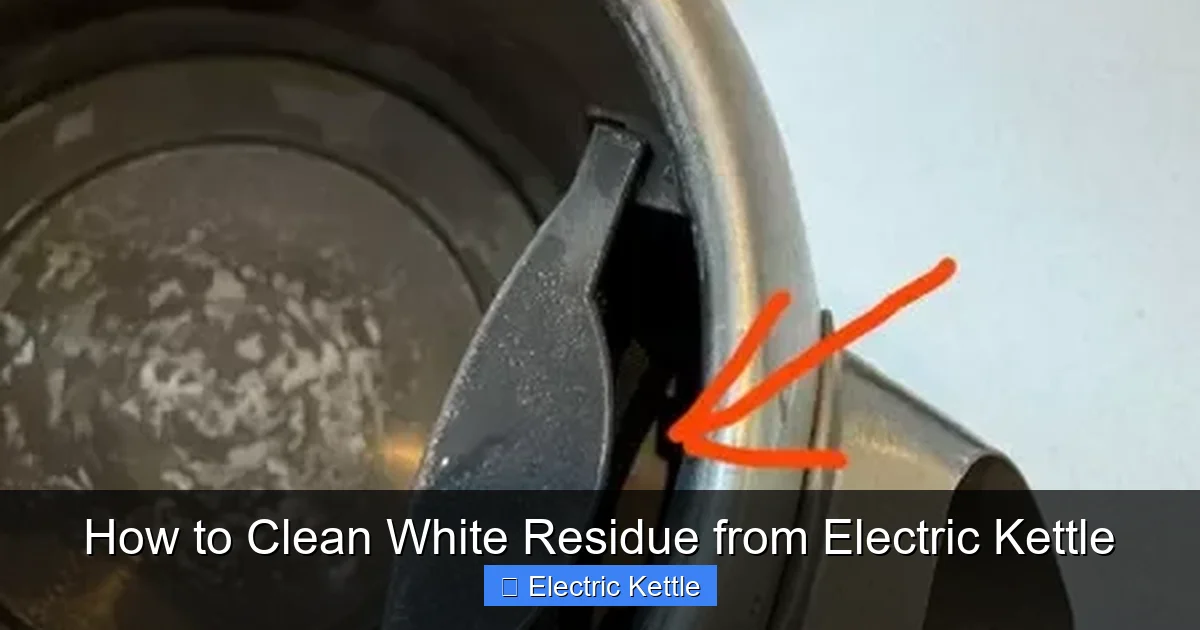
Visual guide about How to Clean White Residue from Electric Kettle
Image source: irrorwxhiqijjr5q.ldycdn.com
The most effective and widely recommended method for cleaning limescale from an electric kettle is using white vinegar. It’s affordable, non-toxic, and readily available in most households. Vinegar contains acetic acid, which reacts with calcium carbonate in limescale and breaks it down into water-soluble compounds that can be easily rinsed away.
This method works on both stainless steel and plastic kettles, though you should always check your manufacturer’s guidelines first. Most modern kettles are safe for vinegar cleaning, but some coated or specialty models may require gentler care.
Step-by-Step Vinegar Cleaning Method
Here’s how to clean your electric kettle using vinegar:
1. **Unplug the kettle and let it cool completely.** Never clean a hot or recently used kettle, as sudden temperature changes can damage it.
2. **Mix equal parts white vinegar and water.** For a standard 1-liter kettle, use ½ cup of vinegar and ½ cup of water. If your kettle is larger, adjust the ratio accordingly—just keep it 1:1.
3. **Pour the solution into the kettle.** Make sure it covers the areas with the most buildup, especially the heating element at the bottom.
4. **Let it soak for 1–2 hours.** For light buildup, 1 hour is usually enough. For heavy, crusty residue, leave it overnight. The longer it sits, the more effective the cleaning.
5. **Boil the vinegar solution.** After soaking, plug in the kettle and bring the mixture to a boil. This helps loosen stubborn deposits and speeds up the reaction.
6. **Turn off and let it sit again.** Once boiled, unplug the kettle and allow it to sit for another 15–30 minutes. This gives the vinegar more time to work.
7. **Scrub gently if needed.** Use a soft sponge or brush to wipe away any remaining residue. Avoid abrasive scrubbers that can scratch the surface.
8. **Rinse thoroughly.** Pour out the vinegar solution and rinse the kettle 3–4 times with clean water. Any leftover vinegar taste can affect your drinks, so rinsing well is crucial.
9. **Run a clean water cycle.** Fill the kettle with fresh water, boil it, and pour it out. This helps remove any lingering vinegar odor or taste.
10. **Dry and store.** Wipe the exterior with a clean cloth and let the interior air dry before using again.
Tips for Best Results
– Use distilled white vinegar for the strongest effect. Avoid apple cider or colored vinegars, as they can stain.
– If your kettle has a removable limescale filter, take it out and soak it separately in vinegar.
– For extra cleaning power, add a tablespoon of baking soda after the vinegar soak. The fizzing reaction helps lift stubborn deposits.
– Never use vinegar on kettles with non-stick coatings unless specified by the manufacturer.
Alternative Cleaning Methods for White Residue
While vinegar is the gold standard, it’s not the only option. Some people prefer natural alternatives due to smell, availability, or sensitivity to vinegar. Here are a few effective substitutes:
Lemon Juice Method
Lemon juice is another excellent natural cleaner thanks to its high citric acid content. It works similarly to vinegar but leaves a fresher scent.
To clean with lemon juice:
– Cut a lemon in half and squeeze the juice into the kettle.
– Add enough water to cover the affected areas.
– Let it soak for 1–2 hours, then boil the mixture.
– Allow it to sit for another 30 minutes before rinsing thoroughly.
For extra power, you can add the lemon rinds to the solution—they help scrub the interior as they move around during boiling.
Baking Soda Paste for Stubborn Spots
Baking soda is mildly abrasive and alkaline, making it great for scrubbing away tough residue without scratching.
Make a paste by mixing 2–3 tablespoons of baking soda with a small amount of water. Apply the paste directly to the limescale using a soft cloth or sponge. Gently scrub the affected areas, then rinse well. For best results, follow up with a vinegar soak to dissolve any remaining minerals.
Commercial Descaling Solutions
If you prefer a ready-made product, there are many commercial descaling solutions available. Brands like Durgol, Viakal, and CLR offer kettle-safe formulas that are effective and convenient.
Always follow the instructions on the label. Most require diluting the solution with water, boiling it, soaking, and rinsing multiple times. These products are often stronger than vinegar, so use them sparingly and only when necessary.
Why Avoid Harsh Chemicals?
While strong cleaners like bleach or drain cleaner might seem tempting, they’re not safe for kettles. These chemicals can leave toxic residues, damage internal components, and pose serious health risks if not rinsed completely.
Stick to food-safe, natural cleaners like vinegar, lemon, or baking soda. They’re effective, affordable, and safe for repeated use.
How Often Should You Clean Your Electric Kettle?
The frequency of cleaning depends on how often you use your kettle and the hardness of your water. As a general rule:
– **Soft water users:** Clean every 2–3 months.
– **Moderate hard water:** Clean monthly.
– **Very hard water:** Clean every 2–3 weeks.
If you notice a white film or hear unusual noises when boiling, it’s time to clean—even if it hasn’t been a full month. Regular maintenance prevents heavy buildup and keeps your kettle in peak condition.
Signs It’s Time to Clean
Watch for these indicators:
– Visible white or gray deposits inside the kettle.
– Slow heating or longer boiling times.
– A metallic or off taste in your tea or coffee.
– Gurgling or popping sounds during boiling.
– Water takes longer to reach a full boil.
Cleaning at the first sign of buildup is much easier than tackling a thick, crusty layer later.
Preventive Maintenance Tips
You can reduce limescale buildup with a few simple habits:
– **Use filtered water.** This removes some minerals before they enter the kettle.
– **Empty the kettle after each use.** Don’t let water sit overnight, as this encourages mineral deposits.
– **Wipe the interior weekly.** A quick rinse and wipe with a damp cloth can prevent early buildup.
– **Descale monthly.** Even if you don’t see residue, a quick vinegar rinse keeps things clean.
Cleaning Different Types of Electric Kettles
Not all kettles are the same, and cleaning methods may vary slightly depending on the material and design.
Stainless Steel Kettles
Stainless steel is durable and resistant to stains, but it can still accumulate limescale. Vinegar and lemon methods work well. Avoid abrasive pads that can scratch the shiny surface. Use a soft sponge or microfiber cloth for scrubbing.
Plastic Kettles
Plastic is lightweight and affordable but can absorb odors and stains over time. Vinegar is safe, but rinse thoroughly to avoid a sour taste. Avoid high-heat boiling of vinegar in plastic kettles, as it may release fumes. Instead, soak and scrub without boiling if concerned.
Glass Kettles
Glass allows you to see buildup clearly, making it easier to clean early. Use vinegar or lemon, but be gentle—glass can scratch. Avoid sudden temperature changes to prevent cracking.
Kettles with Non-Stick Coatings
Some kettles have interior coatings to reduce buildup. Check the manual before using vinegar, as acidic cleaners can degrade certain coatings over time. If unsure, use a mild baking soda paste or a commercial descaler labeled as safe for coated surfaces.
Kettles with Removable Filters
Many kettles have mesh filters at the spout to catch limescale. Remove and clean these regularly. Soak them in vinegar or scrub with a toothbrush to remove trapped minerals.
Common Mistakes to Avoid When Cleaning
Even with the best intentions, it’s easy to make mistakes that can damage your kettle or reduce its lifespan.
Using Steel Wool or Harsh Scrubbers
Scrubbing with steel wool, wire brushes, or abrasive pads can scratch the interior, creating grooves where bacteria and residue can hide. Always use soft sponges, brushes, or cloths.
Not Rinsing Thoroughly
Leftover vinegar or lemon juice can affect the taste of your drinks. Rinse at least 3–4 times and run a clean water boil to be safe.
Boiling Vinegar in Plastic Kettles
While soaking is fine, boiling vinegar in plastic can release strong fumes and potentially degrade the material. If you must boil, ensure good ventilation and consider using lemon instead.
Ignoring the Exterior
Limescale and water spots can also build up on the outside. Wipe the exterior with a damp cloth and a drop of vinegar or dish soap. Dry with a soft towel to prevent water spots.
Overlooking the Lid and Spout
Minerals can accumulate around the lid seal and spout. Use a cotton swab dipped in vinegar to clean these tight spaces.
How to Prevent White Residue in the Future
Cleaning is important, but prevention is even better. Here’s how to keep your kettle residue-free:
Use Filtered or Distilled Water
Filtered water has fewer minerals, reducing limescale formation. Distilled water is the purest option but can be more expensive for daily use.
Install a Water Softener
If you have very hard water, a whole-house water softener can reduce mineral content throughout your home, benefiting all appliances.
Descale Monthly
Even with soft water, a quick monthly vinegar rinse prevents buildup and keeps your kettle running efficiently.
Empty and Dry After Use
Don’t leave water sitting in the kettle. Empty it after each use and leave the lid open to air dry.
Choose a Kettle with a Limescale Filter
Some kettles come with built-in filters that trap minerals. These can significantly reduce buildup and are easy to clean.
Conclusion
White residue in your electric kettle is a common but manageable issue. Caused by limescale from hard water, it can affect performance, taste, and longevity if left unchecked. The good news is that cleaning it is simple, safe, and inexpensive—especially with natural solutions like white vinegar or lemon juice.
By cleaning your kettle regularly, using the right methods, and adopting preventive habits, you can keep it spotless and efficient for years. Whether you prefer the classic vinegar soak or a fresh lemon rinse, the key is consistency. A few minutes of maintenance each month can save you from costly repairs or replacements down the line.
So the next time you spot that chalky film, don’t panic—just grab a bottle of vinegar and give your kettle the care it deserves. Your tea will taste better, your kettle will last longer, and you’ll enjoy peace of mind knowing your appliance is clean and safe.
Frequently Asked Questions
What causes white residue in an electric kettle?
The white residue is limescale, formed by mineral deposits like calcium and magnesium in hard water. It builds up over time as water evaporates during boiling.
Can I use vinegar to clean my electric kettle?
Yes, white vinegar is one of the safest and most effective cleaners for limescale. Mix equal parts vinegar and water, soak, boil, and rinse thoroughly.
How often should I clean my electric kettle?
Clean monthly if you have hard water, or every 2–3 months with soft water. Clean sooner if you notice buildup or taste changes.
Is it safe to boil vinegar in a plastic kettle?
Soaking is safe, but boiling vinegar in plastic may release fumes. Use lemon juice instead or ensure good ventilation if boiling vinegar.
Can limescale make me sick?
No, limescale isn’t harmful to drink, but it can harbor bacteria if not cleaned. It’s more of a maintenance issue than a health risk.
What if my kettle has a non-stick coating?
Check the manufacturer’s guidelines. Some non-stick coatings can be damaged by vinegar. Use baking soda or a commercial descaler labeled as safe.