You can cook more than just water in an electric kettle—think oatmeal, eggs, pasta, and even soup! With a few simple techniques, your kettle becomes a mini kitchen. This guide shows you safe, delicious ways to cook food in electric kettle setups without extra appliances.
Key Takeaways
- Safety first: Always check your kettle’s design—only use models with an open top or removable lid for cooking solid foods.
- Start simple: Begin with no-cook or quick-cook items like instant oats, ramen, or boiled eggs before trying complex recipes.
- Use heat-safe containers: For foods that need simmering (like rice or soup), place a small glass or silicone bowl inside the kettle.
- Don’t overfill: Leave at least 1 inch of space below the max fill line to prevent boiling over and electrical hazards.
- Clean thoroughly: Food residue can damage your kettle or affect future brews—rinse immediately after use.
- Great for small spaces: Ideal for dorm rooms, offices, RVs, or travel where full kitchens aren’t available.
- Energy-efficient cooking: Electric kettles heat water faster and use less energy than stovetops or microwaves.
📑 Table of Contents
- Can You Really Cook Food in an Electric Kettle?
- Is It Safe to Cook Food in an Electric Kettle?
- Best Foods to Cook in an Electric Kettle
- Step-by-Step Guide: How to Cook Food in Electric Kettle
- Creative Recipes You Can Make in Your Electric Kettle
- Cleaning and Maintenance Tips
- Who Should Try Cooking in an Electric Kettle?
- Final Thoughts: Smart, Simple, and Surprisingly Versatile
Can You Really Cook Food in an Electric Kettle?
Yes—you absolutely can! While electric kettles are designed primarily for boiling water, their fast-heating elements and enclosed design make them surprisingly versatile for preparing simple meals. Think of your kettle not just as a tea-maker, but as a compact, energy-efficient cooking tool perfect for quick bites when you’re short on time, space, or appliances.
From college students in dorm rooms to remote workers in tiny apartments, people around the world have discovered creative ways to cook food in electric kettle units. Whether you’re whipping up a hearty bowl of oatmeal at 7 a.m. or reheating leftover soup during your lunch break, your kettle can handle it—safely and efficiently—with the right approach. The key is understanding your kettle’s limits and using smart techniques to expand its culinary potential.
Is It Safe to Cook Food in an Electric Kettle?
Safety should always come first. Not all electric kettles are created equal when it comes to cooking solid foods. Most standard kettles have an internal heating element covered by a metal plate (often stainless steel), and some feature fully enclosed bases with automatic shut-off features. These are generally safe for boiling water—but adding food changes the game.
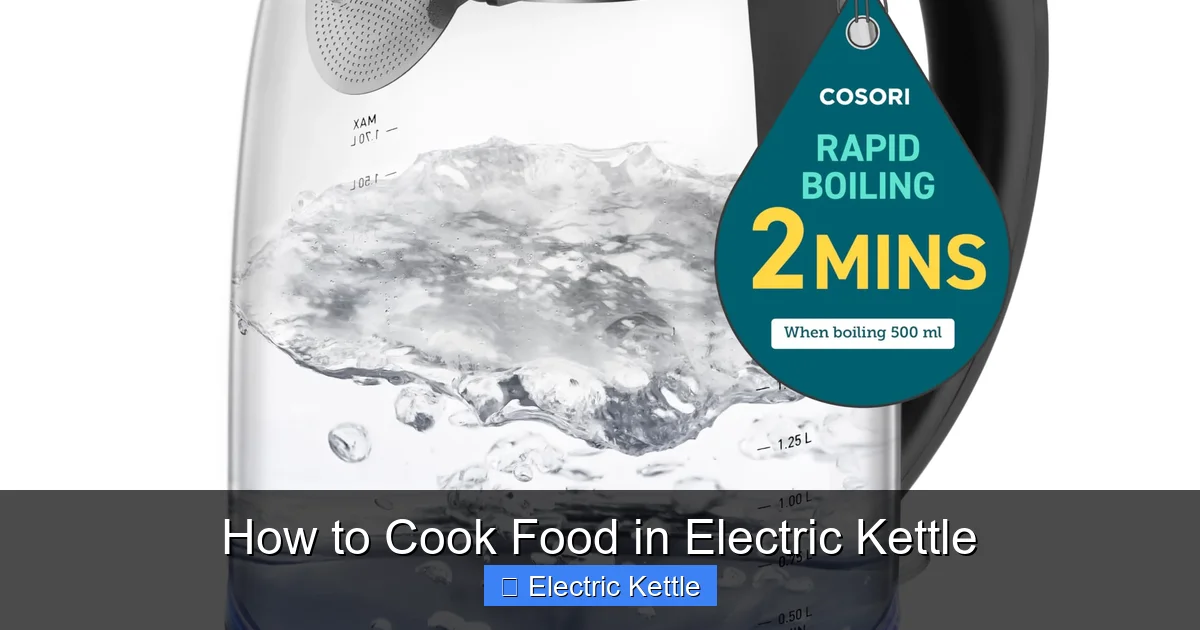
Visual guide about How to Cook Food in Electric Kettle
Image source: m.media-amazon.com
Check Your Kettle’s Design
Before you drop an egg into your kettle, inspect its build. Kettles with a wide opening and removable or flip-top lids are best for cooking. Avoid models where the lid seals tightly or where the heating element is exposed—these can trap steam, cause pressure buildup, or lead to splattering. If your kettle has a built-in filter or mesh screen near the spout, be extra cautious, as food particles can clog it.
Avoid Overheating and Boil-Overs
Adding food—especially starchy items like pasta or oatmeal—increases the risk of boil-over. This isn’t just messy; it can damage the kettle’s electrical components or create a slipping hazard. To prevent this, never fill your kettle beyond the “max” line, and consider using only ¾ of its capacity when cooking. Also, stay nearby while it’s heating—don’t walk away!
Use Food-Safe Materials Only
Never use metal utensils inside your kettle, as they can scratch the interior coating or damage the heating element. Stick to silicone, wood, or heat-resistant plastic tools if stirring is needed. And always ensure any containers you place inside (like a small glass bowl) are oven- and heat-safe.
Best Foods to Cook in an Electric Kettle
Not every dish belongs in your kettle—but many surprisingly do! The golden rule: choose foods that cook quickly in boiling water or require minimal simmering. Here are some of the most popular and practical options.
Instant Oatmeal and Porridge
This is perhaps the easiest and most common use. Simply add rolled oats (not steel-cut—they take too long) and water or milk to your kettle. Heat until boiling, then let it sit for 2–3 minutes. Add cinnamon, honey, or fruit after cooking. Pro tip: Use a 1:2 ratio of oats to liquid for creamy results.
Ramen Noodles and Instant Soups
College students have been doing this for decades—and for good reason. Break the noodles slightly to fit, add seasoning, pour in water, and boil. Most instant ramen cooks in under 5 minutes. For extra flavor, add a beaten egg during the last minute of cooking—it’ll poach perfectly in the hot broth.
Hard-Boiled or Soft-Boiled Eggs
Yes, you can boil eggs in your kettle! Place eggs gently in the bottom (don’t stack them), cover with cold water (about 1 inch above the eggs), and boil for 6–12 minutes depending on desired doneness. Immediately transfer to ice water to stop cooking. Note: This works best in kettles with wide openings—avoid narrow-neck models.
Cooked Grains Like Rice or Quinoa
While not ideal for large batches, you can cook small portions (½ cup or less) of quick-cooking grains. Use a heat-safe glass or silicone bowl placed inside the kettle filled with water. The steam and hot water will cook the grains gently. Add a pinch of salt and a drizzle of oil to prevent sticking.
Steamed Vegetables
Chop veggies like broccoli, carrots, or green beans into small pieces. Place them in a heat-resistant bowl set inside the kettle, add a little water to the kettle base (not touching the bowl), and close the lid. Steam for 5–8 minutes. This method preserves nutrients better than boiling.
Reheating Leftovers
Got cold soup, stew, or chili? Pour it into a microwave-safe container that fits inside your kettle, add a splash of water to create steam, and heat in 1–2 minute intervals. Stir between cycles to ensure even warming. Never reheat dairy-heavy dishes (like cream soups) unless you’re careful—they can scorch easily.
Step-by-Step Guide: How to Cook Food in Electric Kettle
Ready to give it a try? Follow these simple steps for safe, successful kettle cooking every time.
Step 1: Choose the Right Recipe
Start with something foolproof—like instant oatmeal or ramen. Once you’re comfortable, experiment with eggs or steamed veggies. Avoid recipes requiring prolonged simmering or browning (your kettle isn’t a skillet!).
Step 2: Prep Your Ingredients
Chop, measure, and portion everything beforehand. Since kettle cooking is fast, there’s no time to fumble with packaging mid-boil. If using a separate container (for rice or soup), make sure it fits comfortably without touching the heating element.
Step 3: Add Water and Food
Pour in cold water first—this prevents mineral buildup on the heating coil. Then add your food. For liquids like soup, fill the container about ¾ full to allow for expansion. For dry ingredients like oats, use the recommended water ratio.
Step 4: Heat and Monitor
Close the lid and turn on the kettle. Stay close! Most foods cook in 3–8 minutes. If your kettle auto-shuts off after boiling, that’s normal—but some foods (like eggs) may need a second boil cycle. Use a timer to track doneness.
Step 5: Serve and Clean
Carefully remove your food using oven mitts—the kettle and contents will be very hot. Pour out any remaining water and rinse the interior immediately. Wipe the exterior with a damp cloth. Never submerge the base in water.
Creative Recipes You Can Make in Your Electric Kettle
Let’s get practical! Here are five tested-and-tried recipes that work beautifully in most standard electric kettles.
Creamy Coconut Oatmeal
Ingredients: ½ cup rolled oats, 1 cup water, ¼ cup coconut milk, pinch of salt, dash of vanilla, toasted coconut flakes (optional).
Method: Combine oats, water, coconut milk, and salt in the kettle. Boil, then let sit for 3 minutes. Stir in vanilla and top with toasted coconut. Creamy, tropical, and ready in under 10 minutes!
Spicy Kimchi Ramen
Ingredients: 1 pack instant ramen, 1 tbsp gochujang (Korean chili paste), ½ cup chopped kimchi, 1 green onion (sliced), 1 soft-boiled egg (cooked separately in kettle).
Method: Boil ramen noodles with seasoning and gochujang. In the last minute, add kimchi. Serve topped with green onion and egg. Fiery, tangy, and deeply satisfying.
Steamed Edamame with Sea Salt
Ingredients: 1 cup frozen edamame in pods, 1 cup water, sea salt to taste.
Method: Place edamame in a heat-safe bowl. Add water to kettle (not touching bowl), set bowl inside, cover, and steam for 6 minutes. Sprinkle with salt and enjoy as a protein-rich snack.
Mini Lentil Soup
Ingredients: ¼ cup red lentils, 1 cup water, ½ tsp turmeric, ¼ tsp cumin, salt, lemon wedge.
Method: Rinse lentils and add to a small pot or heat-safe container. Pour in water and spices. Place inside kettle with a little water in the base. Heat in 2-minute intervals, stirring once, until lentils are tender (about 8 minutes). Finish with a squeeze of lemon.
Poached Eggs with Herbs
Ingredients: 2 eggs, 2 cups water, pinch of salt, fresh dill or chives (optional).
Method: Bring water to a boil. Crack eggs gently into the kettle (use a spoon to create a whirlpool if needed). Boil for 3–4 minutes for runny yolks. Remove with a slotted spoon, sprinkle with herbs, and serve on toast.
Cleaning and Maintenance Tips
Cooking food in your electric kettle means more cleanup than usual—but it’s totally manageable with the right habits.
Immediate Rinse Is Key
After each use, rinse the interior with warm water as soon as it’s cool enough to handle. Dried food residue can stain or affect the taste of future brews. For stubborn bits, soak with warm soapy water for 10–15 minutes, then wipe with a soft sponge.
Deep Clean Monthly
Once a month, descale your kettle using a 1:1 vinegar-water solution. Boil it, let it sit for 30 minutes, then rinse thoroughly. This removes mineral buildup and keeps your kettle efficient—especially important if you live in a hard-water area.
Avoid Harsh Cleaners
Never use abrasive scrubbers, steel wool, or chemical cleaners inside your kettle. These can damage the interior coating and leave toxic residues. Stick to mild dish soap and soft cloths.
Check the Filter Regularly
If your kettle has a mesh filter (common in pour-over styles), remove and rinse it after cooking food. Clogged filters reduce flow and can cause overheating.
Who Should Try Cooking in an Electric Kettle?
This method isn’t just for college kids—though they’re definitely the biggest fans! Anyone with limited kitchen access can benefit.
Students: Dorm rooms often ban hot plates, but kettles are usually allowed. Perfect for midnight study snacks or quick breakfasts.
Office Workers: Reheat lunch without hogging the microwave. Make tea and a warm soup in one appliance.
Travelers: Many hotels provide kettles—use them to cook simple meals instead of relying on overpriced room service.
Minimalists: If you live in a tiny home or RV, every appliance counts. A kettle that doubles as a cooker saves space and money.
Emergency Preppers: During power outages (if using a backup power source), a kettle can be a lifeline for hot meals.
Final Thoughts: Smart, Simple, and Surprisingly Versatile
Cooking food in an electric kettle isn’t about replacing your stove—it’s about expanding what your kitchen (or lack thereof) can do. With a little creativity and caution, this humble appliance becomes a powerhouse for quick, nutritious meals. From creamy oatmeal to steamed veggies and poached eggs, the possibilities are broader than most people realize.
Remember: start simple, prioritize safety, and clean thoroughly. Your kettle will thank you—and so will your taste buds. Whether you’re fueling a late-night study session or enjoying a quiet lunch at your desk, your electric kettle is ready to serve more than just hot water. So go ahead—give it a stir, press that button, and discover a whole new way to cook.
Frequently Asked Questions
Can I cook raw meat in an electric kettle?
No, it’s not recommended. Electric kettles aren’t designed to reach or maintain the consistent high temperatures needed to safely cook raw meat like chicken or beef. There’s also a high risk of cross-contamination and uneven cooking.
Will cooking food ruin my electric kettle?
Not if you clean it properly after each use. Food residue can affect taste and performance over time, but regular rinsing and monthly descaling will keep your kettle in great shape.
Can I use my kettle for both food and beverages?
Yes, but clean it thoroughly between uses. Lingering food smells or flavors can transfer to your tea or coffee. Consider designating one kettle for food if you’re concerned about taste crossover.
Do I need a special electric kettle to cook food?
Not necessarily, but kettles with wide openings, removable lids, and stainless steel interiors work best. Avoid models with tight seals or plastic interiors that may warp or absorb odors.
How long does it take to cook food in an electric kettle?
Most foods cook in 3–10 minutes. Instant oats take about 5 minutes, eggs 6–12 minutes, and steamed veggies 5–8 minutes. Always monitor closely to avoid overcooking.
Is it energy-efficient to cook in an electric kettle?
Yes! Electric kettles heat water faster and use less energy than stovetops or microwaves, especially for small portions. It’s a smart choice for quick, low-energy meals.