Cooking in an electric kettle is a smart, convenient way to prepare simple meals and snacks—especially when you’re short on time, space, or kitchen tools. From oatmeal and eggs to soups and pasta, your electric kettle can do more than just boil water. With the right techniques and safety tips, you can unlock its full potential.
Key Takeaways
- Electric kettles are versatile: Beyond boiling water, they can cook oatmeal, eggs, pasta, and even simple soups.
- Safety first: Always check your kettle’s design—some have exposed heating elements that aren’t safe for direct cooking.
- Use heat-safe containers: For foods that need simmering, use a glass or stainless steel bowl that fits inside the kettle.
- Clean thoroughly after cooking: Residue from food can damage your kettle or affect future boiling performance.
- Perfect for small spaces: Ideal for dorm rooms, offices, or travel where full kitchens aren’t available.
- Energy-efficient cooking: Electric kettles use less energy than stovetops, making them eco-friendly for quick meals.
- Start simple: Begin with no-cook or minimal-cook recipes like instant noodles or soaked grains before trying more complex dishes.
📑 Table of Contents
- Introduction: The Surprising Power of Your Electric Kettle
- Why Cook in an Electric Kettle?
- Safety First: Can You Really Cook in an Electric Kettle?
- What Can You Cook in an Electric Kettle?
- Step-by-Step Guide: How to Cook in Electric Kettle
- Tips and Tricks for Success
- Cleaning and Maintenance
- Conclusion: Unlock the Full Potential of Your Electric Kettle
Introduction: The Surprising Power of Your Electric Kettle
You probably think of your electric kettle as a one-trick pony—great for brewing tea, making coffee, or heating water for instant noodles. But what if I told you it could do so much more? Yes, your trusty electric kettle can actually cook real food. From hearty breakfasts to light dinners, this humble appliance is a hidden gem in the world of quick, convenient cooking.
Imagine being able to whip up a warm bowl of oatmeal, soft-boiled eggs, or even a comforting cup of soup—all without turning on the stove or firing up the microwave. Whether you’re a college student in a dorm, a busy professional in a tiny apartment, or just someone who loves kitchen hacks, learning how to cook in an electric kettle opens up a world of possibilities. It’s fast, energy-efficient, and surprisingly effective.
Why Cook in an Electric Kettle?
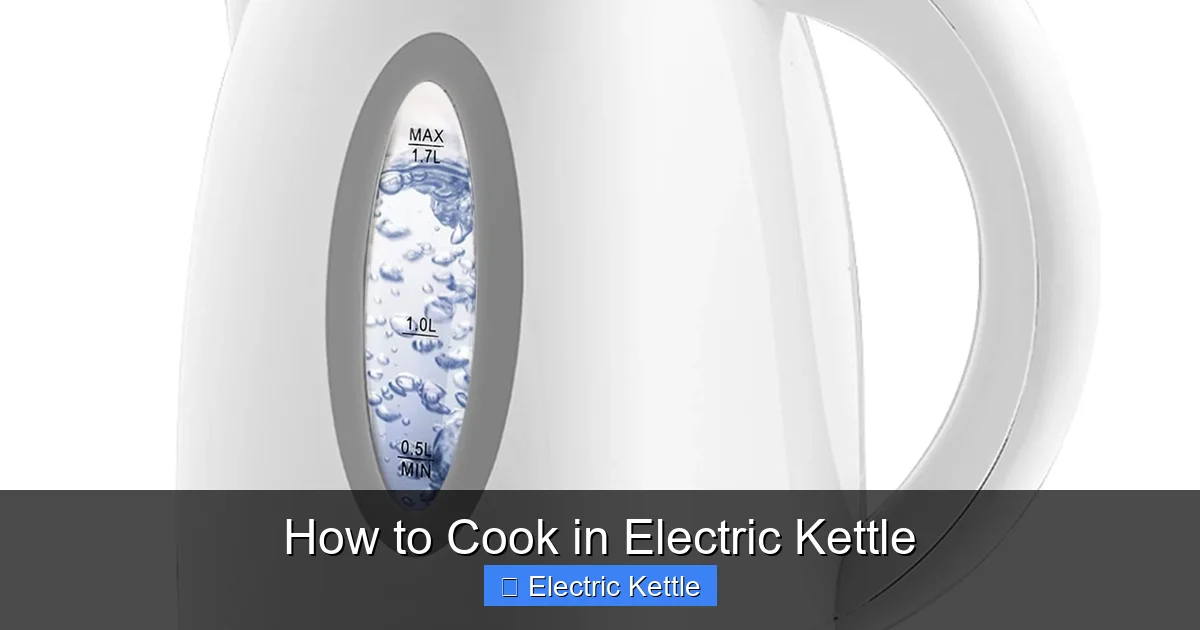
Visual guide about How to Cook in Electric Kettle
Image source: m.media-amazon.com
At first glance, using an electric kettle to cook might seem unconventional—or even a little risky. But when done correctly, it’s a smart, practical solution for modern living. Let’s explore why this method is gaining popularity and how it can benefit your daily routine.
Speed and Convenience
One of the biggest advantages of cooking in an electric kettle is speed. Electric kettles heat water faster than stovetops or microwaves. Most models boil water in under five minutes, and that rapid heating translates to quicker cooking times for many foods. Whether you’re making instant rice, reheating leftovers, or soaking grains, the kettle gets the job done in a flash.
Plus, there’s no need to monitor the process constantly. Once you add your ingredients and close the lid, the kettle does the work. Many models automatically shut off when the water reaches boiling point, so you don’t have to worry about overcooking or boiling dry.
Perfect for Small Spaces
Not everyone has access to a full kitchen. Students in dorms, travelers in hotel rooms, or remote workers in compact offices often lack stovetops or ovens. In these situations, an electric kettle becomes a lifeline. It’s compact, portable, and requires minimal setup. With just a kettle and a few ingredients, you can prepare a satisfying meal anywhere.
Even if you do have a kitchen, using the kettle for small tasks saves time and reduces cleanup. Why dirty a pot and burner when you can cook directly in the kettle?
Energy Efficiency
Electric kettles are among the most energy-efficient appliances in the kitchen. They use less electricity than stovetops or ovens because they heat water directly and quickly. According to studies, kettles can be up to 80% more efficient than gas stoves for boiling water.
When you cook in an electric kettle, you’re not just saving time—you’re also reducing your energy consumption. This makes it an eco-friendly option for quick meals, especially if you’re trying to lower your carbon footprint.
Cost-Effective Cooking
Cooking in an electric kettle is also budget-friendly. You don’t need special cookware or expensive gadgets. Most ingredients used in kettle cooking—like oats, rice, eggs, and instant noodles—are affordable and widely available. Plus, since the kettle uses less energy, your electricity bill stays low.
For people on tight budgets or those who want to minimize kitchen expenses, this method offers great value. It’s a simple way to eat well without breaking the bank.
Safety First: Can You Really Cook in an Electric Kettle?
Before you start tossing ingredients into your kettle, it’s important to address a major concern: safety. Not all electric kettles are designed for cooking, and using them improperly can damage the appliance or even pose a fire risk.
Know Your Kettle’s Design
The first step is understanding your kettle’s heating mechanism. Most electric kettles fall into two categories: those with an exposed heating element and those with a concealed (or hidden) element.
– **Exposed heating elements** are visible at the bottom of the kettle. These are common in older or budget models. They’re not ideal for cooking because food particles can get stuck on the element, leading to burning, smoke, or even damage.
– **Concealed heating elements** are covered by a smooth stainless steel plate. These are safer for cooking because food doesn’t come into direct contact with the heating coil. Most modern kettles use this design, making them better suited for cooking tasks.
If your kettle has an exposed element, avoid cooking anything that could stick or burn. Stick to simple tasks like boiling water or making instant drinks.
Check the Manufacturer’s Guidelines
Always read your kettle’s user manual before attempting to cook. Some manufacturers explicitly state that their kettles are for water heating only. Others may allow limited cooking but warn against certain practices.
For example, some brands say it’s okay to cook oatmeal or eggs, but not pasta or rice, which can expand and clog the spout. Following the guidelines helps prevent damage and ensures safe operation.
Avoid Overfilling and Overflow
When cooking in an electric kettle, never fill it beyond the maximum water line. Foods like oats, rice, or pasta absorb water and expand. If the kettle is too full, the mixture can bubble over, causing a mess or even triggering the automatic shut-off prematurely.
To prevent overflow, fill the kettle only halfway when cooking starchy foods. Leave plenty of room for expansion and bubbling.
Use Heat-Safe Containers When Needed
For recipes that require simmering or longer cooking times, consider using a heat-safe container inside the kettle. A small glass or stainless steel bowl that fits snugly can hold your ingredients while the kettle heats the water around it.
This method, similar to a double boiler, prevents direct contact with the heating element and reduces the risk of burning. It’s especially useful for delicate foods like eggs or custards.
What Can You Cook in an Electric Kettle?
Now that we’ve covered safety, let’s dive into the fun part: what you can actually cook. The possibilities are broader than you might think. Here are some of the most popular and practical foods you can prepare using your electric kettle.
Breakfast Staples
Start your day right with quick, nutritious breakfasts made in the kettle.
– **Oatmeal**: Add rolled oats and water (or milk) to the kettle. Boil, then let it sit for a few minutes to thicken. Stir in fruit, nuts, or honey for flavor.
– **Scrambled Eggs**: Crack eggs into a heat-safe bowl, whisk with a little water or milk, and place it in the kettle. Add boiling water to the kettle (not directly to the bowl) and let the steam cook the eggs gently. Stir occasionally.
– **Hard-Boiled or Soft-Boiled Eggs**: Place eggs directly in the kettle (if the element is concealed) or in a bowl. Cover with water and boil for 6–10 minutes, depending on your preferred doneness. Cool in ice water before peeling.
Grains and Starches
Cooking grains in the kettle is simple and efficient.
– **Instant Rice**: Use pre-cooked or quick-cook rice. Add rice and water to the kettle, boil, then let it sit covered for 5–10 minutes until absorbed.
– **Quinoa or Couscous**: These cook quickly with just boiling water. Add the grain and water, boil, then cover and let sit for 5 minutes. Fluff with a fork.
– **Pasta**: Small shapes like penne or macaroni work best. Boil water, add pasta, and cook for 8–12 minutes, stirring occasionally. Drain carefully using a lid or strainer.
Soups and Broths
Warm up with a quick cup of soup.
– **Instant Soup Mixes**: Just add boiling water to a packet or homemade mix. Stir and enjoy.
– **Homemade Broth**: Add vegetables, herbs, and protein (like tofu or cooked chicken) to the kettle with water. Boil, then simmer for 10–15 minutes. Strain before drinking.
– **Ramen Upgrades**: Take instant ramen to the next level by adding vegetables, eggs, or cooked meat. Boil everything together for a hearty meal.
Snacks and Desserts
Yes, you can even make desserts in your kettle!
– **Steamed Puddings**: Use a heat-safe bowl with a pudding mix or homemade batter. Place it in the kettle with boiling water and steam for 20–30 minutes.
– **Fruit Compote**: Chop apples, pears, or berries, add water and sugar, and boil. Simmer for 10 minutes until soft. Serve with yogurt or oatmeal.
– **Hot Chocolate or Spiced Drinks**: Mix cocoa powder, sugar, and milk, then heat in the kettle. Add cinnamon or nutmeg for extra flavor.
Reheating Leftovers
Don’t toss that leftover rice or soup! Use your kettle to reheat small portions.
– Place food in a heat-safe container, add a little water to prevent drying, and heat in the kettle for 5–10 minutes. Stir occasionally.
– Avoid greasy or oily foods, as they can smoke or leave residue.
Step-by-Step Guide: How to Cook in Electric Kettle
Ready to try it yourself? Follow this simple guide to get started with safe and effective kettle cooking.
Step 1: Choose the Right Recipe
Start with something simple, like oatmeal or instant noodles. These require minimal prep and are forgiving if you’re new to the process.
Avoid recipes with lots of oil, fat, or sticky ingredients until you’re more experienced.
Step 2: Prepare Your Ingredients
Chop, measure, and portion everything before you begin. Since the kettle heats quickly, you’ll want everything ready to go.
If using a bowl, make sure it fits comfortably inside the kettle and won’t tip over.
Step 3: Add Water and Ingredients
Fill the kettle with the right amount of water—usually just enough to cover your food. Add your ingredients directly or place them in a bowl.
For grains or pasta, use a 2:1 water-to-food ratio (e.g., 1 cup rice to 2 cups water).
Step 4: Boil and Cook
Close the lid and turn on the kettle. Most models will shut off automatically when boiling.
For foods that need longer cooking (like pasta), you may need to restart the kettle once or twice. Stir occasionally to prevent sticking.
Step 5: Let It Rest
After boiling, let the food sit for a few minutes. This allows grains to absorb water and eggs to finish cooking.
Use a towel or oven mitt to handle the kettle—it will be hot!
Step 6: Serve and Clean
Carefully remove your food and serve immediately. Pour out any remaining liquid.
Clean the kettle thoroughly after each use. Rinse with water and wipe the interior with a soft cloth. For stubborn residue, use a mild vinegar solution.
Tips and Tricks for Success
To get the best results from your kettle cooking, keep these expert tips in mind.
Use the Right Water Level
Too little water can cause burning. Too much can lead to overflow. Aim for a level that covers your food by about an inch.
For foods that expand (like oats or rice), use less water and check frequently.
Stir When Needed
Some foods, like oatmeal or pasta, benefit from occasional stirring to prevent clumping or sticking.
Use a long-handled spoon or chopstick to reach into the kettle safely.
Don’t Overcook
Because kettles heat quickly, cooking times are often shorter than on the stove. Check your food early to avoid mushiness.
For eggs, start checking at 6 minutes for soft-boiled, 10 for hard-boiled.
Flavor It Up
Plain boiled food can be boring. Add herbs, spices, sauces, or condiments to boost flavor.
Try soy sauce in ramen, cinnamon in oatmeal, or garlic powder in soups.
Experiment Gradually
Start with simple recipes and work your way up. Once you’re comfortable, try combining ingredients or making your own mixes.
Keep a cooking journal to track what works and what doesn’t.
Cleaning and Maintenance
Proper cleaning is essential to keep your kettle in top condition—especially after cooking.
Daily Cleaning
After each use, rinse the interior with warm water. Wipe the exterior with a damp cloth.
Avoid submerging the base or electrical parts in water.
Deep Cleaning
Once a week, descale your kettle to remove mineral buildup. Use a solution of equal parts water and white vinegar. Boil, let sit for 30 minutes, then rinse thoroughly.
For food residue, soak the kettle in warm, soapy water for 15 minutes. Use a soft brush to scrub gently.
Avoid Harsh Cleaners
Never use abrasive sponges or chemical cleaners inside the kettle. They can scratch the surface or leave harmful residues.
Stick to mild soap, vinegar, or baking soda for safe cleaning.
Conclusion: Unlock the Full Potential of Your Electric Kettle
Cooking in an electric kettle isn’t just a clever hack—it’s a practical, efficient, and surprisingly versatile way to prepare meals. Whether you’re a student, a traveler, or just someone who loves quick and easy cooking, your kettle can do far more than boil water.
From breakfast oatmeal to hearty soups and even simple desserts, the possibilities are endless. With the right techniques and a focus on safety, you can enjoy delicious, home-cooked meals with minimal effort and cleanup.
So next time you reach for your kettle to make tea, think twice. Why not try cooking something new? With a little creativity and confidence, your electric kettle could become your go-to kitchen tool for fast, healthy, and satisfying meals.
Frequently Asked Questions
Can I cook raw meat in an electric kettle?
It’s not recommended to cook raw meat in an electric kettle. The uneven heating and lack of temperature control can lead to undercooked or unsafe food. Stick to pre-cooked meats or use the kettle for boiling water to cook meat separately.
Will cooking in my kettle void the warranty?
It depends on the manufacturer. Some brands allow limited cooking, while others warn against it. Check your user manual or contact customer support to avoid voiding your warranty.
Can I use my kettle to make popcorn?
Yes, but with caution. Add a small amount of oil and popcorn kernels to the kettle, cover, and heat. Shake gently to prevent burning. However, oil can leave residue, so clean thoroughly afterward.
Is it safe to put a bowl inside the kettle?
Yes, as long as the bowl is heat-safe (glass or stainless steel) and fits securely without touching the heating element. This method is great for steaming or gentle cooking.
How do I prevent food from sticking to the kettle?
Use non-stick kettles or add a little oil or water to create steam. Stir food occasionally and avoid overcooking. Clean the kettle immediately after use to remove any residue.
Can I cook rice in an electric kettle every day?
Yes, but make sure your kettle has a concealed heating element and you clean it regularly. Over time, starch buildup can affect performance, so descale and rinse frequently.