Cooking noodles in an electric kettle is a fast, convenient method ideal for small spaces like dorm rooms or offices. With the right technique and safety precautions, you can enjoy hot, satisfying meals without a stove—just water, noodles, and your trusty kettle.
Key Takeaways
- Electric kettles can cook noodles safely: Most modern kettles reach boiling temperatures ideal for cooking instant or fresh noodles.
- Choose the right noodles: Instant ramen, rice noodles, or thin pasta work best; avoid thick or dried pasta that needs long boiling.
- Use minimal water: Fill just enough to cover the noodles to prevent overflow and ensure even cooking.
- Stir gently and monitor closely: Prevent sticking and boiling over by stirring occasionally and watching the kettle.
- Add flavor after cooking: Seasonings and sauces should be added post-boil to avoid clogging the spout or affecting temperature.
- Clean your kettle regularly: Residue from starch and spices can build up—rinse thoroughly after each use.
- Prioritize safety: Never leave the kettle unattended, and ensure it’s unplugged before adding or removing ingredients.
📑 Table of Contents
- Introduction: The Surprising Versatility of Your Electric Kettle
- Why Cook Noodles in an Electric Kettle?
- Choosing the Right Noodles for Your Kettle
- Step-by-Step Guide to Cooking Noodles in an Electric Kettle
- Safety Tips and Best Practices
- Creative Recipes and Flavor Ideas
- Cleaning and Maintaining Your Kettle
- Conclusion: Your Kettle, Your Kitchen
Introduction: The Surprising Versatility of Your Electric Kettle
You probably think of your electric kettle as a one-trick pony—great for boiling water for tea, coffee, or instant oatmeal. But what if I told you it could also whip up a hot, hearty bowl of noodles in under 10 minutes? That’s right: your humble electric kettle is secretly a mini kitchen powerhouse, especially when you’re short on space, time, or access to a stove.
Whether you’re a college student surviving on ramen in a dorm room, a busy professional craving a quick lunch at the office, or a traveler looking for a warm meal in a hotel room, cooking noodles in an electric kettle is a game-changer. It’s fast, requires minimal cleanup, and uses equipment you likely already own. Plus, it’s surprisingly effective—when done correctly.
But before you toss a pack of instant noodles into your kettle and hit the boil button, there are some important tips, tricks, and safety considerations to keep in mind. This guide will walk you through everything you need to know to cook noodles in an electric kettle safely, efficiently, and deliciously. From choosing the right noodles to flavoring your dish and cleaning up afterward, we’ve got you covered.
Why Cook Noodles in an Electric Kettle?
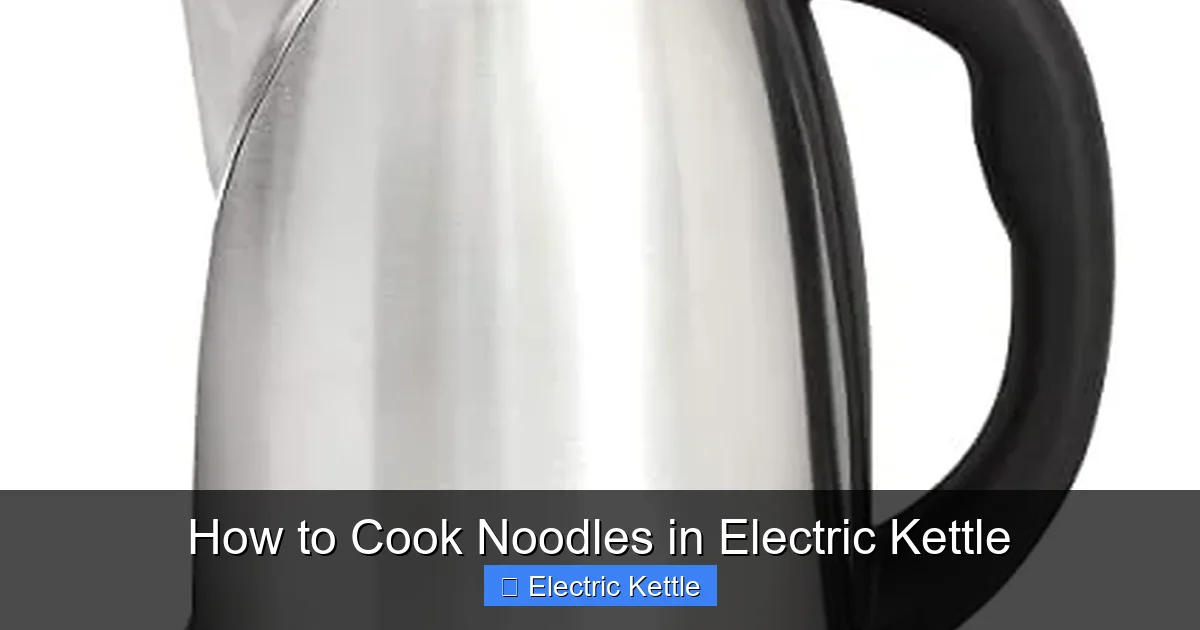
Visual guide about How to Cook Noodles in Electric Kettle
Image source: electricskilletguide.org
At first glance, using an electric kettle to cook noodles might seem like a hack born out of desperation. But once you try it, you’ll realize it’s actually a smart, practical solution for many everyday situations. Let’s explore why this method is gaining popularity—and why it might just become your go-to for quick meals.
Convenience and Speed
One of the biggest advantages of cooking noodles in an electric kettle is speed. Most electric kettles boil water in 3 to 5 minutes, and since they’re designed to heat water quickly and efficiently, you’re not waiting around for a pot to simmer on the stove. Once the water reaches a rolling boil, you can add your noodles and have a meal ready in under 10 minutes—perfect for when hunger strikes unexpectedly.
Unlike traditional stovetop cooking, there’s no need to monitor a flame or worry about water boiling over onto the burner. The kettle does the work for you, and many models even have automatic shut-off features that turn off once the water reaches boiling point. This means you can set it and forget it—just keep an eye on it to avoid overflow.
Perfect for Small Spaces
If you live in a dorm, studio apartment, or shared housing with limited kitchen access, an electric kettle might be one of your only cooking appliances. In these environments, space is at a premium, and you likely don’t have room for a full stove or microwave. Cooking noodles in a kettle gives you the ability to prepare a hot meal without needing extra equipment.
Even in offices or hotel rooms, where cooking options are limited, an electric kettle can be a lifesaver. Many workplaces provide kettles for tea and coffee, and most hotels include them in the room. With just a pack of instant noodles and a few seasonings, you can turn that kettle into a makeshift kitchen.
Energy Efficiency
Electric kettles are among the most energy-efficient appliances for heating water. They use less electricity than a stovetop or microwave and heat water faster because the heating element is submerged directly in the water. This means you’re not wasting energy heating a large pot or waiting for a microwave to slowly warm your food.
For eco-conscious cooks or those looking to reduce their energy bills, using a kettle to cook noodles is a smart choice. It’s a small change that can make a big difference over time—especially if you’re cooking multiple meals a week.
Minimal Cleanup
Let’s be honest: one of the worst parts of cooking is the cleanup. Pots, pans, utensils—it all adds up. But when you cook noodles in an electric kettle, you’re using just one appliance. No extra bowls, no stirring spoons (unless you want to), and no greasy stovetop to wipe down.
Most kettles have smooth, non-stick interiors that are easy to rinse out. A quick swish with warm water and a soft sponge is usually enough to remove any starch or residue. Just be sure to unplug the kettle and let it cool before cleaning—and never submerge the base in water.
Choosing the Right Noodles for Your Kettle
Not all noodles are created equal—especially when it comes to cooking them in an electric kettle. The key is selecting noodles that cook quickly, don’t require long boiling times, and won’t clog your kettle’s spout or overflow during cooking.
Best Noodles to Use
Instant Ramen: This is the most popular choice for kettle cooking. Brands like Maruchan, Nissin, and Samyang are widely available, affordable, and designed to cook in just a few minutes. The noodles are pre-cooked and dehydrated, so they soften quickly in boiling water. Plus, they come with flavor packets that make seasoning a breeze.
Rice Noodles: Thin rice noodles, such as vermicelli, are another excellent option. They cook in 2 to 4 minutes and have a light, delicate texture. You can find them in most Asian grocery stores or international aisles. Just be sure to break them into smaller pieces if they’re too long for your kettle.
Fresh or Pre-Cooked Noodles: If you have access to fresh noodles (like those sold in the refrigerated section), they can work well too. They typically cook in 1 to 3 minutes. Pre-cooked noodles, such as those from a leftover stir-fry, can be reheated quickly in the kettle.
Egg Noodles: Thin egg noodles, like those used in chicken noodle soup, are also suitable. They hold up well in boiling water and add a rich, satisfying texture to your meal.
Noodles to Avoid
While many noodles can be cooked in a kettle, some are better left for the stove. Avoid:
– Thick or dried pasta: Spaghetti, penne, or fusilli take too long to cook and may not soften properly in a kettle’s short boiling cycle.
– Whole wheat or high-fiber noodles: These often require longer cooking times and may not break down fully.
– Noodles with heavy sauces or coatings: Some instant noodles come with thick, creamy sauces that can leave residue in your kettle. Opt for broth-based or dry seasoning versions instead.
Tips for Preparing Noodles
Before adding noodles to your kettle, consider breaking them into smaller pieces—especially if they’re long. This helps them cook evenly and prevents them from getting stuck in the spout. You can also soak them in warm water for a minute before adding to the boiling kettle to speed up the process.
If you’re using fresh noodles, rinse them briefly under cold water to remove excess starch, which can cause foaming and overflow.
Step-by-Step Guide to Cooking Noodles in an Electric Kettle
Now that you know which noodles work best, let’s walk through the actual process. Follow these simple steps to cook perfect noodles in your electric kettle every time.
Step 1: Prepare Your Kettle
Start by ensuring your kettle is clean and free of any residue from previous uses. Even a small amount of old coffee or tea can affect the taste of your noodles. Rinse the interior with warm water and wipe it dry with a soft cloth.
Make sure the kettle is unplugged and the lid is open. Check the water level indicator to know how much water your kettle can safely hold—most have a “min” and “max” line.
Step 2: Add Water
Pour in just enough water to cover the noodles—usually about 1 to 1.5 cups (250–375 ml), depending on the size of your kettle and the amount of noodles. Overfilling can cause the water to boil over, which is not only messy but can also damage the kettle’s electrical components.
If you’re cooking a full block of instant ramen, you may need a bit more water—around 2 cups (500 ml). But remember: the goal is to use the least amount of water possible to prevent overflow and ensure even cooking.
Step 3: Add the Noodles
Once the water is in, add your noodles. Break the block into smaller pieces if needed. Do not add the seasoning packet yet—this can cause foaming and clog the spout.
Close the lid and plug in the kettle. Turn it on and let the water come to a boil. Most kettles will automatically shut off when the water reaches boiling point, but keep an eye on it to prevent overflow.
Step 4: Stir and Monitor
As soon as the kettle shuts off, open the lid and gently stir the noodles with a long-handled spoon or chopsticks. This helps separate them and ensures even cooking.
If the noodles aren’t fully soft after the first boil, you can turn the kettle back on for another 1–2 minutes. Some kettles allow you to reboil, but check your model’s instructions first. Avoid overcooking, as noodles can become mushy.
Step 5: Add Seasonings and Flavor
Once the noodles are cooked to your liking, it’s time to add flavor. Open the seasoning packet and sprinkle it directly into the kettle. You can also add soy sauce, chili oil, garlic powder, or a splash of vinegar for extra taste.
Stir well to dissolve the seasoning. If the broth seems too strong, you can add a little hot water from the kettle (if there’s any left) or from another source.
Step 6: Serve and Enjoy
Carefully pour the noodles and broth into a bowl. Use a spoon or fork to scoop out any noodles that stick to the sides. Add toppings like green onions, boiled egg, sesame seeds, or a drizzle of sesame oil for a more satisfying meal.
Let it cool for a minute before eating—kettle-cooked noodles can be very hot!
Safety Tips and Best Practices
While cooking noodles in an electric kettle is generally safe, there are some important precautions to keep in mind to avoid accidents, damage to your appliance, or unpleasant surprises.
Never Leave the Kettle Unattended
Even though most kettles have automatic shut-off, it’s best to stay nearby while it’s boiling. Noodles can cause foaming, and if the water level is too high, it may overflow and damage the heating element or create a slipping hazard.
Avoid Overfilling
Always follow the kettle’s water level guidelines. Overfilling increases the risk of boiling over, which can short-circuit the appliance or cause burns. Stick to the “max” line—or even a little below it when cooking noodles.
Don’t Add Oil or Dairy
Adding oil, butter, or milk to the kettle can cause splattering, clogging, or residue buildup. These ingredients are best added after cooking, directly to your bowl. If you want a creamy broth, consider using a powdered creamer or coconut milk powder that dissolves easily.
Use Heat-Resistant Utensils
When stirring or removing noodles, use utensils that can withstand high heat—like silicone, wood, or metal. Avoid plastic, which can melt or release harmful chemicals.
Clean Immediately After Use
Starchy water and seasoning residue can harden and become difficult to remove if left to dry. Rinse the kettle with warm water as soon as it cools down. For stubborn stains, soak the interior with a mixture of water and vinegar, then scrub gently with a soft brush.
Check Your Kettle’s Warranty
Some manufacturers may void the warranty if the kettle is used for purposes other than boiling water. While cooking noodles is generally safe, it’s worth checking the user manual to ensure you’re not violating any terms.
Creative Recipes and Flavor Ideas
Once you’ve mastered the basics, it’s time to get creative! Cooking noodles in an electric kettle opens up a world of quick, customizable meals. Here are a few ideas to inspire your next kettle-cooked creation.
Spicy Kimchi Ramen
Cook a block of spicy ramen noodles in your kettle. Once done, add a spoonful of kimchi, a splash of sesame oil, and a sprinkle of sesame seeds. Top with a soft-boiled egg (cooked separately) for a Korean-inspired bowl.
Creamy Coconut Curry Noodles
Use rice noodles and add a teaspoon of red curry paste after cooking. Stir in a tablespoon of coconut milk powder or a splash of coconut milk. Garnish with fresh cilantro and lime juice.
Garlic Soy Noodles
Cook thin egg noodles, then mix in 1 tsp soy sauce, 1/2 tsp garlic powder, a pinch of sugar, and a dash of rice vinegar. Top with sliced green onions and a sprinkle of black pepper.
Veggie-Packed Instant Noodles
Add frozen peas, corn, or chopped spinach to the kettle during the last minute of cooking. These will soften in the hot water and add nutrients and color to your meal.
Breakfast Noodles
Yes, breakfast! Cook ramen noodles and stir in a beaten egg at the end—the hot broth will cook it into a soft scramble. Add a pinch of salt, pepper, and a drizzle of hot sauce for a savory morning meal.
Cleaning and Maintaining Your Kettle
To keep your electric kettle in top condition—and to ensure your noodles taste great every time—regular cleaning and maintenance are essential.
Daily Rinse
After each use, rinse the interior with warm water. Use a soft sponge or cloth to wipe away any starch or seasoning residue. Never use abrasive scrubbers, as they can scratch the surface.
Deep Clean Weekly
Once a week, descale your kettle to remove mineral buildup. Fill it halfway with equal parts water and white vinegar. Let it sit for 30 minutes, then boil the mixture. Discard the liquid, rinse thoroughly, and boil fresh water once to remove any vinegar taste.
Check the Filter
Many kettles have a mesh filter near the spout to catch impurities. Remove it regularly and rinse under running water. If it’s clogged, soak it in vinegar to dissolve mineral deposits.
Store Properly
Keep your kettle in a dry, cool place. Avoid storing it with the lid closed while damp, as this can promote mold or mildew. If you’re not using it for a while, leave the lid slightly open to allow airflow.
Conclusion: Your Kettle, Your Kitchen
Cooking noodles in an electric kettle isn’t just a clever hack—it’s a practical, efficient, and surprisingly delicious way to prepare a hot meal with minimal effort. Whether you’re a student, a traveler, or just someone who loves quick and easy food, this method opens up new possibilities for what your kettle can do.
With the right noodles, a few safety tips, and a little creativity, you can turn a simple appliance into a versatile cooking tool. From classic instant ramen to gourmet-inspired bowls, the options are endless. And the best part? Cleanup is a breeze.
So next time you’re craving noodles but don’t have access to a stove, don’t hesitate—grab your kettle, add some water, and get cooking. Your taste buds (and your busy schedule) will thank you.
Frequently Asked Questions
Can I cook any type of noodles in an electric kettle?
Not all noodles are suitable. Stick to instant ramen, rice noodles, or thin egg noodles that cook quickly. Avoid thick pasta or noodles that require long boiling times.
Is it safe to cook noodles in an electric kettle?
Yes, as long as you follow safety guidelines: don’t overfill, avoid adding oil, and never leave the kettle unattended. Always clean it thoroughly after use.
Will cooking noodles damage my kettle?
It shouldn’t, if done properly. However, starch and seasoning residue can build up over time, so regular cleaning is essential to maintain performance and taste.
Can I add seasoning before boiling?
It’s best to add seasoning after the noodles are cooked. Adding it before can cause foaming, clogging, or uneven flavor distribution.
How much water should I use?
Use just enough water to cover the noodles—usually 1 to 2 cups. Overfilling increases the risk of boiling over and damaging the kettle.
Can I reheat noodles in the kettle?
Yes, you can reheat cooked noodles by adding them to boiling water for 1–2 minutes. Just be careful not to overcook them.