Decalcifying your electric kettle removes limescale buildup, improves heating efficiency, and extends its lifespan. With easy household ingredients like vinegar or lemon, you can keep your kettle running smoothly and your tea tasting great.
Key Takeaways
- Decalcification prevents limescale buildup: Hard water leaves mineral deposits that reduce heating efficiency and affect taste.
- Vinegar is a powerful, affordable cleaner: White distilled vinegar dissolves calcium and magnesium deposits effectively.
- Lemon juice offers a natural alternative: Its citric acid breaks down scale while leaving a fresh scent.
- Commercial descalers work fast and safely: Designed for kettles, they’re convenient and often biodegradable.
- Regular cleaning prevents major buildup: Descale every 1–3 months depending on water hardness and usage.
- Rinse thoroughly after descaling: Multiple rinses ensure no cleaning residue affects your drinks.
- Maintain your kettle for long-term performance: Wipe exterior, check the filter, and avoid overfilling.
📑 Table of Contents
- Why Decalcifying Your Electric Kettle Matters
- What Causes Limescale in Electric Kettles?
- Signs Your Electric Kettle Needs Decalcifying
- How to Decalcify an Electric Kettle with Vinegar
- How to Decalcify an Electric Kettle with Lemon
- Using Commercial Descaling Solutions
- How Often Should You Decalcify Your Kettle?
- Tips for Maintaining a Clean Electric Kettle
- Conclusion
Why Decalcifying Your Electric Kettle Matters
If you’ve ever noticed a chalky white film inside your electric kettle or heard it taking longer to boil water, you’re not alone. These are classic signs of limescale buildup—mineral deposits left behind when hard water is heated. Over time, this crusty residue can clog heating elements, reduce efficiency, and even affect the taste of your tea, coffee, or hot water. That’s why learning how to decalcify an electric kettle isn’t just a cleaning chore—it’s a maintenance essential.
Limescale forms when calcium and magnesium in hard water are heated and precipitate out of solution. These minerals stick to the interior surfaces, especially around the heating coil or base. The more you use your kettle, the thicker the buildup becomes. Left unchecked, it can insulate the heating element, forcing your kettle to work harder and use more energy. In extreme cases, it may even cause overheating or shorten the appliance’s lifespan. Plus, nobody wants a metallic or bitter aftertaste in their morning coffee because of old mineral gunk.
But here’s the good news: decalcifying your electric kettle is simple, inexpensive, and takes less than an hour. With a few common household items, you can restore your kettle to peak performance. Whether you prefer natural solutions like vinegar or lemon, or you’d rather use a commercial descaling product, there’s a method that fits your lifestyle. Regular descaling not only keeps your kettle clean but also ensures your beverages taste pure and your appliance lasts longer.
What Causes Limescale in Electric Kettles?
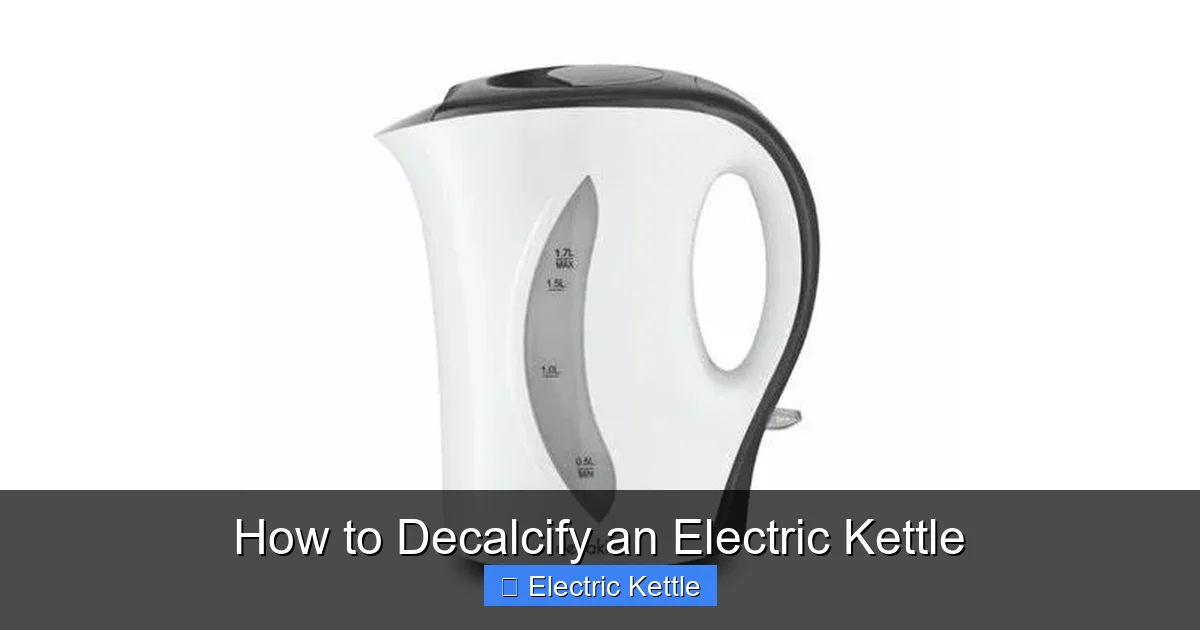
Visual guide about How to Decalcify an Electric Kettle
Image source: itwares.net
To understand how to decalcify an electric kettle, it helps to know what causes limescale in the first place. The main culprit is hard water—water that contains high levels of dissolved minerals, particularly calcium and magnesium. These minerals are harmless to drink, but they become problematic when heated. As water boils, the minerals are left behind, forming a white, chalky deposit on the kettle’s interior surfaces.
The hardness of your water depends on your geographic location and water source. Areas with limestone or chalk bedrock tend to have harder water. You can often tell if your water is hard by looking for spots on glassware, soap scum in the shower, or a white film on faucets. If your kettle frequently develops a crusty layer, especially around the heating element, hard water is likely the cause.
Another factor is how often you use your kettle. Frequent boiling accelerates mineral buildup. Even if you live in a moderately hard water area, daily use can lead to noticeable scale within weeks. Over time, this buildup thickens and becomes harder to remove. It can also trap bacteria or odors, especially if food particles or tea leaves get stuck in the crevices.
Interestingly, the material of your kettle can influence how quickly limescale forms. Stainless steel and glass kettles show buildup more visibly, while plastic models may hide it—but the problem is still there. Some kettles come with built-in filters or anti-scale coatings, but these only slow the process, not stop it. Ultimately, no kettle is immune to limescale if you use hard water regularly.
Signs Your Electric Kettle Needs Decalcifying
You don’t need to wait until your kettle is completely clogged to start decalcifying. There are several telltale signs that it’s time for a deep clean. Recognizing these early can save you time and prevent performance issues down the line.
One of the most obvious signs is visible limescale. Look inside your kettle—especially around the heating element, spout, and base. If you see a white, gray, or yellowish crust, it’s time to act. This buildup often starts as a thin film but can grow into thick, rocky layers over time. In severe cases, it may even flake off into your water.
Another red flag is longer boiling times. If your kettle used to boil water in under three minutes but now takes five or more, limescale could be insulating the heating element. This forces the kettle to use more energy to reach the same temperature, increasing your electricity bill and straining the appliance.
You might also notice unusual noises—like popping, cracking, or sizzling—during heating. These sounds occur when trapped steam builds up behind the scale, causing pressure to release suddenly. While not always dangerous, they’re a clear sign that the heating element is struggling.
Taste and odor changes are subtler but equally important. If your tea or coffee starts to taste metallic, bitter, or “off,” mineral deposits could be leaching into the water. Similarly, a stale or musty smell from the kettle—even after washing—suggests organic matter is trapped in the scale.
Finally, check the water flow. If your kettle pours slowly or sputters, mineral buildup may be blocking the spout or filter. Some kettles have removable mesh filters that catch debris, but these can get clogged with scale too. A quick inspection can save you from a frustrating pour.
How to Decalcify an Electric Kettle with Vinegar
White distilled vinegar is one of the most effective and affordable ways to decalcify an electric kettle. Its acetic acid content dissolves calcium and magnesium deposits quickly and safely. Plus, it’s non-toxic and leaves no harmful residues when rinsed properly.
What You’ll Need
- White distilled vinegar (not apple cider or balsamic)
- Water
- A soft sponge or cloth
- A toothbrush (optional, for scrubbing)
Step-by-Step Instructions
- Mix the solution: Fill your kettle halfway with equal parts white vinegar and water. For example, use 1 cup vinegar and 1 cup water. This ratio is strong enough to dissolve scale but gentle on your kettle.
- Let it sit: Allow the mixture to sit in the kettle for at least 30 minutes. For heavy buildup, leave it overnight. The longer it sits, the more effective it will be.
- Boil the solution: Turn on the kettle and bring the vinegar-water mixture to a boil. Let it boil for 5–10 minutes. You’ll notice bubbles and possibly some fizzing—this is normal as the acid reacts with the minerals.
- Turn off and soak: After boiling, turn off the kettle and let the solution cool. Leave it in the kettle for another 15–30 minutes to loosen stubborn deposits.
- Scrub if needed: Pour out the solution and inspect the interior. If you still see scale, use a soft sponge or toothbrush to gently scrub the affected areas. Avoid abrasive pads that could scratch the surface.
- Rinse thoroughly: Rinse the kettle 3–5 times with clean water. Fill it, swish it around, and pour it out. This removes any vinegar taste or residue.
- Boil clean water: Fill the kettle with fresh water, boil it once, and discard the water. This final step ensures no vinegar flavor remains.
Tips for Best Results
- Use only white distilled vinegar—other types may leave odors or stains.
- Never mix vinegar with bleach or other cleaners—it can create toxic fumes.
- If your kettle has a removable filter, take it out and soak it in vinegar separately.
- For very heavy scale, repeat the process or increase the vinegar concentration to 2:1 (vinegar to water).
How to Decalcify an Electric Kettle with Lemon
If you prefer a natural, citrus-scented alternative to vinegar, lemon juice is an excellent choice. Its citric acid content effectively breaks down limescale while leaving a fresh, clean aroma. Plus, it’s gentle on most kettle materials.
What You’ll Need
- Fresh lemons or bottled lemon juice
- Water
- A soft sponge or cloth
Step-by-Step Instructions
- Prepare the solution: Cut 2–3 lemons in half and squeeze the juice into your kettle. Add enough water to fill it about halfway. Alternatively, use 1/2 cup bottled lemon juice mixed with 1/2 cup water.
- Let it soak: Allow the lemon solution to sit for 30 minutes to an hour. For tougher scale, leave it overnight.
- Boil the mixture: Turn on the kettle and bring the lemon water to a boil. Let it boil for 5–10 minutes. You may see bubbles and a light citrus scent.
- Cool and scrub: Turn off the kettle and let it cool. Pour out the solution and check for remaining scale. Use a soft sponge to gently scrub any stubborn spots.
- Rinse well: Rinse the kettle 3–5 times with clean water to remove all lemon residue.
- Boil fresh water: Fill the kettle with clean water, boil it once, and discard the water. This removes any lingering citrus taste.
Tips for Best Results
- Fresh lemon juice works best, but bottled is fine in a pinch.
- Lemon is less acidic than vinegar, so it may take longer for heavy buildup.
- Combine lemon with baking soda for extra scrubbing power—just rinse thoroughly afterward.
- Lemon leaves a pleasant scent, making it ideal if you’re sensitive to vinegar smells.
Using Commercial Descaling Solutions
For those who want a quick, no-fuss solution, commercial descaling products are a reliable option. These are specially formulated for electric kettles and often come in liquid or tablet form. They’re convenient, effective, and typically biodegradable.
Popular Brands and Types
- Urnex Kettle Cleaner: A liquid descaler designed for coffee makers and kettles. Safe for all materials.
- De’Longhi Descaling Solution: Made for their kettles but works on most models. Gentle and fast-acting.
- Bissell Steam Mop Descaling Tablets: Affordable and effective for small appliances.
- Ecozone Kettle Descaler: Eco-friendly and phosphate-free.
How to Use
- Read the instructions on the product label—concentrations and soaking times vary.
- Typically, you’ll mix the solution with water, fill the kettle, and let it sit for 15–30 minutes.
- Boil the solution, then let it cool before pouring out.
- Rinse the kettle thoroughly 3–5 times.
- Boil fresh water once to ensure no chemical taste remains.
Pros and Cons
- Pros: Fast, easy, no strong odors, often safe for all materials.
- Cons: More expensive than vinegar or lemon, may contain chemicals (check labels).
How Often Should You Decalcify Your Kettle?
The frequency of decalcification depends on how hard your water is and how often you use your kettle. As a general rule, descale every 1–3 months. But here’s a quick guide to help you decide:
- Soft water (low mineral content): Every 3–4 months.
- Moderate hard water: Every 2 months.
- Very hard water: Every 3–4 weeks.
- Daily heavy use: Every 4–6 weeks, regardless of water hardness.
You can also use visual cues. If you see scale forming or notice performance changes, it’s time to clean. Some kettles have indicator lights or reminders—check your user manual.
Regular descaling prevents major buildup, making each cleaning session quicker and easier. It’s like brushing your teeth—small, consistent efforts prevent big problems later.
Tips for Maintaining a Clean Electric Kettle
Decalcifying is important, but daily care keeps your kettle in top shape between deep cleans.
- Empty after each use: Don’t let water sit overnight—it encourages mineral buildup.
- Wipe the exterior: Use a damp cloth to clean the outside, especially around the base and cord.
- Clean the filter: If your kettle has a mesh filter, remove and rinse it weekly.
- Avoid overfilling: Fill only to the max line to prevent spills and excess steam.
- Use filtered water: If possible, use filtered or softened water to reduce mineral content.
- Store properly: Keep the kettle dry and uncovered when not in use.
Conclusion
Learning how to decalcify an electric kettle is a simple but essential skill for anyone who loves tea, coffee, or hot water. Limescale may seem like a minor nuisance, but it can affect performance, taste, and even your appliance’s lifespan. With easy methods using vinegar, lemon, or commercial descalers, you can keep your kettle clean and efficient year-round.
Regular maintenance—like emptying the kettle after use and cleaning the filter—goes a long way in preventing buildup. And by descaling every few months (or more often if you have hard water), you’ll enjoy faster boiling times, better-tasting drinks, and a longer-lasting appliance.
So the next time you notice that white film or hear your kettle struggling to boil, don’t ignore it. Grab some vinegar, follow the steps, and give your kettle the care it deserves. Your taste buds—and your energy bill—will thank you.
Frequently Asked Questions
Can I use apple cider vinegar to decalcify my kettle?
It’s not recommended. Apple cider vinegar contains sugars and other compounds that can leave residues or odors. Stick to white distilled vinegar for the best results.
Is it safe to boil vinegar in my electric kettle?
Yes, as long as you rinse the kettle thoroughly afterward. The vinegar dissolves scale safely, but leftover taste can affect your drinks if not rinsed properly.
How do I know if my water is hard?
Look for white spots on dishes, soap scum in the shower, or slow kettle boiling. You can also buy a water hardness test kit or check your local water report online.
Can I use baking soda to descale my kettle?
Baking soda is mildly abrasive and can help scrub away light scale, but it’s not as effective as acid-based cleaners like vinegar or lemon. Use it for scrubbing, not soaking.
Will decalcifying void my kettle’s warranty?
No, regular cleaning and descaling are part of normal maintenance and won’t void your warranty. Just avoid using harsh chemicals or abrasive tools.
What if my kettle still smells after descaling?
Run a cycle with fresh water and a slice of lemon or a teaspoon of baking soda. Let it sit for 10 minutes, then rinse thoroughly. This neutralizes lingering odors.