Descaling your electric kettle regularly removes limescale buildup, improves heating efficiency, and ensures better-tasting water. This guide walks you through simple, safe methods using household items like vinegar and lemon, plus tips to maintain a clean kettle for years.
Key Takeaways
- Descaling improves performance: Removing limescale helps your kettle heat faster and more efficiently.
- Use natural cleaners: White vinegar and lemon juice are effective, affordable, and eco-friendly descaling agents.
- Frequency matters: Descale every 1–3 months depending on water hardness and usage.
- Never use harsh chemicals: Avoid bleach or abrasive cleaners that can damage the kettle or leave harmful residues.
- Rinse thoroughly: Always rinse the kettle multiple times after descaling to remove any taste or smell.
- Prevent buildup: Use filtered water and empty the kettle after each use to reduce scaling.
- Check the manual: Some kettles have specific descaling instructions—always follow manufacturer guidelines.
📑 Table of Contents
- Why Descaling Your Electric Kettle Matters
- What Causes Limescale in Electric Kettles?
- Signs Your Electric Kettle Needs Descaling
- How to Descale an Electric Kettle: Step-by-Step Methods
- How Often Should You Descale Your Electric Kettle?
- Tips to Prevent Limescale Buildup
- Safety Tips When Descaling
- Conclusion
Why Descaling Your Electric Kettle Matters
If you’ve noticed your electric kettle taking longer to boil water, making strange noises, or leaving a chalky residue at the bottom, it’s probably time to descale. Limescale—a hard, white deposit made of calcium and magnesium—builds up over time, especially if you live in an area with hard water. This mineral buildup doesn’t just look unappealing; it can seriously affect your kettle’s performance and even impact the taste of your tea, coffee, or hot water.
Think of limescale like plaque on your teeth. It starts small, but if ignored, it grows and causes problems. In your kettle, thick layers of scale act as insulation, forcing the heating element to work harder and use more energy. This not only increases your electricity bill but can also shorten the lifespan of your appliance. Worse, if flakes of scale get into your drink, they might affect the flavor or even pose a minor health concern over time.
The good news? Descaling is simple, quick, and doesn’t require special tools. With a few common household ingredients and a little time, you can restore your kettle to peak performance. Whether you’re a daily tea drinker or just use your kettle occasionally, regular descaling ensures cleaner water, faster boiling, and a longer life for your appliance.
What Causes Limescale in Electric Kettles?
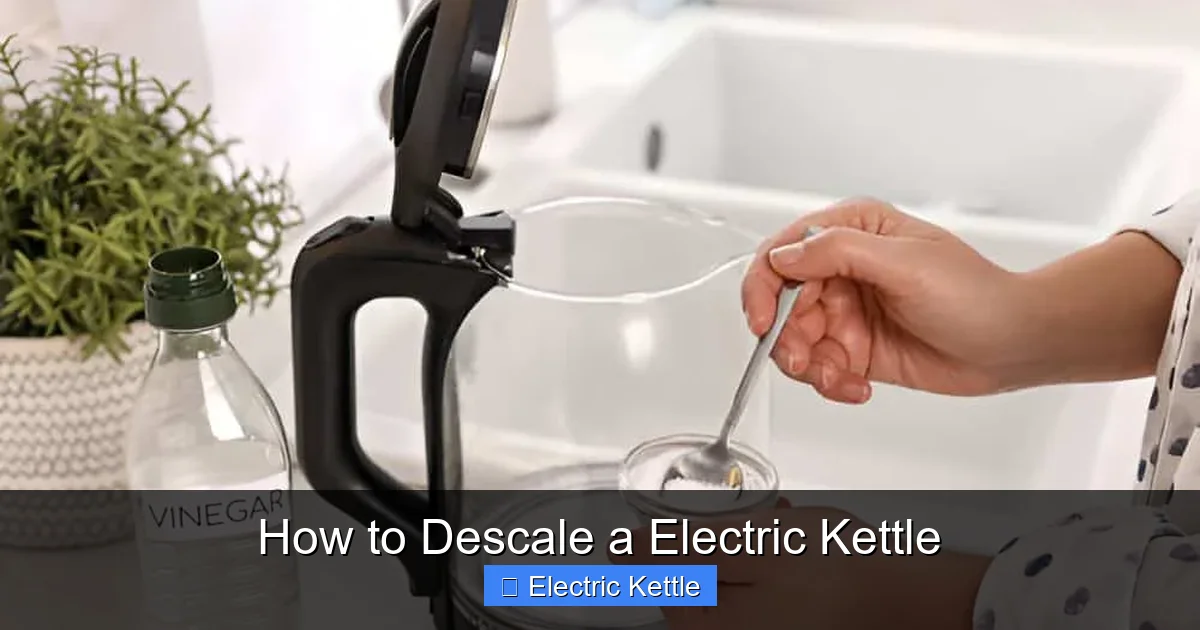
Visual guide about How to Descale a Electric Kettle
Image source: homemotivate.com
Limescale forms when hard water—water with high levels of dissolved minerals like calcium and magnesium—is heated. As the water boils, these minerals precipitate out and stick to the heating element and the interior walls of the kettle. Over time, this creates a crusty, white or gray layer that’s tough to remove.
The harder your water, the faster limescale builds up. If you live in an area with hard water—common in many parts of the U.S., the UK, and Australia—you might notice scale forming in just a few weeks. Even if you use filtered water, some minerals can still remain, especially if the filter doesn’t remove calcium and magnesium.
Other factors that contribute to scaling include:
- Frequent use: The more you boil water, the more mineral deposits accumulate.
- Leaving water in the kettle: Stagnant water allows minerals to settle and bond to surfaces.
- High mineral content in tap water: Some regions have naturally harder water than others.
- Old or low-quality kettles: Cheaper models may have less resistant interiors that attract scale more easily.
You can test your water hardness using a home test kit (available online or at hardware stores) or check your local water supplier’s report. Knowing your water hardness helps you determine how often to descale—typically every 1–3 months.
Signs Your Electric Kettle Needs Descaling
You don’t need to wait for your kettle to break down before descaling. There are several clear signs that it’s time to clean:
Longer Boiling Times
If your kettle used to boil water in 2 minutes but now takes 4 or 5, limescale is likely insulating the heating element. This reduces heat transfer and forces the kettle to work longer to reach boiling point.
White or Gray Residue
Look inside the kettle. If you see a chalky film or flaky deposits on the bottom or walls, that’s limescale. It may also appear as cloudy spots in the water after boiling.
Unusual Noises
A kettle with heavy scaling may make popping, cracking, or sizzling sounds as the heating element struggles to heat through the mineral layer.
Odd Taste or Smell
Minerals and scale can alter the taste of your water, making tea or coffee taste flat or metallic. In rare cases, bacteria can grow in scale buildup, causing a musty odor.
Visible Scale on the Heating Element
If your kettle has a visible heating coil or plate, check for white crust. Even a thin layer can reduce efficiency.
Water Spitting or Splashing
Scale can trap steam bubbles, causing the kettle to spit hot water when boiling—a safety hazard and sign of poor heat distribution.
If you notice any of these signs, it’s time to descale. The sooner you act, the easier the cleaning process will be.
How to Descale an Electric Kettle: Step-by-Step Methods
There are several effective ways to descale your electric kettle. The best method depends on what you have at home and how much scale has built up. Below are three proven techniques using common household items.
Method 1: White Vinegar (Best for Heavy Scale)
White vinegar is a natural acid that dissolves limescale quickly and safely. It’s cheap, non-toxic, and leaves no harmful residues when rinsed properly.
What You’ll Need:
- White distilled vinegar
- Water
- Soft cloth or sponge
- Measuring cup
Steps:
- Unplug the kettle and let it cool completely.
- Mix equal parts white vinegar and water. For a standard 1-liter kettle, use 500ml vinegar and 500ml water.
- Pour the solution into the kettle, making sure it covers the heating element and any visible scale.
- Let it sit for 1–2 hours. For heavy buildup, leave it overnight.
- After soaking, plug in the kettle and bring the solution to a boil. This helps break down stubborn deposits.
- Turn off the kettle and let it cool. Pour out the vinegar solution.
- Scrub the inside gently with a soft sponge or cloth. Avoid abrasive scrubbers that can scratch the surface.
- Rinse the kettle 3–4 times with clean water. Fill it with fresh water, boil, and pour out to remove any vinegar taste.
- Wipe the exterior with a damp cloth.
Tip: If the vinegar smell lingers, add a slice of lemon or a teaspoon of baking soda to the final rinse water to neutralize odors.
Method 2: Lemon Juice (Great for Light to Moderate Scale)
Lemon juice is another natural acid that works well for descaling. It’s less pungent than vinegar and leaves a fresh scent.
What You’ll Need:
- Fresh lemon juice or bottled lemon juice
- Water
- Soft cloth
Steps:
- Unplug and cool the kettle.
- Mix 1 part lemon juice with 3 parts water. For a 1-liter kettle, use 250ml lemon juice and 750ml water.
- Pour the mixture into the kettle, ensuring it covers the scale.
- Let it sit for 30 minutes to 1 hour.
- Boil the solution, then turn off and cool.
- Pour out the liquid and scrub gently if needed.
- Rinse thoroughly with clean water, then boil fresh water once and discard to remove any lemon taste.
Tip: Use fresh lemon juice for best results. Bottled juice works but may contain preservatives that leave a residue.
Method 3: Commercial Descaling Solution (Convenient and Fast)
If you prefer a ready-made solution, commercial descalers are available at supermarkets or online. Brands like Durgol, Viakal, and Finish offer kettle-specific formulas.
What You’ll Need:
- Commercial descaling solution
- Water
- Measuring cup
Steps:
- Read the product instructions carefully—concentrations and soak times vary.
- Mix the solution with water as directed (usually 1 part descaler to 3–4 parts water).
- Pour into the kettle and let it sit for the recommended time (typically 15–30 minutes).
- Boil the solution, then cool and pour out.
- Rinse the kettle 3–4 times with clean water.
- Boil fresh water once and discard to ensure no chemical taste remains.
Tip: Choose eco-friendly, biodegradable descalers when possible. Avoid products with strong chemicals if you’re sensitive to smells.
How Often Should You Descale Your Electric Kettle?
The frequency of descaling depends on several factors, including water hardness, usage, and kettle quality. Here’s a general guide:
- Hard water areas: Descale every 1–2 months.
- Moderate water hardness: Every 2–3 months.
- Soft water areas: Every 3–4 months.
- Heavy daily use: Increase frequency by 1–2 weeks.
- Light or occasional use: You can stretch intervals slightly.
To check if it’s time, simply look inside the kettle. If you see any white buildup, it’s time to descale—even if it’s been only a few weeks. Prevention is easier than removal, so don’t wait for performance issues.
Some modern kettles come with a built-in descaling indicator (like a light or notification). If yours has one, follow its alerts. Otherwise, mark your calendar or set a phone reminder to stay on track.
Tips to Prevent Limescale Buildup
While descaling is essential, prevention can reduce how often you need to do it. Here are practical tips to keep your kettle cleaner, longer:
Use Filtered Water
Filtered water has fewer minerals, which means less scale. Use a pitcher filter (like Brita) or install a faucet filter. Reverse osmosis systems are even more effective but may be overkill for just a kettle.
Empty the Kettle After Each Use
Don’t leave water sitting in the kettle. Stagnant water allows minerals to settle and bond to surfaces. Always pour out leftover water and leave the lid open to air dry.
Wipe the Interior Weekly
Once a week, wipe the inside with a damp cloth to remove any early mineral deposits before they harden.
Avoid Overfilling
Only boil the amount of water you need. Excess water increases mineral concentration and speeds up scaling.
Choose a Kettle with a Removable Limescreen
Many kettles have a mesh filter at the spout to catch scale. If yours has one, clean it regularly with vinegar or soapy water.
Consider a Kettle with Anti-Scale Technology
Some high-end models feature coated interiors, ion-exchange filters, or self-cleaning modes. These can reduce scaling but may cost more.
Descale Before Long Storage
If you won’t use your kettle for a week or more, descale it first and store it dry to prevent mold or scale hardening.
Safety Tips When Descaling
Descaling is generally safe, but a few precautions ensure a smooth process:
- Always unplug the kettle before cleaning. Never submerge the base or electrical parts in water.
- Let the kettle cool completely before handling. Hot surfaces can cause burns.
- Use gloves if you have sensitive skin, especially with vinegar or commercial cleaners.
- Ventilate the area when using vinegar or strong descalers—fumes can be strong in small spaces.
- Never mix cleaning agents like vinegar and bleach—this creates toxic gas.
- Rinse thoroughly to avoid ingesting cleaning residues.
- Check the manufacturer’s instructions—some kettles have specific cleaning guidelines.
Following these tips keeps you safe and protects your kettle from damage.
Conclusion
Descaling your electric kettle is one of the simplest yet most impactful maintenance tasks you can do for your kitchen appliances. It’s not just about cleanliness—it’s about performance, safety, and taste. A well-maintained kettle boils faster, uses less energy, and delivers better-tasting water for your favorite drinks.
Whether you choose vinegar, lemon juice, or a commercial solution, the process is quick, affordable, and effective. By descaling regularly and adopting preventive habits, you’ll extend the life of your kettle and enjoy a better brewing experience every time.
Don’t wait for your kettle to slow down or your tea to taste off. Make descaling a routine part of your kitchen care. Your kettle—and your taste buds—will thank you.
Frequently Asked Questions
Can I use apple cider vinegar to descale my kettle?
Yes, but white distilled vinegar is better. Apple cider vinegar contains pigments and sugars that can leave a residue or stain. White vinegar is clearer and more effective for descaling.
Is it safe to drink water after descaling?
Yes, as long as you rinse the kettle thoroughly. Boil fresh water once and discard it to ensure no cleaning taste remains. Never drink the descaling solution.
Can I descale a kettle with a stainless steel interior?
Absolutely. Vinegar and lemon are safe for stainless steel. Avoid abrasive scrubbers that can scratch the surface, and always rinse well.
How do I know if my water is hard?
Check your local water supplier’s report online or use a home water hardness test kit. Signs include soap not lathering well, scale in appliances, or dry skin after showering.
Can I use baking soda to descale?
Baking soda is not effective for limescale removal—it’s a base, not an acid. It’s better for cleaning odors or light stains, not mineral buildup.
What if my kettle has a plastic interior?
Plastic kettles can be descaled with vinegar or lemon, but avoid high heat for long periods. Rinse thoroughly to prevent any plastic taste. Check the manual for specific care instructions.