Descaling your electric kettle regularly removes mineral buildup, improves taste, and extends appliance life. This guide covers easy, safe methods using household items like vinegar and lemon, plus tips for maintenance and troubleshooting.
Key Takeaways
- Descaling improves water taste and kettle performance: Mineral deposits from hard water can affect flavor and heating efficiency.
- White vinegar is the most effective natural descaler: Its acidity dissolves limescale quickly and safely.
- Lemon juice works well for light buildup: A natural alternative with a fresh scent, ideal for occasional use.
- Commercial descaling solutions are convenient and fast: Pre-measured and often formulated for specific appliances.
- Frequency depends on water hardness and usage: Descale every 1–3 months if you use your kettle daily.
- Always rinse thoroughly after descaling: Prevents residual taste or odor in your next cup of tea or coffee.
- Regular maintenance prevents major buildup: Wipe the exterior and avoid overfilling to keep your kettle in top shape.
📑 Table of Contents
- Why Descaling Your Electric Kettle Matters
- Signs Your Electric Kettle Needs Descaling
- How to Descale an Electric Kettle with Vinegar
- Using Lemon Juice to Descale Your Kettle
- Commercial Descaling Solutions: Are They Worth It?
- How Often Should You Descale Your Electric Kettle?
- Tips for Maintaining a Clean Electric Kettle
- Troubleshooting Common Descaling Issues
- Conclusion
Why Descaling Your Electric Kettle Matters
If you’ve ever noticed a chalky white film inside your electric kettle or your morning tea tasting a little off, you’re not alone. These are classic signs of limescale buildup—a common issue caused by minerals like calcium and magnesium found in hard water. Over time, these minerals accumulate on the heating element and interior surfaces, forming a stubborn crust that can affect both performance and taste.
Descaling your electric kettle isn’t just about cleanliness—it’s about maintaining efficiency and safety. When limescale builds up, it acts as an insulator, forcing the heating element to work harder to boil water. This not only increases energy consumption but can also shorten the lifespan of your kettle. In extreme cases, heavy buildup can cause overheating or even damage the appliance. Plus, that mineral residue can leach into your water, giving your coffee, tea, or instant soup an unpleasant metallic or bitter aftertaste.
The good news? Descaling is simple, affordable, and can be done with items you likely already have at home. Whether you’re using white vinegar, lemon juice, or a store-bought descaling solution, regular maintenance keeps your kettle running smoothly and your beverages tasting fresh. Think of it like changing the oil in your car—small effort, big payoff.
Signs Your Electric Kettle Needs Descaling
Visual guide about How to Descale an Electric Kettle
Image source: cornercoffeestore.com
Knowing when to descale your electric kettle is the first step toward better performance. While some buildup is invisible, there are several telltale signs that it’s time for a deep clean.
One of the most obvious indicators is visible limescale—those white, gray, or brownish deposits clinging to the inside of the kettle, especially around the heating element or spout. You might also notice a cloudy or milky appearance in your boiled water, even after filtering. This is a clear sign that minerals are breaking loose during heating.
Another red flag is slower boiling times. If your kettle used to boil water in under three minutes but now takes significantly longer, limescale could be insulating the heating coil. Similarly, if you hear unusual noises—like crackling, popping, or sizzling—during operation, it may be due to trapped steam or mineral deposits interfering with heat transfer.
Taste is another clue. If your tea or coffee suddenly tastes flat, metallic, or oddly bitter, the kettle could be the culprit. Even if you use high-quality water, mineral residue from the kettle can alter the flavor. And don’t forget the smell—some people report a faint “stale” or “mineral” odor when boiling water in a neglected kettle.
Finally, check your kettle’s exterior. If the base or cord feels unusually hot during use, it could mean the heating element is overworking due to scale buildup. Ignoring these signs not only affects your daily routine but could lead to costly repairs or the need for a replacement sooner than expected.
How to Descale an Electric Kettle with Vinegar
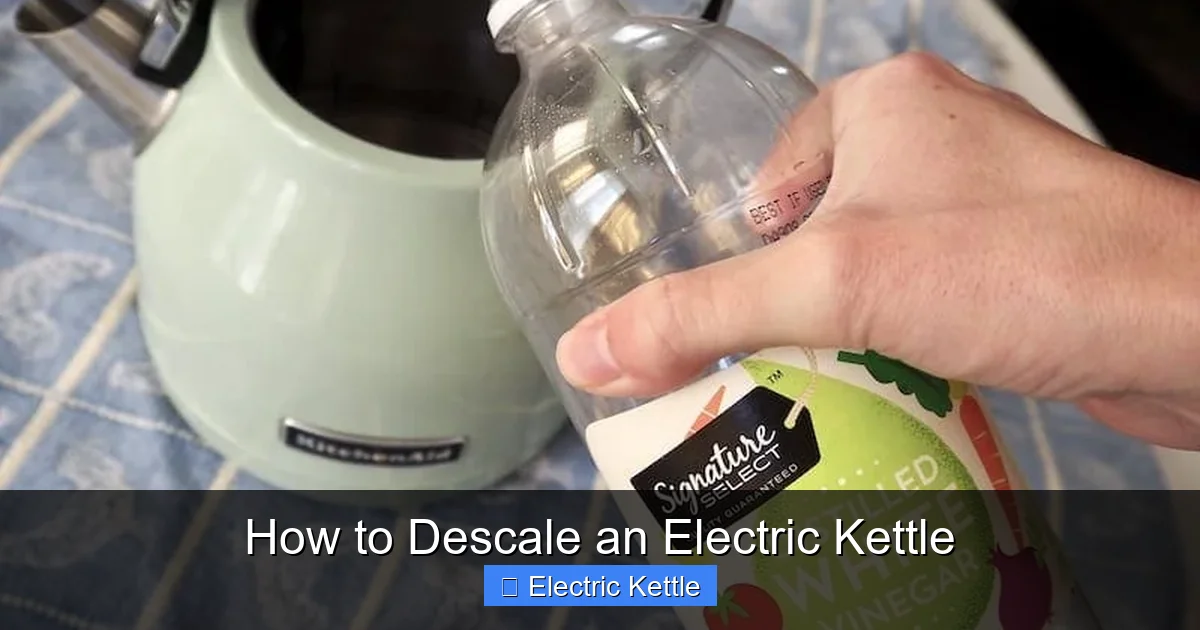
White vinegar is the gold standard for descaling electric kettles—and for good reason. It’s inexpensive, widely available, and highly effective at dissolving limescale without harsh chemicals. Plus, it’s safe for most kettle materials, including stainless steel and plastic.
Step-by-Step Vinegar Descaling Method
Start by unplugging your kettle and allowing it to cool completely. Safety first! Next, fill the kettle halfway with equal parts white vinegar and water. For example, if your kettle holds 1.7 liters, use about 425ml of vinegar and 425ml of water. This ratio provides enough acidity to break down scale without being overly strong.
Plug the kettle back in and bring the solution to a boil. Let it boil for about 10–15 minutes, then unplug and let it sit for at least an hour—or even overnight for heavy buildup. The longer it sits, the more time the vinegar has to dissolve the mineral deposits.
After soaking, pour out the vinegar solution and scrub the interior gently with a soft sponge or brush. Avoid abrasive scrubbers, as they can scratch the surface. Pay special attention to the heating element and spout, where scale tends to accumulate.
Rinse the kettle thoroughly—at least three times—with fresh water. Fill it up, boil, and discard the water to remove any lingering vinegar taste. Repeat this rinse cycle once or twice if needed. Finally, wipe the exterior with a damp cloth and dry it before your next use.
Tips for Best Results
For stubborn scale, increase the vinegar concentration to a 1:1 ratio or even use straight vinegar for a short soak. Just be sure to rinse thoroughly afterward. If your kettle has a removable filter or mesh screen, take it out and soak it separately in vinegar for 30 minutes before scrubbing.
Avoid using vinegar in kettles with non-stick coatings or delicate finishes, as the acidity could damage them over time. And never mix vinegar with bleach or other cleaning agents—this can create toxic fumes.
Using Lemon Juice to Descale Your Kettle
If you prefer a more natural, citrus-scented approach, lemon juice is an excellent alternative to vinegar. It’s milder, smells fresh, and works well for light to moderate limescale buildup.
How to Descale with Lemon Juice
Cut a fresh lemon in half and squeeze the juice directly into your kettle. For a 1.7-liter kettle, use the juice of one whole lemon. Add enough water to fill the kettle about halfway. You can also drop in the lemon halves for extra acidity and a pleasant aroma.
Plug in the kettle and bring the lemon-water mixture to a boil. Let it boil for 5–10 minutes, then unplug and let it sit for 30 minutes to an hour. The citric acid in the lemon will work to break down mineral deposits.
After soaking, pour out the liquid and scrub the interior with a soft sponge. Rinse the kettle thoroughly with fresh water, then fill it up, boil, and discard the water to remove any lemon residue. Repeat the rinse once or twice if you notice a strong citrus smell.
Why Lemon Works
Lemon juice contains citric acid, which reacts with calcium carbonate—the main component of limescale—to form soluble compounds that can be easily rinsed away. It’s a gentler option than vinegar, making it ideal for kettles with sensitive finishes or for those who dislike the smell of vinegar.
For best results, use fresh lemon juice rather than bottled. Concentrated or preserved lemon juice may contain additives that reduce effectiveness. And while lemon is great for maintenance, it may not be strong enough for heavy, long-term buildup.
Commercial Descaling Solutions: Are They Worth It?
If you’re short on time or prefer a ready-made solution, commercial descaling products are a convenient option. Brands like Durgol, Viakal, and Finish offer descaling liquids or tablets specifically designed for kettles, coffee makers, and other small appliances.
How to Use a Commercial Descaler
Always follow the manufacturer’s instructions, as formulas vary. Typically, you’ll dissolve a tablet or mix a measured amount of liquid with water in the kettle. Bring the solution to a boil, let it sit for the recommended time (usually 15–30 minutes), then rinse thoroughly.
Most commercial descalers are fast-acting and require fewer rinse cycles than vinegar or lemon. Some are also formulated to protect the heating element and leave no aftertaste. They’re especially useful for people with very hard water or those who descale frequently.
Pros and Cons
The biggest advantage of commercial descalers is convenience. They’re pre-measured, often odorless, and designed for specific appliances. Many are also safe for use with plastic components and won’t damage seals or gaskets.
However, they can be more expensive than household alternatives. A single-use packet might cost $1–$2, while a bottle of vinegar costs pennies per use. Additionally, some people prefer to avoid synthetic chemicals, even in small amounts.
If you choose a commercial product, look for one labeled “food-safe” or “suitable for kettles.” Avoid generic drain cleaners or industrial descalers, as they may be too harsh and leave harmful residues.
How Often Should You Descale Your Electric Kettle?
The frequency of descaling depends on two main factors: your water hardness and how often you use your kettle.
If you live in an area with hard water—common in regions with limestone or chalk bedrock—you’ll likely need to descale every 4–6 weeks. You can check your local water report online or use a home testing kit to determine hardness levels. Water with more than 120 mg/L of calcium carbonate is considered hard.
For daily users, monthly descaling is a good rule of thumb. If you only use your kettle a few times a week, you might get away with descaling every 2–3 months. However, don’t wait for visible signs—preventive maintenance is always better than reactive cleaning.
Seasonal and Usage-Based Tips
Consider descaling your kettle at the start of each season, especially before winter when heating appliances are used more heavily. If you notice a sudden change in taste or performance, don’t hesitate to descale immediately—even if it’s sooner than planned.
For travelers or office workers who use shared kettles, descale more frequently. Public kettles often have higher mineral buildup due to inconsistent maintenance.
And remember: even if you use filtered or bottled water, some minerals can still pass through. Descaling remains important, though it may be needed less often.
Tips for Maintaining a Clean Electric Kettle
Descaling is just one part of kettle care. Regular maintenance helps prevent buildup and keeps your appliance in top condition.
Daily and Weekly Habits
After each use, empty any leftover water to prevent stagnation and mineral concentration. Wipe the exterior with a damp cloth to remove fingerprints, spills, or dust. Avoid using abrasive cleaners or steel wool, which can scratch surfaces.
Once a week, give the interior a quick rinse with fresh water and a drop of mild dish soap. Use a soft sponge to clean the spout and lid, then rinse thoroughly. This helps remove oils, residue, and light mineral films before they harden.
Preventing Limescale Buildup
Use filtered water whenever possible. While it won’t eliminate minerals entirely, it can significantly reduce the rate of scale formation. Avoid overfilling your kettle—water that sits above the heating element can leave behind more residue as it evaporates.
If your kettle has a removable limescale filter, clean it regularly according to the manufacturer’s instructions. Some models also have anti-scale coatings or built-in filters—take advantage of these features.
Storage and Long-Term Care
When not in use, store your kettle in a dry, cool place with the lid open to allow airflow. This prevents moisture buildup and mold growth. If you’re storing it for an extended period, descale it first and ensure it’s completely dry.
For kettles with glass bodies, avoid sudden temperature changes—like pouring cold water into a hot kettle—as this can cause cracking. Always let the kettle cool before cleaning.
Troubleshooting Common Descaling Issues
Even with proper care, you might run into a few hiccups. Here’s how to handle common problems.
Lingering Vinegar or Lemon Smell
If your kettle still smells like vinegar or lemon after rinsing, boil a few cycles of fresh water and discard it. You can also add a tablespoon of baking soda to a full kettle of water, boil, and rinse—this neutralizes odors.
Scale Won’t Come Off
For extremely stubborn buildup, try a longer soak—up to 24 hours—with vinegar or a commercial descaler. Use a soft brush to gently scrub, but avoid metal tools that could scratch.
Kettle Still Tastes Off
This could indicate residual scale or contamination. Descale again, and consider replacing the filter if your model has one. If the problem persists, the heating element may be damaged—consult the manufacturer.
Plastic Parts Become Cloudy
This is often due to mineral deposits or heat exposure. Soak plastic components in a vinegar-water solution, then scrub gently. Avoid boiling water in plastic kettles for extended periods.
Conclusion
Descaling your electric kettle is a simple yet essential task that pays off in better-tasting beverages, faster boiling times, and a longer-lasting appliance. Whether you choose vinegar, lemon juice, or a commercial solution, the process is quick, safe, and cost-effective.
By staying alert to the signs of limescale and maintaining a regular cleaning schedule, you can keep your kettle in peak condition. Combine descaling with daily habits like emptying leftover water and wiping the exterior, and you’ll enjoy clean, efficient performance for years to come.
Don’t wait for problems to arise—make descaling part of your routine. Your taste buds, your energy bill, and your kettle will thank you.
Frequently Asked Questions
How often should I descale my electric kettle?
Descale your electric kettle every 1–3 months, depending on water hardness and usage. If you use it daily with hard water, aim for monthly descaling.
Can I use apple cider vinegar to descale my kettle?
It’s not recommended. Apple cider vinegar contains sugars and pigments that can leave residue or stains. Stick to white distilled vinegar for best results.
Is it safe to drink water after descaling?
Yes, as long as you rinse the kettle thoroughly. Boil and discard fresh water 2–3 times to ensure no cleaning solution remains.
Can I descale a kettle with a non-stick coating?
Check the manufacturer’s guidelines. Some non-stick coatings can be damaged by acidic cleaners. Use mild solutions and avoid abrasive scrubbing.
What if my kettle has a glass body?
Glass kettles can be descaled the same way, but avoid sudden temperature changes. Use soft sponges and avoid metal brushes to prevent scratching.
Do I need to descale if I use filtered water?
Yes, but less frequently. Filtered water reduces mineral content, but some minerals still remain. Descale every 2–3 months as a preventive measure.