Descaling your electric kettle with white vinegar is a simple, affordable, and eco-friendly way to remove stubborn limescale buildup and keep your appliance running efficiently. This method uses common household ingredients to restore heating performance, improve water taste, and extend the lifespan of your kettle—no harsh chemicals required.
Key Takeaways
- White vinegar effectively dissolves limescale: Its acetic acid content breaks down mineral deposits like calcium and magnesium that accumulate from hard water.
- Descaling improves kettle performance: Removing scale buildup helps your kettle heat water faster and more evenly, saving energy and time.
- It’s safe for most electric kettles: White vinegar is non-toxic and gentle on stainless steel, plastic, and glass components when used correctly.
- Regular descaling prevents long-term damage: Monthly maintenance can prevent overheating, element failure, and unpleasant odors or tastes in your water.
- The process takes under an hour: Most of the time is passive soaking, making it a quick and easy home maintenance task.
- Rinse thoroughly after descaling: Multiple rinses ensure no vinegar taste or smell remains in your kettle or future drinks.
- Use distilled water to reduce future buildup: Switching to softer water sources minimizes limescale formation over time.
📑 Table of Contents
- Why Descaling Your Electric Kettle Matters
- What Is Limescale and Why Does It Form?
- Why Use White Vinegar for Descaling?
- Step-by-Step Guide to Descaling with White Vinegar
- How Often Should You Descale Your Kettle?
- Alternative Descaling Methods and When to Use Them
- Tips to Prevent Future Limescale Buildup
- Conclusion
Why Descaling Your Electric Kettle Matters
If you’ve ever noticed a chalky white film inside your electric kettle or noticed it’s taking longer to boil water, you’re likely dealing with limescale buildup. This common issue affects millions of households, especially those with hard water—water that contains high levels of dissolved minerals like calcium and magnesium. Over time, these minerals accumulate on the heating element and interior surfaces of your kettle, forming a hard, crusty layer known as limescale.
Ignoring this buildup isn’t just a cosmetic issue. Limescale acts as an insulator, reducing the efficiency of your kettle’s heating element. This means your kettle has to work harder and longer to heat water, which increases energy consumption and can shorten the appliance’s lifespan. In severe cases, thick scale deposits can even cause the kettle to overheat or fail entirely. Beyond performance, limescale can affect the taste and odor of your water, making your morning coffee or tea less enjoyable.
The good news? Descaling your electric kettle is simple, inexpensive, and can be done with items you likely already have at home—like white vinegar. Unlike commercial descaling solutions that may contain harsh chemicals, white vinegar is natural, non-toxic, and highly effective at breaking down mineral deposits. Plus, it’s safe for most kettle materials, including stainless steel, glass, and BPA-free plastic.
What Is Limescale and Why Does It Form?
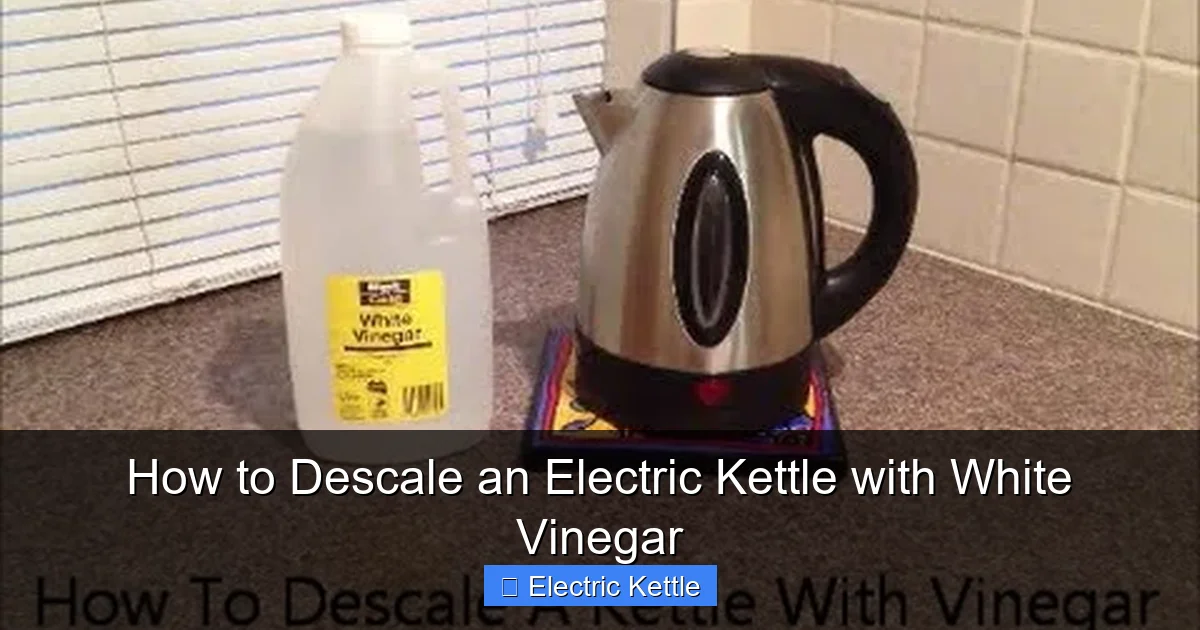
Visual guide about How to Descale an Electric Kettle with White Vinegar
Image source: i.ytimg.com
Limescale is a hard, off-white deposit that forms when hard water is heated. As water heats up, the minerals it contains—primarily calcium carbonate and magnesium carbonate—become less soluble and begin to precipitate out of the solution. These minerals then cling to surfaces inside your kettle, especially the heating element, creating a scaly buildup over time.
Hard water is the main culprit behind limescale formation. The hardness of water varies by region and is determined by the geology of the area. For example, areas with limestone or chalk bedrock tend to have harder water because these rocks naturally release calcium and magnesium into the groundwater. If you live in such an area, you’re more likely to experience rapid limescale buildup in appliances like kettles, coffee makers, and dishwashers.
You can identify limescale by looking for a white, chalky residue inside your kettle, particularly around the spout, lid, and base. You might also notice reduced water flow, longer boiling times, or a metallic taste in your drinks. In advanced cases, you may even hear unusual noises during heating as the element struggles to transfer heat through the insulating layer of scale.
Understanding why limescale forms is the first step toward preventing it. While you can’t eliminate hard water entirely without a whole-house water softener, regular maintenance—like descaling your kettle—can keep mineral buildup under control and ensure your appliance continues to perform at its best.
Why Use White Vinegar for Descaling?
White vinegar is one of the most popular and effective natural cleaners for household appliances, and for good reason. Its active ingredient, acetic acid (typically around 5–8% concentration in household vinegar), is a mild acid that reacts with alkaline mineral deposits like calcium carbonate—the main component of limescale. When vinegar comes into contact with limescale, it dissolves the minerals, turning them into water-soluble compounds that can be easily rinsed away.
One of the biggest advantages of using white vinegar is its safety and accessibility. Unlike commercial descaling products that may contain phosphoric acid or other harsh chemicals, white vinegar is non-toxic, biodegradable, and safe to handle. It won’t damage the interior of most electric kettles, including those made of stainless steel, glass, or heat-resistant plastic. Additionally, it’s inexpensive and widely available at grocery stores, making it a practical choice for regular maintenance.
Another benefit is its versatility. White vinegar not only removes limescale but also helps eliminate odors and bacteria that can accumulate inside your kettle. Over time, stagnant water and mineral deposits can create a breeding ground for microbes, especially if your kettle isn’t cleaned regularly. The acidic nature of vinegar helps sanitize the interior, leaving your kettle fresh and hygienic.
It’s important to note that while white vinegar is effective, it should be used properly to avoid any potential issues. Always dilute it with water, never use it full strength unless directed, and rinse thoroughly afterward to prevent any lingering taste or smell. With the right technique, white vinegar is a gentle yet powerful solution for keeping your electric kettle in top condition.
Step-by-Step Guide to Descaling with White Vinegar
Descaling your electric kettle with white vinegar is a straightforward process that requires minimal effort and no special tools. Follow these simple steps to restore your kettle’s performance and keep it free of limescale.
Gather Your Supplies
Before you begin, make sure you have the following items on hand:
– White vinegar (distilled or cleaning vinegar, 5–8% acetic acid)
– Fresh water
– A soft sponge or cloth
– A measuring cup
– A toothbrush (optional, for scrubbing hard-to-reach areas)
Prepare the Vinegar Solution
Start by mixing equal parts white vinegar and water. For most standard kettles (1–1.7 liters), use 1 cup (240 ml) of white vinegar and 1 cup of water. If your kettle is larger or has heavy buildup, you may need to increase the amount proportionally. Pour the mixture into the kettle, making sure it covers the heating element and any visible scale deposits.
Let It Soak
Turn on the kettle and bring the vinegar solution to a boil. Once it reaches a rolling boil, turn off the kettle and let the solution sit for at least 30 minutes. For heavy limescale, you can leave it overnight. The longer it soaks, the more effective the descaling process will be. The acetic acid in the vinegar will gradually break down the mineral deposits, turning them into a soft, crumbly residue.
Scrub and Rinse
After soaking, pour out the vinegar solution. Use a soft sponge or cloth to gently scrub the interior, paying special attention to the heating element and spout. For stubborn spots, a soft-bristled toothbrush can help dislodge residue. Rinse the kettle thoroughly with fresh water at least three to four times to remove all traces of vinegar and loosened scale.
Boil Fresh Water
Fill the kettle with fresh water and boil it once more. This helps eliminate any remaining vinegar taste or odor. Discard this water and rinse the kettle one final time. Your kettle should now be clean, scale-free, and ready to use.
Tips for Best Results
– For light buildup, a 1:1 vinegar-to-water ratio is sufficient. For heavy scale, use undiluted vinegar or increase the soaking time.
– Avoid using abrasive scrubbers or steel wool, as they can scratch the interior surface.
– Always unplug the kettle before cleaning and allow it to cool completely.
How Often Should You Descale Your Kettle?
The frequency of descaling depends on several factors, including your water hardness, how often you use your kettle, and the material it’s made from. As a general rule, most experts recommend descaling your electric kettle once a month if you have hard water, or every two to three months if your water is soft.
If you live in an area with very hard water—such as parts of the Midwest, Southwest, or the UK—you may need to descale more frequently, perhaps every two to three weeks. Signs that it’s time to descale include longer boiling times, visible white deposits, a change in water taste, or unusual noises during heating.
For light users who only boil water a few times a week, less frequent descaling may be sufficient. However, even occasional use can lead to buildup over time, especially if the kettle is left with water inside between uses. Stagnant water encourages mineral deposition, so it’s best to empty and dry your kettle after each use.
To help determine your descaling schedule, consider using a water hardness test kit, available at most hardware or pool supply stores. These kits measure the concentration of calcium and magnesium in your water and can help you tailor your maintenance routine accordingly.
Regular descaling not only keeps your kettle clean but also extends its lifespan and ensures consistent performance. Think of it as a small investment in your appliance’s longevity—one that pays off in energy savings, better-tasting drinks, and fewer repair headaches down the line.
Alternative Descaling Methods and When to Use Them
While white vinegar is the most popular and effective natural descaling agent, there are other options available depending on your preferences and the severity of the buildup. Here are a few alternatives to consider:
Lemon Juice
Fresh lemon juice contains citric acid, which also dissolves limescale effectively. Use the juice of one to two lemons mixed with water, following the same soaking and boiling process as with vinegar. Lemon juice leaves a pleasant citrus scent and is a great choice if you’re sensitive to vinegar’s smell. However, it may be slightly less potent than vinegar for heavy buildup.
Commercial Descaling Solutions
Products like Durgol, De’Longhi Descaler, or Urnex are specifically formulated for kettles and coffee makers. They often contain food-safe acids and are highly effective at removing tough scale. These are ideal for users who prefer a ready-to-use solution or have kettles with delicate components. Always follow the manufacturer’s instructions and rinse thoroughly.
Baking Soda (for Light Cleaning)
While baking soda isn’t strong enough to dissolve heavy limescale on its own, it can be used as a gentle abrasive for scrubbing away surface residue after a vinegar soak. Mix it with water to form a paste and use it with a soft sponge to polish the interior.
When to Choose an Alternative
If your kettle has a non-stick coating or is made of a material that may react with acids (rare but possible), consult the manufacturer’s guidelines before using vinegar or lemon juice. In such cases, a commercial descaler designed for sensitive surfaces may be safer. Additionally, if you’re dealing with extremely thick or hardened scale, a stronger solution or professional cleaning may be necessary.
Tips to Prevent Future Limescale Buildup
Descaling is important, but prevention is even better. Here are some practical tips to minimize limescale formation and reduce how often you need to descale:
– Use filtered or distilled water: These water sources have lower mineral content, significantly reducing scale buildup.
– Empty the kettle after each use: Don’t let water sit inside for long periods, as stagnant water encourages mineral deposition.
– Wipe the interior dry: After emptying, use a soft cloth to dry the inside, especially around the heating element.
– Descale regularly: Even with preventive measures, some buildup is inevitable. Stick to a monthly descaling schedule if you have hard water.
– Install a water softener: If you’re serious about reducing limescale throughout your home, a whole-house water softener can make a big difference.
By combining regular maintenance with smart usage habits, you can keep your electric kettle running smoothly for years to come.
Conclusion
Descaling your electric kettle with white vinegar is a simple, cost-effective, and eco-friendly way to maintain your appliance and ensure it performs at its best. Limescale buildup is a common issue, especially in areas with hard water, but it doesn’t have to be a hassle. With just a few household ingredients and a little time each month, you can dissolve mineral deposits, improve heating efficiency, and enjoy better-tasting water in your tea, coffee, and other hot beverages.
White vinegar stands out as the ideal descaling solution because it’s safe, accessible, and powerful enough to tackle even stubborn buildup. By following the step-by-step guide outlined above, you can restore your kettle to like-new condition without the need for harsh chemicals or expensive products. Plus, regular descaling helps extend the life of your appliance, saving you money in the long run.
Remember, prevention is key. Using filtered water, emptying your kettle after each use, and sticking to a consistent descaling schedule can dramatically reduce limescale formation. Whether you’re a daily tea drinker or just use your kettle occasionally, taking a few minutes each month to descale can make a big difference in performance and longevity.
So the next time you notice that telltale white film or your kettle is taking longer to boil, don’t ignore it—grab a bottle of white vinegar and give your appliance the care it deserves. Your kettle—and your taste buds—will thank you.
Frequently Asked Questions
Can I use apple cider vinegar instead of white vinegar to descale my kettle?
While apple cider vinegar contains acetic acid and can dissolve limescale, it’s not recommended for descaling kettles. It has a stronger odor, may leave a residue, and can stain light-colored interiors. Stick to white vinegar for the best results.
Is it safe to drink water from a kettle that was recently descaled with vinegar?
Yes, as long as you rinse the kettle thoroughly with fresh water and boil a full kettle of water once after descaling. This ensures all vinegar residue is removed and your water tastes clean.
How do I know if my kettle has heavy limescale buildup?
Signs include visible white or gray deposits, longer boiling times, a metallic or chalky taste in water, or unusual noises during heating. If the scale is thick and crusty, it’s time for a deep clean.
Can I descale a kettle with a non-stick coating using vinegar?
Check your manufacturer’s guidelines first. Most non-stick kettles can be descaled with diluted vinegar, but avoid scrubbing aggressively. If unsure, use a commercial descaler designed for coated surfaces.
How long does it take for vinegar to descale a kettle?
The process typically takes 30 minutes to an hour, including soaking and rinsing. For heavy buildup, soaking overnight may be necessary for complete removal.
Will descaling with vinegar damage my electric kettle?
No, when used properly—diluted and rinsed thoroughly—white vinegar is safe for most electric kettles made of stainless steel, glass, or heat-resistant plastic. Avoid using it on kettles with damaged seals or unknown materials.