Descaling your electric tea kettle regularly prevents mineral buildup, improves heating efficiency, and ensures better-tasting tea or coffee. This guide walks you through safe, effective methods using household ingredients like vinegar or citric acid, plus tips to maintain your kettle for years of reliable use.
Key Takeaways
- Descaling removes limescale buildup: Hard water leaves mineral deposits that reduce heating efficiency and affect taste.
- White vinegar is a safe, effective solution: A 1:1 mix of water and vinegar dissolves scale without damaging most kettles.
- Citric acid is a natural alternative: Ideal for those who prefer chemical-free cleaning; just 1–2 tablespoons in water work well.
- Frequency matters: Descale every 1–3 months depending on water hardness and usage.
- Never use harsh abrasives: Scrubbing the interior can scratch surfaces and void warranties.
- Rinse thoroughly after descaling: Multiple rinses prevent lingering odors or flavors in your drinks.
- Regular maintenance extends kettle life: Clean spouts, filters, and exteriors weekly to prevent buildup.
📑 Table of Contents
Why Descaling Your Electric Tea Kettle Matters
If you’ve noticed your electric tea kettle taking longer to boil water, producing a funny smell, or leaving cloudy residue in your cup, it’s likely time to descale. Over time, minerals like calcium and magnesium from hard water accumulate inside the kettle—especially around the heating element and interior walls. This buildup, known as limescale, isn’t just unsightly; it’s a silent performance killer.
Limescale acts as an insulator, forcing your kettle to work harder and use more energy to heat water. That means higher electricity bills and slower brewing times. Worse yet, those mineral deposits can flake off into your tea or coffee, altering the flavor and potentially affecting your health if ingested regularly. In severe cases, heavy scaling can even damage the heating element, leading to costly repairs or premature replacement.
The good news? Descaling is simple, affordable, and takes less than 30 minutes. With just a few household ingredients and some basic steps, you can restore your kettle to peak performance. Whether you’re a daily tea drinker or an occasional coffee maker, keeping your electric kettle free of scale ensures every sip tastes fresh and your appliance lasts longer.
Signs It’s Time to Descale Your Kettle
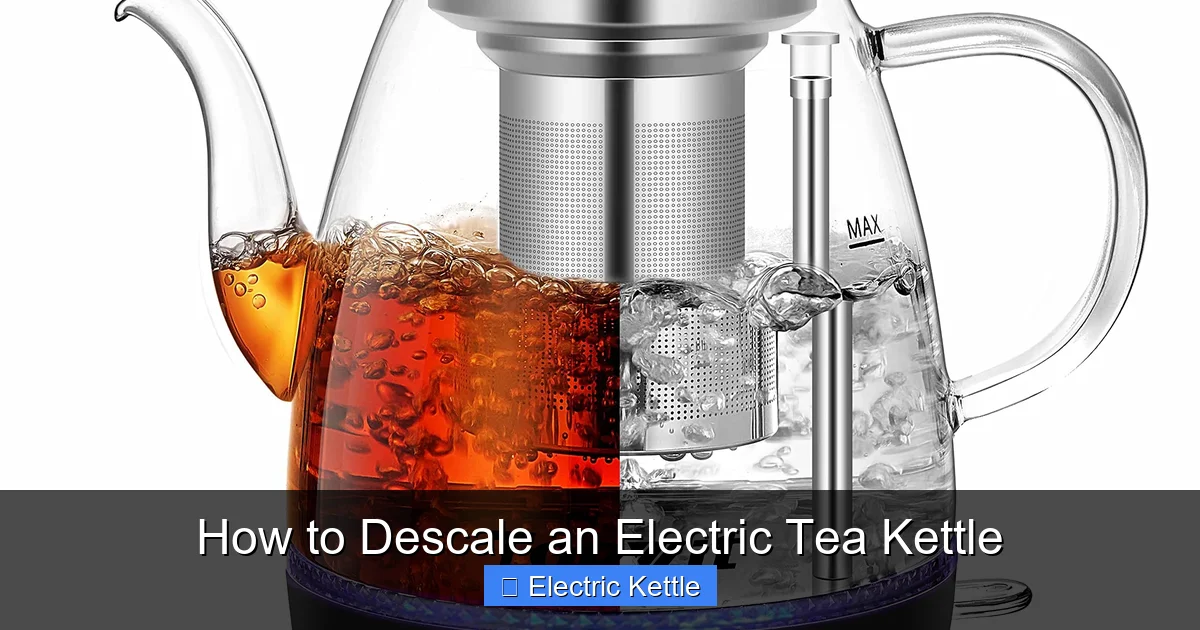
Visual guide about How to Descale an Electric Tea Kettle
Image source: m.media-amazon.com
You don’t need to wait for your kettle to break down before taking action. There are several clear signs that indicate it’s time for a deep clean. The most obvious is visible white or gray crusty buildup inside the kettle, especially near the bottom where the heating element sits. If you see flaky deposits floating in your water or notice a chalky film on the spout, that’s limescale at work.
Another telltale sign is longer boiling times. If your kettle used to boil water in under two minutes but now takes four or five, mineral buildup is likely slowing down heat transfer. You might also detect a metallic or “off” taste in your beverages—even if you’re using fresh water and high-quality tea leaves. This happens when scale particles mix with your drink.
Unusual noises during heating, like popping or crackling sounds, can also point to scaling. These occur when trapped steam builds up behind mineral deposits. Finally, if your kettle’s automatic shut-off feature becomes unreliable—turning off too early or not at all—it could be due to sensors being blocked by scale.
Don’t ignore these warning signs. Addressing them early prevents bigger problems down the line and keeps your kettle running smoothly.
What You’ll Need to Descale Safely
Before you start, gather your supplies. The great thing about descaling is that you probably already have everything you need at home. For the most common method, you’ll want white distilled vinegar—it’s cheap, non-toxic, and highly effective at breaking down limescale. Avoid apple cider or colored vinegars, as they can leave stains or odors.
You’ll also need clean water for mixing and rinsing. A measuring cup helps ensure the right ratio, and a soft sponge or cloth is useful for wiping down the exterior and spout. If your kettle has a removable filter (common in many modern models), take it out before starting—it often collects its own share of debris.
For those who prefer a chemical-free approach, citric acid powder is an excellent alternative. Available at grocery stores, health food shops, or online, it’s food-safe and leaves no aftertaste. Lemon juice can also work in a pinch, though it’s less concentrated and may require longer soaking times.
Optional but helpful tools include a toothbrush for scrubbing hard-to-reach areas like the spout or lid hinge, and a kettle descaling solution if you’d rather buy a pre-mixed product. However, homemade solutions are usually just as effective and far more economical.
Choosing Between Vinegar, Citric Acid, and Commercial Solutions
When it comes to descaling agents, you have options—and each has its pros and cons. White vinegar is the go-to for most people because it’s readily available, inexpensive, and powerful against limescale. Its mild acidity dissolves mineral deposits without harming stainless steel or plastic components (as long as you rinse well). However, some users dislike the strong smell, though it dissipates quickly after rinsing.
Citric acid is gaining popularity, especially among eco-conscious households. It’s derived from citrus fruits, completely biodegradable, and odorless. A small amount goes a long way—typically 1–2 tablespoons per liter of water—and it leaves no residue. It’s ideal for kettles with sensitive finishes or for those who want to avoid any vinegar scent.
Commercial descaling solutions are convenient and often formulated specifically for kettles. Brands like Durgol or Urnex offer ready-to-use liquids that promise fast results and pleasant fragrances. While effective, they can be pricey over time and may contain synthetic additives. If you choose this route, always follow the manufacturer’s instructions carefully.
Ultimately, the best choice depends on your preferences, budget, and how often you descale. For most users, vinegar or citric acid strikes the perfect balance of effectiveness, safety, and affordability.
Step-by-Step Guide to Descaling with Vinegar
Now that you’re prepared, let’s walk through the classic vinegar method—the most popular and reliable way to descale an electric tea kettle. This process takes about 20–30 minutes, including soaking and rinsing, and requires no special skills.
Start by unplugging your kettle and letting it cool completely if it’s been recently used. Safety first! Then, fill the kettle halfway with equal parts white distilled vinegar and water. For example, if your kettle holds 1.7 liters, use about 425 ml of vinegar and 425 ml of water. This 1:1 ratio provides enough acidity to dissolve scale without being overly harsh.
Next, plug the kettle back in and bring the mixture to a boil. Once it reaches boiling point, turn it off and let the solution sit for at least 15–20 minutes. For heavy scaling, you can leave it overnight—but don’t exceed 24 hours, as prolonged exposure to acid can damage certain materials.
After soaking, pour out the vinegar solution and use a soft sponge or cloth to gently wipe away any loosened scale. Pay special attention to the heating element (visible at the base) and the spout. If there’s stubborn buildup, a soft-bristled toothbrush can help dislodge it—just avoid abrasive scrubbers that might scratch the surface.
Now comes the crucial rinsing step. Fill the kettle with fresh water, boil it, and discard the water. Repeat this process 2–3 times to ensure all vinegar residue is gone. You don’t want your next cup of Earl Grey tasting like salad dressing! Once rinsed, wipe the exterior with a damp cloth and let the kettle air dry with the lid open.
Tips for Tough or Stubborn Scale
If your kettle has years of buildup, the standard vinegar soak might not be enough. In these cases, increase the vinegar concentration to a 2:1 ratio (two parts vinegar to one part water) or extend the soaking time to 1–2 hours. You can also gently shake the kettle while it’s filled with the solution to help dislodge scale from corners.
For kettles with sealed heating elements (where you can’t see the coil), focus on maximizing contact time. Let the solution sit longer and consider repeating the entire process if needed. Some users even add a handful of rice to the vinegar mix—the grains act as a mild abrasive during boiling, helping scrub away deposits.
Never use steel wool, metal scrapers, or harsh chemicals like bleach or drain cleaner. These can corrode the interior, damage seals, and create toxic fumes when heated. Stick to gentle, food-safe methods to protect both your kettle and your health.
Using Citric Acid for a Natural Clean
If vinegar’s smell isn’t your thing, citric acid offers a clean, odor-free alternative. This method is especially popular among people who prioritize natural cleaning products or have sensitivities to strong scents. Plus, it’s just as effective—if not more so—than vinegar for dissolving limescale.
Begin by measuring 1–2 tablespoons of food-grade citric acid powder per liter of water. Dissolve it completely in warm water before pouring it into the kettle. Fill the kettle to about halfway, ensuring the solution covers all scaled areas. Unlike vinegar, citric acid doesn’t need to be boiled immediately—you can let it sit for 30 minutes to an hour before heating.
Once dissolved, plug in the kettle and bring the mixture to a boil. Turn it off and allow it to soak for another 15–30 minutes. The citric acid will break down the mineral deposits, turning them into a milky liquid that’s easy to pour out. Use a soft cloth or sponge to wipe away any remaining residue, especially around the spout and filter.
Rinse thoroughly with fresh water—again, 2–3 boiling cycles are recommended to eliminate any trace of acid. Citric acid leaves no aftertaste, so your tea and coffee will taste crisp and clean from the first use. Store any leftover powder in an airtight container in a cool, dry place for future use.
Why Citric Acid Works So Well
Citric acid is a weak organic acid that reacts with calcium carbonate—the main component of limescale—to form soluble compounds that wash away easily. It’s gentle on metal surfaces yet powerful enough to tackle years of buildup. Unlike vinegar, it doesn’t produce strong fumes when heated, making it ideal for small kitchens or enclosed spaces.
It’s also safe for septic systems and environmentally friendly. Because it’s derived from citrus fruits, it breaks down naturally without harming waterways. Many commercial “natural” cleaning products actually contain citric acid as their active ingredient, so using it at home gives you the same results without the packaging waste.
For best results, always use food-grade citric acid—not the industrial strength version sold for canning or brewing. The food-grade type is purer and safer for appliances that contact drinking water.
Maintaining Your Kettle Between Descaling Sessions
Descaling isn’t a one-and-done task—it’s part of an ongoing maintenance routine that keeps your kettle in top shape. The good news is that daily care is simple and takes just a few seconds.
After each use, empty any leftover water from the kettle. Standing water encourages mineral deposits and can lead to mold or bacteria growth, especially in warm, humid environments. Wipe the exterior with a dry cloth to prevent water spots and fingerprints.
Weekly, give the spout and lid a quick wipe with a damp cloth. If your kettle has a mesh filter (designed to catch limescale and debris), remove it and rinse it under running water. Soak it in vinegar or citric acid solution monthly if it shows signs of clogging.
Consider using filtered or distilled water if you live in a hard water area. While this won’t eliminate the need for descaling entirely, it significantly reduces the frequency. Some users report going 6–12 months between descaling when using soft or filtered water.
Finally, store your kettle with the lid open when not in use. This allows air circulation and prevents musty odors from developing inside. Avoid stacking items on top of it, which can scratch the surface or damage the lid mechanism.
When to Replace vs. Repair
Even with perfect care, electric kettles don’t last forever. Most high-quality models last 3–5 years with regular use. If your kettle still shows signs of scaling after thorough descaling, or if it develops leaks, electrical issues, or a burnt smell, it may be time to replace it.
Check the warranty—many brands offer 1–2 years of coverage. If your kettle is still under warranty and malfunctioning, contact the manufacturer before attempting repairs. DIY fixes can void the warranty and pose safety risks.
Investing in a kettle with a removable filter, visible heating element, and stainless steel interior makes future descaling easier. Look for models labeled “descaling-friendly” or “easy-clean” if you live in a hard water region.
Common Mistakes to Avoid
Even simple tasks can go wrong if you’re not careful. One of the biggest mistakes is using too much vinegar or leaving it in too long. While vinegar is safe, excessive exposure can degrade rubber seals or damage painted exteriors. Stick to the recommended ratios and soaking times.
Another error is skipping the rinse cycle. Residual vinegar or citric acid can affect the taste of your drinks and, in rare cases, irritate sensitive stomachs. Always rinse at least twice with fresh, boiled water.
Never descale a hot kettle. Always let it cool first to prevent burns and avoid thermal shock, which can crack glass or ceramic components. Similarly, don’t pour cold water into a recently boiled kettle—it can warp the base or damage the heating element.
Avoid using abrasive cleaners or scouring pads on the interior. These scratch the surface, creating tiny grooves where bacteria and scale can hide. Stick to soft cloths, sponges, or brushes.
Finally, don’t assume all kettles are the same. Always check your user manual before descaling. Some models have specific instructions or warnings—for example, kettles with non-stick coatings may require gentler treatment.
Conclusion
Keeping your electric tea kettle descaled is one of the easiest ways to ensure great-tasting beverages, energy efficiency, and a long appliance lifespan. With just vinegar or citric acid and a little time each month, you can prevent limescale buildup and keep your kettle performing like new.
Remember: regular maintenance beats emergency repairs. By incorporating descaling into your routine and avoiding common pitfalls, you’ll enjoy faster boils, cleaner water, and peace of mind. Whether you’re brewing morning coffee, afternoon tea, or instant noodles, a well-maintained kettle makes all the difference.
So next time you notice that chalky film or hear an unusual sizzle, don’t ignore it—grab your vinegar, follow these steps, and give your kettle the refresh it deserves. Your taste buds (and your wallet) will thank you.
Frequently Asked Questions
How often should I descale my electric tea kettle?
It depends on your water hardness and usage. If you use your kettle daily with hard water, descale every 1–2 months. With soft or filtered water, every 3–4 months is usually sufficient.
Can I use lemon juice instead of vinegar?
Yes, lemon juice contains citric acid and can dissolve limescale. Use the juice of 2–3 lemons mixed with water, but it may require longer soaking times and multiple rinses to remove the citrus scent.
Will descaling damage my kettle’s warranty?
No, descaling with vinegar or citric acid is safe and recommended by most manufacturers. Avoid harsh chemicals or abrasive tools, which could void the warranty.
Is it safe to drink water after descaling?
Yes, as long as you rinse the kettle thoroughly 2–3 times with fresh, boiled water. This removes all traces of cleaning agents and ensures your drinks taste clean.
Can I descale a glass kettle?
Absolutely. Glass kettles can be descaled using the same vinegar or citric acid methods. Just avoid sudden temperature changes and never use metal scrubbers.
What if my kettle still smells after descaling?
Run a cycle with baking soda and water (1 tablespoon per liter) after descaling to neutralize odors. Rinse well afterward to prevent any soapy taste.