Descaling your Cosori electric kettle is essential for maintaining performance, extending lifespan, and ensuring great-tasting water. This guide walks you through simple, step-by-step methods using common household ingredients like white vinegar or citric acid to remove limescale buildup safely and effectively.
Key Takeaways
- Descaling improves performance: Regular descaling prevents overheating, reduces boiling time, and maintains optimal heating efficiency.
- Use natural cleaners: White vinegar and citric acid are safe, effective, and eco-friendly options for removing limescale from your Cosori kettle.
- Frequency matters: Descale every 1–2 months if you live in a hard water area, or every 3–4 months with soft water.
- Never use metal scrubbers: Abrasive tools can scratch the interior and damage the heating element or stainless steel surface.
- Rinse thoroughly: Always rinse the kettle multiple times after descaling to eliminate any lingering taste or odor.
- Prevent future buildup: Use filtered water and empty the kettle after each use to minimize mineral deposits.
- Follow manufacturer guidelines: Always refer to your Cosori user manual for model-specific care instructions.
📑 Table of Contents
- Why Descaling Your Cosori Electric Kettle Matters
- Understanding Limescale and Its Impact
- How Often Should You Descale Your Cosori Kettle?
- Step-by-Step Guide: Descaling with White Vinegar
- Alternative Method: Using Citric Acid
- Preventing Future Limescale Buildup
- Troubleshooting Common Descaling Issues
- When to Call Customer Support
- Final Thoughts: Keep Your Kettle Happy
Why Descaling Your Cosori Electric Kettle Matters
If you’ve noticed your Cosori electric kettle taking longer to boil water, making strange noises, or leaving a chalky residue at the bottom, it’s likely time to descale. Over time, minerals like calcium and magnesium from tap water accumulate inside the kettle, forming a hard, white crust known as limescale. This buildup doesn’t just look unappealing—it can seriously affect how well your kettle works.
Imagine pouring water into your kettle, pressing the button, and waiting… and waiting… for it to boil. That’s what happens when limescale insulates the heating element, forcing it to work harder and use more energy. In severe cases, the kettle may even shut off prematurely due to overheating. Plus, that mineral film can alter the taste of your tea, coffee, or instant soup, giving it a slightly metallic or bitter edge.
But here’s the good news: descaling your Cosori electric kettle is simple, affordable, and takes less than 30 minutes. With just a few household ingredients and some basic steps, you can restore your kettle to peak performance. Whether you’re a daily tea drinker or just use your kettle occasionally, regular maintenance ensures you get clean, fast, and great-tasting hot water every time.
Understanding Limescale and Its Impact
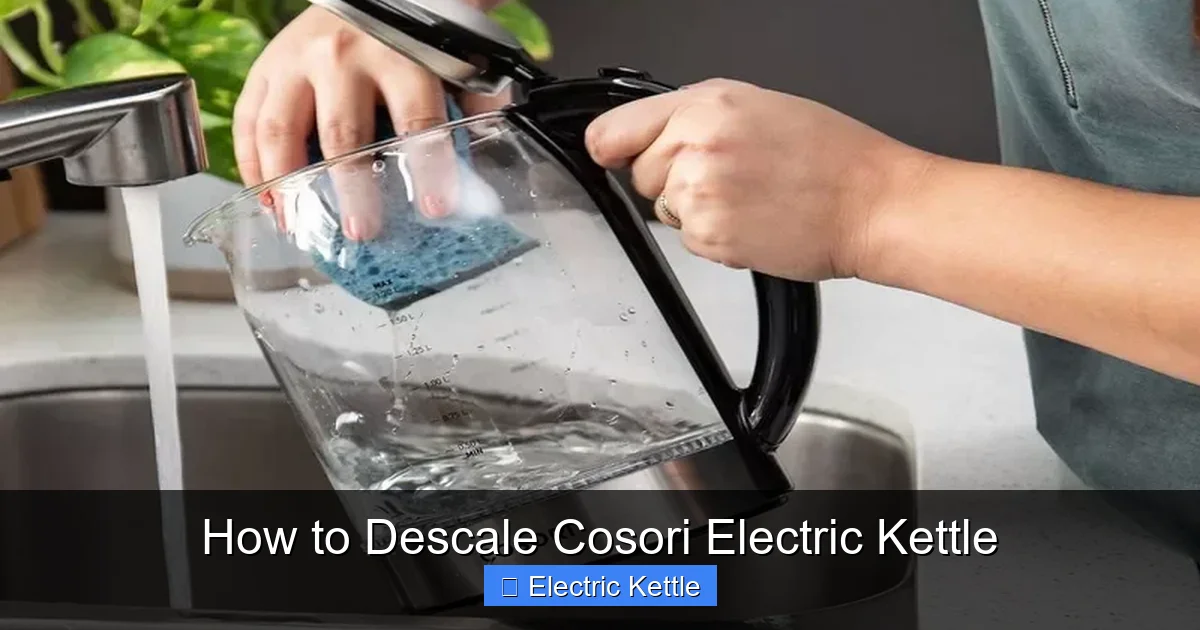
Visual guide about How to Descale Cosori Electric Kettle
Image source: irrorwxhiqijjr5q.ldycdn.com
Before diving into the how-to, it helps to understand what limescale actually is and why it forms. Limescale is a hard, off-white deposit made mostly of calcium carbonate. It appears when hard water—water high in dissolved minerals—is heated. As the water evaporates during boiling, these minerals are left behind, gradually building up on the kettle’s interior surfaces, especially around the heating element.
Hard water is common in many regions, particularly those with limestone-rich soil. If your tap water leaves spots on dishes or makes soap lather poorly, you likely have hard water. Over time, this leads to visible scaling in kettles, coffee makers, and other appliances that heat water.
The problem isn’t just cosmetic. Limescale acts as an insulator, reducing heat transfer efficiency. This means your Cosori kettle has to run longer to reach boiling point, increasing energy consumption and potentially shortening the appliance’s lifespan. In extreme cases, thick scale can trap moisture, creating a breeding ground for bacteria or mold—especially if the kettle isn’t dried properly after use.
Additionally, scale buildup can cause rattling or popping sounds during heating, as trapped steam escapes through the mineral crust. While not dangerous, these noises are annoying and signal that your kettle needs attention.
How Often Should You Descale Your Cosori Kettle?
The frequency of descaling depends largely on your water hardness and usage habits. If you live in an area with hard water and use your kettle daily, you should aim to descale every 4–6 weeks. For those with moderately hard water and moderate use, every 2–3 months is sufficient. If your water is soft or you only use the kettle occasionally, descaling every 4–6 months may be enough.
A good rule of thumb: if you see visible white or gray deposits inside the kettle, or if boiling time has noticeably increased, it’s time to descale—even if it hasn’t been a full month. Don’t wait for major buildup; regular maintenance prevents bigger problems down the line.
You can also check your local water report (often available online from your municipal water provider) to determine your water’s hardness level. Measurements are usually given in grains per gallon (gpg) or parts per million (ppm). Water is considered hard at 7+ gpg or 120+ ppm. The harder the water, the more frequently you’ll need to descale.
Pro tip: Keep a small notebook or use a phone reminder to track your descaling schedule. Consistency is key to keeping your Cosori kettle in top shape.
Step-by-Step Guide: Descaling with White Vinegar
White vinegar is one of the most popular and effective natural descaling agents. It’s acidic enough to dissolve limescale but gentle on your kettle’s stainless steel interior. Here’s how to do it safely and thoroughly.
What You’ll Need
- Distilled white vinegar (5% acidity)
- Water
- Soft cloth or sponge
- Measuring cup
- Optional: toothbrush for hard-to-reach spots
Step 1: Prepare the Solution
Start by mixing equal parts white vinegar and water. For a standard 1.7-liter Cosori kettle, use about 1 cup (240 ml) of vinegar and 1 cup of water. This ratio is strong enough to break down scale but won’t leave a strong vinegar smell if rinsed properly.
Never use undiluted vinegar unless you’re dealing with heavy buildup—and even then, limit it to one session. Pure vinegar can be harsh on seals and may leave a lingering odor.
Step 2: Fill and Soak
Pour the vinegar-water mixture into the kettle, making sure it covers the heating element and any visible scale. If your kettle has a removable base, ensure the liquid level is below the maximum fill line to avoid overflow.
Let the solution sit for at least 30 minutes. For moderate to heavy scaling, leave it for 1–2 hours. The longer it sits, the more effective the descaling will be. You’ll notice bubbles forming as the vinegar reacts with the minerals—this is a good sign!
Step 3: Boil and Scrub
After soaking, plug in the kettle and bring the solution to a boil. Let it boil for 5–10 minutes. The heat accelerates the chemical reaction, helping to loosen stubborn deposits.
Once boiled, unplug the kettle and let it cool for 10–15 minutes. Then, use a soft sponge or cloth to gently wipe the interior. For tight spots around the spout or heating element, a soft-bristled toothbrush works well. Avoid metal brushes or abrasive pads—they can scratch the stainless steel.
Step 4: Rinse Thoroughly
Empty the kettle and rinse it at least 3–4 times with clean water. Fill it halfway, swish the water around, and pour it out. Repeat until there’s no vinegar smell or taste left.
To be extra sure, boil a full kettle of fresh water once or twice and discard it. This helps flush out any remaining vinegar residue and ensures your next cup of tea tastes clean.
Step 5: Dry and Store
Wipe the exterior with a dry cloth and leave the lid open to air-dry completely before storing. Moisture left inside can encourage mold or mildew, especially in humid environments.
Alternative Method: Using Citric Acid
If you prefer a vinegar-free option or want something even more eco-friendly, citric acid is an excellent alternative. It’s a natural compound found in citrus fruits and is highly effective at dissolving limescale without the strong odor.
Why Choose Citric Acid?
Citric acid is odorless, non-toxic, and biodegradable. It’s also more concentrated than vinegar, so you need less of it. Many people find it leaves no aftertaste, even with minimal rinsing. Plus, it’s widely available in grocery stores, often sold as “food-grade citric acid” in the canning or baking aisle.
How to Use Citric Acid
Start by dissolving 1–2 tablespoons of citric acid powder in 1 liter (about 4 cups) of warm water. Stir until fully dissolved. Pour the solution into your Cosori kettle, ensuring it covers the heating element and scale buildup.
Let it sit for 30–60 minutes. For heavy scaling, you can boil the solution for 10–15 minutes, then let it cool and soak for another hour. The citric acid will break down the minerals into soluble compounds that can be easily rinsed away.
After soaking, scrub gently with a soft sponge or brush, then rinse thoroughly with clean water. Boil fresh water 1–2 times and discard to ensure no residue remains.
Tips for Best Results
- Use food-grade citric acid only—industrial grades may contain impurities.
- Store citric acid in a cool, dry place in an airtight container.
- If you don’t have citric acid, lemon juice can work in a pinch (use ½ cup lemon juice + 1 cup water), though it’s less potent.
Preventing Future Limescale Buildup
Descaling is important, but prevention is even better. With a few simple habits, you can significantly reduce the frequency of descaling and keep your Cosori kettle running smoothly.
Use Filtered Water
One of the easiest ways to prevent scale is to use filtered or distilled water. Water filters (like pitcher filters or under-sink systems) remove many of the minerals that cause limescale. Distilled water has virtually no minerals, making it ideal for appliances.
While it may seem like an extra step, using filtered water not only extends your kettle’s life but also improves the taste of your beverages. Many tea and coffee enthusiasts swear by it.
Empty the Kettle After Each Use
Don’t let water sit in your kettle overnight. Standing water allows minerals to settle and form deposits. After boiling, pour out any unused water and leave the lid open to dry. This simple habit can make a big difference over time.
Wipe Down the Interior Weekly
Once a week, give the inside of your kettle a quick wipe with a damp cloth. This removes any early-stage mineral film before it hardens into scale. For extra cleaning power, use a mild solution of water and baking soda (1 tsp per cup) for a gentle scrub.
Avoid Overfilling
Only fill your kettle with the amount of water you need. Excess water means more evaporation and more mineral concentration. Plus, overfilling can lead to spills and steam burns.
Regular Maintenance Checks
Every few weeks, inspect the heating element and interior for signs of buildup. Early detection means easier cleaning and less downtime.
Troubleshooting Common Descaling Issues
Even with the best care, you might run into a few hiccups. Here’s how to handle common problems.
Lingering Vinegar Smell or Taste
If your water still tastes or smells like vinegar after descaling, you likely didn’t rinse thoroughly enough. Repeat the rinsing process—fill, swish, pour out—at least 4–5 times. Boil fresh water 2–3 times and discard. Adding a slice of lemon to the final boil can help neutralize odors.
Stubborn Scale That Won’t Come Off
For really tough buildup, try a longer soak—up to 4 hours—or use a stronger solution (2 parts vinegar to 1 part water). You can also gently scrub with a non-abrasive pad. If scale remains, repeat the process after a day or two.
Kettle Still Takes Long to Boil
If descaling doesn’t improve boiling time, check the power outlet and cord for issues. Also, ensure the kettle is clean and not overfilled. If problems persist, contact Cosori customer support—there may be an internal fault.
Discoloration or Rust Spots
Small spots are usually harmless mineral stains and can be removed with vinegar or citric acid. However, if you see flaking or pitting, it could indicate damage to the stainless steel. Avoid using harsh cleaners and consider replacing the kettle if it affects performance.
When to Call Customer Support
While descaling solves most performance issues, there are times when professional help is needed. If your Cosori kettle:
- Won’t turn on or heats inconsistently after descaling
- Makes loud popping or sizzling noises during use
- Leaks water from the base or spout
- Shows error codes or flashing lights
…it’s best to contact Cosori’s customer service. The brand offers excellent support, including troubleshooting guides and warranty service. Most Cosori kettles come with a 2-year warranty, so you may be eligible for a repair or replacement.
Always check the user manual first—many issues have simple fixes. And remember: never attempt to disassemble the kettle yourself, as this can void the warranty and pose safety risks.
Final Thoughts: Keep Your Kettle Happy
Your Cosori electric kettle is designed for convenience, speed, and durability. But like any appliance, it needs a little TLC to keep performing at its best. Descaling is one of the simplest and most impactful maintenance tasks you can do—and it takes less time than brewing a pot of tea.
By descaling regularly with vinegar or citric acid, using filtered water, and adopting good habits like emptying and drying after each use, you’ll enjoy faster boiling, better-tasting water, and a longer-lasting kettle. Plus, you’ll save money on energy and avoid the hassle of unexpected breakdowns.
Think of descaling not as a chore, but as a small act of care—for your appliance, your beverages, and your daily routine. A clean kettle means a cleaner cup, and that’s something worth raising a toast to.
So grab that bottle of vinegar, set a reminder on your phone, and give your Cosori kettle the refresh it deserves. Your future self—and your taste buds—will thank you.
Frequently Asked Questions
Can I use lemon juice instead of vinegar to descale my Cosori kettle?
Yes, lemon juice works as a natural descaling agent due to its citric acid content. Use ½ cup of fresh lemon juice mixed with 1 cup of water, soak for 1–2 hours, then boil and rinse thoroughly. It’s less potent than vinegar, so it may take longer for heavy buildup.
How do I know if my Cosori kettle needs descaling?
Signs include visible white or gray deposits inside the kettle, longer boiling times, strange noises during heating, or a metallic taste in your water. If you notice any of these, it’s time to descale.
Is it safe to drink water after descaling?
Yes, as long as you rinse the kettle thoroughly. Boil and discard fresh water 1–2 times after descaling to ensure no vinegar or citric acid residue remains. Once rinsed, the water is completely safe to drink.
Can I descale my Cosori kettle while it’s still warm?
No, always let the kettle cool completely before adding any cleaning solution. Pouring liquid into a hot kettle can cause cracking or warping, especially if the liquid is cold.
Will descaling void my Cosori warranty?
No, regular descaling is part of normal maintenance and will not void your warranty. However, using abrasive cleaners or attempting to disassemble the kettle could. Always follow the user manual guidelines.
What if my Cosori kettle has a glass body?
The descaling process is the same for glass or stainless steel models. Just be extra gentle when scrubbing to avoid scratching the glass. Use a soft sponge or cloth, and avoid metal tools.