Descaling your electric kettle regularly removes limescale buildup, improves taste, and extends appliance life. With simple household ingredients like vinegar or lemon, you can keep your kettle running efficiently and your tea tasting great.
Key Takeaways
- Descaling prevents limescale buildup: Hard water leaves mineral deposits that reduce heating efficiency and affect water taste.
- Use vinegar or lemon for natural cleaning: Both are safe, effective, and affordable descaling agents found in most kitchens.
- Descale every 1–3 months: Frequency depends on water hardness and usage—more often if you live in a hard water area.
- Never use abrasive cleaners: Scrubbing the interior can damage the heating element or non-stick coating.
- Rinse thoroughly after descaling: Multiple rinses ensure no cleaning residue remains in your water.
- Check your kettle’s manual: Some manufacturers recommend specific descaling products or methods.
- Regular maintenance improves performance: A clean kettle heats faster, uses less energy, and lasts longer.
📑 Table of Contents
- Why Descaling Your Electric Kettle Matters
- What Causes Limescale in Electric Kettles?
- Signs Your Electric Kettle Needs Descaling
- How to Descale Your Electric Kettle: Step-by-Step Methods
- How Often Should You Descale Your Electric Kettle?
- Tips for Preventing Limescale Buildup
- Common Mistakes to Avoid When Descaling
- Conclusion
Why Descaling Your Electric Kettle Matters
If you’ve ever noticed a white, chalky film inside your electric kettle or tasted a slight metallic tang in your morning tea, you’re not alone. These are common signs of limescale buildup—a natural result of using hard water. Over time, minerals like calcium and magnesium accumulate on the heating element and interior surfaces, forming a stubborn crust that’s more than just unsightly. It can actually affect how well your kettle performs.
Limescale acts as an insulator, forcing your kettle to work harder and longer to heat water. This not only increases energy consumption but can also shorten the lifespan of your appliance. In severe cases, the heating element may overheat or fail completely. Beyond performance issues, scale buildup can alter the taste of your water, making coffee, tea, or even baby formula less enjoyable. And let’s be honest—no one wants to brew their favorite Earl Grey with a side of mineral residue.
The good news? Descaling your electric kettle is simple, quick, and doesn’t require special tools or expensive products. With a few household ingredients and a little time, you can restore your kettle to peak condition. Whether you’re a daily tea drinker or just use your kettle occasionally, regular descaling is a small habit that pays big dividends in performance, taste, and longevity.
What Causes Limescale in Electric Kettles?
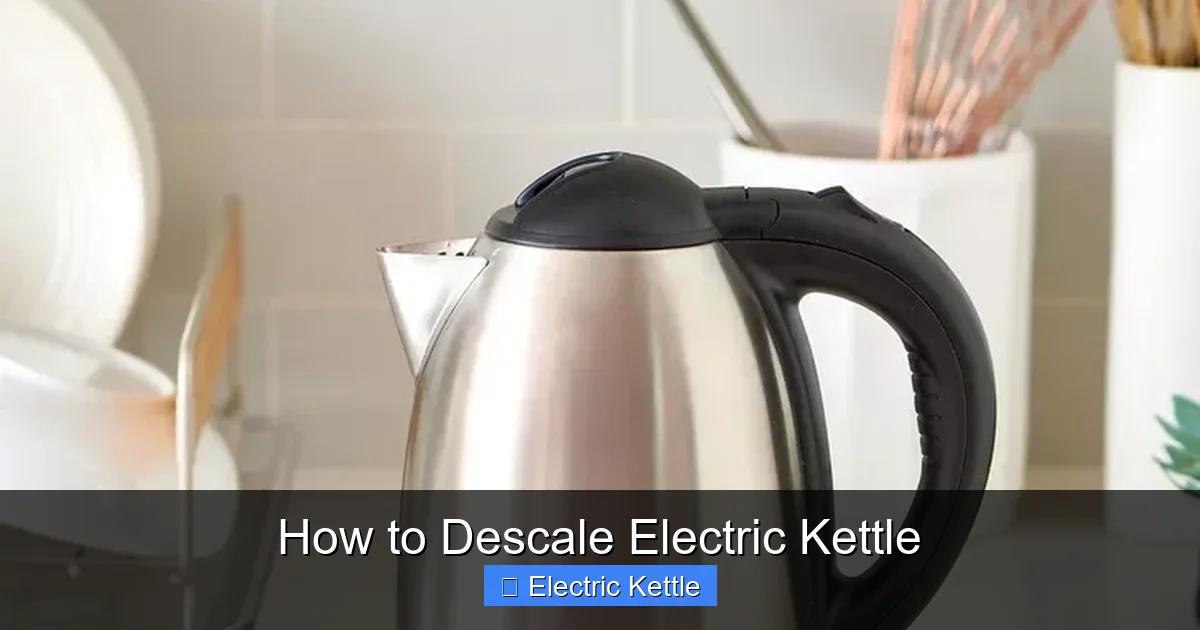
Visual guide about How to Descale Electric Kettle
Image source: irrorwxhiqijjr5q.ldycdn.com
Limescale forms when hard water is heated. Hard water contains high levels of dissolved minerals—primarily calcium and magnesium—that are harmless to drink but problematic when heated repeatedly. As water boils, these minerals precipitate out of solution and cling to surfaces, especially the heating element, which gets the hottest. Over weeks and months, this creates a hard, white or gray crust that’s difficult to remove.
The rate of buildup depends on several factors. If you live in an area with particularly hard water—common in regions with limestone-rich soil—you’ll notice scale forming faster. Similarly, frequent use accelerates the process. A kettle used multiple times a day will accumulate scale much quicker than one used only occasionally. Even the type of kettle matters: stainless steel and glass models may show scale more visibly, while plastic interiors can hide it—but the problem remains just the same.
You might be wondering, “Can’t I just wipe it off?” Unfortunately, limescale isn’t something you can easily scrub away with a sponge. It bonds tightly to surfaces and can only be dissolved with acidic solutions. That’s why descaling—using mild acids like vinegar or citric acid—is the most effective method. Ignoring the problem won’t make it go away; in fact, it will only get worse. Left unchecked, thick scale layers can clog water flow, reduce heating efficiency by up to 30%, and even cause your kettle to shut off prematurely due to overheating.
Signs Your Electric Kettle Needs Descaling
Knowing when to descale your electric kettle is key to maintaining its performance. While some signs are obvious, others are more subtle. Here are the most common indicators that it’s time for a deep clean:
Visible White or Gray Deposits
The most obvious sign is the appearance of chalky, white, or gray residue on the inside of the kettle, especially around the heating element or spout. This is limescale in its early stages. If you can see it, it’s already affecting your kettle’s efficiency.
Longer Boiling Times
If your kettle is taking noticeably longer to boil water than it used to, scale buildup could be the culprit. The mineral layer insulates the heating element, forcing it to work harder and use more energy to reach boiling point.
Unusual Noises During Heating
A healthy kettle heats quietly. If you start hearing popping, crackling, or sizzling sounds, it could mean that scale is trapping steam or causing hot spots on the heating element. This not only reduces efficiency but can also be a safety concern.
Off Taste or Odor in Water
Even if you can’t see scale, it can still affect the taste of your water. Minerals and residue may impart a metallic, chalky, or stale flavor to tea, coffee, or boiled water. If your drinks don’t taste as fresh as they used to, your kettle might be the issue.
Reduced Water Flow or Clogged Spout
In advanced cases, scale can build up in the spout or filter, restricting water flow. You might notice slower pouring or even spluttering when you try to fill a cup.
Kettle Shuts Off Prematurely
Some kettles have automatic shut-off features that activate when the heating element overheats. If your kettle turns off before the water boils, it could be due to scale insulating the element and causing it to overheat.
If you notice any of these signs, don’t wait—descale your kettle as soon as possible. The sooner you address the problem, the easier it will be to clean and the less damage it will cause.
How to Descale Your Electric Kettle: Step-by-Step Methods
Descaling your electric kettle is easier than you might think. There are several effective methods, each using common household ingredients. Below are the most popular and reliable techniques, along with step-by-step instructions.
Method 1: White Vinegar Descaling
White vinegar is one of the most popular and effective descaling agents. Its acetic acid content dissolves limescale quickly and safely.
What You’ll Need:
– White vinegar (distilled)
– Water
– Soft cloth or sponge
– Kettle
Steps:
1. Mix equal parts white vinegar and water. For most kettles, fill it halfway with the solution.
2. Top off the rest with water so the kettle is about three-quarters full.
3. Plug in the kettle and bring the solution to a boil.
4. Once boiling, turn off the kettle and let the solution sit for 15–30 minutes. For heavy buildup, leave it for up to an hour.
5. Pour out the vinegar solution and scrub the interior gently with a soft sponge or cloth. Avoid abrasive pads.
6. Rinse the kettle thoroughly with clean water at least 3–4 times to remove all vinegar residue.
7. Fill the kettle with fresh water, boil it, and discard the water. Repeat this step once or twice to ensure no vinegar taste remains.
Tip: For stubborn scale, you can repeat the process or let the vinegar sit longer. Always rinse well to avoid any sour taste in your next cup of tea.
Method 2: Lemon Juice Descaling
Lemon juice is a natural, fragrant alternative to vinegar. It’s especially good if you’re sensitive to vinegar’s smell.
What You’ll Need:
– Fresh lemon juice (or bottled, but fresh is better)
– Water
– Soft cloth
Steps:
1. Squeeze the juice of one or two lemons into the kettle—about ¼ to ½ cup.
2. Add water to fill the kettle about halfway.
3. Boil the lemon juice and water mixture.
4. Let it sit for 30–60 minutes, depending on the severity of the scale.
5. Pour out the solution and scrub gently with a soft cloth.
6. Rinse thoroughly with clean water, then boil fresh water 2–3 times to remove any lemon residue.
Tip: You can also use lemon slices instead of juice. Cut a lemon in half, squeeze it into the kettle, and drop the halves in before boiling. The citric acid works the same way.
Method 3: Commercial Descaling Solutions
If you prefer a ready-made solution, many brands sell descaling liquids or tablets specifically designed for kettles and coffee makers. These are often formulated with food-safe acids and are very effective.
What You’ll Need:
– Commercial descaling solution (follow package instructions)
– Water
– Soft cloth
Steps:
1. Read the product label carefully—concentrations and instructions vary.
2. Typically, you’ll mix the solution with water as directed and fill the kettle.
3. Boil the mixture, then let it sit for the recommended time (usually 15–30 minutes).
4. Pour out the solution and rinse thoroughly.
5. Boil fresh water 2–3 times to ensure no chemical taste remains.
Tip: Choose a product labeled “food-safe” and suitable for electric kettles. Avoid using descalers meant for industrial equipment.
Method 4: Baking Soda (For Light Cleaning)
Baking soda isn’t as strong as vinegar or lemon, but it’s great for light maintenance or removing odors.
What You’ll Need:
– 1–2 tablespoons of baking soda
– Water
– Soft cloth
Steps:
1. Mix baking soda with a small amount of water to form a paste.
2. Apply the paste to the inside of the kettle, especially around the heating element.
3. Let it sit for 10–15 minutes.
4. Scrub gently with a soft cloth or sponge.
5. Rinse thoroughly and boil fresh water once to remove residue.
Note: Baking soda is best for prevention or mild buildup. For heavy scale, use vinegar or lemon.
How Often Should You Descale Your Electric Kettle?
The frequency of descaling depends on how hard your water is and how often you use your kettle. There’s no one-size-fits-all answer, but here are some general guidelines:
– Soft water areas: If your water is soft (low in minerals), you may only need to descale every 3–4 months.
– Moderate hardness: In areas with moderately hard water, descaling every 1–2 months is recommended.
– Hard water areas: If you live where water is very hard, descale every 3–4 weeks, especially if you use your kettle daily.
You can also use a water hardness test strip (available online or at hardware stores) to check your water. These strips change color based on mineral content and give you a clear idea of how often to clean.
Another way to judge is by performance. If you notice longer boiling times, odd tastes, or visible scale, it’s time to descale—even if it hasn’t been a full month. Regular maintenance prevents major buildup and keeps your kettle in top shape.
Tips for Preventing Limescale Buildup
While descaling is essential, prevention is even better. Here are some simple habits to reduce scale formation and extend the time between cleanings:
Use Filtered Water
Filling your kettle with filtered or distilled water significantly reduces mineral content. This is one of the easiest and most effective ways to prevent limescale.
Empty the Kettle After Use
Don’t let water sit in the kettle for long periods. Residual water evaporates, leaving behind concentrated minerals that accelerate scale formation. Always empty and dry the interior after each use.
Wipe the Interior Regularly
After descaling, wipe the inside with a damp cloth weekly to remove any early mineral deposits before they harden.
Avoid Overfilling
Only fill your kettle with the amount of water you need. Excess water means more minerals and longer heating times, both of which contribute to scale.
Descale Proactively
Even if you don’t see scale, a quick monthly vinegar rinse can prevent buildup. Think of it like brushing your teeth—regular care prevents bigger problems.
Choose a Kettle with a Removable Limescale Filter
Some electric kettles come with built-in filters in the spout that catch mineral particles. These can be removed and cleaned separately, reducing overall buildup.
Common Mistakes to Avoid When Descaling
While descaling is simple, there are a few pitfalls to watch out for:
Using Abrasive Cleaners or Scrubbers
Never use steel wool, harsh scrubbing pads, or strong chemicals like bleach. These can scratch the interior, damage the heating element, or leave toxic residues.
Not Rinsing Thoroughly
Vinegar and lemon juice are safe, but leftover residue can affect taste. Always rinse multiple times and boil fresh water at least twice after descaling.
Descaling While the Kettle Is Hot
Always let the kettle cool completely before adding descaling solutions. Pouring vinegar into a hot kettle can cause splashing or fumes.
Ignoring the Exterior
While the interior is the main concern, don’t forget the outside. Wipe the base and handle with a damp cloth to remove water spots and fingerprints.
Using the Wrong Ratio
Too much vinegar can leave a strong smell; too little won’t dissolve scale effectively. Stick to a 1:1 ratio of vinegar to water for best results.
Conclusion
Descaling your electric kettle is a small task with big benefits. It keeps your appliance running efficiently, improves the taste of your drinks, and extends the life of your kettle. With simple ingredients like vinegar or lemon, you can tackle limescale buildup quickly and safely—no special tools or skills required.
By making descaling a regular part of your kitchen routine, you’ll enjoy faster boiling times, cleaner water, and peace of mind knowing your kettle is in great condition. Whether you use it for tea, coffee, or instant meals, a well-maintained kettle makes every cup better.
So the next time you notice that chalky film or hear an unusual sizzle, don’t ignore it. Grab a bottle of vinegar, follow the steps above, and give your kettle the care it deserves. Your taste buds—and your kettle—will thank you.
Frequently Asked Questions
Can I use apple cider vinegar to descale my kettle?
Yes, you can use apple cider vinegar, but white vinegar is preferred because it’s clearer and less likely to leave a smell. If you use apple cider vinegar, rinse the kettle extra thoroughly.
Is it safe to drink water after descaling?
Yes, as long as you rinse the kettle thoroughly and boil fresh water 2–3 times after descaling. This removes any residual vinegar or lemon taste.
Can I descale a kettle with a plastic interior?
Absolutely. Vinegar and lemon methods are safe for plastic, stainless steel, and glass kettles. Just avoid abrasive scrubbers that could scratch the surface.
How do I know if my water is hard?
You can test your water with a hardness test strip or check your local water report online. Signs include soap not lathering well, spots on dishes, or frequent scale in appliances.
Can I use citric acid instead of vinegar?
Yes, citric acid is highly effective and often used in commercial descalers. Use 1–2 tablespoons dissolved in water, boil, and follow the same steps as vinegar.
What if my kettle still smells after descaling?
Run 2–3 cycles of boiling fresh water to eliminate any lingering odor. If the smell persists, repeat the descaling process and ensure thorough rinsing.