Descaling your glass electric kettle is essential for maintaining performance, taste, and longevity. Over time, mineral buildup from hard water can cloud the glass, slow heating, and affect your tea or coffee flavor. This guide walks you through simple, safe methods to descale your kettle and keep it in top condition.
Key Takeaways
- Descaling removes mineral buildup: Hard water leaves limescale deposits that reduce efficiency and affect taste.
- Use natural or commercial cleaners: White vinegar, lemon juice, or specialized descaling solutions all work well.
- Frequency matters: Descale every 1–4 weeks depending on water hardness and usage.
- Never use abrasive tools: Scrubbing glass with steel wool or harsh brushes can scratch and weaken the surface.
- Rinse thoroughly after descaling: Residue from cleaning agents can affect taste if not fully removed.
- Prevent future buildup: Use filtered water and empty the kettle after each use to minimize scale formation.
- Check manufacturer guidelines: Some kettles have specific care instructions—always follow them to avoid damage.
📑 Table of Contents
- Why Descaling Your Glass Electric Kettle Matters
- Signs It’s Time to Descale Your Kettle
- What You’ll Need to Descale a Glass Electric Kettle
- Step-by-Step Guide to Descaling with Vinegar
- Alternative Methods: Lemon Juice and Commercial Cleaners
- How Often Should You Descale?
- Tips to Prevent Future Scale Buildup
- Common Mistakes to Avoid When Descaling
- Conclusion
Why Descaling Your Glass Electric Kettle Matters
If you’ve noticed a chalky white film inside your glass electric kettle, or if your tea starts tasting a little off, it’s likely time to descale. While glass kettles are praised for their sleek design and ability to showcase clean water, they’re also more prone to showing mineral buildup than their stainless steel counterparts. That unsightly scale isn’t just cosmetic—it can seriously impact how your kettle performs.
Limescale forms when hard water—water high in calcium and magnesium—is heated repeatedly. These minerals don’t evaporate; instead, they settle on the heating element and the interior walls of your kettle. Over time, this buildup acts as an insulator, making your kettle work harder and longer to heat water. This not only increases energy consumption but can also shorten the lifespan of your appliance. Worse yet, that scale can flake off into your water, affecting the taste of your morning coffee or evening tea.
Beyond performance issues, neglecting to descale your glass electric kettle can lead to more serious problems. In extreme cases, thick scale buildup can cause overheating, trigger safety shut-offs, or even damage the heating coil. Plus, no one wants to sip a latte that tastes faintly of minerals. Regular descaling keeps your kettle efficient, your drinks tasting pure, and your appliance lasting longer. Think of it like changing the oil in your car—it’s a small maintenance task that pays big dividends.
Signs It’s Time to Descale Your Kettle
You don’t need to wait until your kettle looks like a science experiment to take action. There are several clear signs that it’s time to descale your glass electric kettle. The most obvious is visible scale—white, gray, or yellowish deposits clinging to the walls or base of the kettle. These deposits often start small but grow quickly, especially if you live in an area with hard water.
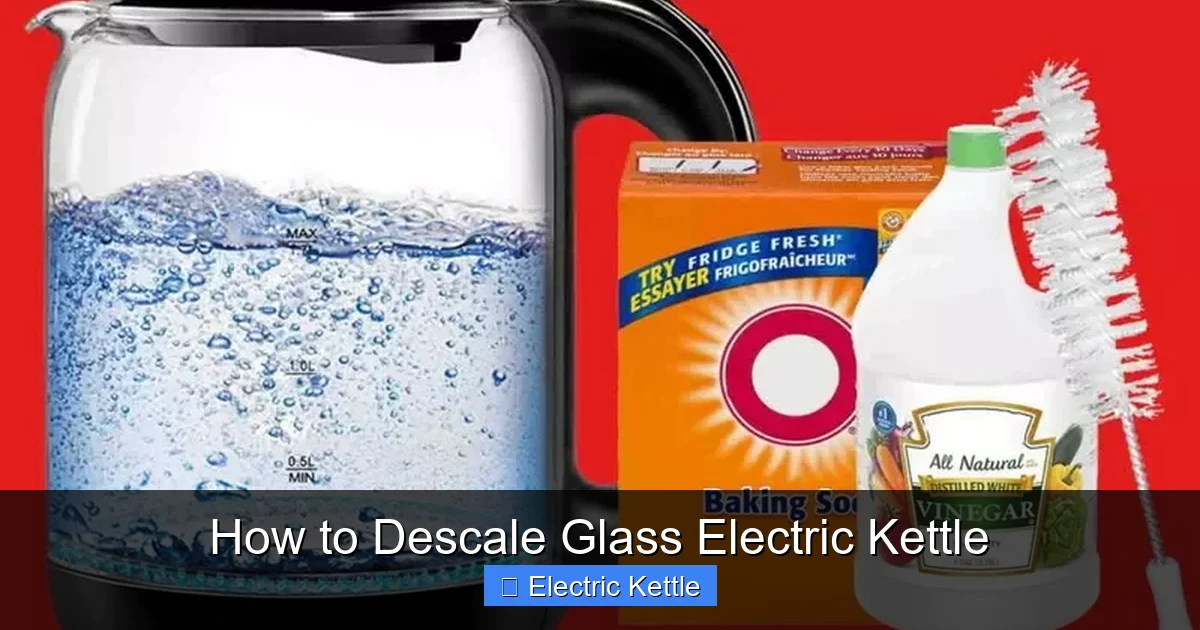
Visual guide about How to Descale Glass Electric Kettle
Image source: irrorwxhiqijjr5q.ldycdn.com
Another telltale sign is slower heating. If your kettle used to boil water in under three minutes but now takes five or more, mineral buildup is likely insulating the heating element. You might also notice a change in the sound of your kettle—instead of a steady hum, it may sputter or make popping noises as trapped minerals heat unevenly.
Taste is another big clue. If your tea, coffee, or hot chocolate suddenly has a metallic or chalky aftertaste, scale could be leaching into your water. Even if you can’t see the buildup, your taste buds might be picking up on it. Finally, if your kettle’s automatic shut-off feature seems less responsive or triggers prematurely, it could be due to overheating caused by scale. Don’t ignore these signs—acting early makes descaling easier and more effective.
What You’ll Need to Descale a Glass Electric Kettle
The good news is that descaling your glass electric kettle doesn’t require fancy tools or expensive equipment. Most of what you need is probably already in your kitchen. The key is choosing the right cleaning agent based on your preference, availability, and the severity of the buildup.
Natural Cleaning Agents
For a chemical-free approach, white vinegar and lemon juice are excellent choices. Both are acidic, which helps break down mineral deposits naturally. White vinegar is particularly effective and widely recommended. It’s inexpensive, readily available, and safe for most kettles. Lemon juice works similarly and leaves a fresh scent, though it may require a bit more scrubbing for heavy buildup.
Commercial Descaling Solutions
If you prefer a ready-made solution, there are many commercial descaling products designed specifically for kettles and coffee makers. Brands like Durgol, Urnex, and De’Longhi offer liquid or powder formulas that are easy to use and highly effective. These products are often formulated to be gentle on appliances while tackling tough scale. Just be sure to choose one that’s safe for glass and follow the instructions carefully.
Basic Supplies
In addition to your cleaning agent, you’ll need a few basic supplies: a soft sponge or cloth, a measuring cup, and access to clean water for rinsing. Avoid using abrasive scrubbers, steel wool, or harsh brushes—these can scratch the glass and create tiny grooves where scale can accumulate more easily in the future. A soft-bristled bottle brush can be helpful for reaching tight spots, but gentle pressure is key.
Finally, make sure your kettle is unplugged and completely cool before starting. Safety first! And always check your kettle’s user manual—some manufacturers recommend specific cleaning methods or warn against certain chemicals.
Step-by-Step Guide to Descaling with Vinegar
White vinegar is one of the most popular and effective ways to descale a glass electric kettle. It’s natural, affordable, and works quickly to dissolve limescale. Here’s a simple, step-by-step method to get your kettle sparkling clean.
Step 1: Prepare the Vinegar Solution
Start by mixing equal parts white vinegar and water. For most kettles, a 1:1 ratio works well. For example, if your kettle holds 1.5 liters, use 750 ml of vinegar and 750 ml of water. If the scale is particularly heavy, you can increase the vinegar concentration to 2:1 (two parts vinegar to one part water). Avoid using undiluted vinegar unless absolutely necessary—it’s strong enough to damage some components over time.
Step 2: Fill and Boil
Pour the vinegar solution into your kettle, making sure it covers the areas with the most buildup—usually the bottom and lower sides. Plug in the kettle and bring the solution to a boil. Once it reaches boiling point, turn off the kettle and let it sit for at least 30 minutes. For heavy scale, you can leave it overnight, but don’t exceed 24 hours to avoid potential damage.
Step 3: Scrub Gently
After soaking, unplug the kettle and let it cool slightly. Use a soft sponge or cloth to gently scrub the interior. You’ll likely see the scale loosening or coming off in flakes. For stubborn spots, a soft-bristled brush can help, but avoid pressing too hard. The goal is to remove the scale without scratching the glass.
Step 4: Rinse Thoroughly
Empty the vinegar solution and rinse the kettle several times with clean water. Fill it with fresh water, boil it, and discard the water. Repeat this process 2–3 times to ensure all vinegar residue is gone. Any leftover vinegar can affect the taste of your next brew, so don’t skip this step.
Step 5: Wipe and Dry
Once rinsed, wipe the interior and exterior with a clean, dry cloth. Make sure no water remains in the kettle, especially around the base and electrical components. Let it air dry completely before using it again.
This method is safe, effective, and leaves your kettle looking and functioning like new. Plus, the vinegar smell dissipates completely after rinsing.
Alternative Methods: Lemon Juice and Commercial Cleaners
While vinegar is a go-to for many, it’s not the only option. If you’re sensitive to the smell of vinegar or prefer a more fragrant approach, lemon juice is a great alternative. Commercial descaling solutions also offer convenience and precision, especially for frequent users or those with very hard water.
Using Lemon Juice
Lemon juice works similarly to vinegar thanks to its citric acid content. To use it, cut a fresh lemon in half and squeeze the juice into your kettle. Add enough water to cover the scale, then bring the mixture to a boil. Let it sit for 30 minutes to an hour, then scrub gently with a soft sponge. Rinse thoroughly with clean water, boiling and discarding the water at least twice to remove any lemon residue.
Lemon juice has the added benefit of leaving a fresh, citrusy scent. However, it may require more effort for heavy buildup compared to vinegar. For best results, combine lemon juice with the lemon rinds—the oils can help break down scale more effectively.
Using Commercial Descaling Solutions
Commercial descalers are formulated to be fast-acting and gentle on appliances. They often come with clear instructions, making them ideal for beginners or those who want a hassle-free option. To use, simply add the recommended amount of solution to your kettle with water, boil, let it sit, then rinse thoroughly.
These products are especially useful if you descale frequently or live in an area with extremely hard water. Look for brands that are certified safe for glass and electric kettles. While they cost more than vinegar or lemon, they can save time and ensure consistent results.
Whichever method you choose, the key is consistency. Regular descaling prevents buildup from becoming a major issue and keeps your kettle in peak condition.
How Often Should You Descale?
The frequency of descaling depends on several factors, including how often you use your kettle and the hardness of your water. As a general rule, aim to descale your glass electric kettle every 1–4 weeks. If you use your kettle daily and have hard water, you may need to descale weekly. If you use it less frequently or have soft water, monthly descaling may be sufficient.
To determine your water hardness, you can purchase a water test kit online or contact your local water utility for a report. Areas with high mineral content will require more frequent descaling. You can also monitor your kettle for signs like slower heating or visible scale to guide your schedule.
Some kettles come with built-in indicators that alert you when descaling is needed. If yours has this feature, follow its recommendations. Otherwise, setting a monthly reminder on your phone can help you stay on track. Regular maintenance not only improves performance but also extends the life of your appliance.
Tips to Prevent Future Scale Buildup
While descaling is essential, prevention is even better. A few simple habits can significantly reduce the amount of scale that forms in your glass electric kettle, saving you time and effort in the long run.
Use Filtered Water
One of the easiest ways to prevent scale is to use filtered or distilled water. These types of water have lower mineral content, which means less buildup over time. If you don’t have a water filter, consider using bottled distilled water for your kettle—it’s inexpensive and widely available.
Empty the Kettle After Use
Leaving water sitting in your kettle, especially overnight, gives minerals time to settle and form scale. Make it a habit to empty your kettle after each use. This simple step can dramatically reduce buildup, especially if you’re using hard water.
Wipe Down the Interior
After emptying the kettle, take a moment to wipe the interior with a soft, dry cloth. This removes any residual water and prevents spots from forming. It’s a quick habit that pays off.
Avoid Overfilling
Filling your kettle beyond its recommended capacity can cause water to splash onto the heating element and surrounding areas, leading to faster scale formation. Stick to the maximum fill line to keep things clean and efficient.
Regular Maintenance Checks
Even with prevention, some scale may still form. Make it a habit to inspect your kettle weekly for early signs of buildup. Catching it early makes descaling quicker and easier.
By combining these habits with regular descaling, you’ll keep your glass electric kettle looking clear, performing well, and lasting for years.
Common Mistakes to Avoid When Descaling
Descaling seems simple, but there are a few common pitfalls that can reduce effectiveness or even damage your kettle. Being aware of these mistakes can help you get the best results every time.
Using the Wrong Cleaning Agent
Not all cleaners are safe for glass electric kettles. Avoid using bleach, ammonia, or abrasive cleaners—these can damage the glass or leave harmful residues. Stick to vinegar, lemon juice, or manufacturer-approved descaling solutions.
Skipping the Rinse
Failing to rinse thoroughly after descaling is a big mistake. Residual vinegar or cleaner can affect the taste of your water and potentially harm your kettle over time. Always rinse multiple times and boil fresh water at least twice before using the kettle for drinks.
Using Harsh Scrubbing Tools
Glass is delicate. Using steel wool, scouring pads, or hard brushes can scratch the surface, creating grooves where scale can accumulate more easily. Stick to soft sponges or cloths.
Descaling a Hot Kettle
Never add cold vinegar or lemon juice to a hot kettle. The sudden temperature change can cause thermal shock and crack the glass. Always let the kettle cool completely before descaling.
Ignoring the Manufacturer’s Instructions
Every kettle is different. Some have special coatings or components that require specific care. Always check the user manual before descaling to avoid voiding the warranty or causing damage.
Avoiding these mistakes ensures a safe, effective descaling process every time.
Conclusion
Descaling your glass electric kettle is a simple but essential task that keeps your appliance running smoothly and your drinks tasting great. Whether you choose vinegar, lemon juice, or a commercial cleaner, regular maintenance prevents mineral buildup, improves heating efficiency, and extends the life of your kettle.
By following the steps in this guide and adopting preventive habits like using filtered water and emptying the kettle after each use, you can enjoy a clean, efficient, and long-lasting appliance. Don’t wait for scale to become a problem—make descaling a regular part of your routine. Your kettle—and your morning coffee—will thank you.
Frequently Asked Questions
Can I use apple cider vinegar to descale my glass electric kettle?
It’s not recommended. Apple cider vinegar is less acidic than white vinegar and may leave a sticky residue or odor. Stick to white vinegar for best results.
Is it safe to descale my kettle every week?
Yes, especially if you use hard water or boil water daily. Weekly descaling prevents buildup and maintains performance. Just be sure to rinse thoroughly.
Can I use baking soda to descale my kettle?
Baking soda is alkaline and not effective at removing limescale, which is acidic. It’s better suited for scrubbing surfaces, not dissolving mineral deposits.
Will descaling remove cloudiness from the glass?
Yes, if the cloudiness is caused by mineral buildup. Descaling should restore clarity. If the glass remains cloudy, it may be due to etching or damage.
Can I descale my kettle while it’s still warm?
No. Always let the kettle cool completely before adding any cleaning solution. Sudden temperature changes can crack the glass.
Do I need to descale if I only use filtered water?
Possibly, but less frequently. Filtered water reduces mineral content, but some minerals may still remain. Check your kettle monthly and descale as needed.