Descaling your Cosori electric kettle regularly prevents mineral buildup, improves performance, and ensures better-tasting water. This guide walks you through safe, effective methods using common household ingredients like vinegar or citric acid.
Key Takeaways
- Descale every 1–3 months: Frequency depends on water hardness and usage. Regular descaling prevents limescale and extends kettle life.
- Use white vinegar or citric acid: Both are safe, effective, and affordable. Vinegar is great for heavy buildup; citric acid leaves no odor.
- Never use harsh chemicals: Avoid bleach or abrasive cleaners. They can damage the kettle’s interior and pose health risks.
- Follow a simple 4-step process: Fill, soak, boil, rinse. Most descaling takes under 30 minutes from start to finish.
- Rinse thoroughly after descaling: Residual vinegar or acid can affect taste. Rinse 2–3 times with fresh water before reuse.
- Maintain your kettle between cleanings: Wipe the exterior, empty after use, and avoid overfilling to reduce scale buildup.
- Check your water hardness: If you have hard water, descale more often. Consider using filtered water to slow future buildup.
📑 Table of Contents
Why Descaling Your Cosori Electric Kettle Matters
If you’ve noticed your Cosori electric kettle taking longer to boil water, making strange noises, or leaving a chalky residue at the bottom, it’s probably time to descale. Over time, minerals like calcium and magnesium from tap water accumulate inside the kettle, forming limescale. This isn’t just unsightly—it can actually affect how well your kettle works and even change the taste of your tea or coffee.
Think of descaling like giving your kettle a spa day. Just as you clean your coffee maker or washing machine, your electric kettle needs regular maintenance to stay in top shape. The good news? It’s quick, easy, and doesn’t require any special tools. Whether you’re a daily tea drinker or just use your kettle occasionally, keeping it free of scale ensures faster boiling, better energy efficiency, and a longer lifespan for your appliance.
The Science Behind Limescale
Limescale forms when hard water—water with high mineral content—is heated. As the water boils, calcium carbonate and magnesium carbonate precipitate out and stick to the heating element and interior surfaces. This buildup acts like insulation, making it harder for heat to transfer to the water. That’s why a scaled-up kettle takes longer to boil and uses more electricity.
Over time, thick layers of scale can even damage the heating element, leading to malfunctions or complete failure. In extreme cases, small flakes of scale can end up in your cup, which is not only unappetizing but potentially harmful if ingested regularly. Descaling removes these deposits before they become a problem.
How Often Should You Descale?
There’s no one-size-fits-all answer, but a good rule of thumb is to descale your Cosori electric kettle every 1 to 3 months. If you live in an area with hard water—common in places like Arizona, Texas, or parts of the UK—you may need to descale monthly. If you use your kettle multiple times a day, that timeline might shorten even further.
On the other hand, if you use filtered or distilled water and only boil water a few times a week, you might get away with descaling every 3–4 months. Pay attention to signs: slower boiling, white or gray film inside the kettle, or a metallic taste in your water are all red flags that it’s time to clean.
What You’ll Need to Descale Your Cosori Kettle
One of the best things about descaling your Cosori electric kettle is that you probably already have everything you need at home. No need to run to the store for expensive cleaning products. Here’s a quick list of supplies:
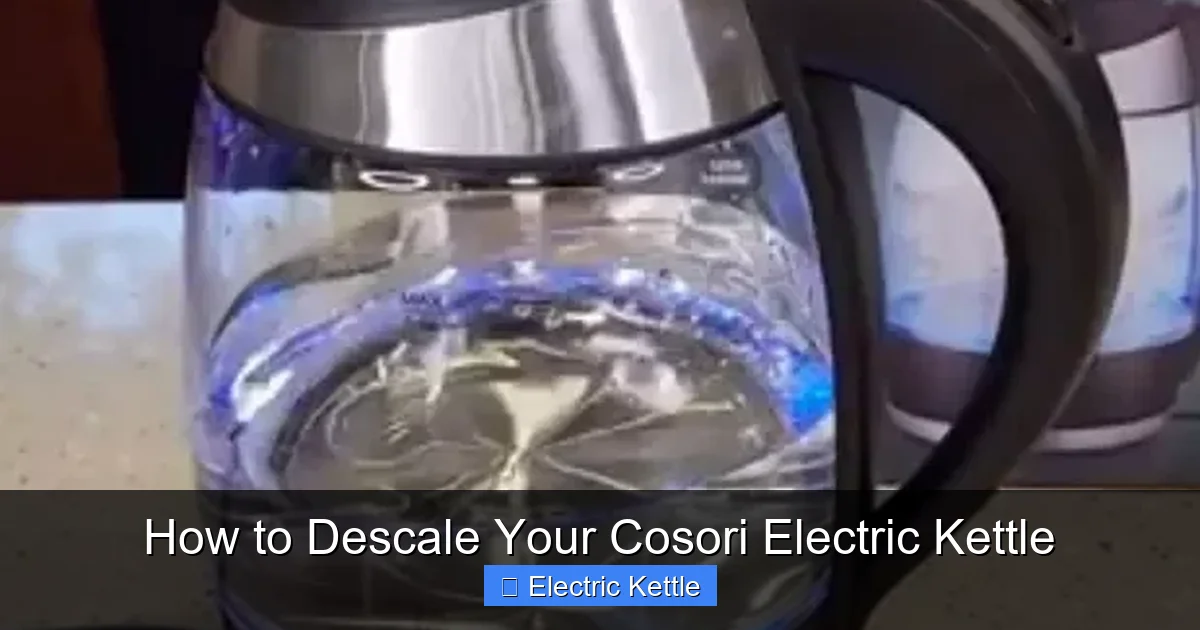
Visual guide about How to Descale Your Cosori Electric Kettle
Image source: irrorwxhiqijjr5q.ldycdn.com
- White distilled vinegar (5% acidity) or food-grade citric acid
- Clean water
- A soft sponge or cloth (non-abrasive)
- A measuring cup
- Optional: a toothbrush for scrubbing hard-to-reach spots
Avoid using bleach, ammonia, or commercial descaling solutions not approved for food use. These can leave toxic residues or damage the stainless steel interior. Stick to natural, food-safe options for peace of mind.
Vinegar vs. Citric Acid: Which Is Better?
Both white vinegar and citric acid are excellent for descaling, but they each have their pros and cons.
White vinegar is cheap, widely available, and highly effective at breaking down limescale. It’s especially good for heavy buildup. The downside? It has a strong smell that some people find unpleasant. However, the odor disappears after a few rinses, especially if you boil fresh water afterward.
Citric acid is a powder derived from citrus fruits and is odorless. It’s gentler on the senses and equally effective. Many people prefer it because it doesn’t leave a lingering smell. It’s also more concentrated, so you need less of it. A tablespoon is usually enough for a standard 1.7-liter kettle.
If you’re sensitive to smells or want a cleaner finish, go with citric acid. If you’re dealing with stubborn scale and don’t mind a bit of vinegar scent, vinegar is a solid choice. Either way, both are safe and eco-friendly.
Step-by-Step Guide to Descaling with Vinegar
Let’s walk through the most popular method: using white vinegar. This process takes about 20–30 minutes and requires minimal effort.
Step 1: Prepare the Solution
Start by filling your Cosori electric kettle with equal parts water and white vinegar. For a standard 1.7-liter kettle, that’s about 850 ml of water and 850 ml of vinegar. If your kettle is smaller, adjust accordingly—just keep the 1:1 ratio.
Never fill above the MAX line. Overfilling can cause the solution to overflow when it boils, which is messy and potentially dangerous. Also, make sure the kettle is unplugged before you begin.
Step 2: Let It Soak
Once the solution is in, let it sit for at least 1 hour. For heavy limescale, you can leave it overnight. The longer it sits, the more time the vinegar has to dissolve the mineral deposits.
During this time, you might see bubbles forming on the heating element or scale loosening. That’s a good sign—it means the vinegar is working. If your kettle has a visible heating coil, you’ll likely notice flakes or discoloration lifting off.
Step 3: Boil the Solution
After soaking, plug in the kettle and bring the vinegar solution to a boil. Let it boil for about 5–10 minutes. This helps break down any remaining scale and ensures the entire interior is treated.
Be prepared for a strong vinegar smell—it’s normal. Open a window or turn on a fan if the odor bothers you. The boiling process also sanitizes the kettle, killing any bacteria or mold that might be lurking.
Step 4: Rinse Thoroughly
Once the boiling cycle is complete, unplug the kettle and let it cool for 10–15 minutes. Then, carefully pour out the vinegar solution. Rinse the kettle 2–3 times with fresh water, filling it about halfway each time and swishing it around.
After the final rinse, fill the kettle with clean water and boil it once more. This helps remove any lingering vinegar taste or smell. Pour out this water and wipe the interior with a soft cloth if needed.
Optional: Scrub Stubborn Spots
If you notice any remaining scale, especially around the heating element, use a soft sponge or an old toothbrush to gently scrub it away. Don’t use steel wool or abrasive pads—they can scratch the stainless steel and create spots for future buildup.
For tight corners or the spout, a cotton swab dipped in vinegar can help. Just be gentle to avoid damaging the interior coating or sensors.
How to Descale with Citric Acid
If you prefer a scent-free option, citric acid is the way to go. It’s just as effective and leaves no aftertaste when done correctly.
Step 1: Mix the Solution
Fill your Cosori kettle about halfway with water. Add 1–2 tablespoons of food-grade citric acid powder. Stir gently with a non-metallic utensil until the powder dissolves completely. There’s no need to use equal parts like with vinegar—citric acid is more concentrated.
For a 1.7-liter kettle, 1 tablespoon is usually sufficient. If you have very hard water or heavy scale, you can go up to 2 tablespoons. Avoid using more than that, as excess acid isn’t necessary and could be harder to rinse out.
Step 2: Boil and Soak
Plug in the kettle and bring the solution to a boil. Let it boil for 5–10 minutes, then unplug and let it soak for another 30 minutes to 1 hour. The citric acid will work its magic, dissolving scale without any strong odor.
You may notice the water turning cloudy or seeing flakes floating—this is normal and indicates the scale is breaking down. The heating element should look cleaner after this step.
Step 3: Rinse and Repeat if Needed
Pour out the solution and rinse the kettle thoroughly with fresh water. Fill it halfway, swish it around, and pour it out. Repeat this 2–3 times to ensure all traces of citric acid are gone.
After the final rinse, fill the kettle with clean water and boil it once. This “rinse boil” ensures no residual taste remains. Pour out the water and your kettle is ready to use.
If there’s still some scale left, you can repeat the process. Sometimes a second treatment is needed for older kettles with heavy buildup.
Tips for Maintaining a Scale-Free Kettle
Descaling is important, but prevention is even better. With a few simple habits, you can reduce the frequency of deep cleans and keep your Cosori kettle running smoothly.
Use Filtered Water
The easiest way to prevent limescale is to use filtered or distilled water. These have lower mineral content, so they produce less scale. If you have a water filter pitcher or a faucet-mounted filter, use it to fill your kettle.
Even if you don’t have a filter, consider buying a jug of distilled water for your kettle. It’s inexpensive and can significantly extend the time between descaling sessions.
Empty the Kettle After Use
Don’t let water sit in your kettle for long periods, especially overnight. Standing water allows minerals to settle and form scale. After each use, pour out any leftover water and leave the lid open to air dry.
This simple habit also prevents mold and bacteria growth, which can thrive in warm, damp environments. A dry kettle is a happy kettle.
Wipe the Exterior Regularly
While you’re focused on the inside, don’t forget the outside. Wipe down the exterior with a damp cloth and mild soap to remove fingerprints, water spots, and dust. Avoid spraying water directly on the base or control panel.
For stainless steel models, a microfiber cloth works best. You can also use a stainless steel cleaner for a polished finish, but make sure it’s safe for appliances and doesn’t contain harsh chemicals.
Avoid Overfilling
Always fill your kettle between the MIN and MAX lines. Overfilling can cause water to spill into the base during boiling, which can damage the electrical components. Underfilling can expose the heating element, leading to overheating and potential damage.
Most Cosori kettles have clear markings, so it’s easy to get it right. If you’re unsure, err on the side of less water—you can always boil a second batch.
Check Your Water Hardness
If you’re not sure how hard your water is, you can buy a water hardness test strip online or from a hardware store. These strips change color based on mineral content and give you a rough idea of how often you should descale.
Alternatively, check your local water utility’s website. Many publish annual water quality reports that include hardness levels. Knowing your water type helps you stay ahead of scale buildup.
Troubleshooting Common Descaling Issues
Even with the best care, you might run into a few hiccups. Here’s how to handle common problems.
Vinegar Smell Lingers
If your kettle still smells like vinegar after rinsing, don’t panic. Boil a few cycles of fresh water and let it cool between each one. You can also add a slice of lemon or a teaspoon of baking soda to the water before boiling to neutralize the odor.
After 2–3 rinse boils, the smell should disappear completely. If it persists, double-check that you rinsed thoroughly and didn’t leave any vinegar in the spout or lid.
Scale Won’t Come Off
For stubborn scale, try a longer soak time—up to 24 hours for vinegar or 2 hours for citric acid. You can also gently scrub with a soft brush. If the scale is on the heating element and won’t budge, consider using a stronger citric acid solution (up to 3 tablespoons per liter) or repeating the process.
In rare cases, the scale may be too thick for home remedies. If your kettle is old or heavily used, it might be time to replace it. Cosori offers reliable models with good warranties, so upgrading could be a smart long-term investment.
Kettle Still Tastes Metallic
A metallic taste usually means scale is still present or the heating element is exposed. Make sure you didn’t underfill the kettle during descaling, which can cause the element to overheat. Also, rinse thoroughly and boil fresh water a few times.
If the taste persists, inspect the interior for damage. Scratches or corrosion can trap minerals and affect taste. Contact Cosori customer support if you suspect a defect.
When to Call Customer Support
While descaling is a DIY task, there are times when you should reach out to Cosori for help. If your kettle isn’t heating properly even after descaling, makes unusual noises, or shows signs of electrical issues (like sparks or smoke), stop using it immediately.
Cosori offers a 1–2 year warranty on most models, depending on the region. If your kettle is still under warranty and has a manufacturing defect, they may offer a replacement or repair. Keep your receipt and product information handy when contacting support.
You can reach Cosori through their website, email, or phone. Their customer service is generally responsive and helpful, especially for common issues like descaling or performance problems.
Conclusion
Descaling your Cosori electric kettle is one of the simplest ways to keep it performing at its best. With just vinegar or citric acid, a little time, and some elbow grease, you can remove limescale, improve boiling speed, and enjoy better-tasting water. Whether you’re brewing your morning coffee or heating water for pasta, a clean kettle makes all the difference.
Make descaling a regular part of your kitchen maintenance routine—set a calendar reminder every few months if needed. Combined with good habits like using filtered water and emptying the kettle after use, you’ll extend the life of your appliance and save money on energy bills. Your Cosori kettle is designed to last, and a little care goes a long way.
Frequently Asked Questions
Can I use lemon juice to descale my Cosori kettle?
Yes, lemon juice works as a natural descaling agent because it contains citric acid. Use the juice of 2–3 lemons mixed with water, boil, and soak for 30–60 minutes. It’s less concentrated than pure citric acid, so it may take longer for heavy buildup.
Is it safe to drink water after descaling?
Yes, as long as you rinse the kettle thoroughly and boil fresh water 2–3 times after descaling. This removes any residual vinegar or citric acid, ensuring your water tastes clean and safe.
How do I know if my Cosori kettle needs descaling?
Signs include slower boiling, white or gray film inside the kettle, strange noises during heating, or a metallic taste in your water. If you notice any of these, it’s time to descale.
Can I descale my Cosori kettle while it’s still warm?
No, always let the kettle cool completely before descaling. Pouring vinegar or citric acid into a hot kettle can cause splashing or damage the interior. Wait at least 15–20 minutes after use.
Will descaling void my Cosori warranty?
No, regular descaling is part of normal maintenance and won’t void your warranty. In fact, failing to descale could lead to damage that isn’t covered. Just avoid using harsh chemicals or abrasive tools.
How long does it take to descale a Cosori kettle?
Most descaling processes take 30–60 minutes, including soaking, boiling, and rinsing. For heavy scale, you may need to repeat the process or extend soak time, adding another 30–60 minutes.