Disposing of an electric kettle doesn’t have to be wasteful or confusing. Whether your kettle is broken, outdated, or simply no longer needed, there are responsible and eco-friendly ways to get rid of it. From recycling to donating, this guide covers everything you need to know to dispose of your electric kettle the right way.
Key Takeaways
- Check if your electric kettle is repairable: Many issues like faulty cords or heating elements can be fixed, extending the appliance’s life and reducing waste.
- Donate working kettles to charities or shelters: Functional kettles can still serve others, especially in community centers, shelters, or low-income households.
- Recycle through e-waste programs: Most electric kettles contain metals and electronics that can be recycled at certified e-waste centers or retailer take-back programs.
- Never throw kettles in regular trash: Due to electronic components and potential hazardous materials, kettles should not end up in landfills.
- Remove personal data if applicable: While rare, some smart kettles store usage data—reset them before disposal.
- Consider upcycling or repurposing: Creative DIY projects can give old kettles new life as planters, lamps, or decorative items.
- Follow local disposal regulations: Rules vary by region, so always check with your local waste authority for guidelines on small appliances.
📑 Table of Contents
- How to Dispose of Electric Kettle: A Complete Guide
- Assess the Condition of Your Electric Kettle
- Donate Your Working Electric Kettle
- Recycle Your Electric Kettle Responsibly
- Upcycle or Repurpose Your Old Kettle
- What Not to Do When Disposing of an Electric Kettle
- Final Thoughts on Disposing of Electric Kettles
How to Dispose of Electric Kettle: A Complete Guide
You’ve had your trusty electric kettle for years—maybe even a decade. It’s boiled water for countless cups of tea, warmed up oatmeal, and survived a few accidental dry runs. But now, it’s sputtering, leaking, or just plain outdated. You’re ready to say goodbye. The question is: how do you dispose of an electric kettle responsibly?
Unlike tossing a plastic bottle or a banana peel, getting rid of an electric kettle requires a bit more thought. These small kitchen appliances contain metals, plastics, and electrical components that can’t simply be thrown in the regular trash. Improper disposal can harm the environment, contribute to landfill waste, and even pose safety risks. But the good news? There are several smart, sustainable, and often easy ways to part with your old kettle without guilt.
In this guide, we’ll walk you through every step of the disposal process—from assessing whether your kettle can be saved, to recycling, donating, or creatively repurposing it. Whether you’re upgrading to a newer model, moving to a smaller kitchen, or just decluttering, knowing how to dispose of an electric kettle the right way makes a real difference. Let’s dive in.
Assess the Condition of Your Electric Kettle
Before you decide how to dispose of your electric kettle, take a moment to evaluate its condition. Is it truly beyond repair, or could a simple fix bring it back to life? Many people toss out kettles prematurely, not realizing that common issues like a frayed cord, loose base, or mineral buildup can often be resolved with minimal effort.
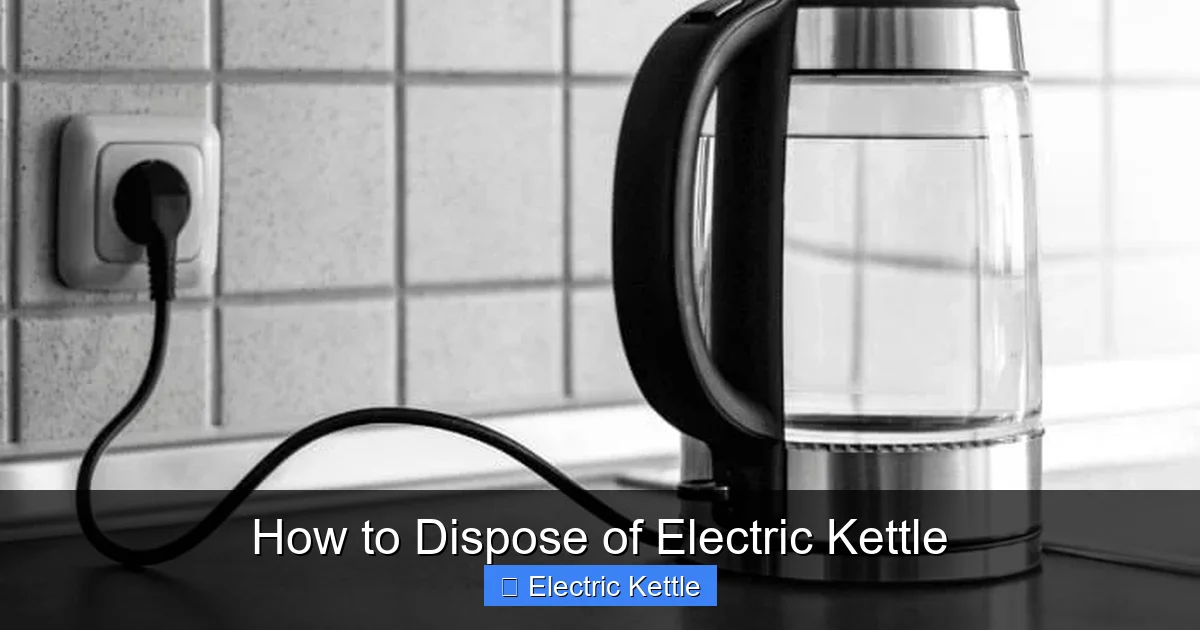
Visual guide about How to Dispose of Electric Kettle
Image source: howtodispose.info
Can It Be Repaired?
Start by checking for obvious problems. If your kettle won’t turn on, the issue might be as simple as a tripped circuit breaker or a loose power cord. Try plugging it into a different outlet. If it still doesn’t work, inspect the cord for damage. A frayed or cracked power cord is a safety hazard and should be replaced—but don’t attempt to fix it yourself unless you’re qualified. Many manufacturers offer replacement parts, or you can take it to a small appliance repair shop.
Another common issue is limescale buildup, especially in areas with hard water. Over time, mineral deposits can clog the heating element and reduce efficiency. Instead of tossing the kettle, try descaling it with a mixture of equal parts water and white vinegar. Let it sit for an hour, then boil the solution and rinse thoroughly. This simple step can restore performance and extend the kettle’s life.
Is It Still Functional?
Even if your kettle has minor cosmetic flaws—like a scratched exterior or a loose handle—it may still work perfectly. If it heats water reliably and doesn’t leak, it’s likely still usable. In that case, consider donating it instead of disposing of it. Many people are happy to accept a working kettle, especially if it’s energy-efficient or has features like temperature control.
On the other hand, if the kettle sparks, emits a burning smell, or leaks water onto the base, it’s time to retire it. These are signs of serious electrical or structural damage that can’t be safely repaired at home.
Check the Manufacturer’s Warranty
If your kettle is still under warranty, contact the manufacturer before disposing of it. Some brands offer free repairs or replacements for defective products. Even if the warranty has expired, the company might have a take-back or recycling program. For example, brands like Breville, Cuisinart, and KitchenAid often provide guidance on responsible disposal through their customer service teams.
Taking the time to assess your kettle’s condition not only saves money but also reduces unnecessary waste. A little troubleshooting can go a long way.
Donate Your Working Electric Kettle
If your electric kettle is still in good working order, donating it is one of the most impactful ways to dispose of it. Instead of letting it collect dust in a closet or end up in a landfill, you can give it a second life with someone who needs it.
Where to Donate
Start by checking with local charities, shelters, and community centers. Homeless shelters, women’s refuges, and senior centers often accept small appliances like kettles. These organizations provide essential services and rely on donations to support their operations. A working kettle can make a big difference in someone’s daily life—offering warmth, comfort, and a sense of normalcy.
Thrift stores like Goodwill, Salvation Army, and local secondhand shops are also great options. Many of these stores accept small appliances in good condition and sell them at affordable prices. The proceeds often fund job training programs, addiction recovery services, and other community initiatives.
How to Prepare Your Kettle for Donation
Before donating, clean your kettle thoroughly. Remove any limescale, wipe down the exterior, and ensure it’s free of food residue or odors. Include the original power cord and base if possible. If the kettle came with a user manual, include that too—it helps the next user understand how to operate it safely.
If you’re donating to a shelter or charity, call ahead to confirm they accept small appliances. Some organizations have specific guidelines or may only accept new items. It’s also a good idea to ask if they need kettles—don’t assume they’ll take anything you offer.
Alternative Donation Ideas
If local charities aren’t accepting donations, consider reaching out to friends, family, or coworkers. Someone in your network might be starting a new job, moving into their first apartment, or setting up a dorm room. A working kettle is a practical and appreciated gift.
You can also post on community boards like Nextdoor, Facebook Marketplace (under “free” listings), or Freecycle. These platforms connect people in your area who are looking for household items. Just be sure to meet in a safe, public place and inspect the kettle together before handing it over.
Donating your electric kettle not only keeps it out of the landfill but also supports your community. It’s a win-win for the environment and your neighbors.
Recycle Your Electric Kettle Responsibly
If your electric kettle is broken beyond repair or too outdated to donate, recycling is the next best option. Most kettles contain valuable materials like stainless steel, aluminum, copper, and plastic that can be recovered and reused. Recycling prevents these resources from being wasted and reduces the need for new raw materials.
Why Recycling Matters
Electric kettles are considered small household appliances, and many parts are recyclable. The heating element, for example, often contains copper wiring, which is highly valuable and energy-intensive to mine. The body is typically made of stainless steel or heat-resistant plastic, both of which can be processed and turned into new products.
However, kettles also contain electronic components and sometimes small amounts of hazardous materials. For instance, the thermostat or control board may include trace metals. That’s why they shouldn’t be thrown in the regular recycling bin—most curbside programs aren’t equipped to handle small electronics.
Find a Certified E-Waste Recycler
The best way to recycle your electric kettle is through a certified e-waste (electronic waste) facility. These centers specialize in safely dismantling and processing electronic devices. They follow strict environmental standards to ensure materials are recovered responsibly and harmful substances are contained.
To find a recycler near you, start with online tools like Earth911’s recycling locator or Call2Recycle. Simply enter your zip code and search for “small appliances” or “e-waste.” You’ll get a list of nearby drop-off locations, including retail stores, municipal collection sites, and specialized recycling centers.
Retailer Take-Back Programs
Many appliance and electronics retailers offer take-back programs when you purchase a new kettle. Stores like Best Buy, Home Depot, and Staples often accept old small appliances for recycling—even if you didn’t buy the new one from them. Some brands, such as Philips and Russell Hobbs, also have mail-in recycling options.
When shopping for a replacement, ask about recycling options. Some retailers even offer discounts or store credit for returning your old appliance. It’s a convenient way to upgrade while doing the right thing for the planet.
Prepare Your Kettle for Recycling
Before dropping off your kettle, remove any detachable parts like the lid, filter, or cord if possible. This makes it easier for recyclers to sort materials. If the kettle has a built-in cord, leave it attached—most recyclers can handle it.
Don’t worry about cleaning it perfectly, but do remove any large food debris or mineral buildup. Recyclers will process the kettle as-is, but a quick rinse helps prevent odors and pests at the facility.
Recycling your electric kettle ensures that its materials are given a second life, reducing environmental impact and conserving natural resources.
Upcycle or Repurpose Your Old Kettle
If you’re feeling creative, consider upcycling your old electric kettle instead of disposing of it. Upcycling means transforming an item into something new and useful, often with a decorative or functional twist. It’s a fun, eco-friendly way to extend the life of your kettle while adding personality to your home.
DIY Project Ideas
One popular upcycling idea is turning your kettle into a planter. Remove the electrical components (safely and completely), clean the interior, and drill drainage holes in the bottom. Fill it with soil and plant herbs, succulents, or small flowers. The stainless steel body makes a stylish and durable container for indoor or outdoor use.
Another creative option is making a kettle lamp. With some basic electrical knowledge, you can install a light socket and bulb inside the kettle, using the spout as a lampshade holder. This works especially well with vintage or uniquely shaped kettles. Always consult an electrician if you’re unsure about wiring.
Decorative Uses
Even if you don’t want to modify the kettle, it can still serve as a decorative piece. Paint it with chalkboard paint and use it to store kitchen utensils or office supplies. Or, display it on a shelf as a nostalgic reminder of your tea-making days. Some people even use old kettles as quirky cookie jars or candy dispensers.
Safety First
Before upcycling, make sure the kettle is completely disconnected from any power source. Remove the cord, base, and internal wiring. If you’re unsure how to do this safely, take it to a professional or skip the project altogether. Never attempt to repurpose a kettle that still has live electrical components.
Upcycling is a rewarding way to reduce waste and express your creativity. Plus, it gives your old kettle a meaningful second act.
What Not to Do When Disposing of an Electric Kettle
While there are many responsible ways to dispose of an electric kettle, there are also common mistakes to avoid. These missteps can harm the environment, violate local laws, or even pose safety risks.
Don’t Throw It in the Regular Trash
This is the biggest no-no. Most landfills aren’t equipped to handle electronic waste, and tossing your kettle in the garbage means it will likely end up buried underground. Over time, metals and chemicals can leach into the soil and water, causing pollution. In many areas, it’s also illegal to dispose of small appliances in regular trash due to environmental regulations.
Don’t Burn or Dismantle It at Home
Some people think burning or breaking down their kettle will “get rid of it” faster. But this is extremely dangerous. Burning plastic releases toxic fumes, and dismantling electrical components without proper tools can lead to electric shock or injury. Always use certified recyclers or professionals for safe disposal.
Don’t Leave It on the Curb for Bulk Pickup
While some cities offer bulk waste collection, not all accept small appliances. Even if they do, there’s no guarantee the kettle will be recycled. It might end up in a landfill anyway. Always check with your local waste authority before leaving appliances curbside.
Don’t Forget to Remove Personal Data
Though rare, some smart kettles connect to Wi-Fi and store usage data. If your kettle has an app or digital interface, reset it to factory settings before disposal. This protects your privacy and ensures no personal information is left behind.
Avoiding these mistakes ensures your kettle is disposed of safely and sustainably.
Final Thoughts on Disposing of Electric Kettles
Disposing of an electric kettle doesn’t have to be a headache. With a little effort, you can ensure your old appliance is handled responsibly—whether that means repairing it, donating it, recycling it, or giving it a creative new purpose. Every choice you make helps reduce waste, conserve resources, and protect the environment.
Remember, the goal isn’t just to get rid of your kettle, but to do so in a way that benefits others and the planet. By following the steps in this guide, you’re not only making a smart decision for your kitchen but also contributing to a more sustainable future. So before you toss that old kettle, take a moment to consider your options. You might be surprised at how much life it still has left.
Frequently Asked Questions
Can I throw my electric kettle in the regular trash?
No, you should not throw your electric kettle in the regular trash. It contains electronic components and metals that can harm the environment and may violate local disposal laws. Always use recycling or donation options instead.
Where can I recycle my old electric kettle?
You can recycle your electric kettle at certified e-waste centers, municipal collection events, or through retailer take-back programs. Use online tools like Earth911 to find a location near you.
Is it safe to donate a used electric kettle?
Yes, as long as the kettle is in good working condition, clean, and free of damage. Always call ahead to confirm the organization accepts small appliances.
What should I do if my kettle is broken but still under warranty?
Contact the manufacturer for repair or replacement options. Many brands offer support even after the warranty expires, including recycling guidance.
Can I upcycle my old electric kettle?
Absolutely! You can turn it into a planter, lamp, or decorative item. Just make sure to remove all electrical components safely before repurposing.
Do smart kettles need special disposal?
Yes, if your kettle connects to an app or stores data, reset it to factory settings before disposal to protect your privacy. Then recycle it through an e-waste program.