Drying your electric kettle properly is essential for maintaining its performance, hygiene, and longevity. This guide walks you through step-by-step methods, safety tips, and maintenance advice to ensure your kettle stays in top condition after every use.
Key Takeaways
- Always unplug the kettle before drying: Safety comes first—never handle or dry an electric kettle while it’s plugged in to avoid electrical hazards.
- Use a soft, lint-free cloth for the exterior: Wipe down the outside with a dry or slightly damp cloth to remove water spots and fingerprints without scratching the surface.
- Air-dry the interior completely before storing: Leaving moisture inside can lead to mold, mineral buildup, or unpleasant odors over time.
- Avoid using towels inside the kettle: Never stuff cloths into the spout or base—this can leave fibers or cause blockages.
- Store in a dry, well-ventilated area: Keeping your kettle in a humid environment increases the risk of rust and bacterial growth.
- Regular cleaning prevents drying challenges: The cleaner your kettle, the easier and faster it will dry after each use.
- Check the base and heating element for moisture: Ensure the heating coil and electrical base are completely dry to prevent damage or malfunction.
📑 Table of Contents
Why Drying Your Electric Kettle Matters
You might think that once the water boils and you’ve poured your tea or coffee, the job is done. But what happens after you’re finished? If you simply leave your electric kettle sitting on the counter with a few drops of water inside, you’re setting the stage for problems. Drying your electric kettle isn’t just about tidiness—it’s about safety, hygiene, and extending the life of your appliance.
Electric kettles are used daily in millions of homes, and while they’re built to handle high heat and frequent use, they’re not immune to wear and tear. Residual moisture left inside can lead to mineral deposits, especially if you use hard water. Over time, these deposits can affect the taste of your water, reduce heating efficiency, and even damage the internal components. Worse yet, trapped moisture creates a breeding ground for bacteria and mold—something no one wants in their morning cup of tea.
Beyond cleanliness, proper drying also protects the electrical components. The base of most electric kettles contains sensitive wiring and a heating element. If water seeps into these areas—even in small amounts—it can cause corrosion, short circuits, or complete failure. That’s why taking a few extra minutes to dry your kettle thoroughly after each use is a small investment with big returns.
Step-by-Step Guide to Drying Your Electric Kettle
Drying your electric kettle doesn’t have to be complicated. With the right approach, it can be quick, safe, and effective. Follow these simple steps to ensure your kettle is completely dry every time.
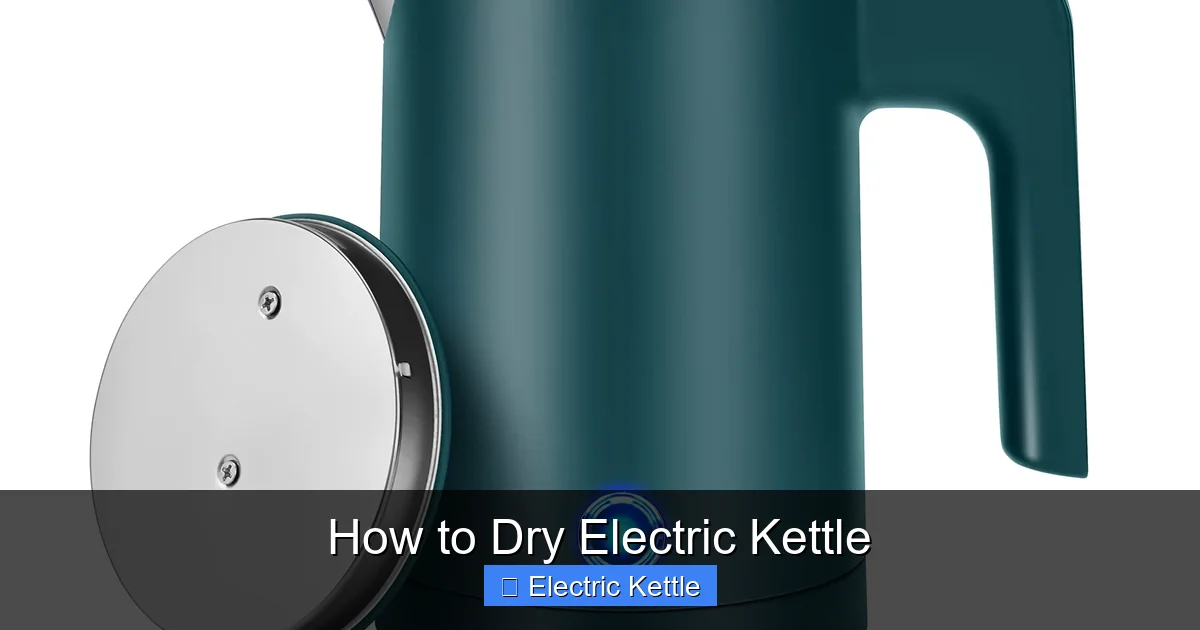
Visual guide about How to Dry Electric Kettle
Image source: jugandoando.com.ar
Step 1: Unplug and Let It Cool
The first and most important step is to unplug the kettle from the power source. Never attempt to dry or handle an electric kettle while it’s still plugged in—this is a serious safety risk. Even if the kettle feels cool to the touch, internal components may still retain heat. Give it at least 5 to 10 minutes to cool down completely before proceeding.
Why is this so crucial? Electric kettles operate at extremely high temperatures, and the heating element can stay hot long after the boiling process ends. Handling a hot kettle increases the risk of burns, and attempting to dry it while warm can trap steam inside, which defeats the purpose of drying. Patience here pays off in safety and effectiveness.
Step 2: Empty Any Remaining Water
Once the kettle is cool and unplugged, pour out any leftover water. Even a small amount can lead to stagnation and odor if left sitting. Tilt the kettle gently to ensure all water drains out through the spout. If your kettle has a removable lid, open it fully to allow better airflow.
For kettles with built-in filters or mesh screens near the spout, check that these are clear of debris. Sometimes, tea leaves or mineral flakes can get stuck and trap moisture. Rinse the filter under running water if needed, then shake off excess water and let it air dry separately.
Step 3: Wipe the Exterior with a Soft Cloth
Use a soft, lint-free cloth—like a microfiber towel—to wipe down the outside of the kettle. Focus on removing water spots, fingerprints, and any splashes. If there are stubborn stains, lightly dampen the cloth with water or a mild cleaning solution, but avoid soaking the cloth. Never spray liquid directly onto the kettle, especially near the base or control panel.
Pay special attention to the handle and buttons. These areas are frequently touched and can accumulate grease or moisture. A quick wipe keeps them clean and prevents slipping when handling the kettle. For stainless steel models, a dry cloth helps maintain the shine and prevents water marks.
Step 4: Dry the Interior Thoroughly
This is where many people go wrong. Simply wiping the outside isn’t enough—the inside needs to be completely dry. The best way to do this is by leaving the kettle open to air dry. Place it upside down on a clean dish rack or drying mat with the spout facing downward. This allows gravity to help drain any remaining droplets and promotes airflow.
If you’re in a hurry, you can speed up the process by using a dry cloth to gently wipe the interior walls. However, avoid pushing the cloth too far into the spout or base, as this can leave fibers or push moisture deeper inside. For narrow-necked kettles, a cotton swab or soft brush can help reach tight spots.
Step 5: Check the Base and Heating Element
The heating element and electrical base are the most vulnerable parts of your kettle. After drying the interior, inspect the base for any signs of moisture. Look for water droplets, condensation, or dampness around the heating coil. If you see any, use a dry cloth to gently blot the area—do not rub, as this can damage the element.
Some kettles have a removable base or cordless design, which makes drying easier. If yours does, separate the kettle from the base and dry both parts individually. Ensure the electrical contacts are completely dry before reassembling. Never store the kettle with the base attached if there’s any moisture present.
Step 6: Store in a Dry, Ventilated Area
Once your kettle is completely dry, store it in a cool, dry place with good airflow. Avoid cabinets that trap humidity or areas near sinks or stoves where steam is common. If possible, keep the lid open slightly to allow continued air circulation, especially if you don’t use the kettle daily.
For long-term storage—like during travel or seasonal breaks—consider placing a silica gel packet inside the kettle to absorb any residual moisture. Just make sure to remove it before your next use. This simple trick can prevent mold and musty smells.
Common Mistakes to Avoid When Drying Your Kettle
Even with the best intentions, it’s easy to make mistakes when drying your electric kettle. These errors can compromise safety, performance, and hygiene. Here are some common pitfalls and how to avoid them.
Using Towels Inside the Kettle
It might seem logical to stuff a towel into the spout to soak up moisture, but this is a big no-no. Towels can leave behind lint, fibers, or even small threads that get stuck in the heating element or filter. Over time, these particles can burn, create odors, or clog the spout. Instead, rely on air drying or a soft cloth used carefully.
Drying While Plugged In
Never, ever dry your kettle while it’s still plugged into the wall. This is extremely dangerous and can lead to electric shock or fire. Always unplug the kettle first and wait for it to cool. Even if you’re just wiping the outside, the risk isn’t worth it.
Ignoring the Base
Many people focus only on the kettle body and forget about the base. But the base contains electrical components that can be damaged by moisture. Always check for water around the heating element and electrical contacts. If you notice any dampness, dry it immediately with a cloth.
Storing with the Lid Closed
Closing the lid while the kettle is still slightly damp traps moisture inside, creating a perfect environment for mold and bacteria. Always ensure the interior is completely dry before sealing it shut. If you must store it with the lid on, leave a small gap for airflow.
Using Harsh Cleaning Agents
While cleaning and drying often go hand in hand, avoid using abrasive cleaners or steel wool when drying. These can scratch the interior surface, making it harder to clean in the future and potentially harboring bacteria. Stick to mild soap and water for cleaning, and dry with a soft cloth.
Rushing the Process
Drying might seem like a minor step, but rushing it can lead to problems down the line. Take your time to ensure every part of the kettle is dry. A few extra minutes now can save you from costly repairs or replacements later.
Best Practices for Long-Term Kettle Maintenance
Drying your electric kettle is just one part of a broader maintenance routine. To keep your kettle in peak condition, adopt these best practices that go beyond just drying.
Regular Descaling
Even with proper drying, mineral buildup can occur over time—especially if you live in an area with hard water. Limescale not only affects taste but can also reduce heating efficiency and shorten the kettle’s lifespan. Descaling once a month (or more frequently if needed) helps prevent this.
To descale, fill the kettle with equal parts water and white vinegar, bring it to a boil, then let it sit for 30 minutes. Rinse thoroughly and boil fresh water once or twice to remove any vinegar taste. After descaling, dry the kettle completely using the steps outlined above.
Use Filtered Water
Using filtered or distilled water reduces mineral content and slows the buildup of limescale. This not only makes your kettle easier to clean and dry but also improves the taste of your beverages. It’s a simple change that makes a big difference over time.
Inspect for Damage
While drying, take a moment to inspect your kettle for cracks, loose parts, or signs of wear. Check the cord for fraying, the handle for stability, and the lid for proper sealing. Catching issues early can prevent bigger problems later.
Clean the Filter Regularly
Most electric kettles have a mesh filter near the spout to catch debris. This filter can become clogged with mineral deposits or tea leaves, affecting water flow and trapping moisture. Remove and rinse the filter weekly, and dry it separately before reinserting.
Avoid Overfilling
Overfilling your kettle can cause water to spill into the base during boiling, increasing the risk of electrical damage. Always follow the manufacturer’s recommended fill lines. This also makes drying easier, as there’s less water to evaporate.
Keep It Clean Between Uses
The cleaner your kettle, the easier it is to dry. Wipe down the exterior after each use and rinse the interior if you’ve brewed tea or coffee. This prevents stains and buildup, making the drying process quicker and more effective.
How to Handle Stubborn Moisture or Odors
Sometimes, despite your best efforts, your kettle may retain moisture or develop unpleasant smells. Here’s how to tackle these issues safely and effectively.
Dealing with Lingering Odors
If your kettle starts to smell musty or metallic, it’s likely due to trapped moisture or bacterial growth. To eliminate odors, fill the kettle with water and a tablespoon of baking soda. Let it sit for an hour, then boil and rinse thoroughly. Follow up with a vinegar rinse if needed, then dry completely.
Removing Water Spots
Water spots on the exterior can be unsightly and hard to remove if left to dry naturally. To prevent them, wipe the kettle with a dry cloth immediately after use. For existing spots, use a mixture of lemon juice and water on a soft cloth to gently buff them away.
Handling Condensation in the Base
If you notice condensation around the heating element, unplug the kettle and let it air dry for several hours. Place it in a warm, dry area with good airflow. Avoid using heat sources like hair dryers, as they can damage internal components. If moisture persists, consult the manufacturer or consider professional servicing.
Preventing Mold Growth
Mold thrives in dark, damp environments—exactly what a poorly dried kettle can become. To prevent mold, always dry the interior thoroughly and store the kettle with the lid open when not in use. If you spot mold, clean it immediately with a vinegar solution and dry completely.
When to Replace Your Electric Kettle
No appliance lasts forever, and electric kettles are no exception. While proper drying and maintenance can extend its life, there comes a time when replacement is the safest and most practical option.
Signs It’s Time for a New Kettle
Look for these warning signs: persistent odors that won’t go away, visible rust inside the kettle, cracks in the body or handle, or electrical issues like flickering lights or failure to heat. If the heating element takes longer to boil water or makes unusual noises, it may be failing.
Safety First
Using a damaged kettle can be dangerous. Electrical faults can lead to shocks or fires, while cracks can cause leaks or burns. If you’re unsure about your kettle’s condition, it’s better to err on the side of caution and replace it.
Choosing a Replacement
When shopping for a new electric kettle, look for models with easy-to-clean interiors, removable filters, and cordless designs for easier drying. Stainless steel and BPA-free plastic are durable and resistant to stains. Read reviews and choose a reputable brand with good customer support.
Conclusion
Drying your electric kettle might seem like a small task, but it plays a big role in keeping your appliance safe, clean, and efficient. By following the steps outlined in this guide—unplugging, cooling, wiping, air-drying, and storing properly—you can prevent mold, mineral buildup, and electrical damage. Avoid common mistakes like using towels inside or drying while plugged in, and adopt long-term habits like regular descaling and using filtered water.
Remember, a well-maintained kettle not only lasts longer but also ensures that every cup of tea or coffee tastes fresh and pure. Taking a few extra minutes after each use to dry your kettle properly is a simple habit that pays off in performance, safety, and peace of mind. So next time you finish boiling water, don’t just walk away—take the time to dry it right. Your kettle—and your taste buds—will thank you.
Frequently Asked Questions
Can I use a hair dryer to dry my electric kettle?
It’s not recommended to use a hair dryer or any external heat source to dry your electric kettle. The high heat can damage internal components or warp plastic parts. Instead, allow the kettle to air dry naturally in a well-ventilated area.
How long should I let my kettle air dry?
Most kettles will dry completely within 1 to 2 hours if placed upside down with good airflow. In humid environments, it may take longer. Always ensure the interior and base are completely dry before storing or using again.
Is it safe to leave water in my electric kettle overnight?
No, leaving water in your kettle overnight can lead to mineral buildup, odors, and bacterial growth. Always empty and dry your kettle after each use to maintain hygiene and performance.
Can I dry my kettle with the lid closed?
Drying with the lid closed traps moisture inside, which can cause mold and odors. Always dry your kettle with the lid open or slightly ajar to allow proper airflow.
What should I do if water gets into the base of my kettle?
Unplug the kettle immediately and let it air dry for several hours. Do not use it until you’re certain the base is completely dry. If moisture persists or the kettle malfunctions, contact the manufacturer for assistance.
How often should I clean and dry my electric kettle?
You should dry your kettle after every use. Deep cleaning and descaling should be done monthly, or more often if you use hard water. Regular maintenance keeps your kettle in top condition and prevents drying challenges.