Is your electric kettle acting up? Don’t toss it just yet—many common problems can be fixed at home with simple tools and a little know-how. From heating failures to limescale buildup, this guide walks you through step-by-step solutions to get your kettle working like new again.
Key Takeaways
- Check the power source first: Many “broken” kettles aren’t faulty—they’re just not getting power due to a bad outlet, loose plug, or tripped circuit.
- Descale regularly to prevent heating issues: Mineral buildup from hard water is the #1 cause of slow or failed heating—use vinegar or commercial descalers monthly.
- Inspect the heating element for damage: Look for cracks, discoloration, or corrosion; if damaged, replacement may be needed.
- Test the thermostat and thermal fuse: These safety components can fail over time—use a multimeter to check continuity.
- Never run the kettle dry: Always ensure water covers the heating element to avoid overheating and permanent damage.
- Clean the exterior and lid properly: Residue and grime can affect seals and switches—wipe down with mild soap and avoid submerging the base.
- Know when to replace instead of repair: If the kettle is old, leaking from the base, or has electrical faults, replacement is safer and more cost-effective.
📑 Table of Contents
- Why Your Electric Kettle Might Stop Working—And How to Fix It
- Common Electric Kettle Problems and What They Mean
- Step-by-Step Guide to Diagnosing Your Electric Kettle
- How to Fix the Most Common Electric Kettle Issues
- Safety Tips When Repairing an Electric Kettle
- Preventative Maintenance to Avoid Future Problems
- When to Replace Instead of Repair
- Conclusion
Why Your Electric Kettle Might Stop Working—And How to Fix It
Electric kettles are one of the most convenient kitchen appliances we rely on daily. Whether it’s for morning coffee, instant noodles, or a soothing cup of tea, a working kettle makes life easier. But when it suddenly stops heating, leaks water, or makes strange noises, frustration sets in fast. Before you rush out to buy a new one, take a deep breath—many common electric kettle problems are fixable with a little troubleshooting and basic tools.
The good news? Most issues stem from simple causes like mineral buildup, loose connections, or worn-out components. With some patience and the right approach, you can often restore your kettle to full functionality without calling a technician or spending money on a replacement. This guide will walk you through the most frequent problems, how to diagnose them, and step-by-step fixes you can do at home. We’ll also cover safety tips, maintenance best practices, and when it’s time to let go and upgrade.
Common Electric Kettle Problems and What They Mean
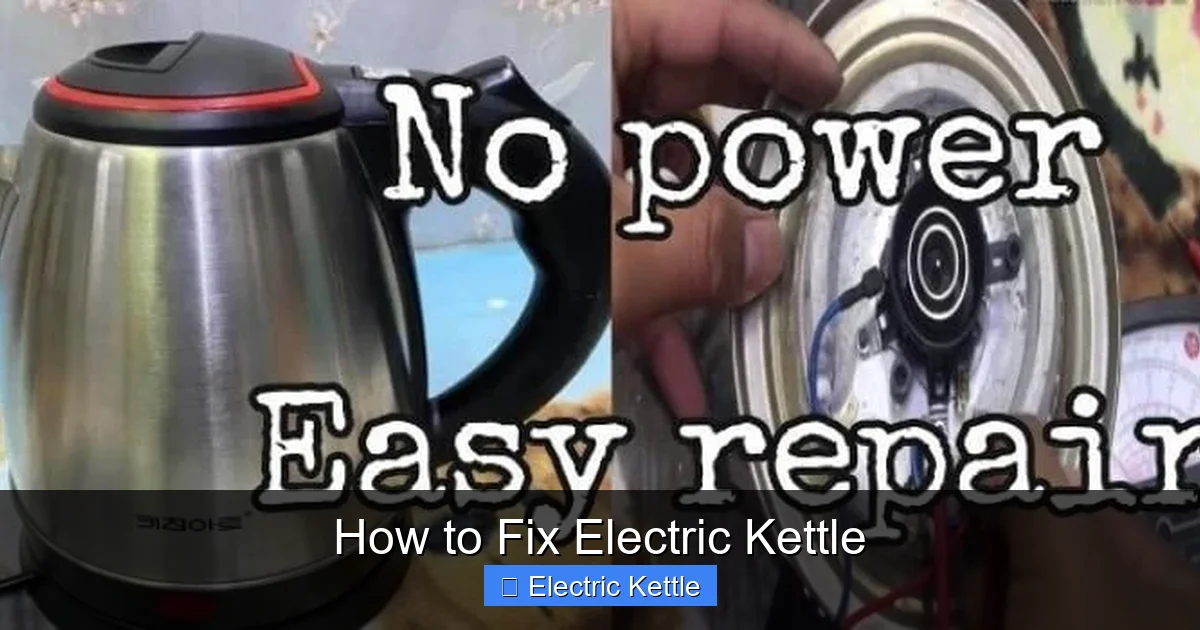
Visual guide about How to Fix Electric Kettle
Image source: longroadhomeproject.com
Understanding what’s going wrong is the first step to fixing your electric kettle. Let’s look at the most frequent issues users face and what they typically indicate.
The Kettle Won’t Turn On or Heat Up
This is the most common complaint. You press the button, but nothing happens—no lights, no sound, no heat. Before assuming the worst, check the basics:
– Is the kettle properly seated on the base? The connection between the kettle and base must be secure for power to flow.
– Is the outlet working? Plug another device into the same socket to confirm it’s delivering power.
– Is the circuit breaker tripped? Check your home’s electrical panel, especially if other appliances in the kitchen aren’t working.
If all of these check out, the issue may lie inside the kettle. Possible culprits include a blown thermal fuse, a faulty thermostat, or a broken heating element.
Water Takes Too Long to Boil or Doesn’t Boil at All
If your kettle heats slowly or stops short of boiling, limescale is likely the villain. Hard water leaves behind mineral deposits (mainly calcium and magnesium) that coat the heating element. This layer acts as insulation, reducing heat transfer and making the kettle work harder—and less efficiently.
Other causes could include a failing thermostat that doesn’t reach the correct temperature or a weakened heating element that can’t generate enough heat.
Kettle Leaks Water
Leaks are alarming and can signal serious damage. Water dripping from the spout, handle, or base suggests a cracked interior, worn seal, or damaged gasket. In some cases, overfilling can cause spillage, but persistent leaks usually mean internal wear.
Never ignore a leak—water and electricity are a dangerous mix. Unplug the kettle immediately and inspect for visible cracks or loose parts.
Strange Noises During Operation
A little bubbling or humming is normal as water heats. But loud popping, cracking, or sizzling sounds can indicate problems. These noises often come from trapped air in limescale deposits or overheating due to a dry element.
If you hear unusual sounds, stop using the kettle and check for scale buildup or low water levels.
Steam or Smoke Coming from the Lid or Base
This is a red flag. Steam escaping from the lid might just mean the seal is loose or dirty. But smoke or a burning smell from the base suggests an electrical issue—possibly a short circuit or overheating component.
Unplug the kettle right away and do not use it until the issue is resolved.
Step-by-Step Guide to Diagnosing Your Electric Kettle
Now that you know the common symptoms, let’s get into the nitty-gritty of diagnosing the problem. Follow this systematic approach to pinpoint the issue.
Step 1: Perform a Visual Inspection
Start by unplugging the kettle and giving it a thorough once-over.
– Look for cracks in the body, spout, or handle.
– Check the power cord for fraying, kinks, or exposed wires.
– Inspect the base and heating element for discoloration, rust, or mineral buildup.
– Make sure the lid closes securely and the seal isn’t cracked or missing.
Even small cracks can lead to leaks or electrical hazards, so don’t overlook minor damage.
Step 2: Test the Power Source
Plug the kettle into a different outlet—preferably one you know works. If it still doesn’t turn on, try plugging another appliance into the original outlet. This helps rule out outlet or circuit issues.
Also, check if the kettle’s power indicator light comes on. If it does but the kettle doesn’t heat, the problem is likely internal (like a faulty thermostat). If no light appears, the issue could be with the power cord, switch, or fuse.
Step 3: Check for Limescale Buildup
Remove the lid and shine a flashlight into the kettle. Look for a white, chalky residue on the heating element or interior walls. This is limescale, and it’s a major performance killer.
To test its impact, fill the kettle with water and time how long it takes to boil. Compare it to when it was new. If it’s significantly slower, descaling is probably needed.
Step 4: Listen and Observe During Operation
Plug the kettle back in and turn it on (only if you’ve ruled out leaks or electrical damage). Listen for unusual sounds and watch for steam escaping from unexpected areas.
Note how quickly it heats and whether it shuts off automatically. A healthy kettle should boil within 3–5 minutes and turn off when done.
Step 5: Use a Multimeter for Electrical Testing (Advanced)
If you’re comfortable with basic electronics, a multimeter can help test internal components.
– Set the multimeter to continuity mode.
– Unplug the kettle and remove the base (if possible—some models allow access).
– Test the thermal fuse, thermostat, and heating element for continuity. No beep means the component is broken.
This step requires caution. If you’re unsure, skip it and consult a professional.
How to Fix the Most Common Electric Kettle Issues
Once you’ve diagnosed the problem, it’s time to fix it. Here’s how to tackle the most frequent issues.
Fixing a Kettle That Won’t Heat: Descale and Clean
If your kettle heats slowly or not at all, descaling is your first line of defense.
DIY Descaling with Vinegar:
- Fill the kettle halfway with equal parts white vinegar and water.
- Let it sit for 1–2 hours (or overnight for heavy buildup).
- Boil the solution, then let it cool.
- Pour out the liquid and rinse thoroughly with clean water.
- Run 1–2 cycles with fresh water to remove any vinegar taste.
Using a Commercial Descaler:
Follow the product instructions—most require diluting the solution, boiling it, and rinsing well.
Tip: For maintenance, descale monthly if you have hard water, or every 2–3 months with soft water.
Replacing a Faulty Thermal Fuse
The thermal fuse is a safety device that cuts power if the kettle overheats. It’s usually located under the base or near the heating element.
Steps to Replace:
- Unplug the kettle and let it cool completely.
- Remove the base (may require a screwdriver).
- Locate the thermal fuse—it’s a small, flat component with two wires.
- Use a multimeter to test for continuity. No beep? It’s blown.
- Desolder the old fuse and solder in a new one of the same rating (usually 10A or 15A, 250V).
- Reassemble and test.
Note: Thermal fuses are not resettable—once blown, they must be replaced.
Repairing a Leaking Kettle
Leaks are trickier. If water drips from the spout or handle, check the gasket or seal around the lid. Over time, these rubber or silicone parts can crack or lose elasticity.
To fix:
- Remove the lid and inspect the seal.
- Clean it with soapy water and check for damage.
- If cracked or brittle, replace it with a compatible part (check the manufacturer’s website).
- Reassemble and test with a small amount of water.
If the leak comes from the base or body, the kettle may have a cracked interior. Unfortunately, these are rarely repairable—replacement is usually safer.
Fixing a Noisy Kettle
Strange noises often come from limescale or air pockets. Descaling usually solves the problem.
If the noise persists, check the heating element for loose parts or damage. In rare cases, a warped element can vibrate during heating.
Tip: Always fill the kettle to at least the minimum water level to prevent dry firing, which can cause noise and damage.
Addressing Electrical Issues
If the kettle shows signs of electrical faults—sparks, burning smell, or smoke—stop using it immediately.
Possible causes:
– Short circuit in the power cord
– Damaged internal wiring
– Faulty switch or connector
These issues require professional repair or replacement. DIY fixes on electrical components can be dangerous and may void warranties.
Safety Tips When Repairing an Electric Kettle
Working with electricity and water demands caution. Follow these safety guidelines to protect yourself and your home.
Always Unplug Before Inspecting or Repairing
Never open or touch internal components while the kettle is plugged in. Even when off, capacitors can hold a charge.
Let the Kettle Cool Completely
The heating element stays hot long after use. Wait at least 30 minutes before handling.
Use Proper Tools
A screwdriver, multimeter, and soldering iron (if needed) should be in good condition. Avoid using damaged tools.
Work in a Dry, Well-Lit Area
Moisture increases the risk of shock. Keep your workspace dry and clutter-free.
Don’t Bypass Safety Features
Never remove or disable the thermal fuse, auto shut-off, or lid lock. These exist to prevent accidents.
When in Doubt, Consult a Professional
If you’re unsure about any step, especially electrical testing or soldering, seek help from a qualified technician.
Preventative Maintenance to Avoid Future Problems
An ounce of prevention is worth a pound of cure. Regular care can extend your kettle’s life and prevent breakdowns.
Descale Regularly
As mentioned, limescale is the #1 enemy of electric kettles. Make descaling part of your routine.
Frequency:
– Hard water areas: Every 4–6 weeks
– Soft water areas: Every 2–3 months
Clean the Exterior and Lid
Wipe the outside with a damp cloth and mild detergent. Avoid abrasive cleaners that can scratch the surface.
For the lid, remove and wash it separately. Pay attention to the seal and hinge area where grime builds up.
Don’t Overfill or Underfill
Always stay between the minimum and maximum water levels. Overfilling can cause leaks; underfilling risks dry firing.
Store Properly
Keep the kettle in a dry place. Don’t wrap the cord tightly around the base, as this can damage the wires over time.
Use Filtered Water When Possible
Filtered or distilled water reduces mineral buildup and improves taste.
When to Replace Instead of Repair
Not every kettle is worth fixing. Consider replacement if:
– The body is cracked or leaking from the base
– The power cord is severely damaged
– Multiple components have failed
– The kettle is over 5–7 years old
– Repair costs more than 50% of a new kettle’s price
Modern kettles are more energy-efficient and come with better safety features. Upgrading might save you money in the long run.
Conclusion
Fixing an electric kettle doesn’t have to be daunting. With the right approach, many common issues—like no heating, leaks, or strange noises—can be resolved at home. Start with simple checks: power source, limescale, and visible damage. Then move on to more advanced fixes like replacing a thermal fuse or cleaning internal components.
Remember, safety comes first. Always unplug the kettle, let it cool, and avoid working on electrical parts unless you’re confident. Regular maintenance—especially descaling—can prevent most problems and keep your kettle running smoothly for years.
But know your limits. If the kettle is old, leaking, or showing signs of electrical failure, it’s smarter and safer to replace it. A new model will likely be more efficient, quieter, and safer than a patched-up old one.
By following this guide, you’ll save money, reduce waste, and enjoy your favorite hot beverages without interruption. So the next time your kettle acts up, don’t panic—grab your vinegar, multimeter, or screwdriver, and get to work. You’ve got this!
Frequently Asked Questions
Can I fix an electric kettle that won’t turn on?
Yes, in many cases. Start by checking the power outlet, cord, and base connection. If those are fine, the issue may be a blown thermal fuse or faulty thermostat, which can sometimes be replaced.
How often should I descale my electric kettle?
Descale every 4–6 weeks if you have hard water, or every 2–3 months with soft water. Regular descaling prevents limescale buildup and keeps your kettle heating efficiently.
Is it safe to repair an electric kettle myself?
Basic fixes like descaling or cleaning are safe. However, electrical repairs involving wiring or soldering should only be done if you have experience. When in doubt, consult a professional.
Why does my kettle make a loud noise when boiling?
Loud popping or cracking sounds are often caused by limescale trapping air or overheating. Descaling usually resolves the issue. Ensure you’re not running the kettle with too little water.
Can a leaking electric kettle be repaired?
Minor leaks from the lid or spout may be fixable by replacing the seal or gasket. However, leaks from the base or body often indicate internal cracks and usually require replacement.
What causes an electric kettle to stop heating suddenly?
Common causes include limescale buildup, a blown thermal fuse, a faulty thermostat, or a damaged heating element. Testing with a multimeter can help identify the exact issue.