Hard water stains in your electric kettle aren’t just unsightly—they can affect taste and performance. With a few household ingredients like vinegar or lemon juice, you can easily remove buildup and keep your kettle sparkling clean and efficient.
If you’ve ever looked inside your electric kettle and seen a chalky white or yellowish film lining the interior, you’re not alone. That’s hard water stains—mineral deposits left behind when water with high levels of calcium and magnesium evaporates. Over time, these deposits build up, forming a crusty layer that can affect how your kettle performs, alter the taste of your tea or coffee, and even shorten the appliance’s lifespan. The good news? Getting rid of hard water stains off your electric kettle is easier than you might think—and you probably already have everything you need at home.
Hard water is common in many regions, especially those with well water or older plumbing systems. While it’s not harmful to drink, it leaves behind residue that clings to surfaces, particularly in appliances that heat water repeatedly. Electric kettles are especially prone because the heating element constantly boils water, accelerating mineral buildup. If left unchecked, this limescale can reduce heating efficiency, cause odd noises, and even lead to overheating. But don’t worry—this isn’t a sign your kettle is doomed. With the right cleaning techniques, you can restore it to like-new condition and keep it running smoothly for years.
Key Takeaways
- Vinegar is the most effective solution: A 50/50 mix of white vinegar and water dissolves mineral deposits quickly and safely.
- Lemon juice works naturally: The citric acid in lemons breaks down limescale without harsh chemicals.
- Regular cleaning prevents buildup: Clean your kettle every 2–4 weeks if you have hard water to avoid stubborn stains.
- Avoid abrasive tools: Scrubbing with steel wool or harsh pads can scratch surfaces and damage heating elements.
- Rinse thoroughly after cleaning: Always run multiple cycles with clean water to remove any cleaning residue.
- Use filtered water when possible: This reduces mineral content and slows future staining.
- Check your kettle’s warranty: Some manufacturers recommend specific cleaning methods to avoid voiding coverage.
📑 Table of Contents
Why Hard Water Stains Form in Electric Kettles
Hard water contains dissolved minerals—primarily calcium and magnesium—that come from groundwater passing through rock and soil. When you boil water in your electric kettle, the heat causes these minerals to precipitate out of the water and cling to the interior surfaces, especially around the heating element and the bottom of the kettle. Over time, this creates a hard, crusty layer known as limescale.
This buildup isn’t just cosmetic. It acts as an insulator, making it harder for the heating element to transfer heat efficiently. As a result, your kettle takes longer to boil, uses more energy, and may even overheat. In severe cases, the scale can flake off into your water, affecting the taste of beverages and potentially clogging small components. Additionally, some people notice a metallic or bitter aftertaste in their tea or coffee when limescale is present.
The frequency of staining depends on how hard your water is and how often you use your kettle. If you live in an area with very hard water—check your local water report or use a home testing kit—you might see noticeable buildup within just a few weeks of regular use. Even if you use filtered or bottled water, some minerals can still remain, so occasional cleaning is still necessary.
Top Methods to Remove Hard Water Stains
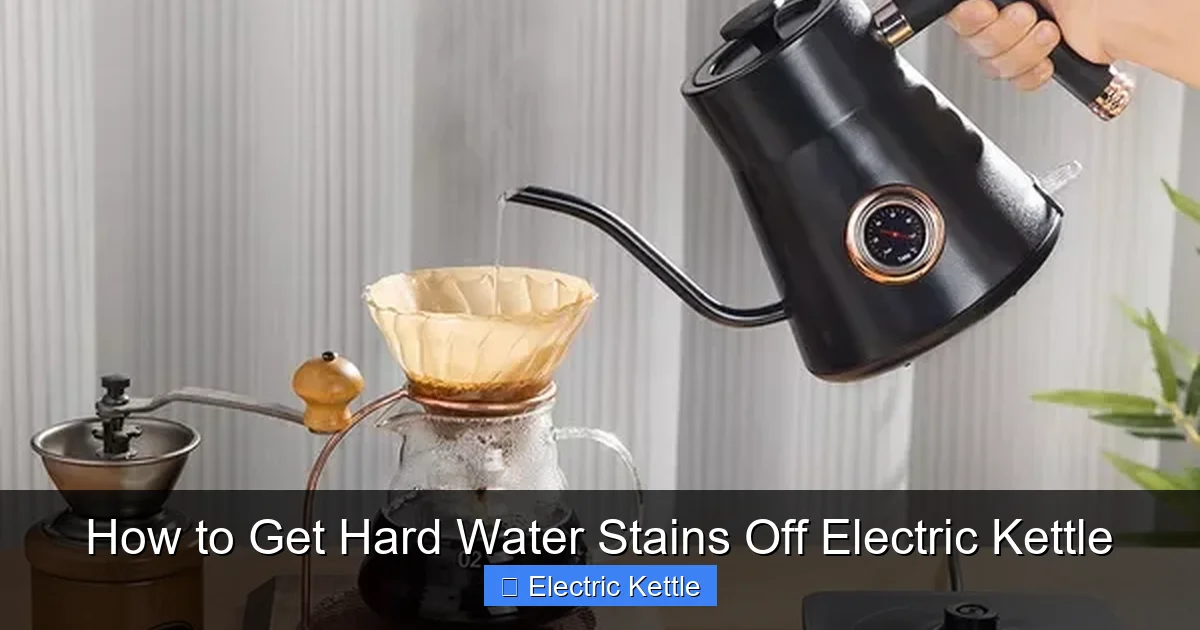
Visual guide about How to Get Hard Water Stains Off Electric Kettle
Image source: irrorwxhiqijjr5q.ldycdn.com
There are several effective, safe ways to clean hard water stains from your electric kettle. The best methods use common household ingredients that are gentle on appliances but powerful against mineral deposits. Below are the most reliable techniques, ranked by effectiveness and ease of use.
Vinegar Solution (Most Effective)
White distilled vinegar is the gold standard for removing limescale. Its acetic acid content breaks down calcium and magnesium deposits quickly and safely. This method is inexpensive, eco-friendly, and works on even the toughest stains.
To use vinegar:
- Fill the kettle halfway with equal parts white vinegar and water. For example, use 1 cup vinegar and 1 cup water.
- Plug in the kettle and bring the solution to a boil.
- Once boiling, turn off the kettle and let the mixture sit for 15–30 minutes. For heavy buildup, leave it for up to an hour.
- Pour out the solution and scrub gently with a soft sponge or brush if needed. Avoid metal scrubbers—they can scratch.
- Rinse the kettle thoroughly with clean water. Fill it, boil, and discard the water 2–3 times to remove any vinegar taste or smell.
Tip: If your kettle has a removable limescale filter (common in some models), take it out and soak it in vinegar separately. This ensures all parts are clean.
Lemon Juice Method (Natural & Fresh-Smelling)
Lemon juice is another excellent natural cleaner thanks to its high citric acid content. It’s especially great if you prefer a fresh, citrusy scent over vinegar’s sharp odor.
To clean with lemon:
- Cut a lemon in half and squeeze the juice into the kettle. Use about ½ to 1 whole lemon, depending on the kettle size.
- Add water to cover the bottom and the stained areas—usually about halfway.
- Boil the mixture, then let it sit for 20–30 minutes.
- Pour out the liquid and scrub gently if needed.
- Rinse thoroughly with clean water, then boil and discard fresh water 2–3 times to eliminate any lemon residue.
Bonus: Lemon also helps deodorize the kettle, leaving it smelling clean and fresh.
Baking Soda Paste (For Stubborn Spots)
Baking soda is mildly abrasive and alkaline, making it ideal for scrubbing away tough stains without damaging surfaces. It’s best used as a paste for spot treatment rather than a full soak.
To use baking soda:
- Mix 1–2 tablespoons of baking soda with a small amount of water to form a thick paste.
- Apply the paste directly to stained areas using a soft cloth or sponge.
- Gently scrub in circular motions. Focus on the heating element and the bottom where buildup is thickest.
- Rinse thoroughly with water.
- For deeper cleaning, follow up with a vinegar rinse: fill the kettle with vinegar and water, boil, then let sit before rinsing.
Note: Baking soda alone may not dissolve heavy limescale, so it works best when combined with vinegar.
Commercial Descaling Solutions (Convenient but Costly)
If you prefer a ready-made solution, commercial descaling products are available at most appliance or grocery stores. Brands like Durgol, Urnex, and Ecozone offer kettle-specific cleaners that are safe and effective.
To use a commercial descaler:
- Follow the instructions on the package—most require diluting the solution with water.
- Pour the mixture into the kettle and let it sit for the recommended time (usually 15–30 minutes).
- Boil the solution if directed, then pour it out.
- Rinse thoroughly with clean water and run 2–3 boil cycles to ensure no residue remains.
Pros: Fast, convenient, and often formulated for specific appliance types.
Cons: More expensive than DIY methods and may contain chemicals you’d rather avoid.
Step-by-Step Cleaning Guide
Cleaning your electric kettle doesn’t have to be complicated. Follow this simple step-by-step guide to ensure a thorough, safe cleaning every time.
Step 1: Unplug and Cool Down
Safety first! Always unplug the kettle and let it cool completely before cleaning. Never attempt to clean a hot or recently used kettle, as this can cause burns or damage the appliance.
Step 2: Empty and Inspect
Pour out any remaining water and check the interior for visible stains, especially around the heating element and the base. Note the severity of the buildup—light film or thick crust—to determine the best cleaning method.
Step 3: Choose Your Cleaning Solution
Based on the level of staining:
- Light buildup: Use lemon juice or a mild vinegar solution.
- Moderate to heavy buildup: Use a full-strength vinegar soak or commercial descaler.
- Stubborn spots: Combine vinegar with a baking soda scrub.
Step 4: Apply and Soak
Add your chosen solution to the kettle, ensuring it covers all stained areas. Boil if recommended, then let it sit for 15–60 minutes. The longer it sits, the more effective it will be.
Step 5: Scrub Gently (If Needed)
After soaking, use a soft sponge, brush, or cloth to gently scrub away loosened deposits. Avoid abrasive tools like steel wool or scouring pads, which can scratch stainless steel or damage non-stick coatings.
Step 6: Rinse Thoroughly
Pour out the cleaning solution and rinse the kettle with clean water. Fill it, boil, and discard the water 2–3 times to remove any lingering taste or smell from the cleaner.
Step 7: Dry and Store
Wipe the exterior with a dry cloth and let the interior air dry completely before storing or using again.
Preventing Future Hard Water Stains
Cleaning is only half the battle—prevention is key to keeping your kettle stain-free and efficient. Here’s how to minimize buildup over time.
Clean Regularly
Make cleaning a habit. If you use your kettle daily and have hard water, clean it every 2–4 weeks. For lighter use or softer water, every 6–8 weeks may be sufficient. Regular maintenance prevents stains from becoming stubborn and hard to remove.
Use Filtered or Softened Water
Switching to filtered water can significantly reduce mineral content. Use a pitcher filter, under-sink system, or even bottled water for boiling. Water softeners also help, though they add sodium, which some people prefer to avoid in drinking water.
Empty the Kettle After Use
Don’t let water sit in the kettle for long periods. Residual water evaporates and leaves behind minerals. After each use, pour out any unused water and leave the lid open to air dry.
Wipe Down the Interior
Once a week, wipe the inside of the kettle with a damp cloth to remove light film before it hardens. This simple step can prevent the need for deep cleaning.
Check the Filter
If your kettle has a built-in limescale filter, clean or replace it according to the manufacturer’s instructions. A clogged filter reduces efficiency and increases staining.
Safety Tips and What to Avoid
While cleaning your electric kettle is generally safe, there are a few important precautions to keep in mind.
Never Use Harsh Chemicals
Avoid bleach, ammonia, or strong drain cleaners. These can damage the kettle’s interior, leave toxic residues, and pose health risks if not rinsed completely.
Don’t Submerge the Base
Electric kettles are not waterproof. Never immerse the base, cord, or plug in water. Only the interior chamber should be cleaned, and always unplug the unit first.
Avoid Metal Scrubbers
Steel wool, metal brushes, or abrasive pads can scratch stainless steel, damage non-stick coatings, and expose the heating element to corrosion. Stick to soft sponges, brushes, or cloths.
Don’t Boil Cleaning Solutions Dry
Always add water when boiling vinegar, lemon, or descaling solutions. Boiling a dry kettle or a solution without enough liquid can damage the heating element and create strong fumes.
Test First if Unsure
If you’re using a new cleaning method or product, test it on a small area first. Some kettles have special coatings or finishes that may react differently to acids.
When to Replace Your Electric Kettle
Even with regular cleaning, no kettle lasts forever. Here are signs it might be time for a replacement:
- The heating element is visibly corroded or pitted.
- Stains return immediately after cleaning, indicating deep damage.
- The kettle takes much longer to boil than it used to.
- You notice a persistent metallic taste or odor, even after cleaning.
- The exterior is cracked, the cord is frayed, or it leaks.
Most quality electric kettles last 3–5 years with proper care. If yours is older and showing multiple issues, investing in a new model may be more cost-effective than repeated repairs.
Conclusion
Hard water stains in your electric kettle are a common but manageable problem. With simple, natural solutions like vinegar and lemon juice, you can easily remove limescale and restore your kettle’s performance and appearance. Regular cleaning, using filtered water, and proper maintenance go a long way in preventing buildup and extending the life of your appliance.
Don’t let mineral deposits ruin your morning tea or coffee ritual. A few minutes of cleaning every few weeks can make a big difference. Your kettle—and your taste buds—will thank you. Remember, a clean kettle isn’t just about looks; it’s about safety, efficiency, and great-tasting hot beverages every time.
Frequently Asked Questions
Can I use apple cider vinegar instead of white vinegar?
Yes, but white vinegar is preferred because it’s clearer and less likely to leave odors or residues. Apple cider vinegar works but may leave a slight smell that requires extra rinsing.
How often should I clean my electric kettle?
Clean it every 2–4 weeks if you have hard water and use the kettle daily. For softer water or less frequent use, every 6–8 weeks is usually sufficient.
Is it safe to drink water after cleaning with vinegar?
Yes, as long as you rinse the kettle thoroughly and run 2–3 boil cycles with clean water. Any vinegar taste or smell will be completely removed.
Can I clean a plastic electric kettle the same way?
Yes, but be extra gentle. Avoid boiling vinegar for too long, as strong acids can degrade some plastics over time. Lemon juice or a mild vinegar soak is safer.
What if the stains won’t come off?
Try a longer soak (up to 2 hours) or repeat the cleaning process. For extremely stubborn buildup, use a commercial descaler or consider replacing the kettle if the heating element is damaged.
Does boiling water alone remove hard water stains?
No, boiling plain water doesn’t remove limescale—it actually contributes to it. You need an acidic solution like vinegar or lemon to dissolve the minerals.