Limescale buildup in your electric kettle isn’t just unsightly—it can affect taste, reduce heating efficiency, and shorten the appliance’s lifespan. Fortunately, removing it is easy, affordable, and safe when you use natural solutions like white vinegar or lemon juice. With regular maintenance, you can keep your kettle sparkling clean and functioning at its best.
Key Takeaways
- White vinegar is the most effective and affordable solution for dissolving limescale due to its acetic acid content, which breaks down mineral deposits safely.
- Lemon juice works well for mild buildup and leaves a fresh scent, making it a great natural alternative to chemical cleaners.
- Baking soda can be used for scrubbing stubborn spots but works best when combined with vinegar for a fizzing reaction that lifts grime.
- Regular cleaning every 2–4 weeks prevents heavy buildup, especially in areas with hard water, saving time and effort in the long run.
- Always rinse thoroughly after descaling to avoid any residual taste or odor in your next cup of tea or coffee.
- Never use abrasive scrubbers on the heating element or interior surfaces, as they can damage the kettle and void warranties.
- Using filtered water reduces future limescale formation and helps maintain your kettle’s performance and longevity.
📑 Table of Contents
- Why Limescale Builds Up in Your Electric Kettle
- Signs Your Electric Kettle Needs Descaling
- Best Natural Methods to Remove Limescale
- Step-by-Step Guide to Descaling Your Electric Kettle
- How to Prevent Limescale Buildup
- Common Mistakes to Avoid When Cleaning
- When to Replace Your Electric Kettle
- Conclusion
Why Limescale Builds Up in Your Electric Kettle
If you’ve ever noticed a chalky, white residue lining the inside of your electric kettle, you’re not alone. That’s limescale—a hard, crusty deposit made mostly of calcium and magnesium carbonate. It forms when hard water (water with high mineral content) is heated repeatedly. As the water evaporates during boiling, these minerals are left behind, gradually building up on the kettle’s interior, especially around the heating element and spout.
This buildup isn’t just a cosmetic issue. Over time, limescale can insulate the heating element, forcing your kettle to work harder and use more energy to heat water. This reduces efficiency, increases electricity costs, and can even shorten the lifespan of your appliance. In severe cases, flakes of limescale can end up in your tea or coffee, affecting the taste and potentially your health if consumed regularly.
The problem is more common in areas with hard water, but even those with moderately hard water will notice some buildup over time. The good news? Limescale is completely removable—and preventing it is easier than you think. With a few simple household ingredients and a little routine care, you can keep your electric kettle clean, efficient, and safe to use.
Signs Your Electric Kettle Needs Descaling
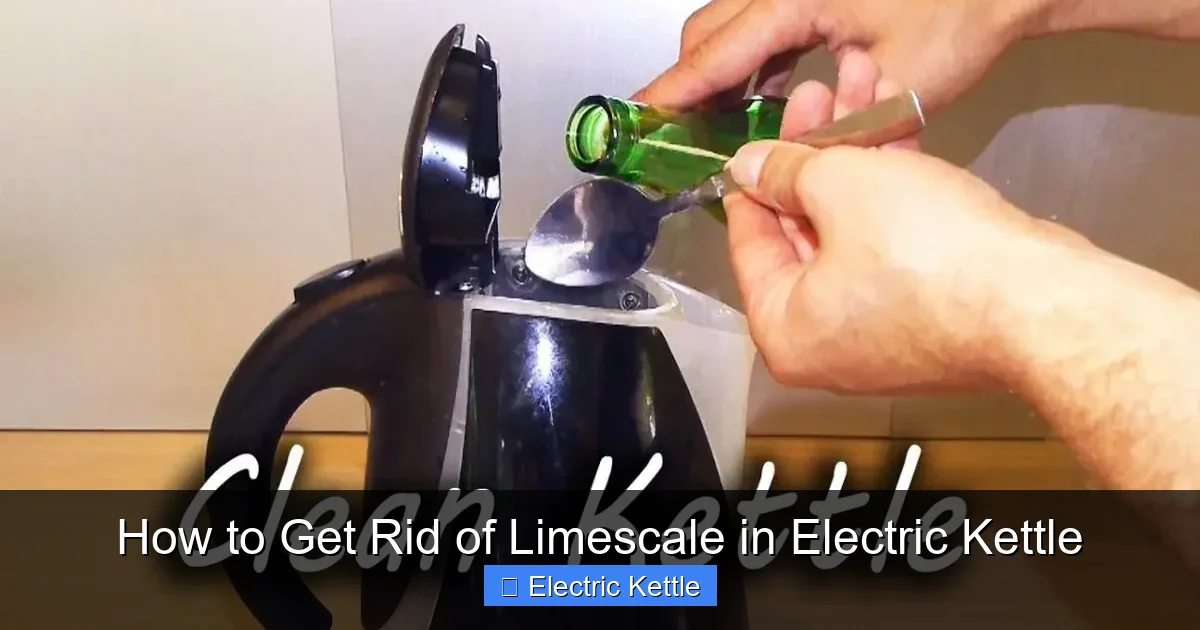
Visual guide about How to Get Rid of Limescale in Electric Kettle
Image source: healthy-food-near-me.com
Knowing when to clean your kettle is the first step to maintaining it properly. While some buildup is invisible at first, there are clear signs that limescale is starting to take hold.
One of the most obvious indicators is the appearance of white or grayish deposits on the inside of the kettle, especially near the bottom where the heating element sits. You might also notice a cloudy film on the water’s surface after boiling, or small white flakes floating in your cup. These are pieces of limescale that have broken loose.
Another telltale sign is longer boiling times. If your kettle used to boil water in under three minutes but now takes five or more, limescale could be insulating the heating coil, making it less efficient. You might also hear unusual noises—like popping or cracking—during heating, which can occur when trapped steam builds up behind the scale.
Finally, if your tea or coffee starts tasting “off” or metallic, it could be due to minerals leaching from the limescale into your water. This is especially noticeable with delicate teas like green or white tea, which are more sensitive to water quality.
Don’t wait until your kettle is completely coated. Early intervention makes cleaning easier and keeps your appliance running smoothly.
Best Natural Methods to Remove Limescale
When it comes to descaling your electric kettle, you don’t need harsh chemicals or expensive products. Some of the most effective solutions are already in your kitchen. Here are the top natural methods to get rid of limescale safely and effectively.
White Vinegar: The Gold Standard
White distilled vinegar is hands-down the most popular and effective remedy for limescale. Its high acetic acid content (usually 5–8%) dissolves mineral deposits quickly and safely. Plus, it’s inexpensive, non-toxic, and leaves no harmful residues when used correctly.
To use vinegar, fill your kettle halfway with equal parts white vinegar and water. For example, if your kettle holds 1.7 liters, use about 425 ml of vinegar and 425 ml of water. Turn on the kettle and bring the solution to a boil. Once it reaches a rolling boil, turn it off and let the mixture sit for at least 30 minutes—longer for heavy buildup (up to 2 hours).
After soaking, pour out the solution and scrub the interior gently with a soft sponge or brush. Avoid using steel wool or abrasive pads, as they can scratch the surface. Rinse the kettle thoroughly 2–3 times with clean water, filling it up and boiling fresh water each time to remove any lingering vinegar taste.
For maintenance, repeat this process every 2–4 weeks, depending on your water hardness. In very hard water areas, monthly cleaning is recommended.
Lemon Juice: A Fresh Alternative
If you prefer a more pleasant scent or don’t have vinegar on hand, lemon juice is an excellent alternative. Like vinegar, lemon contains citric acid, which breaks down limescale effectively. It also leaves a fresh, clean smell behind.
To use lemon juice, cut a fresh lemon in half and squeeze the juice directly into the kettle. Add enough water to fill it about halfway. You can also drop in the lemon halves for extra acidity and scrubbing power. Boil the mixture, then let it sit for 30–60 minutes. The citric acid will work to dissolve the scale, and the lemon pulp can help scrub away stubborn spots.
After soaking, discard the lemon pieces and rinse the kettle thoroughly. Boil fresh water 2–3 times to ensure no lemon flavor remains. This method is ideal for light to moderate buildup and works especially well if you’re sensitive to the smell of vinegar.
Baking Soda for Stubborn Spots
Baking soda (sodium bicarbonate) isn’t as strong as vinegar or lemon juice on its own, but it’s great for scrubbing away loosened limescale and neutralizing odors. It’s particularly useful for cleaning the spout, lid, and exterior surfaces.
To use baking soda, mix 1–2 tablespoons with a small amount of water to form a thick paste. Apply the paste to affected areas using a soft cloth or sponge. Gently scrub in circular motions, focusing on visible scale. For the interior, you can combine baking soda with vinegar for a powerful fizzing reaction.
Here’s how: add 1–2 tablespoons of baking soda to the kettle, then pour in equal parts vinegar and water. The mixture will bubble and foam—this reaction helps lift and dissolve scale. Let it sit for 30 minutes, then scrub and rinse thoroughly.
While baking soda alone won’t remove heavy limescale, it’s a great follow-up step after using vinegar or lemon to polish and deodorize.
Commercial Descalers: When to Use Them
If natural methods aren’t cutting it—or if you prefer a ready-made solution—commercial descalers are available. These products are specifically formulated to remove limescale and are often used in coffee machines and kettles.
Look for descalers labeled as safe for electric kettles and free from harsh chemicals like chlorine or ammonia. Popular brands include Durgol, Urnex, and Ecozone. Follow the instructions carefully, as concentrations and soaking times vary.
While effective, commercial descalers can be more expensive than DIY options and may contain synthetic ingredients. They’re best reserved for heavy buildup or when natural methods haven’t worked. Always rinse thoroughly after use to avoid any chemical taste.
Step-by-Step Guide to Descaling Your Electric Kettle
Now that you know the best methods, here’s a simple, step-by-step guide to safely and effectively descale your electric kettle. This process works for most models, including stainless steel, glass, and plastic kettles.
Step 1: Unplug and Cool Down
Safety first! Always unplug your kettle and let it cool completely before cleaning. Never attempt to clean a hot or recently used kettle, as this can cause burns or damage the appliance.
Step 2: Empty and Rinse
Pour out any remaining water and give the kettle a quick rinse to remove loose debris. This helps the cleaning solution work more effectively.
Step 3: Prepare the Cleaning Solution
Choose your preferred method:
– For vinegar: Mix equal parts white vinegar and water (e.g., 1 cup vinegar + 1 cup water).
– For lemon: Squeeze the juice of one lemon into the kettle and add water to fill halfway.
– For baking soda: Make a paste with 1–2 tablespoons of baking soda and a little water.
Step 4: Boil the Solution
Fill the kettle with the cleaning solution up to the halfway mark. Plug it in and bring it to a boil. Once boiling, turn it off immediately.
Step 5: Soak and Scrub
Let the solution sit for at least 30 minutes. For heavy buildup, leave it for 1–2 hours. During this time, the acid will dissolve the limescale.
After soaking, use a soft sponge or non-abrasive brush to gently scrub the interior, especially around the heating element and spout. Avoid metal scrubbers, which can scratch surfaces.
Step 6: Rinse Thoroughly
Pour out the solution and rinse the kettle 2–3 times with clean water. Fill it up, boil fresh water, and discard it. Repeat this process 2–3 times to ensure no cleaning residue remains.
Step 7: Dry and Store
Wipe the exterior with a damp cloth and dry it completely. Store the kettle with the lid open to prevent moisture buildup and odors.
How to Prevent Limescale Buildup
Cleaning limescale is important, but preventing it is even better. With a few simple habits, you can significantly reduce buildup and extend the life of your kettle.
Use Filtered or Softened Water
The easiest way to prevent limescale is to use water with lower mineral content. Consider installing a water filter on your tap or using filtered water from a pitcher. If you have very hard water, a water softener can help reduce calcium and magnesium levels.
Alternatively, you can buy distilled or demineralized water for your kettle. While this may seem like an extra expense, it pays off in reduced cleaning frequency and better-tasting beverages.
Empty the Kettle After Each Use
Leaving water sitting in the kettle—especially overnight—gives minerals time to settle and form scale. Make it a habit to empty the kettle after each use, especially if you don’t boil water daily.
Wipe Down the Interior Weekly
Even if you don’t descale weekly, a quick wipe with a damp cloth can remove surface minerals before they harden. This is especially helpful in hard water areas.
Descale Regularly
Set a reminder to descale your kettle every 2–4 weeks, depending on usage and water hardness. Regular maintenance prevents heavy buildup and keeps your kettle running efficiently.
Avoid Overfilling
Filling the kettle beyond its recommended capacity can cause water to splash onto the heating element and exterior, leaving mineral deposits. Always follow the manufacturer’s guidelines for maximum fill level.
Common Mistakes to Avoid When Cleaning
Even with the best intentions, it’s easy to make mistakes that can damage your kettle or reduce its effectiveness. Here are some common pitfalls to avoid.
Using Abrasive Cleaners or Tools
Steel wool, scouring pads, or harsh chemical cleaners can scratch the interior of your kettle, creating grooves where limescale can accumulate more easily. Always use soft sponges, brushes, or cloths.
Not Rinsing Thoroughly
Residual vinegar or lemon juice can affect the taste of your water and beverages. Always rinse multiple times and boil fresh water before your first use after cleaning.
Ignoring the Heating Element
The heating element is the most vulnerable part of your kettle. Avoid submerging it in water or using excessive force when scrubbing. Gentle cleaning is key.
Using Bleach or Ammonia
These chemicals are too harsh for electric kettles and can damage internal components or leave toxic residues. Stick to natural acids like vinegar or lemon.
Cleaning a Hot Kettle
Never clean a hot kettle. Sudden temperature changes can warp plastic parts or damage the heating element. Always wait until it’s completely cool.
When to Replace Your Electric Kettle
Despite your best efforts, there comes a time when cleaning isn’t enough. If your kettle shows signs of severe damage—such as cracks, rust, or a malfunctioning thermostat—it may be time to replace it.
Other signs include persistent bad taste, unusual noises, or failure to heat properly even after descaling. Most electric kettles last 3–5 years with proper care, but heavy use or very hard water can shorten that lifespan.
When shopping for a new kettle, look for models with easy-to-clean interiors, removable filters, and descaling indicators. Stainless steel and glass kettles are generally easier to maintain than plastic ones.
Conclusion
Limescale in your electric kettle is a common but manageable problem. With the right approach, you can keep your kettle clean, efficient, and safe to use for years. Natural solutions like white vinegar and lemon juice are effective, affordable, and eco-friendly, making them ideal for regular maintenance.
By descaling every few weeks, using filtered water, and avoiding common cleaning mistakes, you’ll not only improve the taste of your tea and coffee but also extend the life of your appliance. Remember: a little prevention goes a long way. So next time you boil water, take a moment to check for buildup—and give your kettle the care it deserves.
Frequently Asked Questions
How often should I descale my electric kettle?
It depends on your water hardness and usage. In hard water areas, descale every 2–4 weeks. If you use your kettle daily, monthly cleaning is a good rule of thumb. For soft water or occasional use, every 6–8 weeks may be sufficient.
Can I use apple cider vinegar instead of white vinegar?
Yes, but white vinegar is preferred because it’s clearer and less likely to leave a smell or stain. Apple cider vinegar works similarly due to its acidity, but it may leave a slight odor and color residue.
Is it safe to drink water after descaling with vinegar?
Yes, as long as you rinse the kettle thoroughly and boil fresh water 2–3 times afterward. Any vinegar taste or smell will disappear after proper rinsing.
Can limescale make me sick?
Limescale itself is not toxic—it’s just minerals. However, heavy buildup can harbor bacteria or affect the taste and quality of your water. Regular cleaning ensures safe, great-tasting beverages.
What if my kettle has a built-in filter?
Remove and clean the filter separately according to the manufacturer’s instructions. Some filters are washable; others need replacing. A clean filter helps reduce limescale in the kettle itself.
Can I use citric acid powder instead of lemon juice?
Absolutely. Citric acid powder is highly effective and often used in commercial descalers. Mix 1–2 tablespoons with water, boil, and soak as you would with lemon juice. It’s odorless and leaves no residue.