If you’ve spotted mold in your electric kettle, don’t panic—it’s more common than you think. With the right cleaning methods and regular maintenance, you can easily eliminate mold and keep your kettle safe and hygienic for daily use.
Key Takeaways
- Mold grows in damp, warm environments: Electric kettles with leftover water or poor ventilation are prime spots for mold development.
- White vinegar is a powerful natural cleaner: A 50/50 mix with water effectively dissolves mold, limescale, and bacteria without harsh chemicals.
- Baking soda boosts cleaning power: When combined with vinegar, it creates a fizzing reaction that helps scrub away stubborn mold and residue.
- Regular cleaning prevents mold buildup: Wiping down your kettle after each use and descaling monthly keeps it fresh and mold-free.
- Never ignore mold in your kettle: Consuming water with mold spores can lead to respiratory issues or allergic reactions.
- Use filtered water to reduce contaminants: Hard water and impurities increase the risk of mold and mineral buildup.
- Store your kettle dry and open: Leaving the lid off allows moisture to evaporate, preventing mold from forming.
📑 Table of Contents
Why Mold Grows in Electric Kettles
Electric kettles are designed for convenience—quick boiling, automatic shut-off, and compact storage. But that same convenience can create the perfect environment for mold. Every time you boil water and leave even a small amount behind, you’re creating a warm, moist habitat where mold spores can thrive. Combine that with hard water minerals, dust, or food particles from steam, and you’ve got a breeding ground for mold.
Mold in electric kettles often appears as black, green, or white spots around the spout, inside the lid, or near the heating element. It might also give off a musty smell when you turn on the kettle. While it’s easy to overlook, mold isn’t just unsightly—it can affect your health. Inhaling or ingesting mold spores may trigger allergies, asthma, or other respiratory issues, especially in sensitive individuals.
Many people assume that boiling water kills all bacteria and mold, but that’s not entirely true. While high heat does kill active mold, it doesn’t remove the spores or the slimy biofilm they leave behind. Over time, this residue builds up and becomes harder to clean. That’s why prevention and regular maintenance are key to keeping your kettle mold-free.
Common Causes of Mold in Electric Kettles
- Standing water: Leaving water in the kettle after use creates constant moisture, encouraging mold growth.
- Poor ventilation: Storing the kettle with the lid closed traps humidity inside.
- Hard water buildup: Mineral deposits from hard water provide a surface for mold to cling to.
- Infrequent cleaning: Skipping regular descaling allows mold and limescale to accumulate unnoticed.
- Food or sugar residue: Sweetened beverages or spills can leave behind organic matter that feeds mold.
Signs You Have Mold in Your Kettle
You might not always see mold right away, but there are telltale signs. A strange odor when boiling water is one of the first clues. If your tea or coffee suddenly tastes off, even with fresh ingredients, mold could be the culprit. Visible spots—especially near the spout or under the lid—are another red flag. You might also notice a slimy film or discoloration inside the kettle.
If you’ve recently moved to a new home or used a different water source, that could also increase the risk. Well water, for example, may contain more organic matter that promotes mold. Even if your kettle looks clean, it’s worth giving it a thorough inspection every few weeks.
How to Get Rid of Mold in Electric Kettle: Step-by-Step Guide
Getting rid of mold in your electric kettle doesn’t require expensive cleaners or professional help. With a few household ingredients and some elbow grease, you can restore your kettle to a clean, safe condition. The key is to act quickly and use the right method for your kettle’s material—most are made of stainless steel or plastic, so avoid abrasive tools that could scratch the surface.
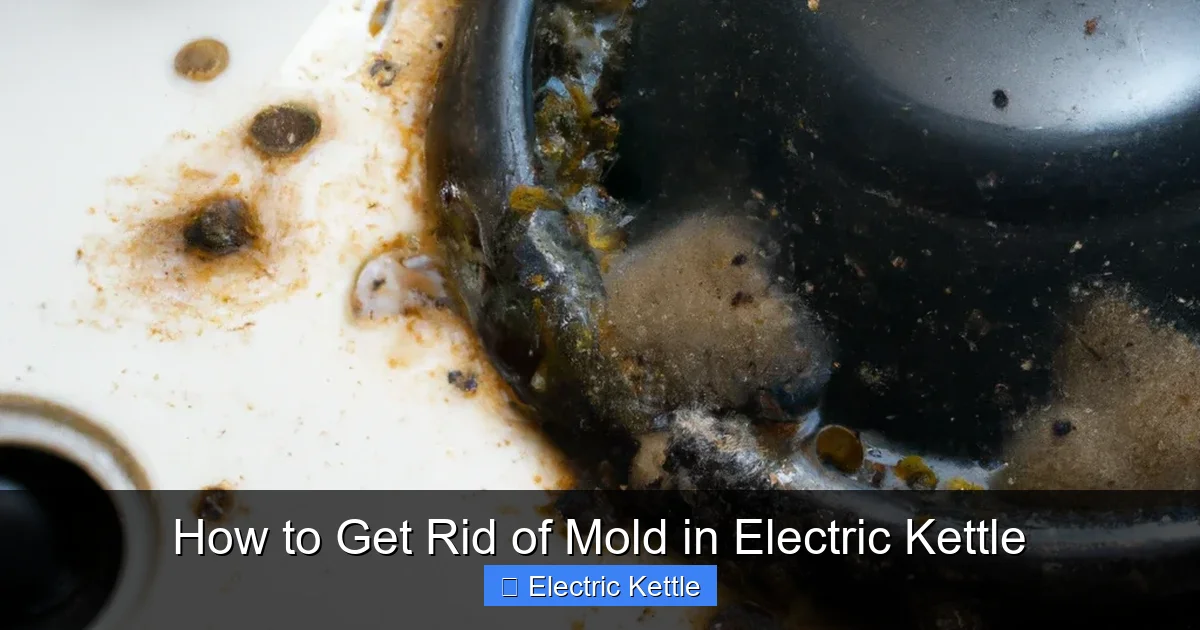
Visual guide about How to Get Rid of Mold in Electric Kettle
Image source: lilyhealth.co.uk
Below is a simple, effective process to eliminate mold and prevent it from returning. Always unplug your kettle and let it cool completely before cleaning. Safety first!
Method 1: Vinegar and Water Solution
White vinegar is one of the best natural cleaners for mold and limescale. Its acidity breaks down mineral deposits and kills mold spores without leaving harmful residues. Here’s how to use it:
- Mix equal parts white vinegar and water. For a standard 1-liter kettle, use 500ml of each.
- Pour the solution into the kettle, making sure it covers all affected areas.
- Let it sit for at least 1 hour—overnight for heavy mold buildup.
- Boil the solution (if your kettle allows it) or heat it on the stove if it’s stovetop-safe.
- After boiling, let it cool, then scrub the interior gently with a soft brush or sponge.
- Pour out the solution and rinse thoroughly with clean water.
- Fill the kettle with fresh water, boil it once, and discard the water to remove any vinegar taste.
This method works well for most electric kettles. The boiling step helps loosen stubborn mold, while the vinegar dissolves mineral buildup. If your kettle has a removable filter or mesh screen, take it out and soak it separately in vinegar.
Method 2: Baking Soda and Vinegar Combo
For tougher mold or persistent odors, combine baking soda with vinegar. The reaction creates carbon dioxide bubbles that help lift grime and disinfect surfaces.
- Start by pouring 1/2 cup of white vinegar into the kettle.
- Add 2 tablespoons of baking soda. It will fizz—this is normal.
- Let the mixture sit for 30 minutes to 1 hour.
- Use a soft brush to scrub the interior, focusing on moldy spots.
- Rinse thoroughly with water.
- Boil a full kettle of clean water and discard it to flush out any residue.
This method is especially useful if your kettle has a plastic interior, as baking soda is gentle yet effective. Avoid using steel wool or harsh scrubbers, which can damage the surface and create scratches where mold can hide.
Method 3: Lemon Juice for Freshness
If you prefer a citrusy scent and natural antibacterial properties, lemon juice is a great alternative. It’s slightly less acidic than vinegar but still effective against mold and limescale.
- Cut a lemon in half and squeeze the juice into the kettle.
- Add water to cover the bottom (about 1 cup).
- Let it sit for 1–2 hours, or overnight for best results.
- Boil the solution, then let it cool.
- Scrub gently and rinse well.
- Boil fresh water once to eliminate any lemon taste.
Lemon juice also helps remove odors and leaves your kettle smelling fresh. It’s a great option if you’re sensitive to the smell of vinegar.
Method 4: Commercial Descaling Solutions
If natural methods don’t work or you’re dealing with severe mold, consider a commercial descaling product. These are specifically designed for electric kettles and often contain food-safe acids like citric acid or phosphoric acid.
- Follow the instructions on the product label—usually a diluted solution is used.
- Pour the solution into the kettle and let it sit for the recommended time.
- Boil the solution if directed, then rinse thoroughly.
- Run 1–2 cycles of clean water to ensure no chemical residue remains.
Always choose a product labeled as safe for food-contact surfaces. Avoid bleach or ammonia-based cleaners, as they can leave toxic fumes or residues when heated.
Preventing Mold in Your Electric Kettle
Once you’ve cleaned your kettle, the last thing you want is for mold to return. Prevention is easier than repeated cleaning, and it only takes a few simple habits. The goal is to eliminate the conditions mold needs to grow: moisture, warmth, and organic matter.
Empty and Dry After Each Use
After boiling water, pour out any leftover water and leave the kettle open to air dry. Wipe the interior with a clean cloth if needed. This simple step prevents standing water from becoming a mold hotspot. If you’re in a hurry, at least tip the kettle to drain excess water and leave the lid off.
Clean Regularly—Even If It Looks Clean
Just because your kettle looks clean doesn’t mean it is. Mold can grow in hidden areas, like under the lid or around the heating coil. Aim to descale and clean your kettle at least once a month. If you live in a humid climate or use hard water, increase the frequency to every 2–3 weeks.
Use Filtered Water
Hard water contains minerals like calcium and magnesium that build up over time and create a rough surface for mold to cling to. Using filtered or distilled water reduces mineral deposits and lowers the risk of mold. It also improves the taste of your tea and coffee.
Store Properly
When not in use, store your kettle in a dry, well-ventilated area with the lid off. Avoid placing it in cabinets or enclosed spaces where moisture can get trapped. If your kettle has a detachable base, make sure both parts are dry before storing.
Inspect the Spout and Lid
The spout and lid are common mold hotspots because they’re exposed to steam and water droplets. Use a cotton swab or soft toothbrush to clean these areas during each cleaning session. Pay special attention to crevices and seals where moisture can collect.
Replace Old or Damaged Kettles
Over time, the interior of your kettle may develop scratches, cracks, or worn coatings. These imperfections create hiding spots for mold that are hard to clean. If your kettle is more than 3–5 years old or shows signs of wear, consider replacing it with a newer, easier-to-clean model.
Safe Cleaning Practices and What to Avoid
While cleaning your kettle is important, doing it incorrectly can damage the appliance or pose health risks. Here are some best practices and common mistakes to avoid.
Do: Use Soft Tools
Always use non-abrasive sponges, soft brushes, or cloths. Scrubbing with steel wool or harsh pads can scratch the interior, creating grooves where mold and bacteria can grow. For hard-to-reach spots, a bottle brush or old toothbrush works well.
Do: Rinse Thoroughly
After using any cleaning solution, rinse the kettle multiple times with clean water. Boil fresh water 1–2 times and discard it to ensure no cleaning agents remain. Residual vinegar or chemicals can affect the taste of your drinks and may be harmful if ingested.
Don’t: Use Bleach or Ammonia
These chemicals are too harsh for electric kettles and can release toxic fumes when heated. They may also corrode metal parts or damage plastic components. Stick to food-safe cleaners like vinegar, baking soda, or commercial descalers.
Don’t: Submerge the Base
Never immerse the electrical base or cord in water. Only the kettle portion should be cleaned. If water gets into the electrical components, it can cause short circuits or electric shocks.
Don’t: Ignore the Filter
Many electric kettles have a mesh filter at the spout to catch limescale. This filter can trap mold and debris, so remove it regularly and clean it with vinegar or soapy water. A clogged filter also reduces water flow and affects performance.
When to Call a Professional or Replace Your Kettle
Most mold problems can be solved with regular cleaning, but sometimes the issue is more serious. If you’ve tried multiple cleaning methods and mold keeps returning, it may be time to consider a replacement. Persistent mold could indicate a design flaw, such as poor drainage or inadequate ventilation.
Also, if your kettle has a non-removable heating element or sealed interior, deep cleaning may not be possible. In such cases, replacing the kettle is the safest option. Look for models with easy-to-clean interiors, removable filters, and anti-mold coatings.
If you suspect your kettle has been contaminated with toxic mold (like black mold), stop using it immediately. Toxic mold can produce harmful mycotoxins that aren’t always eliminated by boiling. When in doubt, err on the side of caution and replace the appliance.
Conclusion
Finding mold in your electric kettle can be alarming, but it’s a solvable problem. With the right cleaning techniques and preventive habits, you can keep your kettle clean, safe, and mold-free. Natural solutions like vinegar and baking soda are effective, affordable, and safe for daily use. Regular maintenance—like emptying water, drying the interior, and descaling monthly—goes a long way in preventing mold from taking hold.
Remember, your kettle is used to prepare food and drinks, so hygiene should always be a top priority. Don’t ignore strange smells, tastes, or visible spots. Act quickly, clean thoroughly, and store your kettle properly. By doing so, you’ll enjoy better-tasting beverages and peace of mind knowing your appliance is clean and safe.
Investing a little time in maintenance now can save you from bigger problems down the line. Whether you’re a tea lover, coffee enthusiast, or just someone who likes hot water for instant meals, a clean kettle is essential. So grab that vinegar, give your kettle some love, and say goodbye to mold for good.
Frequently Asked Questions
Can I still use my electric kettle if it has mold?
It’s not recommended to use a kettle with visible mold. Even if you boil the water, mold spores and residue can remain, potentially affecting your health. Clean it thoroughly or replace it if the mold persists.
How often should I clean my electric kettle?
Clean your kettle at least once a month. If you use it daily or have hard water, increase cleaning to every 2–3 weeks to prevent mold and limescale buildup.
Is vinegar safe to use in an electric kettle?
Yes, white vinegar is safe and effective for cleaning electric kettles. It’s non-toxic, food-safe, and helps dissolve mold and mineral deposits. Just rinse thoroughly afterward.
Can mold in a kettle make you sick?
Yes, consuming water with mold spores can cause allergic reactions, respiratory issues, or digestive problems, especially in people with weakened immune systems or allergies.
Why does my kettle smell musty even after cleaning?
A musty smell often indicates hidden mold or bacteria. Try a deep clean with vinegar and baking soda, and ensure the kettle dries completely after each use.
Should I replace my kettle if mold keeps coming back?
If mold returns despite regular cleaning, it may be due to design flaws or damage. Consider replacing the kettle with a model that’s easier to clean and maintain.