Rust in your electric kettle isn’t just unsightly—it can affect taste and safety. This guide walks you through proven, easy-to-follow steps to remove rust using household items like vinegar, baking soda, and lemon. Keep your kettle clean, functional, and rust-free with simple maintenance habits.
Key Takeaways
- Act quickly: The sooner you treat rust, the easier it is to remove and the less damage it causes.
- Use natural cleaners: White vinegar, lemon juice, and baking soda are safe, effective, and eco-friendly options.
- Avoid harsh chemicals: Bleach or abrasive cleaners can damage the kettle’s interior and pose health risks.
- Scrub gently: Use soft brushes or cloths to avoid scratching the heating element or interior surface.
- Rinse thoroughly: Always rinse multiple times after cleaning to remove all residue and prevent off-tastes.
- Prevent future rust: Dry your kettle after each use and store it with the lid open to reduce moisture buildup.
- Know when to replace: If rust has deeply penetrated or the heating element is compromised, it’s safer to replace the kettle.
📑 Table of Contents
Why Rust Forms in Electric Kettles and Why It Matters
You’re making your morning coffee, flip the switch on your electric kettle, and notice a reddish-brown stain swirling in the water. Your heart sinks—rust. It’s not just an eyesore; it’s a sign that your kettle needs attention. Rust in an electric kettle is more common than you might think, especially if you live in an area with hard water or if your kettle isn’t dried properly after use.
Rust forms when iron or steel components inside the kettle react with oxygen and moisture. Most electric kettles have stainless steel interiors, but even stainless steel can corrode over time, especially if the protective oxide layer is damaged. Cheaper models may use lower-grade metals or have exposed heating elements that are more prone to oxidation. Once rust starts, it can spread quickly, especially in warm, moist environments—exactly the conditions inside a frequently used kettle.
But why should you care? Beyond the unpleasant metallic taste it can leave in your tea or coffee, rust particles may flake off into your water. While small amounts of iron aren’t typically harmful, ingesting rust over time isn’t ideal. More importantly, rust can damage the kettle’s internal components, reduce heating efficiency, and shorten the appliance’s lifespan. In severe cases, it can even pose electrical risks if the corrosion affects wiring or the base connector.
The good news? Rust in an electric kettle is usually surface-level and treatable. With the right approach, you can restore your kettle to like-new condition—without spending money on expensive cleaners or a replacement. This guide will walk you through step-by-step methods to safely and effectively get rid of rust in your electric kettle, using items you likely already have at home.
Signs Your Electric Kettle Has Rust
Before you start scrubbing, it’s important to confirm that what you’re seeing is actually rust. Sometimes, mineral deposits from hard water can look similar—white, chalky, or brownish stains that resemble rust but are actually limescale. Knowing the difference helps you choose the right cleaning method.
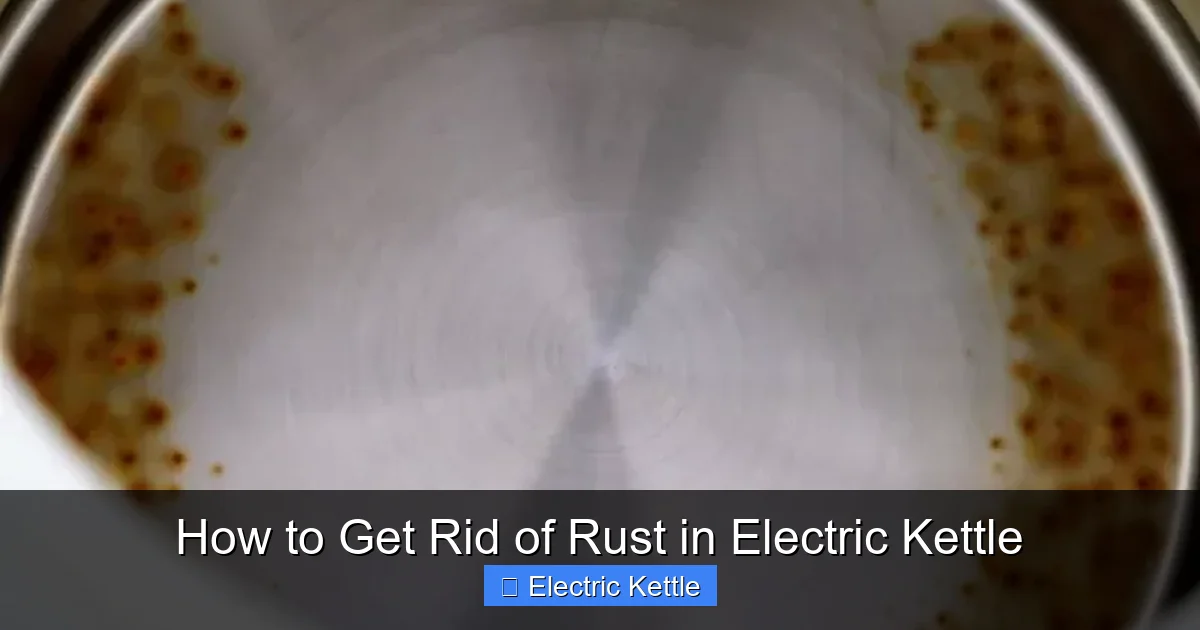
Visual guide about How to Get Rid of Rust in Electric Kettle
Image source: irrorwxhiqijjr5q.ldycdn.com
Visual Clues
Rust typically appears as reddish-brown, orange, or flaky spots, especially around the heating element, spout, or base of the kettle. It may look like dried paint or dirt, but it has a distinct metallic hue. If you see these colors clinging to the metal, especially in areas that get wet frequently, it’s likely rust.
Taste and Smell
One of the most telling signs is a metallic taste in your water, tea, or coffee. If your drinks suddenly taste “off” or like pennies, rust could be leaching into the water. You might also notice a faint metallic smell when the kettle is heating up. This happens when rust particles dissolve slightly in hot water.
Texture and Flaking
Gently run your finger along the interior surface. If you feel rough, bumpy, or flaky patches, that’s a red flag. Rust tends to create a rough texture, unlike the smooth, even buildup of limescale. If small particles flake off when you touch them, it’s a strong indicator of corrosion.
Water Discoloration
Pour out a little water after boiling and check the bottom of the cup. If you see reddish or brown sediment settling at the bottom, that’s rust. This is especially noticeable if you use a white ceramic mug.
Performance Issues
In advanced cases, rust can affect how your kettle functions. You might notice longer boiling times, uneven heating, or a burning smell. This suggests the rust has compromised the heating element or internal wiring, which requires immediate attention.
If you spot any of these signs, don’t panic—most rust issues are fixable. But the sooner you act, the better. Early intervention prevents the problem from worsening and keeps your kettle safe and efficient.
Safe and Effective Methods to Remove Rust
Now that you’ve confirmed rust is the culprit, it’s time to tackle it. The key is to use gentle, non-toxic methods that won’t damage your kettle or leave harmful residues. Here are four proven techniques using common household ingredients.
Method 1: White Vinegar Soak
White vinegar is a powerhouse cleaner thanks to its acetic acid content, which breaks down rust and mineral deposits. It’s safe for most kettle interiors and won’t harm the heating element when used correctly.
What you’ll need: White vinegar, water, soft brush or sponge, clean cloth.
Steps:
- Mix equal parts white vinegar and water. For a standard 1-liter kettle, use 500ml vinegar and 500ml water.
- Pour the solution into the kettle, making sure it covers all rusty areas.
- Let it sit for 1–2 hours. For heavy rust, you can leave it overnight.
- After soaking, scrub gently with a soft brush or non-abrasive sponge. Focus on rust spots, but avoid harsh scrubbing near the heating element.
- Pour out the vinegar solution and rinse the kettle thoroughly with clean water—at least 3–4 times—to remove all vinegar smell and taste.
- Fill the kettle with fresh water, boil it, and pour it out. Repeat this step once to ensure no vinegar residue remains.
Tip: If the rust is stubborn, add a tablespoon of salt to the vinegar solution. The salt acts as a mild abrasive to help lift the rust without scratching.
Method 2: Baking Soda Paste
Baking soda is mildly abrasive and alkaline, making it great for scrubbing away rust without damaging metal surfaces. It’s especially useful for spot treatment.
What you’ll need: Baking soda, water, soft cloth or toothbrush.
Steps:
- Mix 2–3 tablespoons of baking soda with a small amount of water to form a thick paste.
- Apply the paste directly to the rusty areas using a soft cloth or an old toothbrush.
- Gently scrub in circular motions. Let the paste sit for 10–15 minutes to penetrate the rust.
- Rinse thoroughly with water, then wipe the interior with a damp cloth.
- For best results, follow up with a vinegar rinse (as in Method 1) to neutralize any remaining baking soda and dissolve loosened rust.
Tip: Avoid using steel wool or metal scrubbers—they can scratch the interior and create more areas for rust to form.
Method 3: Lemon Juice and Salt
Lemon juice contains citric acid, which naturally dissolves rust. Combined with salt, it becomes a gentle yet effective scrubbing agent.
What you’ll need: Fresh lemon juice (or bottled), salt, soft brush or sponge.
Steps:
- Squeeze the juice of one lemon into the kettle—about ¼ to ½ cup.
- Add 1–2 tablespoons of salt.
- Use a soft brush or sponge to scrub the rusty areas. The salt provides gentle abrasion while the lemon juice breaks down the rust.
- Let the mixture sit for 30 minutes to an hour.
- Rinse thoroughly, then boil fresh water once and discard it to remove any lingering lemon taste.
Tip: This method leaves a fresh scent and is ideal for kettles used for tea or herbal infusions where flavor matters.
Method 4: Commercial Rust Removers (Use with Caution)
If natural methods don’t work, you can try a commercial rust remover. However, these products often contain strong acids or chemicals that can be harmful if not used properly.
What to look for: Choose a food-safe, non-toxic rust remover labeled for use in kitchen appliances. Avoid products with hydrochloric acid or bleach.
Steps:
- Read the label carefully and follow the manufacturer’s instructions.
- Typically, you’ll dilute the product, soak the kettle, scrub, and rinse multiple times.
- Always wear gloves and work in a well-ventilated area.
- Rinse the kettle at least 5–6 times and boil water twice before using it for drinking.
Warning: Never mix commercial cleaners with vinegar, bleach, or other chemicals—this can create dangerous fumes.
Step-by-Step Rust Removal Process
To ensure you get the best results, follow this detailed, step-by-step process. It combines the most effective natural methods for a thorough clean.
Step 1: Unplug and Cool Down
Before you start, make sure the kettle is completely unplugged and cooled down. Never attempt to clean a hot or recently used kettle—this can cause burns or damage the appliance.
Step 2: Empty and Inspect
Pour out any remaining water and inspect the interior. Identify all rusty spots, especially around the heating element, spout, and base. Take note of how extensive the rust is—this will help you choose the right method.
Step 3: Choose Your Cleaning Solution
For light rust, lemon juice or vinegar alone may suffice. For moderate to heavy rust, use a vinegar soak followed by a baking soda scrub. Reserve commercial products for severe cases.
Step 4: Apply the Solution
Pour your chosen solution into the kettle, ensuring full coverage of rusty areas. Let it sit for the recommended time—usually 1–2 hours for vinegar, 30 minutes for lemon juice.
Step 5: Scrub Gently
Use a soft-bristled brush, sponge, or cloth to scrub the rust. Focus on one area at a time, using circular motions. Avoid pressing too hard, especially near the heating coil.
Step 6: Rinse Thoroughly
Empty the cleaning solution and rinse the kettle with clean water. Repeat this 3–4 times to ensure no residue remains. Any leftover cleaner can affect the taste of your water.
Step 7: Boil and Discard
Fill the kettle with fresh water, boil it, and pour it out. This step removes any lingering odors or tastes and ensures the interior is clean and safe.
Step 8: Dry Completely
Wipe the interior and exterior with a dry cloth. Leave the kettle open to air-dry for at least an hour before storing. Moisture is rust’s best friend, so drying is crucial.
Pro Tip: After cleaning, run a cycle with just water once a week to keep the interior fresh and prevent new buildup.
How to Prevent Rust from Coming Back
Once your kettle is rust-free, the last thing you want is for the problem to return. Prevention is easier than removal, and it only takes a few simple habits.
Dry After Every Use
After boiling water, pour it out and wipe the interior with a clean, dry cloth. Leave the lid open for 10–15 minutes to let any remaining moisture evaporate. This simple step drastically reduces the chance of rust forming.
Use Filtered Water
Hard water contains minerals like iron and magnesium that can accelerate rust and limescale buildup. Using filtered or distilled water minimizes these deposits and keeps your kettle cleaner longer.
Clean Regularly
Even if you don’t see rust, clean your kettle monthly with vinegar or lemon juice. This prevents minor corrosion from turning into a bigger problem.
Avoid Leaving Water Sitting
Don’t let water sit in the kettle for long periods, especially overnight. Stagnant water increases moisture exposure and encourages rust.
Store Properly
When not in use, store your kettle in a dry, well-ventilated area with the lid off. Avoid stacking items on top of it, which can trap moisture.
Inspect Monthly
Take a quick look inside your kettle once a month. Catching rust early makes it much easier to remove.
By following these habits, you’ll extend the life of your kettle and enjoy better-tasting beverages every time.
When to Replace Your Electric Kettle
Despite your best efforts, there comes a point when cleaning isn’t enough. If rust has deeply penetrated the metal, compromised the heating element, or caused electrical issues, it’s time to replace the kettle.
Signs It’s Time to Replace
- Rust keeps returning after multiple cleanings.
- The heating element is visibly corroded or flaking.
- The kettle takes much longer to boil water than it used to.
- You notice sparks, strange smells, or electrical malfunctions.
- The interior is pitted or has holes—this can lead to leaks.
Safety should always come first. A damaged kettle can pose fire or shock hazards. If you’re unsure, consult the manufacturer or a qualified technician.
When shopping for a new kettle, look for models with high-quality stainless steel interiors, concealed heating elements, and good reviews for durability. Investing in a well-made kettle can save you from future rust problems.
Conclusion
Rust in an electric kettle is frustrating, but it doesn’t have to be the end of your appliance. With the right tools and techniques, you can safely and effectively get rid of rust using natural, household ingredients. Vinegar, baking soda, and lemon juice are your best friends—gentle on your kettle and tough on corrosion.
Remember, prevention is just as important as treatment. By drying your kettle after each use, using filtered water, and cleaning it regularly, you can keep rust at bay for years. And if the problem persists or worsens, don’t hesitate to replace the kettle—your safety and health are worth it.
Now that you know how to tackle rust, you can enjoy your morning tea or coffee with confidence, knowing your kettle is clean, safe, and ready to perform. A little maintenance goes a long way in keeping your kitchen appliances in top shape.
Frequently Asked Questions
Can I still use my electric kettle if it has rust?
It’s not recommended. Rust can affect the taste of your water and may indicate deeper damage. Small surface rust can often be cleaned, but if it’s widespread or affecting the heating element, replace the kettle for safety.
Is it safe to drink water from a rusty kettle?
Occasional exposure to small amounts of rust is unlikely to cause harm, but it’s best avoided. Rust can alter the taste and may introduce unwanted particles. Clean the kettle promptly to ensure safe, great-tasting water.
Can I use bleach to clean rust in my kettle?
No, never use bleach. It’s too harsh and can react with metal, creating toxic fumes or damaging the interior. Stick to natural cleaners like vinegar or lemon juice for safe, effective results.
How often should I clean my electric kettle?
Clean your kettle monthly with vinegar or lemon juice to prevent rust and limescale. If you use it daily or have hard water, consider cleaning it every two weeks.
Will vinegar damage my electric kettle?
No, white vinegar is safe for most electric kettles when used properly. Just be sure to rinse thoroughly and boil fresh water afterward to remove any residual taste or smell.
Can rust spread to other parts of the kettle?
Yes, if left untreated, rust can spread and damage the heating element, base, or internal wiring. This can affect performance and pose safety risks, so address rust as soon as you notice it.