Rust in your electric kettle isn’t just unsightly—it can affect taste and safety. Fortunately, removing rust is easier than you think with common household ingredients like vinegar and baking soda. This guide walks you through safe, proven steps to clean and prevent rust for a sparkling, functional kettle.
Key Takeaways
- Act quickly: The sooner you address rust, the easier it is to remove and the less damage it causes.
- Use natural cleaners: White vinegar, lemon juice, and baking soda are effective, non-toxic options for rust removal.
- Never use steel wool or harsh abrasives: These can scratch the interior and damage the heating element or coating.
- Rinse thoroughly after cleaning: Leftover cleaning solution can affect water taste and safety.
- Prevent future rust: Dry your kettle completely after each use and avoid leaving water sitting inside.
- Check your water source: Hard water or high mineral content can accelerate rust formation—consider using filtered water.
- Regular maintenance matters: A quick weekly clean can prevent rust buildup and extend your kettle’s lifespan.
📑 Table of Contents
Why Rust Forms in Electric Kettles
Rust in an electric kettle might seem surprising at first—after all, kettles are made to hold water, right? But when you dig a little deeper, it makes sense. Most electric kettles have stainless steel interiors, which are generally rust-resistant. However, no metal is completely immune to corrosion, especially when exposed to moisture over time. Rust forms when iron in the metal reacts with oxygen and water, creating iron oxide—the reddish-brown substance we all recognize as rust.
Several factors can speed up this process. One of the biggest culprits is leaving water sitting in the kettle for long periods. Whether it’s overnight or over a weekend, stagnant water creates the perfect environment for rust to develop. Hard water, which contains high levels of minerals like calcium and magnesium, can also contribute. These minerals can leave behind deposits that trap moisture and create micro-environments where rust thrives. Even small scratches in the interior coating can expose bare metal, making it vulnerable to oxidation.
Another often-overlooked cause is improper drying. If you rinse your kettle and leave it upside down without fully drying the inside, residual moisture can linger. Over time, this constant dampness weakens the metal’s protective layer. And while stainless steel is durable, lower-quality kettles may use cheaper alloys that are more prone to rust.
Understanding why rust forms is the first step in preventing it. It’s not just about aesthetics—rust can affect the taste of your water, potentially leaching metallic flavors into your tea or coffee. In severe cases, flaking rust particles could end up in your drink, which isn’t safe to consume. That’s why it’s important to address rust as soon as you notice it, before it becomes a bigger problem.
Is Rust in Your Kettle Safe?
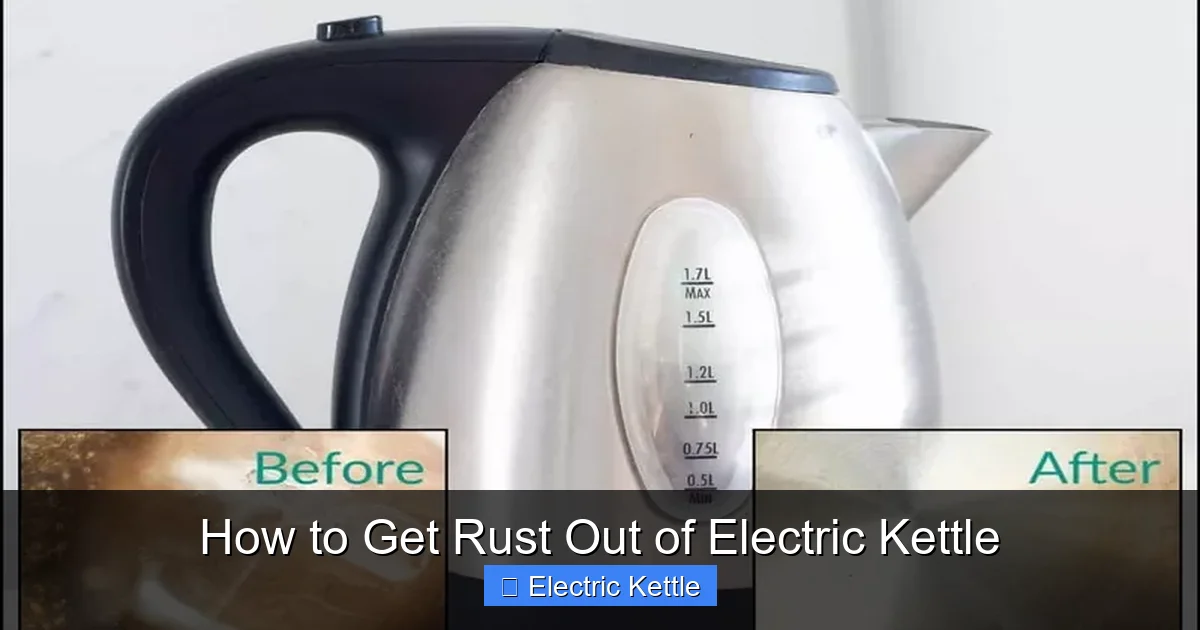
Visual guide about How to Get Rust Out of Electric Kettle
Image source: irrorwxhiqijjr5q.ldycdn.com
This is a question many people ask: “Is it safe to use a kettle with rust?” The short answer is—it depends. Small amounts of surface rust are generally not an immediate health hazard, but they’re definitely not ideal. Rust itself is iron oxide, which isn’t toxic in small quantities. However, if rust is flaking off or you’re seeing orange-brown water when you boil, that’s a red flag.
Consuming large rust particles can cause gastrointestinal discomfort, and over time, excessive iron intake—even from rust—can lead to health issues, especially for people with conditions like hemochromatosis, where the body absorbs too much iron. More importantly, rust can harbor bacteria. The porous nature of rust creates tiny crevices where microbes can grow, especially if the kettle isn’t cleaned regularly.
Beyond health concerns, rust can damage your kettle. As it spreads, it can weaken the metal, leading to leaks or even failure of the heating element. In electric kettles, the heating coil is often located at the base, and if rust compromises the seal or insulation, it could pose an electrical hazard.
So while a little surface rust might not send you to the hospital, it’s best to treat it as a warning sign. Cleaning it early not only keeps your water tasting fresh but also extends the life of your appliance. Think of it like maintaining a car—ignoring small issues can lead to bigger, costlier problems down the road.
How to Get Rust Out of Electric Kettle: Step-by-Step Methods
Now that we’ve covered why rust forms and why it’s important to remove it, let’s get into the practical part: how to actually get rust out of your electric kettle. The good news is that you don’t need expensive chemicals or special tools. Most effective rust removal methods use ingredients you already have in your kitchen.
Method 1: White Vinegar Soak
White vinegar is one of the most popular and effective natural cleaners for rust. Its acetic acid content breaks down iron oxide, making it easy to wipe away. This method is gentle on your kettle and safe for regular use.
Start by filling your kettle about halfway with equal parts white vinegar and water. For example, if your kettle holds 1.5 liters, use 375 ml of vinegar and 375 ml of water. Turn on the kettle and bring the solution to a boil. Once it reaches a rolling boil, turn it off and let it sit for at least 30 minutes—or up to an hour for heavy rust.
After soaking, pour out the vinegar solution. You’ll likely see the water has turned a rusty brown color, which is a good sign—it means the rust is dissolving. Use a soft sponge or cloth to gently scrub the interior. Avoid abrasive scrubbers like steel wool, as they can scratch the surface and create more areas for rust to form.
Once you’ve scrubbed, rinse the kettle thoroughly with clean water. Fill it up, boil fresh water, and pour it out to remove any lingering vinegar taste. Repeat this rinse cycle 2–3 times to be safe.
Method 2: Baking Soda Paste for Stubborn Rust
If vinegar alone doesn’t do the trick, especially for stubborn or flaky rust, baking soda can help. Baking soda is mildly abrasive, which makes it great for scrubbing without damaging the metal.
To make a paste, mix 2–3 tablespoons of baking soda with a small amount of water until you get a thick, spreadable consistency. Use a soft cloth or sponge to apply the paste directly to the rusted areas. Let it sit for 10–15 minutes to allow the baking soda to work on the rust.
Then, gently scrub the affected spots using circular motions. The mild abrasion will help lift the rust without scratching. For hard-to-reach spots, like around the heating element, use an old toothbrush dipped in the paste.
After scrubbing, rinse the kettle thoroughly. Again, boil fresh water and discard it to ensure no baking soda residue remains. You should notice a significant improvement in the kettle’s appearance and cleanliness.
Method 3: Lemon Juice and Salt Scrub
Lemon juice is another natural acid that works well on rust. Combined with salt, which acts as a gentle abrasive, it creates a powerful cleaning duo.
Cut a lemon in half and sprinkle coarse salt (like kosher salt) directly onto the cut side. Use the lemon like a sponge to scrub the rusted areas. The citric acid in the lemon dissolves the rust, while the salt provides the scrubbing power.
For larger areas or heavier rust, you can also mix lemon juice with a tablespoon of salt to make a paste. Apply it to the rust, let it sit for 10–15 minutes, then scrub with a soft cloth or sponge.
This method not only removes rust but also leaves your kettle smelling fresh. Just be sure to rinse thoroughly afterward and run a few boil cycles with clean water to remove any citrus residue.
Method 4: Commercial Rust Removers (Use with Caution)
If natural methods aren’t cutting it, you might consider a commercial rust remover. Products like CLR (Calcium, Lime, Rust Remover) or naval jelly are formulated specifically for rust and can be very effective.
However, these products often contain stronger chemicals, so they require extra caution. Always read the label carefully and ensure the product is safe for use on food-contact surfaces. Never use industrial-strength rust removers unless they’re explicitly labeled as food-safe.
When using a commercial cleaner, follow the instructions precisely. Typically, you’ll dilute the solution, soak the kettle, scrub, and rinse multiple times. After cleaning, boil fresh water 2–3 times and discard it to ensure no chemical residue remains.
While these products can be effective, they’re best reserved for severe rust cases. For regular maintenance, stick to natural methods to avoid exposing yourself to harsh chemicals.
Preventing Rust in Your Electric Kettle
Cleaning rust is one thing, but preventing it from coming back is even better. A little proactive care can save you time, money, and the hassle of dealing with rust in the future. Here are some simple habits to adopt.
Empty and Dry After Every Use
One of the easiest and most effective ways to prevent rust is to empty your kettle completely after each use. Don’t leave water sitting inside, even for a few hours. After pouring out the water, wipe the interior with a clean, dry cloth or paper towel. Then, leave the kettle open to air-dry fully before storing it.
If you’re in a hurry, you can speed up the process by placing the kettle upside down on a dish rack or towel. This allows any remaining moisture to evaporate quickly.
Use Filtered or Softened Water
Hard water is a major contributor to rust and mineral buildup. If your tap water is high in minerals, consider using filtered water in your kettle. A simple pitcher filter or under-sink system can make a big difference. Alternatively, you can buy distilled water, which has no minerals and won’t contribute to rust or scale.
Softened water is another option, but be cautious—some water softeners add sodium, which can affect taste. Test it first to make sure it doesn’t leave a salty flavor in your tea or coffee.
Regular Cleaning Routine
Even if you don’t see rust, it’s a good idea to clean your kettle weekly. A quick vinegar soak once a week can prevent mineral buildup and keep rust at bay. Simply fill the kettle with equal parts vinegar and water, boil, let it sit for 15–20 minutes, then rinse thoroughly.
This routine not only prevents rust but also improves the taste of your water and helps your kettle run more efficiently.
Avoid Scratching the Interior
Be mindful of what you use to clean your kettle. Avoid metal scrubbers, steel wool, or abrasive sponges. These can scratch the stainless steel surface, creating tiny grooves where moisture and rust can accumulate. Stick to soft cloths, non-abrasive sponges, or silicone brushes.
Also, don’t use your kettle to heat anything other than water. Adding tea bags, coffee grounds, or other substances directly into the kettle can leave residues that promote rust and are hard to clean.
When to Replace Your Electric Kettle
Despite your best efforts, there may come a time when cleaning isn’t enough. If your kettle has extensive rust, especially around the heating element or base, it might be time to replace it. Severe rust can compromise the structural integrity of the kettle and pose safety risks.
Other signs it’s time for a new kettle include:
– Persistent metallic taste in water, even after cleaning
– Leaks or cracks in the body or base
– The heating element is exposed or damaged
– The kettle takes much longer to boil than it used to
– Frequent electrical issues or tripping circuits
Most high-quality electric kettles last 3–5 years with proper care. If yours is older and showing multiple signs of wear, investing in a new one is the safest and most practical choice.
When shopping for a replacement, look for kettles made from high-grade stainless steel (like 304 or 316) with a smooth, seamless interior. Models with a concealed heating element are also less prone to rust and easier to clean.
Final Thoughts on Rust Removal and Kettle Care
Dealing with rust in your electric kettle might seem like a hassle, but it’s a manageable problem with the right approach. By understanding what causes rust and how to remove it safely, you can keep your kettle in great condition for years. The key is consistency—regular cleaning, proper drying, and using the right water can make all the difference.
Remember, prevention is always easier than cure. A few simple habits, like emptying and drying your kettle after each use, can prevent rust from forming in the first place. And when rust does appear, natural cleaners like vinegar, baking soda, and lemon are effective, affordable, and safe.
Your electric kettle is more than just an appliance—it’s part of your daily routine. Whether you’re brewing morning coffee, steeping afternoon tea, or making instant soup, you want your water to taste clean and fresh. Taking care of your kettle ensures that every cup is as good as the first.
So the next time you spot a little rust, don’t panic. Grab some vinegar, give it a good soak, and enjoy the satisfaction of a clean, rust-free kettle. Your taste buds—and your kettle—will thank you.
Frequently Asked Questions
Can I use my electric kettle if it has a little rust?
Small amounts of surface rust are usually not immediately dangerous, but they can affect water taste and potentially harbor bacteria. It’s best to clean it as soon as possible to avoid health risks and further damage.
Is it safe to drink water from a rusty kettle after cleaning?
Yes, as long as you’ve thoroughly cleaned and rinsed the kettle. After using vinegar or other cleaners, boil fresh water 2–3 times and discard it to ensure no residue remains.
Can I use bleach to remove rust from my kettle?
No, bleach is not recommended for rust removal in kettles. It’s too harsh, can leave toxic residues, and may react with metal. Stick to natural cleaners like vinegar or baking soda.
How often should I clean my electric kettle to prevent rust?
For most users, a weekly vinegar soak is sufficient to prevent rust and mineral buildup. If you use hard water, consider cleaning it twice a week.
Will boiling water remove rust from my kettle?
Boiling water alone won’t remove rust. You need an acidic cleaner like vinegar or lemon juice to break down the iron oxide. Boiling helps activate the cleaner but isn’t enough on its own.
Can rust damage the heating element in my kettle?
Yes, if rust spreads to the heating element or base, it can cause corrosion, reduce efficiency, or even lead to electrical issues. Severe rust may require replacing the kettle for safety.