Heating milk in an electric kettle is possible but requires caution to avoid scorching, overflowing, or damaging your appliance. With the right technique—like using low heat, stirring frequently, and choosing the right kettle—you can warm milk quickly and safely for coffee, tea, or recipes.
Key Takeaways
- Not all electric kettles are suitable for milk: Most are designed for water only, so check your model’s manual before attempting to heat milk.
- Use low to medium heat settings: High heat causes milk to scorch, burn, or overflow, ruining both taste and your kettle.
- Stir constantly during heating: This prevents skin formation and ensures even warmth without hot spots.
- Fill only up to the minimum line: Milk expands when heated and can foam over, causing messes or safety hazards.
- Clean your kettle immediately after use: Dried milk residue is hard to remove and can affect future boiling performance.
- Consider alternative methods for safety: A microwave or stovetop may be safer and more effective for larger quantities.
- Use a milk-specific kettle if available: Some modern kettles have dedicated milk modes with temperature control and anti-spill features.
📑 Table of Contents
- Can You Really Heat Milk in an Electric Kettle?
- Understanding Why Milk Behaves Differently Than Water
- Is Your Electric Kettle Safe for Milk?
- Step-by-Step Guide: How to Heat Milk in an Electric Kettle Safely
- Common Mistakes to Avoid When Heating Milk in a Kettle
- Alternative Methods to Heat Milk (And When to Use Them)
- Cleaning and Maintaining Your Kettle After Heating Milk
- When to Invest in a Milk-Specific Electric Kettle
- Final Thoughts: Is It Worth It?
Can You Really Heat Milk in an Electric Kettle?
You’ve probably used your electric kettle a hundred times to boil water for tea, instant coffee, or oatmeal. It’s fast, convenient, and energy-efficient. But what if you’re craving a warm latte or need steamed milk for hot chocolate? Can you just pour milk into your kettle and hit the button? The short answer is: yes, you *can*—but it’s not always recommended.
Most standard electric kettles are built to heat water, not dairy. Milk behaves very differently from water when heated. It contains proteins and fats that can burn, stick to surfaces, and create a sticky mess inside your appliance. Plus, milk tends to foam and expand, which increases the risk of overflow—especially in kettles with automatic shut-off sensors that might not detect milk properly. That said, with the right precautions and the right type of kettle, heating milk can be done safely and effectively.
So why would anyone want to heat milk in an electric kettle in the first place? Speed and convenience are big factors. If you’re making a quick morning drink and don’t want to dirty a pot or wait for a microwave, using your kettle seems like a smart shortcut. And if you’re traveling or living in a small space without a stove, an electric kettle might be your only heating option. But before you pour that carton of whole milk into your go-to appliance, it’s important to understand the risks, the best practices, and whether your kettle is even designed for this task.
Understanding Why Milk Behaves Differently Than Water
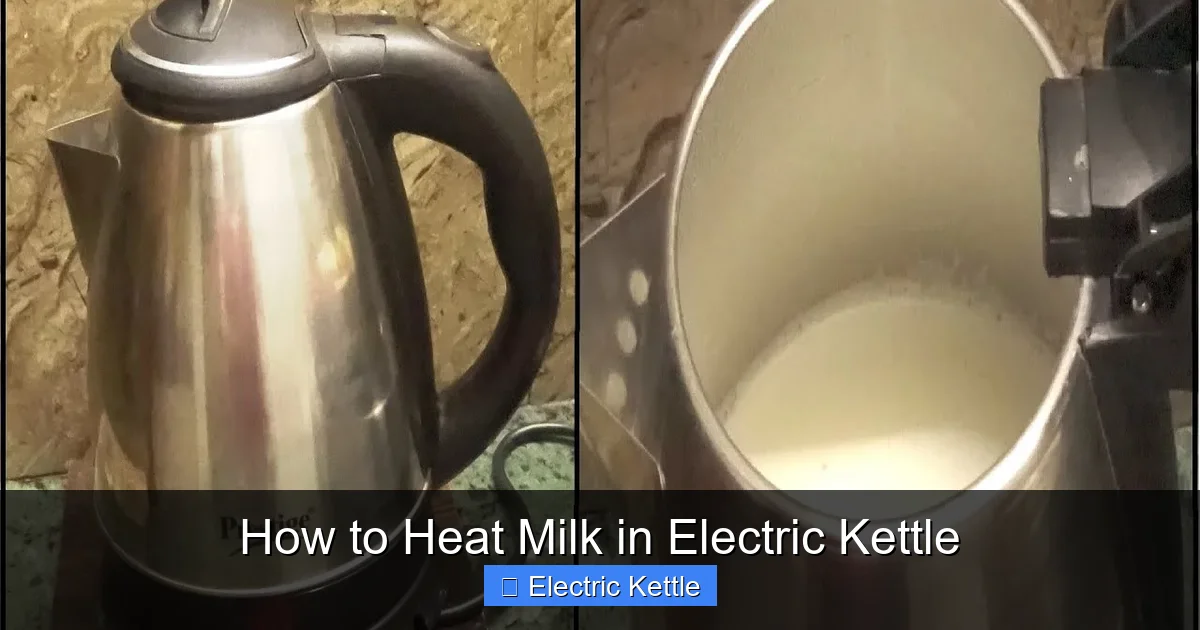
Visual guide about How to Heat Milk in Electric Kettle
Image source: i.ytimg.com
To heat milk safely in an electric kettle, you first need to understand what makes milk so tricky to work with. Unlike water, which boils cleanly at 100°C (212°F), milk is a complex liquid made up of water, fats, proteins (like casein and whey), lactose, and minerals. When heated, these components react in ways that can cause problems.
One of the biggest issues is scorching. The proteins in milk can denature and stick to hot surfaces—especially the heating element at the bottom of your kettle. This creates a burnt layer that not only affects the taste of your milk but can also damage your kettle over time. Scorched milk leaves behind a unpleasant flavor and can clog sensors or reduce heating efficiency.
Another common problem is foaming and overflow. As milk heats up, steam bubbles form and get trapped by the fat and protein structure, creating foam. This foam can rise rapidly and spill over the spout, especially if the kettle is filled too high. Unlike water, which simply evaporates when it boils, milk foam can coat the interior of your kettle and even trigger false readings in the automatic shut-off mechanism, causing the kettle to turn off prematurely or not at all.
Temperature sensitivity is another factor. Milk should ideally be heated to around 60–70°C (140–160°F) for drinking—hot enough to be comforting but not so hot that it scalds or develops a “cooked” taste. Most electric kettles, however, are designed to bring liquids to a full boil (100°C), which is far too hot for milk. Overheating can cause the milk to curdle, especially if it’s near its expiration date or has been stored improperly.
Finally, there’s the issue of cleaning. Milk leaves behind residue that hardens when cooled, making it difficult to remove. If not cleaned promptly, this buildup can affect the taste of future brews and even harbor bacteria. Water, on the other hand, evaporates cleanly and leaves minimal residue.
Is Your Electric Kettle Safe for Milk?
Before you even think about pouring milk into your electric kettle, you need to ask: Is it safe? The answer depends largely on the type of kettle you own.
Most traditional electric kettles—especially those made of stainless steel or plastic with exposed heating elements—are **not recommended** for heating milk. These models are optimized for water and lack the features needed to handle dairy safely. The heating element can get extremely hot, increasing the risk of scorching, and many don’t have temperature controls or milk-specific settings.
However, some newer, high-end electric kettles are designed with milk in mind. These often include features like:
– **Temperature control settings** (e.g., 60°C, 70°C, 80°C) that allow you to heat milk without boiling it.
– **Anti-spill or overflow protection** that detects foam and reduces heat or shuts off automatically.
– **Non-stick or coated interiors** that make cleaning easier and reduce sticking.
– **Dedicated “milk mode”** that uses lower heat and longer heating times to prevent burning.
If your kettle has any of these features, it’s more likely to be safe for milk. But even then, you should always consult the user manual. Many manufacturers explicitly state whether their kettle can be used with milk. If the manual says “water only,” it’s best to follow that advice—using milk could void your warranty or damage the appliance.
Another consideration is the material of the kettle. Glass kettles are generally easier to clean and allow you to monitor the milk as it heats, reducing the risk of overflow. Stainless steel kettles are durable but can hide residue, making cleaning more challenging. Plastic kettles should be avoided for milk altogether, as high heat can cause chemicals to leach into the liquid, especially if the plastic is low quality.
If you’re unsure, a simple test is to look for branding or model numbers online and search for “can I heat milk in [your kettle model].” Many users share their experiences in reviews or forums, which can give you real-world insight.
Step-by-Step Guide: How to Heat Milk in an Electric Kettle Safely
If you’ve determined that your kettle is suitable for milk, here’s a safe, step-by-step method to heat it without ruining your appliance or your drink.
Step 1: Choose the Right Milk
Not all milk heats the same. Whole milk, with its higher fat content, tends to foam more but also resists scorching better than skim milk. Skim milk, being mostly water and protein, can burn more easily. If you’re new to heating milk in a kettle, start with whole or 2% milk for better results. Avoid ultra-pasteurized or UHT milk if possible, as these can sometimes curdle more readily when heated.
Step 2: Fill to the Minimum Line
Never fill your kettle beyond the minimum fill line—even if it seems like you’re not using much. Milk expands and foams when heated, and overfilling is the number one cause of overflow. A good rule of thumb is to fill no more than halfway, even if your kettle’s minimum line is lower. For example, if your kettle’s minimum is 300ml, use only 200–250ml of milk to be safe.
Step 3: Use Low or Medium Heat (If Available)
If your kettle has temperature settings, select the lowest option—ideally between 60°C and 70°C (140°F–160°F). This is the ideal range for warming milk without scalding it. If your kettle only has a “boil” setting, consider using it for a very short time (10–15 seconds) and then monitoring closely. Better yet, use a kettle with a keep-warm function or one that allows you to stop heating manually.
Step 4: Stir Frequently (If Possible)
This is tricky in a sealed electric kettle, but if your model has a wide opening or a removable lid, use a long-handled spoon to stir the milk every 10–15 seconds once it starts warming. Stirring prevents skin formation on the surface and ensures even heating. If you can’t stir, try tilting the kettle gently (carefully!) to redistribute the heat.
Step 5: Monitor Closely
Never walk away. Milk can go from warm to boiling over in seconds. Watch for the first signs of bubbling or foaming. As soon as you see a thin layer of foam forming or small bubbles around the edges, it’s time to stop heating. Most milk is ready at this point—overheating will only degrade the flavor and texture.
Step 6: Pour Immediately and Clean Right Away
Once heated, pour the milk into your cup or recipe immediately. Do not let it sit in the kettle, as residual heat will continue to cook it. Then, rinse the kettle with warm water as soon as possible. Use a soft sponge or brush to remove any milk residue. For stubborn spots, soak the kettle in warm, soapy water for 10–15 minutes before scrubbing.
Optional: Use a Thermometer for Precision
If you’re making specialty drinks like lattes or baby formula, consider using a food-safe thermometer. Insert it through the spout or lid opening to check the temperature. Aim for 60–70°C (140–160°F). This is especially helpful if your kettle doesn’t have temperature controls.
Common Mistakes to Avoid When Heating Milk in a Kettle
Even with the best intentions, it’s easy to make mistakes when heating milk in an electric kettle. Here are the most common pitfalls and how to avoid them.
Using High Heat or Boil Mode
This is the biggest mistake. Most kettles heat water to a rolling boil in under 3 minutes. Milk doesn’t need that much heat—and can’t handle it. Boiling milk not only creates a burnt taste but can also cause it to curdle or explode out of the spout. Always use the lowest heat setting available, or heat in short bursts.
Filling the Kettle Too High
Milk expands and foams, so even a small amount can overflow if the kettle is overfilled. Stick to 200–300ml maximum, even if your kettle can hold a liter. Remember: it’s better to heat in small batches than risk a mess.
Not Stirring or Monitoring
Milk heats unevenly. Without stirring, the bottom layer can scorch while the top remains cold. If your kettle doesn’t allow stirring, consider using a different method. And never leave the kettle unattended—milk can foam over in seconds.
Ignoring Cleaning
Dried milk is sticky and hard to remove. If you don’t clean your kettle right away, residue can build up, affect taste, and even grow bacteria. Make cleaning part of your routine—rinse immediately after use.
Using the Wrong Kettle
If your kettle isn’t designed for milk, don’t force it. Using milk in a water-only kettle can damage the heating element, clog sensors, or void your warranty. Invest in a milk-friendly model if you plan to do this regularly.
Reheating Milk Multiple Times
Once milk has been heated, avoid reheating it again in the kettle. Repeated heating breaks down proteins and fats, leading to off-flavors and potential spoilage. Heat only what you need, and store leftovers in the fridge.
Alternative Methods to Heat Milk (And When to Use Them)
While heating milk in an electric kettle can work in a pinch, it’s not always the best or safest option. Here are some alternatives that might serve you better, depending on your needs.
Stovetop (Saucepan Method)
This is the most traditional and reliable way to heat milk. Use a small saucepan over low to medium heat, stir constantly with a wooden spoon, and watch for steam and small bubbles. This method gives you full control and is ideal for larger quantities or recipes like custards and sauces.
Microwave
Quick and convenient, the microwave is great for single servings. Pour milk into a microwave-safe cup, heat in 20–30 second intervals, and stir between each. This prevents hot spots and reduces the risk of boiling over. Just be careful—milk can superheat in the microwave and erupt when disturbed.
Milk Frother or Steam Wand
If you have an espresso machine or a standalone milk frother, these are perfect for heating and aerating milk for lattes and cappuccinos. They heat milk gently and create the ideal microfoam texture.
Electric Milk Heater or Baby Bottle Warmer
These devices are specifically designed to heat milk safely and evenly. They often include temperature controls and are ideal for parents warming formula or breast milk.
Thermos or Insulated Flask
For on-the-go warmth, heat milk using one of the above methods, then pour it into a pre-warmed thermos. It will stay hot for hours without further heating.
While the electric kettle method is fast, these alternatives often provide better control, safety, and results—especially for frequent use or larger volumes.
Cleaning and Maintaining Your Kettle After Heating Milk
Cleaning is arguably the most important step after heating milk in your electric kettle. Neglecting this can lead to buildup, odors, and even malfunctions.
Immediate Rinse
As soon as you’ve poured out the milk, rinse the kettle with warm water. Swirl it around to loosen any residue, then pour it out. Do this while the kettle is still warm—it’s much easier than waiting for it to cool.
Soak and Scrub
For tougher residue, fill the kettle with warm water and a few drops of dish soap. Let it soak for 10–15 minutes. Use a soft brush or sponge to gently scrub the interior, paying special attention to the heating element and spout. Avoid abrasive scrubbers that can scratch the surface.
Use Vinegar for Stubborn Buildup
If you notice a white film or stubborn stains (common with milk), mix equal parts water and white vinegar. Fill the kettle halfway, boil it (if safe for your model), then let it sit for 20–30 minutes. Rinse thoroughly. Vinegar helps dissolve mineral deposits and milk residue.
Dry Completely
After cleaning, dry the kettle with a clean cloth and leave the lid open to air-dry completely. Moisture can lead to mold or rust, especially in hard-to-reach areas.
Regular Maintenance
Even if you only heat milk occasionally, clean your kettle weekly to prevent buildup. Run a vinegar rinse once a month to keep it in top condition.
When to Invest in a Milk-Specific Electric Kettle
If you find yourself heating milk frequently—whether for coffee, tea, or cooking—it might be worth investing in a kettle designed for dairy. These models offer several advantages:
– **Precise temperature control** for different types of milk (e.g., 65°C for lattes, 70°C for hot chocolate).
– **Anti-overflow technology** that detects foam and adjusts heat accordingly.
– **Easy-clean interiors** with non-stick coatings or removable filters.
– **Dual functionality** that allows you to switch between water and milk modes.
Popular brands like Breville, Smeg, and Russell Hobbs offer models with milk-specific settings. While they cost more than standard kettles, they provide peace of mind and better results.
Final Thoughts: Is It Worth It?
Heating milk in an electric kettle can be a convenient shortcut—but it’s not without risks. If done carefully, with the right kettle and technique, it’s perfectly safe for occasional use. However, for daily use or larger quantities, alternative methods like the stovetop or microwave are often safer and more reliable.
The key is to know your appliance, respect the properties of milk, and never cut corners on cleaning. With the right approach, you can enjoy warm, delicious milk without damaging your kettle or compromising on taste.
Whether you’re making a quick cup of cocoa or warming milk for a baby bottle, remember: slow and steady wins the race. A little extra care goes a long way in ensuring great results and a long-lasting kettle.
Frequently Asked Questions
Can I heat almond milk or oat milk in an electric kettle?
Yes, but with caution. Plant-based milks can be even more prone to scorching and foaming than dairy milk. Use low heat, stir frequently if possible, and clean immediately after use. Check your kettle’s manual first.
Will heating milk in my kettle void the warranty?
It might. Many manufacturers specify that their kettles are for water only. Using milk could void the warranty if it causes damage. Always check the user manual before proceeding.
How do I know if my milk has scorched in the kettle?
Scorched milk will have a burnt or “cooked” smell and may leave a brown or yellowish film on the heating element. The taste will be off—bitter or unpleasant. If this happens, clean the kettle thoroughly.
Can I use my electric kettle to froth milk?
Not effectively. Most kettles don’t create the steam or agitation needed for frothing. Use a dedicated milk frother or steam wand for best results.
Is it safe to heat milk in a plastic electric kettle?
Not recommended. High heat can cause chemicals to leach from low-quality plastic into the milk. Use glass or stainless steel kettles instead.
What’s the safest temperature to heat milk?
The ideal range is 60–70°C (140–160°F). This is hot enough for drinking but not so hot that it scalds, curdles, or develops a burnt taste.