Knowing when your electric kettle is done ensures safety, efficiency, and better-tasting beverages. This guide covers visual cues, sounds, automatic shut-off features, and troubleshooting tips to help you master the boil every time.
Key Takeaways
- Listen for the click: Most electric kettles automatically shut off with an audible click when water reaches boiling point.
- Watch for steam and bubbles: Vigorous bubbling and steam rising from the spout are clear visual signs the water is boiling.
- Check the indicator light: Many models have a light that turns off or changes color when the cycle completes.
- Use the whistle feature: Some kettles, especially stovetop or hybrid models, emit a whistle when done—listen closely.
- Avoid over-boiling: Overheating can damage the kettle or affect water taste; always rely on automatic shut-off when possible.
- Test your kettle’s accuracy: If in doubt, use a thermometer to confirm water has reached 212°F (100°C) at sea level.
- Maintain your kettle: Regular cleaning and descaling ensure consistent performance and accurate shut-off timing.
📑 Table of Contents
- How to Know When Electric Kettle Is Done: A Complete Guide
- Understanding How Electric Kettles Work
- Visual Signs Your Electric Kettle Is Done
- Auditory Cues: What to Listen For
- Using Technology: Indicator Lights and Smart Features
- Troubleshooting: When Your Kettle Doesn’t Seem Done
- Tips for Consistent Results
- Conclusion
How to Know When Electric Kettle Is Done: A Complete Guide
You’ve just poured water into your electric kettle, pressed the button, and walked away to grab your favorite mug. A few minutes later, you return—only to wonder: Is it done yet? It’s a common question, especially if you’re new to electric kettles or using a model with subtle indicators. The good news? Knowing when your electric kettle is done doesn’t have to be a guessing game. With a few simple cues and a basic understanding of how these appliances work, you can confidently determine when your water has reached the perfect boil—every single time.
Electric kettles are designed for convenience, speed, and safety. Unlike stovetop kettles that require constant monitoring, most modern electric models come equipped with automatic shut-off mechanisms that stop heating once the water reaches boiling temperature. But not all kettles behave the same way. Some click loudly, others glow softly, and a few might leave you scratching your head. This guide will walk you through every signal—visual, auditory, and technological—that tells you your kettle has finished its job. Whether you’re brewing tea, preparing instant coffee, or cooking oatmeal, mastering these signs ensures your water is ready when you are.
Understanding How Electric Kettles Work
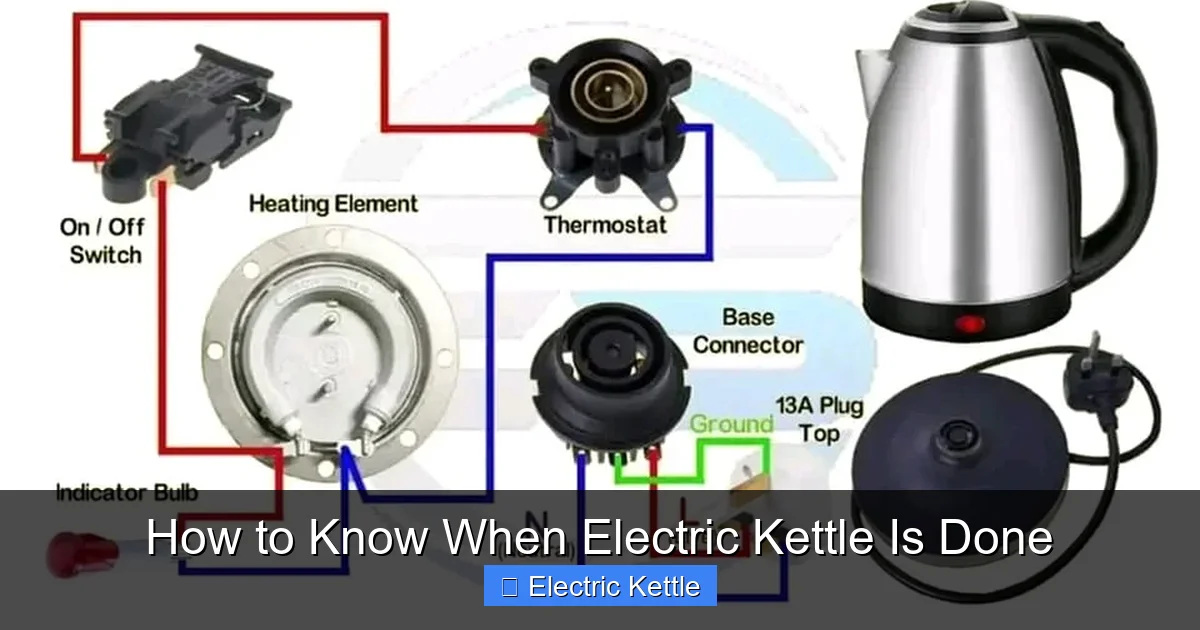
Before diving into the signs that your kettle is done, it helps to understand what’s happening inside that sleek, modern appliance. Electric kettles operate using a heating element—usually located at the base—that rapidly heats water to its boiling point. Most models use a thermostat or thermal switch to monitor temperature. Once the water reaches around 212°F (100°C) at sea level, the thermostat triggers a mechanism that cuts off the power, stopping the heating process.
Visual guide about How to Know When Electric Kettle Is Done
Image source: iti.directory
The Role of the Thermostat
The thermostat is the brain of your electric kettle. It’s a small but crucial component that senses when the water has boiled. In many kettles, this device is connected to a bimetallic strip—a metal piece that bends when heated. When the water boils, steam rises and heats this strip, causing it to bend and break the electrical circuit. This action turns off the heating element and often produces a distinct click sound. This automatic shut-off not only signals that the kettle is done but also prevents overheating and potential damage.
Automatic vs. Manual Shut-Off
Most modern electric kettles feature automatic shut-off, which is both a safety and convenience feature. Once the water boils, the kettle powers down on its own—no need to stand guard. However, some older or budget models may lack this feature, requiring you to manually turn them off. If you’re using a manual kettle, it’s essential to stay nearby and watch for boiling signs to avoid accidents or energy waste. Always check your user manual to confirm whether your model is automatic or manual.
Temperature Control in Advanced Models
High-end electric kettles often come with variable temperature settings, allowing you to heat water to specific temperatures for different beverages. For example, green tea brews best at 175°F (80°C), while French press coffee needs near-boiling water. In these models, the kettle will shut off when it reaches the selected temperature—not necessarily a full boil. So, if your kettle stops heating before you see vigorous bubbles, it might simply be following your preset. Always refer to the display or indicator lights to confirm the target temperature has been reached.
Visual Signs Your Electric Kettle Is Done
Even with advanced technology, your eyes can be one of the best tools for knowing when your electric kettle is done. Visual cues are immediate, reliable, and don’t require any special equipment. Here’s what to look for.
Steam Rising from the Spout
One of the most obvious signs that your water has boiled is steam. As water reaches its boiling point, it turns into vapor and escapes through the spout. You’ll see a steady stream of white vapor rising—especially in a quiet room or against a dark background. This steam is a clear indicator that the water is hot enough for brewing or cooking. If you notice steam but no bubbles, the water may be close to boiling but not quite there yet. Wait a few more seconds for the bubbling to begin.
Vigorous Bubbling and Movement
When water boils, it doesn’t just simmer—it rages. You’ll see large, rapid bubbles rising from the bottom of the kettle to the surface. The water will churn and move actively, often splashing near the spout. This intense bubbling is a sure sign that the water has reached 212°F (100°C). In contrast, small bubbles forming at the bottom early in the heating process (known as “pre-boiling”) don’t mean the water is ready. Wait for the full, rolling boil before assuming the kettle is done.
Water Level Drop (Slight)
As water boils, some of it turns to steam and escapes, causing a slight drop in the water level. While this isn’t a primary indicator, it can support other signs. If you notice the water line has lowered slightly and you see steam and bubbles, it’s a good confirmation that boiling has occurred. However, don’t rely solely on this cue—evaporation can be minimal and hard to detect.
Indicator Lights and Displays
Many electric kettles feature LED indicator lights that change color or turn off when the cycle completes. For example, a blue light might glow while heating and switch to green or turn off entirely when done. Some smart kettles have digital displays that show the current temperature or a “Ready” message. Always check your model’s manual to understand what the lights mean. If your kettle has a display, watch for the target temperature to appear—this is the most precise visual confirmation available.
Auditory Cues: What to Listen For
Your ears can be just as helpful as your eyes when determining if your electric kettle is done. Sound plays a key role in the boiling process, and learning to recognize these auditory signals can save you time and prevent over-boiling.
The Signature Click
The most common sound associated with a finished electric kettle is the audible click. This sound occurs when the thermal switch disengages, cutting power to the heating element. It’s usually a sharp, distinct noise—like a switch flipping—and happens the moment the water reaches boiling point. If you hear this click, your kettle is done. Some models produce a louder click than others, so familiarize yourself with your kettle’s sound. If you’re in a noisy environment, you might miss it, so combine this cue with visual checks.
Whistling Kettles (Less Common in Electric Models)
While whistling is more typical of stovetop kettles, some electric models—especially hybrid or retro-style designs—include a whistle feature. These kettles have a small chamber that traps steam, forcing it through a whistle as it escapes. The result is a high-pitched sound that alerts you when boiling begins. If your electric kettle has a whistle, listen for it—it’s a fun and effective way to know when it’s done. However, most modern electric kettles rely on automatic shut-off rather than whistles, so this feature is becoming rarer.
Changes in Boiling Sound
Even without a click or whistle, you can learn to recognize the sounds of boiling. Early in the heating process, you might hear a low hum or gentle bubbling. As the water heats up, the sound becomes louder and more intense—like a rumbling or roaring. When the water reaches a full boil, the noise peaks. Once the kettle shuts off, the sound stops abruptly. If you notice the boiling noise suddenly cease, it’s a strong indication that the cycle has completed. This method works best if you’re nearby and can listen closely.
Using Technology: Indicator Lights and Smart Features
Modern electric kettles are packed with technology designed to make your life easier. From color-changing lights to smartphone connectivity, these features provide clear, reliable signals that your kettle is done.
LED Indicator Lights
Most electric kettles come with one or more LED lights that indicate the heating status. Common patterns include:
- A light that stays on while heating and turns off when done.
- A light that changes color (e.g., red while heating, green when ready).
- A blinking light that signals completion or an error.
For example, the popular Breville Smart Kettle uses a blue LED that glows during heating and turns off when the water reaches the set temperature. Always refer to your user manual to understand your model’s specific light behavior. If the light turns off or changes color, your kettle is likely done—but double-check with visual or auditory cues if you’re unsure.
Digital Displays and Temperature Readouts
High-end kettles often feature digital displays that show the current water temperature in real time. These displays update as the water heats, allowing you to monitor progress precisely. When the target temperature is reached—whether it’s 100°C for boiling or 80°C for green tea—the display will show the number and often flash or beep to signal completion. Some models even show a “Ready” or “Boil Complete” message. This is the most accurate way to know when your kettle is done, especially for temperature-sensitive beverages.
Smart Kettles and App Connectivity
Smart electric kettles take convenience to the next level. Models like the Fellow Atwood or Smarter iKettle connect to your smartphone via Wi-Fi or Bluetooth. Using a dedicated app, you can set brewing temperatures, schedule boil times, and receive notifications when the water is ready. The app will alert you with a push notification or sound when the kettle has finished heating. This is ideal if you’re multitasking or prefer to stay in another room. Just ensure your phone and kettle are connected, and keep the app updated for the best experience.
Troubleshooting: When Your Kettle Doesn’t Seem Done
Sometimes, your electric kettle might not behave as expected. It might shut off too early, keep heating too long, or show confusing signals. Here’s how to troubleshoot common issues and ensure you’re getting accurate results.
Kettle Shuts Off Too Soon
If your kettle turns off before the water boils, it could be due to mineral buildup (scale) on the heating element. Over time, hard water leaves deposits that insulate the element, causing the thermostat to misread the temperature. To fix this, descale your kettle regularly using a mixture of white vinegar and water. Boil the solution, let it sit for 30 minutes, then rinse thoroughly. This restores accurate temperature sensing and ensures your kettle boils properly.
No Click or Light Change
If your kettle doesn’t click or the light doesn’t change, the thermal switch or indicator may be faulty. Check the power connection first—ensure the kettle is properly seated on the base. If the issue persists, consult the manufacturer or consider replacing the kettle. Never ignore a malfunctioning shut-off mechanism, as it can lead to overheating or fire hazards.
Water Isn’t Hot Enough
If the water feels lukewarm after the kettle shuts off, it may not have reached a full boil. This can happen at high altitudes, where water boils at lower temperatures (e.g., 203°F at 5,000 feet). Use a thermometer to check the actual temperature. If it’s significantly below 212°F, your kettle’s thermostat may need calibration or replacement. Alternatively, consider a model with altitude adjustment features.
Unusual Noises or Smells
If your kettle makes popping, sizzling, or burning sounds, or emits a strange odor, stop using it immediately. These could indicate electrical issues, overheating, or burnt mineral deposits. Unplug the kettle and inspect for damage. If you suspect a problem, contact the manufacturer or a qualified technician.
Tips for Consistent Results
To ensure your electric kettle performs reliably and signals completion accurately, follow these best practices.
Regular Cleaning and Descaling
Mineral buildup is the enemy of accurate boiling. Clean your kettle monthly, or more often if you live in a hard water area. Use a descaling solution or a 50/50 mix of white vinegar and water. Boil, soak, and rinse thoroughly. This keeps the heating element efficient and the thermostat responsive.
Use the Right Amount of Water
Always fill your kettle within the recommended min/max lines. Too little water can cause the element to overheat; too much can lead to overflow or longer boiling times. For best results, use only the amount of water you need.
Let the Kettle Cool Between Uses
Repeated back-to-back boiling can stress the thermostat. Allow your kettle to cool for a few minutes between uses, especially if you’re boiling multiple batches. This helps maintain accuracy and prolongs the appliance’s life.
Test with a Thermometer
If you’re unsure whether your kettle is reaching the correct temperature, use a food-safe thermometer. Insert it into the water after the kettle shuts off. At sea level, it should read 212°F (100°C). Adjust your expectations based on altitude if needed.
Conclusion
Knowing when your electric kettle is done doesn’t require a degree in engineering—just a little attention and understanding. Whether you rely on the satisfying click of the thermal switch, the sight of steam rising from the spout, or the glow of an indicator light, there are multiple ways to confirm your water has reached the perfect boil. Modern kettles are designed to make this process safe, efficient, and foolproof, but it never hurts to double-check with visual and auditory cues.
By maintaining your kettle, understanding its features, and recognizing the signs of completion, you’ll enjoy faster, safer, and more consistent results every time you brew a cup of tea or prepare a meal. So the next time you press that button, listen closely, watch carefully, and trust the signals—your electric kettle is telling you when it’s done.
Frequently Asked Questions
How do I know if my electric kettle has boiled without a click?
Look for visual signs like steam rising from the spout and vigorous bubbling. You can also listen for changes in sound—boiling becomes louder and more intense before stopping abruptly when the kettle shuts off.
Why does my electric kettle turn off before the water boils?
This is often due to mineral buildup on the heating element, which interferes with temperature sensing. Descale your kettle regularly with vinegar or a commercial descaling solution to restore proper function.
Can I use my electric kettle at high altitudes?
Yes, but water boils at lower temperatures at higher elevations. Your kettle will still shut off automatically, but the water may not reach 212°F. Use a thermometer to check the actual temperature if precision is important.
Do all electric kettles have automatic shut-off?
Most modern electric kettles do, but some older or budget models may require manual shut-off. Always check your user manual to confirm your model’s features and safety mechanisms.
What should I do if my kettle doesn’t click or light up when done?
First, ensure it’s properly plugged in and seated on the base. If the issue persists, the thermal switch or indicator may be faulty. Contact the manufacturer or consider replacing the kettle for safety.
How often should I clean my electric kettle?
Clean and descale your kettle every 1–3 months, depending on usage and water hardness. Regular maintenance ensures accurate temperature control and extends the appliance’s lifespan.