Keeping your electric kettle in top shape isn’t hard—it just takes a little regular care. With simple cleaning, proper descaling, and smart usage habits, you can extend its life, improve taste, and ensure safety. Follow these easy steps to maintain electric kettle performance for years.
Key Takeaways
- Clean your kettle weekly: Regular wiping and rinsing prevent buildup and keep water tasting fresh.
- Descale every 1–3 months: Use vinegar or commercial descalers to remove limescale, especially in hard water areas.
- Never overfill or run dry: Always keep water above the minimum and below the maximum line to protect the heating element.
- Use filtered water when possible: This reduces mineral buildup and extends the time between deep cleans.
- Store properly when not in use: Keep the kettle dry and unplugged to prevent mold and electrical issues.
- Inspect the base and cord regularly: Check for wear, fraying, or overheating to ensure safe operation.
- Avoid harsh chemicals: Stick to natural cleaners like vinegar or baking soda to protect the interior coating.
📑 Table of Contents
- Why Maintaining Your Electric Kettle Matters
- Understanding Common Kettle Problems
- Daily and Weekly Cleaning Routine
- Deep Cleaning and Descaling Your Electric Kettle
- Safe Usage Habits to Extend Kettle Life
- Storing Your Electric Kettle Properly
- Inspecting and Maintaining the Base and Cord
- Troubleshooting Common Issues
- Choosing the Right Cleaning Products
- Conclusion
Why Maintaining Your Electric Kettle Matters
You probably use your electric kettle every day—maybe even multiple times. Whether it’s for your morning coffee, a quick cup of tea, or instant oatmeal, this small appliance plays a big role in your daily routine. But like any frequently used kitchen tool, it needs a little TLC to keep working well.
Neglecting your kettle might not seem like a big deal at first. But over time, mineral deposits, residue, and grime can build up inside. This doesn’t just affect how your water tastes—it can also slow down heating, reduce efficiency, and even shorten the lifespan of your kettle. In worst-case scenarios, a poorly maintained kettle can become a safety hazard.
The good news? Maintaining your electric kettle is simple, quick, and doesn’t require special tools. With just a few minutes of care each week, you can keep your kettle clean, efficient, and safe. Think of it like brushing your teeth—small habits make a big difference over time.
Understanding Common Kettle Problems
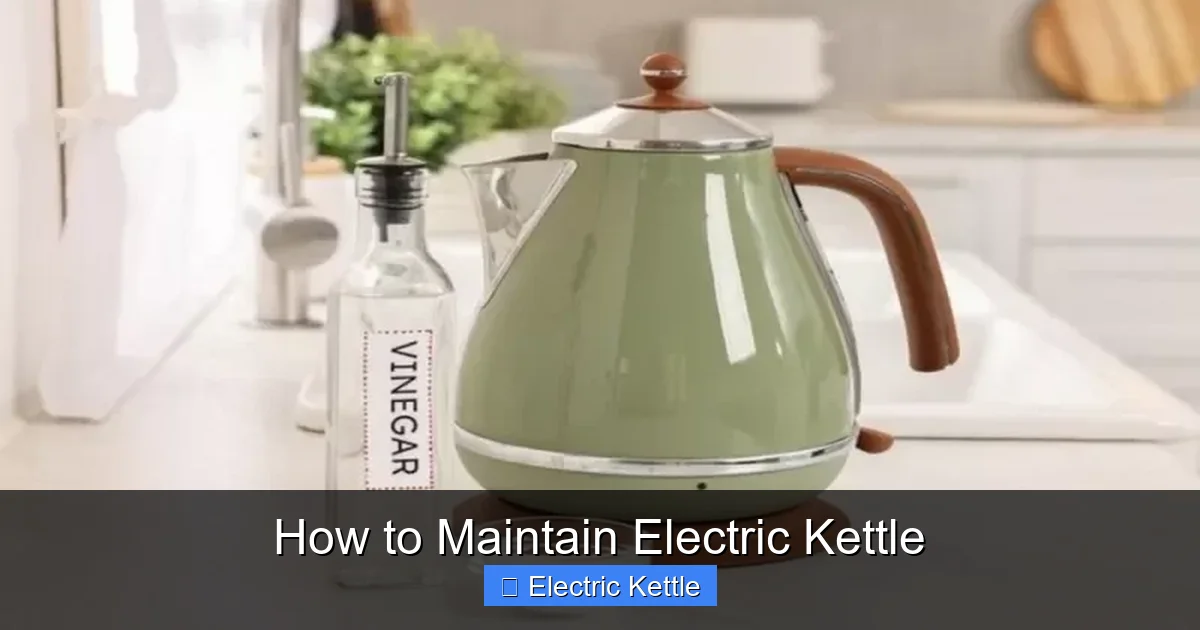
Visual guide about How to Maintain Electric Kettle
Image source: irrorwxhiqijjr5q.ldycdn.com
Before diving into maintenance tips, it helps to know what can go wrong. Most electric kettle issues stem from two main culprits: limescale buildup and poor cleaning habits.
Limescale is the chalky white or gray deposit you might see inside your kettle. It forms when hard water—water with high levels of calcium and magnesium—is heated repeatedly. Over time, this scale coats the heating element and interior surfaces, acting like an insulator. That means your kettle has to work harder and longer to heat water, which increases energy use and can eventually damage the appliance.
Another common issue is residue from beverages. If you use your kettle for more than just water—like instant coffee, herbal teas, or hot chocolate—sugars and oils can stick to the inside. This not only affects taste but can also promote bacterial growth if not cleaned regularly.
Some people also make the mistake of running their kettle dry or overfilling it. Running it without water can burn out the heating element in seconds. Overfilling can cause boiling water to spill into the base, potentially damaging electrical components or creating a shock risk.
Signs Your Kettle Needs Attention
How do you know it’s time to clean or maintain your electric kettle? Watch for these telltale signs:
– Water takes longer to boil than usual
– You notice a strange taste or odor in your water
– Visible white or brown deposits inside the kettle
– The kettle makes unusual noises (like crackling or popping)
– Steam or water leaks from the base or spout
If you spot any of these, don’t ignore them. A quick cleaning or descaling session can often fix the problem before it gets worse.
Daily and Weekly Cleaning Routine
Maintaining your electric kettle starts with simple daily and weekly habits. These small steps prevent buildup and keep your kettle in great shape between deeper cleans.
After Each Use: Quick Rinse
Once your kettle has cooled down, give it a quick rinse with fresh water. This removes any leftover residue from tea, coffee, or other beverages. Swirl the water around, then pour it out. This simple step prevents sticky buildup and keeps odors at bay.
Avoid using soap or detergent after every use—it’s usually unnecessary and can leave a film if not rinsed thoroughly. Save soap for deeper cleans.
Weekly Wipe-Down
Once a week, take a few minutes to wipe down the exterior and interior. Use a soft, damp cloth to clean the outside, including the handle, lid, and base. For the inside, rinse with warm water and use a non-abrasive sponge if needed.
If you notice light staining or film, a mild solution of water and white vinegar (1:1 ratio) can help. Pour it in, swish it around, let it sit for 5–10 minutes, then rinse thoroughly. Never scrub the heating element—most kettles have a concealed element under a smooth surface, so gentle cleaning is best.
Cleaning the Lid and Spout
The lid and spout are often overlooked but can collect steam residue and mineral deposits. Use a small brush—like a bottle brush or even an old toothbrush—to gently scrub these areas. Pay attention to the hinge and seal on the lid, where grime can hide.
For stubborn spots, dip the brush in vinegar or a baking soda paste (mix baking soda with a little water). Scrub gently, then rinse well.
Deep Cleaning and Descaling Your Electric Kettle
Even with regular cleaning, mineral buildup will eventually occur—especially if you live in an area with hard water. That’s where deep cleaning and descaling come in.
How Often Should You Descale?
The frequency depends on your water hardness and usage. As a general rule:
– Soft water areas: Descale every 3–6 months
– Moderate hardness: Every 1–2 months
– Hard water areas: Every 3–4 weeks
If you’re unsure about your water hardness, check with your local water utility or use a home testing kit. You can also look for signs like white spots on dishes or soap that doesn’t lather well.
Natural Descaling with Vinegar
White vinegar is one of the safest and most effective ways to descale your kettle. Here’s how to do it:
1. Fill the kettle halfway with equal parts water and white vinegar.
2. Bring the solution to a boil, then turn off the kettle.
3. Let it sit for 30–60 minutes (longer for heavy buildup).
4. Pour out the solution and scrub gently with a soft sponge if needed.
5. Rinse thoroughly 3–4 times to remove all vinegar taste.
6. Boil fresh water once or twice and discard it to ensure no residue remains.
This method dissolves limescale without harsh chemicals. Plus, vinegar is cheap, eco-friendly, and safe for most kettle materials.
Using Commercial Descalers
If you prefer a ready-made solution, commercial descalers are available at most supermarkets or online. Brands like Durgol, ScaleAway, or even citric acid-based products work well.
Follow the instructions on the package—most involve mixing the descaler with water, boiling, soaking, and rinsing. These products are often more concentrated than vinegar, so they may work faster on tough scale.
Always rinse thoroughly after using any descaler. Residue can affect taste and safety.
Baking Soda for Stubborn Stains
For discoloration or odors that vinegar doesn’t remove, try baking soda. Make a paste with 2–3 tablespoons of baking soda and a little water. Apply it to stained areas, let it sit for 15–20 minutes, then scrub gently and rinse.
Baking soda is mildly abrasive, so it’s great for removing tea or coffee stains without scratching surfaces.
Safe Usage Habits to Extend Kettle Life
Proper maintenance isn’t just about cleaning—it’s also about how you use your kettle. Small changes in habits can prevent damage and keep your appliance running smoothly.
Never Run Your Kettle Dry
This is one of the most important rules. Most electric kettles have an automatic shut-off when water reaches boiling point, but they also have a safety mechanism that triggers if the heating element gets too hot—like when there’s no water.
Running your kettle without water can damage the element, warp internal parts, or even cause a fire. Always check the water level before turning it on. The minimum fill line is usually marked inside—never go below it.
Avoid Overfilling
Just as dangerous as running dry is overfilling. When water boils, it expands and can bubble over into the base. This can damage electrical components, cause short circuits, or create a shock hazard.
Stick to the maximum fill line. If you’re unsure, fill to about ¾ full—this gives plenty of room for boiling without risk.
Use the Right Water
Whenever possible, use filtered or distilled water. This reduces mineral content and slows limescale formation. If you don’t have a filter, let tap water sit for a few minutes before using—this allows some minerals to settle.
Avoid using milk, juice, or other liquids in your kettle. These can leave sticky residues, burn onto the heating element, and are much harder to clean than water.
Let It Cool Before Cleaning
Always wait for your kettle to cool completely before handling or cleaning. Pouring cold water into a hot kettle can cause thermal shock, potentially cracking glass or warping metal parts.
Similarly, don’t move or tilt a hot kettle—steam and hot water can cause burns or damage the base.
Storing Your Electric Kettle Properly
If you’re not using your kettle regularly—like during travel or seasonal storage—proper storage is key to maintaining its condition.
Clean Before Storing
Never store a dirty or wet kettle. Residual moisture can lead to mold, mildew, or rust, especially in the base or cord area. Make sure the interior and exterior are completely dry.
Run a final rinse and wipe it down with a dry cloth. Leave the lid open for a few hours to air out any remaining moisture.
Store in a Dry, Cool Place
Keep your kettle in a cupboard or pantry away from heat sources, humidity, or direct sunlight. Avoid storing it under the sink where leaks or moisture could affect it.
If you’re storing it for a long time, consider placing a silica gel packet inside to absorb any lingering moisture.
Protect the Cord and Base
Coil the cord neatly—don’t wrap it tightly around the base, as this can damage the wires over time. Store the kettle upright to prevent stress on the spout or lid.
If your kettle has a removable base (like some cordless models), store it separately to avoid pressure on the connectors.
Inspecting and Maintaining the Base and Cord
The base and power cord are often forgotten, but they’re critical to safe operation. Regular checks can prevent electrical issues.
Check for Damage
Every month, inspect the power cord for fraying, cracks, or exposed wires. Look at the plug and base for scorch marks, melting, or discoloration. If you see any damage, stop using the kettle immediately and have it repaired or replaced.
Keep the Base Dry
Never immerse the base in water or place it on a wet surface. Water can seep into electrical components and cause short circuits. If water does spill on the base, unplug it right away, dry it thoroughly, and let it air dry for 24 hours before using.
Ensure Proper Ventilation
Make sure the base has enough space around it for airflow. Don’t place it on a cloth, in a closed cabinet, or near other appliances that generate heat. Overheating can damage internal circuits.
Troubleshooting Common Issues
Even with good care, problems can arise. Here’s how to handle some common ones.
Kettle Won’t Turn On
First, check if it’s plugged in and the outlet is working. Try a different outlet. If it still doesn’t work, the issue could be a faulty thermostat, damaged cord, or burnt-out element. If it’s under warranty, contact the manufacturer. Otherwise, consider replacing it—repairing internal components is often not cost-effective.
Water Tastes Metallic or Plasticky
This is common with new kettles. Run 2–3 cycles of boiling water and discard it before first use. If the taste persists, clean with vinegar and rinse thoroughly. Avoid using harsh cleaners that can leave residues.
Kettle Leaks
Check the seal around the lid and spout. If it’s loose or cracked, it may need replacing. Also, ensure you’re not overfilling. If the base is leaking, stop using it—this could indicate internal damage.
Slow Boiling
This is usually due to limescale on the heating element. Descale with vinegar or a commercial product. If that doesn’t help, the element may be failing and the kettle may need replacement.
Choosing the Right Cleaning Products
Not all cleaners are safe for electric kettles. Avoid abrasive scrubbers, bleach, or strong detergents—they can scratch surfaces, leave toxic residues, or damage coatings.
Stick to these safe options:
– White vinegar (for descaling)
– Baking soda (for stains and odors)
– Mild dish soap (for exterior cleaning)
– Commercial descalers (follow label instructions)
Always rinse thoroughly after using any cleaner. When in doubt, test a small area first.
Conclusion
Maintaining your electric kettle doesn’t have to be a chore. With a few simple habits—like rinsing after use, descaling regularly, and using it safely—you can keep your kettle working like new for years. Not only will your water taste better, but you’ll also save energy, reduce repair costs, and avoid potential safety hazards.
Think of maintenance as an investment in your daily comfort. A clean, well-cared-for kettle means faster boiling, better-tasting beverages, and peace of mind. So grab that vinegar, give your kettle a little love, and enjoy every perfect cup.
Frequently Asked Questions
How often should I clean my electric kettle?
Clean the exterior weekly and descale the interior every 1–3 months, depending on water hardness. Rinse after each use to prevent residue buildup.
Can I use lemon juice instead of vinegar to descale?
Yes, lemon juice works similarly to vinegar for descaling. Use half a cup of lemon juice with water, boil, soak, and rinse thoroughly.
Is it safe to put soap in my electric kettle?
Occasionally, yes—use a small amount of mild dish soap for deep cleaning. But rinse very well to avoid leaving a soapy taste.
Why does my kettle smell bad?
Odors usually come from residue or bacteria. Clean with vinegar or baking soda, and ensure the kettle dries completely after use.
Can I clean a stainless steel kettle the same way?
Yes, stainless steel kettles can be cleaned with vinegar, baking soda, or mild soap. Avoid steel wool or harsh abrasives to prevent scratching.
What should I do if my kettle stops working suddenly?
Check the power source and cord first. If those are fine, the issue may be internal. If under warranty, contact the manufacturer; otherwise, consider replacement.