Making coffee in an electric kettle is a simple, efficient way to brew a hot cup when you don’t have a coffee maker. With the right technique and safety precautions, you can enjoy a rich, satisfying coffee using just your kettle and a few basic supplies.
Key Takeaways
- Use coarsely ground coffee: Fine grounds can clog filters and make cleanup difficult. Coarse or medium-coarse grinds work best for kettle brewing.
- Never let the kettle boil dry: Always ensure there’s enough water to cover the coffee grounds to prevent damage to the heating element.
- Use a filter or infuser: A reusable mesh filter, tea infuser, or even a clean sock can hold grounds and prevent sludge in your cup.
- Control the heat and steep time: Turn off the kettle just before boiling and let the coffee steep for 3–5 minutes for optimal flavor.
- Clean your kettle regularly: Coffee oils and residue can build up and affect taste. Rinse thoroughly after each use and descale monthly.
- Experiment with ratios: Start with 1 tablespoon of coffee per cup of water and adjust to taste.
- Safety first: Never submerge the kettle base in water, and avoid using metal utensils inside to prevent damage.
📑 Table of Contents
- Can You Really Make Coffee in an Electric Kettle?
- Why Use an Electric Kettle for Coffee?
- What You’ll Need to Make Coffee in an Electric Kettle
- Step-by-Step Guide: How to Make Coffee in an Electric Kettle
- Tips for Better Coffee in an Electric Kettle
- Common Mistakes to Avoid
- Alternative Methods and Creative Ideas
- Is It Safe to Make Coffee in an Electric Kettle?
- Final Thoughts: Enjoy Your Kettle-Brewed Coffee
Can You Really Make Coffee in an Electric Kettle?
If you’ve ever found yourself craving a hot cup of coffee but don’t have a drip machine, French press, or pour-over setup, you might be surprised to learn that your electric kettle could be the solution. Yes, you can make coffee in an electric kettle—and it’s easier than you think. While electric kettles are primarily designed to boil water, many people use them creatively to brew coffee, especially when traveling, camping, or working in a small space.
The idea might sound a little unconventional at first. After all, most of us associate coffee brewing with dedicated machines. But with a few simple tweaks and the right method, your kettle can double as a makeshift coffee maker. It’s not about turning your kettle into a full-fledged espresso machine—it’s about using what you have to create a satisfying cup of joe.
The key is understanding that making coffee in an electric kettle isn’t about boiling coffee grounds directly in the water. Instead, it’s about using the kettle to heat water to the right temperature and then steeping the coffee, much like you would with a French press or immersion brewer. This method is sometimes called “kettle brewing” or “immersion brewing,” and it’s a great way to extract rich flavor without specialized equipment.
Why Use an Electric Kettle for Coffee?
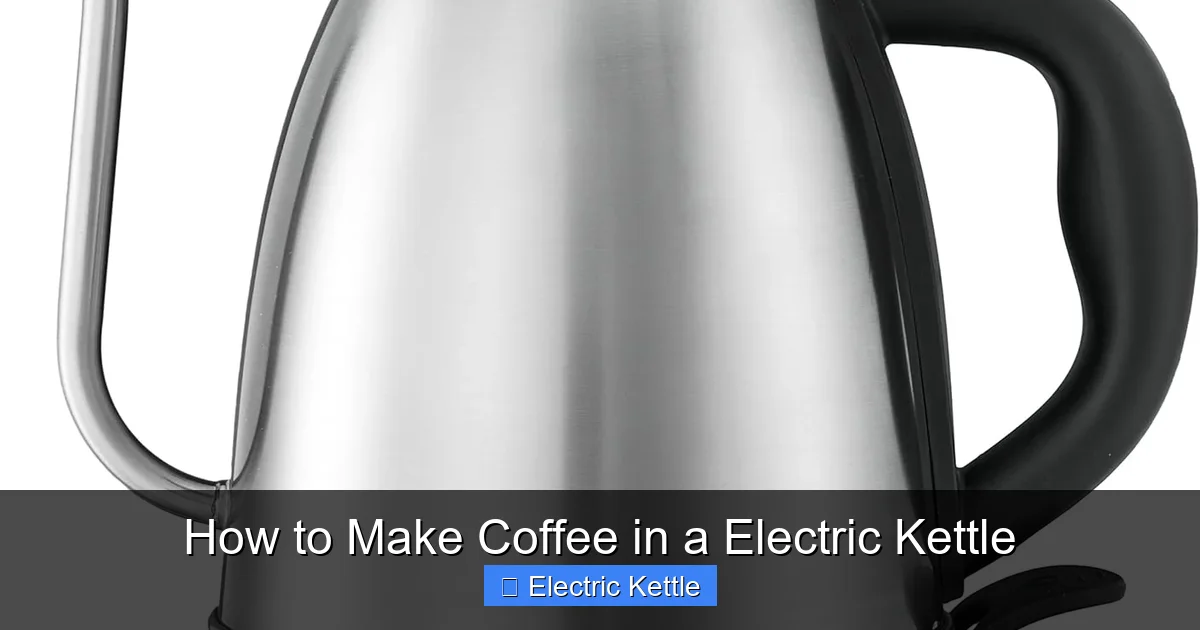
Visual guide about How to Make Coffee in a Electric Kettle
Image source: m.media-amazon.com
You might be wondering why anyone would choose to make coffee in an electric kettle when there are so many other options available. The truth is, electric kettles offer several advantages that make them ideal for quick, efficient coffee brewing—especially in certain situations.
First and foremost, electric kettles heat water faster than stovetop methods or most coffee makers. Many modern kettles can boil a full liter of water in under five minutes, which means your coffee is ready in no time. This speed is perfect for busy mornings or when you’re in a rush.
Another benefit is temperature control. High-quality electric kettles often come with adjustable temperature settings, allowing you to heat water to the ideal range for coffee—between 195°F and 205°F (90°C–96°C). This precision helps avoid over-extraction (which leads to bitterness) or under-extraction (which results in weak, sour coffee).
Portability is another big plus. If you’re staying in a hotel, visiting a friend, or working remotely, you might not have access to a coffee maker. But many places provide an electric kettle in the room or kitchen. With a small pack of ground coffee and a filter, you can brew a fresh cup anywhere.
Finally, using an electric kettle for coffee is cost-effective. You don’t need to buy a separate brewing device, and you can reuse household items like tea infusers or even a clean sock as a filter. It’s a sustainable, low-waste option that reduces the need for single-use pods or paper filters.
What You’ll Need to Make Coffee in an Electric Kettle
Before you start brewing, it’s important to gather the right tools and ingredients. The good news is, you probably already have most of what you need at home. Here’s a simple checklist to get you started.
Essential Supplies
- Electric kettle: Any standard electric kettle will work, but models with temperature control are ideal.
- Freshly ground coffee: Use coarse or medium-coarse grounds for best results. Pre-ground coffee works, but freshly ground beans offer superior flavor.
- Water: Use filtered or bottled water if your tap water has a strong taste or odor.
- Filter or infuser: A reusable mesh tea infuser, a French press filter, or even a clean cotton sock can hold the coffee grounds.
- Measuring tools: A tablespoon or kitchen scale to measure coffee and water accurately.
- Stirring utensil: A non-metal spoon or stirrer to mix the coffee and water.
- Mug or cup: To enjoy your freshly brewed coffee.
Optional Additions
- Milk or cream: For a creamier, richer cup.
- Sugar or sweetener: To taste.
- Cinnamon or cocoa powder: For a flavored twist.
- Thermometer: If your kettle doesn’t have a temperature gauge, a food thermometer can help you monitor the water temp.
Safety Considerations
While making coffee in an electric kettle is generally safe, there are a few precautions to keep in mind. Never allow the kettle to boil dry, as this can damage the heating element and pose a fire hazard. Also, avoid using metal spoons or utensils inside the kettle, as they can scratch the interior and potentially cause sparks.
Always ensure the kettle is unplugged before adding or removing anything from the interior. And never submerge the base or power cord in water—only the kettle itself should come into contact with liquid.
Step-by-Step Guide: How to Make Coffee in an Electric Kettle
Now that you have your supplies ready, let’s walk through the process of making coffee in an electric kettle. This method is simple, effective, and yields a smooth, full-bodied cup of coffee.
Step 1: Measure Your Water and Coffee
Start by deciding how much coffee you want to make. A standard cup is about 8 ounces (240 ml), so adjust accordingly. For each cup, use 1 to 2 tablespoons of coarsely ground coffee. If you prefer stronger coffee, lean toward 2 tablespoons; for a milder brew, use 1.
Pour the desired amount of water into the electric kettle. Make sure the water level is above the minimum fill line but below the maximum to avoid overflow or damage.
Step 2: Add the Coffee Grounds
Place your coffee grounds into a filter or infuser. A reusable mesh tea infuser works perfectly—just fill it about two-thirds full to allow room for the grounds to expand. If you don’t have an infuser, you can use a clean cotton sock or a piece of cheesecloth tied securely with a string.
Lower the filter into the water in the kettle. Make sure the coffee grounds are fully submerged but not packed too tightly. You want the water to flow through the grounds evenly.
Step 3: Heat the Water
Plug in your electric kettle and turn it on. If your kettle has temperature control, set it to around 200°F (93°C)—the ideal range for coffee brewing. If it only has a boil setting, that’s okay too, but you’ll want to turn it off just before it reaches a full rolling boil.
Watch the kettle closely. Most electric kettles will automatically shut off when the water boils, but you can manually turn it off a few seconds earlier to avoid overheating.
Step 4: Steep the Coffee
Once the water has heated, let the coffee steep for 3 to 5 minutes. This is similar to how a French press works—immersion brewing allows the water to extract flavor from the grounds slowly and evenly.
Set a timer to keep track. Steeping for too long can make the coffee bitter, while too short a time may result in a weak brew. Three minutes is a good starting point; adjust based on your taste preferences.
Step 5: Remove the Filter and Serve
After steeping, carefully remove the filter or infuser from the kettle. Be cautious—the water and filter will be very hot. Let the filter drain over the kettle for a few seconds to catch any drips.
Pour the coffee into your mug. If you used a sock or cloth filter, you may want to strain the coffee through a fine-mesh sieve to remove any fine particles.
Add milk, cream, sugar, or any other flavorings to taste. Stir well and enjoy your homemade kettle-brewed coffee!
Step 6: Clean Up
Rinse the kettle immediately after use to prevent coffee oils and residue from building up. Use warm, soapy water and a soft sponge to clean the interior. Avoid abrasive scrubbers that could scratch the surface.
If you used a reusable filter, rinse it thoroughly and let it air dry. For cloth filters, wash with mild detergent and hang to dry.
Tips for Better Coffee in an Electric Kettle
To get the most out of your kettle-brewed coffee, keep these tips in mind. Small adjustments can make a big difference in flavor and consistency.
Use Fresh, Quality Coffee
The quality of your coffee starts with the beans. Choose freshly roasted, high-quality coffee and grind it just before brewing if possible. Pre-ground coffee is convenient, but it loses flavor quickly due to oxidation.
Look for beans labeled with a roast date rather than just an expiration date. Ideally, use coffee within two to four weeks of roasting for peak freshness.
Grind Size Matters
Grind size plays a crucial role in extraction. For kettle brewing, a coarse or medium-coarse grind is best. Fine grounds can slip through filters and create a gritty texture, while too coarse a grind may under-extract and taste weak.
If you’re using a blade grinder, pulse it in short bursts to avoid creating uneven particles. A burr grinder is ideal for consistent results.
Control the Water Temperature
Water that’s too hot can scorch the coffee and create bitterness. Aim for a temperature between 195°F and 205°F (90°C–96°C). If your kettle doesn’t have a temperature setting, let the water cool for 30 seconds after boiling before adding the coffee.
You can also use a kitchen thermometer to check the temperature if you’re unsure.
Experiment with Ratios
The standard ratio is 1 to 2 tablespoons of coffee per 8 ounces of water. But everyone’s taste is different. Start with 1 tablespoon and increase gradually until you find your preferred strength.
Keep a notebook or use a coffee app to track your ratios, grind size, and steeping time. This helps you replicate great cups and improve over time.
Pre-Heat Your Mug
To keep your coffee hot longer, pre-heat your mug by rinsing it with hot water before pouring. This simple step can make a noticeable difference, especially in colder environments.
Try Cold Brew in the Kettle
You can also use your electric kettle to make cold brew coffee. Simply add coarse grounds and cold water to the kettle, stir, and let it steep in the refrigerator for 12 to 24 hours. The kettle’s wide opening makes it easy to mix and strain.
Common Mistakes to Avoid
Even with the best intentions, it’s easy to make mistakes when brewing coffee in an electric kettle. Here are some common pitfalls and how to avoid them.
Boiling the Coffee Directly
One of the biggest mistakes is letting the coffee grounds boil with the water. Boiling can over-extract the coffee, leading to a bitter, unpleasant taste. Always turn off the kettle just before it reaches a full boil and let the coffee steep off the heat.
Using the Wrong Grind Size
Fine grounds can clog filters and make cleanup a nightmare. They also increase the risk of over-extraction. Stick to coarse or medium-coarse grinds for a smoother, cleaner cup.
Over-Steeping
Leaving the coffee to steep for too long—especially beyond 5 minutes—can result in bitterness. Stick to the 3–5 minute range and adjust based on taste.
Not Cleaning the Kettle
Coffee oils and mineral deposits can build up over time, affecting the taste of both your coffee and future boiled water. Rinse the kettle after each use and descale it monthly with a vinegar solution or commercial descaler.
Using Metal Utensils
Avoid using metal spoons or stirrers inside the kettle, as they can scratch the interior and potentially damage the heating element. Use silicone, wood, or plastic utensils instead.
Ignoring Water Quality
The quality of your water directly impacts the taste of your coffee. Use filtered or bottled water if your tap water has a strong chlorine taste or high mineral content.
Alternative Methods and Creative Ideas
Once you’ve mastered the basics, you can get creative with your kettle-brewed coffee. Here are a few fun variations to try.
Make Iced Coffee
Brew a strong batch of coffee using the kettle method, then pour it over ice. Add cold milk or a splash of simple syrup for a refreshing iced coffee.
Add Spices or Flavors
Enhance your coffee by adding cinnamon sticks, cardamom pods, or a pinch of cocoa powder to the water before heating. These spices infuse the coffee with warm, aromatic notes.
Use a French Press Filter
If you have a French press, remove the plunger and use just the mesh filter to hold your coffee grounds in the kettle. This gives you more control over the brewing process.
Try a “Cowboy Coffee” Style
For a rustic approach, add coarse grounds directly to the water and heat until just before boiling. Let it steep, then pour slowly to leave the grounds at the bottom. This method is simple but can be gritty—use a fine-mesh strainer if needed.
Brew Multiple Cups at Once
If you’re making coffee for a group, scale up the recipe. Just make sure your kettle can handle the volume without overflowing. Use a larger infuser or multiple filters if necessary.
Is It Safe to Make Coffee in an Electric Kettle?
Safety is a common concern when using an electric kettle for purposes other than boiling water. The good news is, making coffee in an electric kettle is generally safe—as long as you follow a few basic guidelines.
First, never allow the kettle to boil dry. Most modern kettles have automatic shut-off features, but it’s still important to monitor the water level. Running the kettle without water can damage the heating element and void the warranty.
Second, avoid using metal objects inside the kettle. Scratching the interior can create weak spots and increase the risk of electrical issues. Stick to non-metal utensils for stirring and handling.
Third, always unplug the kettle before adding or removing anything from the interior. This prevents accidental shocks or short circuits.
Finally, clean the kettle regularly. Coffee residue can build up and affect the taste of future brews. Rinse after each use and descale monthly to keep your kettle in top condition.
Final Thoughts: Enjoy Your Kettle-Brewed Coffee
Making coffee in an electric kettle is a practical, flexible, and surprisingly effective way to enjoy a great cup of coffee. Whether you’re traveling, short on space, or just looking for a quick brewing method, your kettle can be a reliable coffee companion.
With the right technique—using coarse grounds, controlling the heat, and steeping properly—you can extract rich, balanced flavors without any fancy equipment. Plus, it’s a sustainable option that reduces waste and saves money.
So the next time you’re craving coffee and your machine is out of commission, don’t panic. Grab your electric kettle, some ground coffee, and a filter, and brew yourself a delicious cup. You might just discover a new favorite way to make coffee.
Frequently Asked Questions
Can I put coffee grounds directly in an electric kettle?
It’s not recommended to put coffee grounds directly into the kettle, as they can clog the spout, damage the heating element, and make cleanup difficult. Always use a filter or infuser to contain the grounds.
What kind of coffee grind is best for kettle brewing?
Coarse or medium-coarse grinds work best. Fine grounds can pass through filters and create a gritty texture, while too coarse a grind may under-extract and taste weak.
How long should I steep coffee in an electric kettle?
Steep for 3 to 5 minutes. Longer steeping can lead to bitterness, while shorter times may result in under-extraction and a weak flavor.
Can I use my electric kettle to make tea and coffee?
Yes, but clean the kettle thoroughly between uses to avoid flavor transfer. Coffee oils can linger and affect the taste of tea.
Is it safe to leave coffee in the kettle after brewing?
No, always remove the coffee and clean the kettle promptly. Leaving coffee in the kettle can lead to staining, odor, and buildup of oils and residue.
Can I make espresso in an electric kettle?
No, electric kettles cannot generate the high pressure needed for espresso. However, you can make a strong, concentrated brew similar to a French press.