Making distilled water with an electric kettle is possible but requires careful setup and safety precautions. While not all kettles are designed for distillation, with the right method, you can produce pure water for humidifiers, irons, or lab use. This guide walks you through the process step by step.
Key Takeaways
- Not all electric kettles are suitable for distillation: Only use kettles made of stainless steel or high-quality glass. Avoid plastic or coated models.
- Distillation requires condensation: You must capture and cool the steam produced during boiling to collect pure water.
- Use a heat-resistant lid and tubing: Modify your kettle safely to channel steam into a collection container.
- Never run the kettle dry: Always ensure water is present to prevent overheating and damage.
- Distilled water lacks minerals: It’s ideal for appliances but not recommended for regular drinking without remineralization.
- Safety is critical: Work in a well-ventilated area and use protective gear to avoid burns or inhalation risks.
- Alternative methods exist: Consider solar stills or countertop distillers for safer, long-term use.
📑 Table of Contents
- Introduction: Why Make Distilled Water at Home?
- What Is Distilled Water and Why Does It Matter?
- Can You Really Use an Electric Kettle for Distillation?
- Step-by-Step Guide: How to Make Distilled Water with an Electric Kettle
- Safety Tips and Common Mistakes to Avoid
- Pros and Cons of Using an Electric Kettle for Distillation
- Alternative Methods for Making Distilled Water
- Conclusion: Is It Worth It?
Introduction: Why Make Distilled Water at Home?
Have you ever wondered how to make distilled water with an electric kettle? Maybe your humidifier keeps leaving white dust on your furniture, or your iron is clogging up with mineral buildup. Perhaps you’re into DIY science projects or just want to ensure the purest water possible for your baby’s formula. Whatever the reason, distilled water—water that’s been boiled into steam and then condensed back into liquid—removes impurities, minerals, and contaminants. It’s cleaner than filtered or tap water and ideal for sensitive applications.
But here’s the catch: most people assume you need expensive lab equipment to make distilled water. That’s not true. With a little creativity and the right tools, you can use a common household item—your electric kettle—to produce distilled water at home. It’s not the most efficient method, and it does come with some risks, but for occasional use, it’s a clever hack.
What Is Distilled Water and Why Does It Matter?
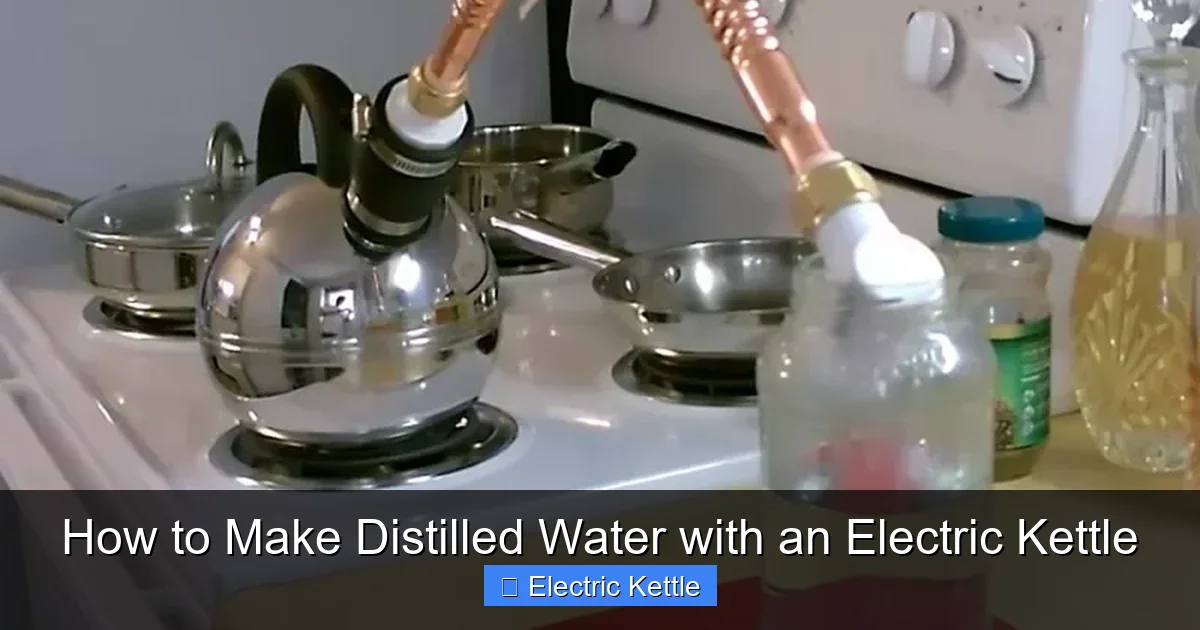
Visual guide about How to Make Distilled Water with an Electric Kettle
Image source: irrorwxhiqijjr5q.ldycdn.com
Before we dive into the how-to, let’s clarify what distilled water actually is. Distilled water is water that has been purified through the process of distillation. This involves boiling water until it turns into steam, then cooling that steam back into liquid form in a separate container. Because impurities like minerals, bacteria, and chemicals don’t vaporize at the same temperature as water, they’re left behind. The result? Ultra-pure H₂O.
You might be wondering, “Isn’t filtered water good enough?” For drinking, yes—filtered water removes many contaminants and often retains beneficial minerals. But for certain uses, like filling a steam iron, operating a CPAP machine, or conducting science experiments, even small amounts of minerals can cause problems. That’s where distilled water shines.
Common Uses for Distilled Water
- Household appliances: Humidifiers, steam irons, and coffee makers last longer and perform better with distilled water because it prevents scale buildup.
- Medical devices: CPAP machines and neti pots require pure water to avoid introducing bacteria or minerals into sensitive areas.
- Automotive care: Car batteries and cooling systems often require distilled water to prevent corrosion.
- Laboratory and hobby use: From plant watering to chemical experiments, distilled water ensures consistency and purity.
Can You Really Use an Electric Kettle for Distillation?
Now, the big question: can you actually make distilled water with an electric kettle? The short answer is yes—but with important caveats. Most electric kettles aren’t designed for distillation, so you’ll need to modify your setup carefully. The core idea is simple: boil water in the kettle, capture the steam, and condense it into a clean container. But doing this safely and effectively requires attention to detail.
Why Most Kettles Aren’t Built for This
Electric kettles are engineered for one job: heating water quickly and efficiently. They’re not meant to be sealed systems or steam generators. Many have plastic components, automatic shut-off features, or sealed lids that make modification risky. Using them beyond their intended purpose can lead to overheating, damage, or even fire hazards.
That said, if you’re careful and use the right type of kettle, distillation is possible. The key is choosing a model made from durable, heat-resistant materials like stainless steel or borosilicate glass. Avoid kettles with plastic interiors, non-stick coatings, or complex electronic controls.
When It’s Safe (and When It’s Not)
Let’s be clear: distillation with an electric kettle is a workaround, not a recommended practice by manufacturers. It should only be done occasionally and with strict safety measures. Never attempt this with a kettle that has a sealed lid or one that automatically turns off when steam is detected—this could trap pressure and cause the kettle to burst.
On the other hand, if you have an older, simple stainless steel kettle with an open spout and no automatic shut-off, you might be able to adapt it safely. Always inspect your kettle for damage before starting, and never leave the process unattended.
Step-by-Step Guide: How to Make Distilled Water with an Electric Kettle
Ready to give it a try? Here’s a detailed, step-by-step method to make distilled water using your electric kettle. Remember, this is a DIY approach—proceed with caution and prioritize safety.
What You’ll Need
Before you begin, gather these supplies:
- A stainless steel or glass electric kettle (no plastic parts)
- A heat-resistant lid (like a glass or metal pot lid)
- Food-grade silicone tubing (about 3–4 feet long)
- A clean glass or Pyrex collection container
- Ice cubes or a cold water bath
- Tape or clamps (to secure tubing)
- Distilled or filtered water (to start—tap water works, but filtered is better)
- Safety gloves and goggles
Step 1: Prepare Your Kettle
Start by cleaning your kettle thoroughly. Any residue or mineral buildup can contaminate your distilled water. Rinse it with vinegar and water if needed, then dry it completely. Fill the kettle with about 1–2 cups of water—don’t overfill, as boiling water can splash or overflow.
Make sure the kettle is placed on a stable, heat-resistant surface. Keep it away from flammable materials and ensure the power cord is secure and won’t get wet.
Step 2: Modify the Lid for Steam Capture
This is the trickiest part. You need to create a way for steam to escape the kettle and travel into your collection system. Here’s how:
Take a heat-resistant lid that fits snugly over your kettle’s opening. Using a drill or a sharp tool, carefully make a small hole near the edge—just big enough to insert one end of your silicone tubing. Be gentle to avoid cracking glass or weakening metal.
Insert the tubing into the hole so that it extends slightly inside the kettle. Seal the gap around the tubing with high-temperature silicone sealant or heat-resistant tape. This prevents steam from escaping and ensures it flows through the tube.
Step 3: Set Up the Condensation System
Now, direct the other end of the tubing into your collection container. Place the container in a bowl of ice water or wrap it with a cold, wet cloth. The goal is to cool the steam quickly so it condenses back into liquid water.
You can also coil the tubing and submerge part of it in the ice bath to increase condensation efficiency. The colder the environment, the faster the steam turns back into water.
Step 4: Boil and Collect
Plug in your kettle and turn it on. As the water heats up, steam will begin to rise. Once boiling starts, steam will travel through the tubing and into the cold collection container, where it will condense into distilled water.
Let the process run for 10–15 minutes. You should see droplets forming inside the tubing and collecting in the container. The amount of distilled water you get will depend on the kettle size and boiling time—expect about 1 cup of distilled water from 2 cups of starting water.
Step 5: Turn Off and Cool Down
Once you’ve collected enough water, turn off the kettle and unplug it immediately. Allow the system to cool completely before disassembling. Hot steam and surfaces can cause burns, so wear gloves and wait at least 10–15 minutes.
Remove the tubing and lid carefully. Pour the distilled water into a clean, airtight container for storage. Label it clearly to avoid confusion with regular water.
Safety Tips and Common Mistakes to Avoid
Making distilled water with an electric kettle isn’t without risks. Here are some essential safety tips to keep in mind.
Never Leave It Unattended
Boiling water produces steam, and steam can build pressure if not properly vented. Always stay nearby while the kettle is running. If something goes wrong—like a clog in the tubing or a power surge—you’ll want to act quickly.
Avoid Overfilling the Kettle
Too much water can cause boiling overflow, which might damage the kettle or create a slipping hazard. Stick to 1–2 cups, especially if your kettle has a narrow spout.
Don’t Use Plastic or Coated Kettles
Plastic can melt or release harmful chemicals when exposed to high heat and steam. Non-stick coatings may degrade. Stick to stainless steel or glass.
Check for Leaks and Blockages
Before each use, inspect the tubing and lid seal. A blocked tube can cause pressure buildup. A leaky seal means steam escapes, reducing efficiency and increasing risk.
Use Protective Gear
Wear heat-resistant gloves and safety goggles. Steam burns are serious, and hot water can splash unexpectedly.
Store Distilled Water Properly
Distilled water is sterile when first made, but it can absorb CO₂ from the air over time, making it slightly acidic. Store it in a clean, sealed glass or plastic container in a cool, dark place. Use it within a few days for best results.
Pros and Cons of Using an Electric Kettle for Distillation
Like any DIY method, distilling water with an electric kettle has its advantages and drawbacks. Let’s break them down.
Pros
- Low cost: You’re using equipment you already own.
- Quick setup: No need to buy a dedicated distiller.
- Small batches: Ideal for occasional use or emergencies.
- Educational: Great for teaching kids about the water cycle and purification.
Cons
- Safety risks: Potential for burns, pressure buildup, or electrical issues.
- Not efficient: Takes time and energy to produce small amounts.
- Limited capacity: Most kettles hold only 1–2 liters, so output is low.
- Not scalable: Not practical for daily or large-scale needs.
- Wear and tear: Repeated use may damage your kettle over time.
Alternative Methods for Making Distilled Water
If the risks of using an electric kettle seem too high, or if you need distilled water regularly, consider these safer alternatives.
Countertop Water Distillers
These appliances are specifically designed for distillation. They’re safer, more efficient, and can produce several liters per day. While they cost $50–$200, they’re a worthwhile investment if you use distilled water often.
Solar Stills
Perfect for outdoor enthusiasts or off-grid living, solar stills use sunlight to evaporate and condense water. They’re slow but completely safe and eco-friendly.
DIY Stovetop Distillation
Use a large pot with a lid and a heat-safe bowl. Boil water in the pot, place the bowl inside to catch condensation, and collect the distilled water. This method is safer than using an electric kettle and doesn’t require electricity.
Buying Distilled Water
For many people, the simplest solution is to buy distilled water at the store. It’s inexpensive, widely available, and guaranteed pure. A gallon typically costs under $2.
Conclusion: Is It Worth It?
So, should you make distilled water with an electric kettle? If you’re doing it once in a while—say, to clean your humidifier or run a science experiment—it can be a clever, cost-effective solution. With the right kettle and careful setup, you can produce small batches of pure water safely.
But if you need distilled water regularly, or if safety is a top concern, it’s better to invest in a proper distiller or buy it pre-made. Your electric kettle is a fantastic tool for making tea or coffee—but pushing it beyond its design has risks.
Ultimately, the key is balance. Use your creativity, respect the limits of your equipment, and always prioritize safety. With that mindset, you can harness the power of steam to make distilled water at home—just don’t forget to unplug the kettle when you’re done.
Frequently Asked Questions
Can I use any electric kettle to make distilled water?
No, only kettles made of stainless steel or high-quality glass are suitable. Avoid models with plastic parts, non-stick coatings, or sealed lids, as they can melt, degrade, or trap dangerous pressure.
Is distilled water safe to drink?
Distilled water is safe to drink occasionally, but it lacks essential minerals like calcium and magnesium. For regular consumption, it’s better to drink filtered or mineral water to maintain proper nutrition.
How much distilled water can I make at once?
Most electric kettles hold 1–2 liters, but you’ll only collect about half that amount as distilled water due to evaporation and condensation inefficiencies. Expect 1 cup of distilled water from 2 cups of starting water.
Can I reuse the leftover water in the kettle?
No. The water left in the kettle after distillation contains concentrated minerals and impurities. Pour it out and clean the kettle to prevent buildup and contamination.
What if my kettle has an automatic shut-off?
Avoid using kettles with automatic shut-off features for distillation. These systems may detect steam and turn off prematurely, or worse, trap pressure if modified. Use only simple, manual kettles.
How long does homemade distilled water last?
Store distilled water in a clean, sealed container in a cool, dark place. It’s best used within 3–5 days, as it can absorb carbon dioxide from the air and become slightly acidic over time.