Making green tea in an electric kettle is quick, easy, and delivers a fresh, aromatic cup—if you do it right. This guide walks you through the ideal water temperature, steeping time, and best practices to avoid bitterness and preserve delicate flavors.
Key Takeaways
- Use the right water temperature: Green tea brews best between 160°F and 180°F (70°C–82°C) to prevent bitterness.
- Choose quality green tea: Loose-leaf or high-grade tea bags ensure better flavor and aroma.
- Preheat your kettle: Rinsing the kettle with hot water helps maintain stable brewing temperature.
- Steep for 2–3 minutes: Over-steeping releases excess tannins, making tea bitter.
- Use filtered water: Impurities in tap water can alter taste and reduce freshness.
- Clean your electric kettle regularly: Mineral buildup affects heating and flavor.
- Reuse tea leaves: High-quality loose-leaf green tea can often be steeped 2–3 times.
📑 Table of Contents
- Why Green Tea Deserves a Spot in Your Daily Routine
- Understanding Green Tea and Its Brewing Needs
- Choosing the Right Electric Kettle for Green Tea
- Step-by-Step Guide: How to Make Green Tea in an Electric Kettle
- Tips for the Perfect Cup Every Time
- Common Mistakes to Avoid
- Conclusion: Brew Better Green Tea with Your Electric Kettle
Why Green Tea Deserves a Spot in Your Daily Routine
Green tea isn’t just a refreshing drink—it’s a wellness ritual. Packed with antioxidants like EGCG, it supports metabolism, boosts brain function, and may even promote longevity. Unlike black or herbal teas, green tea offers a delicate balance of flavor and health benefits, making it a favorite among tea lovers worldwide.
But here’s the catch: brewing green tea properly is an art. Too hot, and it turns bitter. Too long, and it loses its subtle sweetness. That’s where your electric kettle comes in. Modern electric kettles aren’t just for boiling water—they’re precision tools that can help you brew the perfect cup of green tea with consistency and ease. Whether you’re a beginner or a seasoned tea drinker, mastering how to make green tea in an electric kettle ensures every sip is smooth, aromatic, and full of flavor.
Understanding Green Tea and Its Brewing Needs
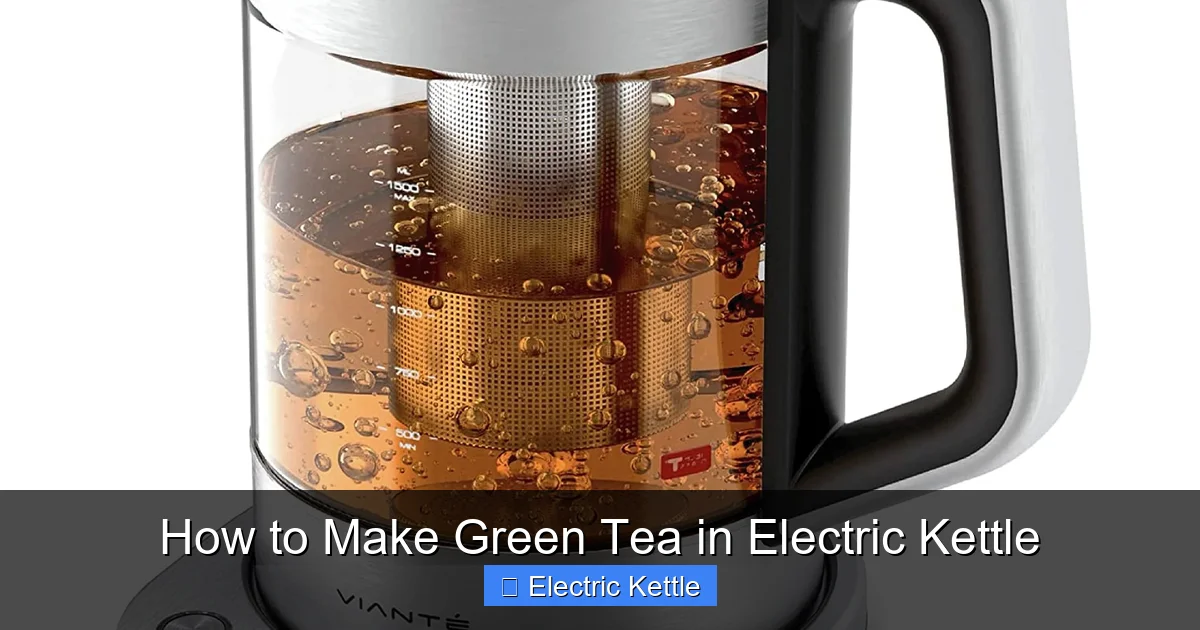
Visual guide about How to Make Green Tea in Electric Kettle
Image source: m.media-amazon.com
Green tea comes from the Camellia sinensis plant, just like black and white teas. The difference lies in processing: green tea leaves are quickly heated (steamed or pan-fired) after harvesting to prevent oxidation. This preserves their vibrant green color, fresh taste, and high antioxidant content.
Because of this gentle processing, green tea is more sensitive than other types. It doesn’t handle high heat or long steeping times well. The ideal brewing temperature for most green teas ranges from 160°F to 180°F (70°C–82°C)—significantly lower than the 212°F (100°C) boiling point of water. At these lower temperatures, the tea releases its natural sweetness and floral notes without extracting excessive bitterness from tannins.
Different varieties have slightly different needs. Japanese green teas like Sencha and Gyokuro prefer cooler water (around 160°F–170°F), while Chinese greens like Dragon Well (Longjing) can handle up to 180°F. Knowing your tea type helps you adjust your electric kettle settings for the best results.
Why Electric Kettles Are Perfect for Green Tea
Electric kettles offer precision and convenience that stovetop kettles can’t match. Many models now come with variable temperature controls, allowing you to select the exact heat level needed for green tea. This eliminates guesswork and ensures consistent brewing every time.
Unlike stovetop kettles, electric kettles heat water quickly and evenly. They also often include features like keep-warm functions, auto shut-off, and temperature displays—making them ideal for tea lovers who value both quality and efficiency. Plus, they’re energy-efficient and reduce the risk of over-boiling, which can damage delicate tea leaves.
Choosing the Right Electric Kettle for Green Tea
Not all electric kettles are created equal when it comes to brewing green tea. If you’re serious about your tea, investing in a model with temperature control is a game-changer.
Look for Variable Temperature Settings
The most important feature for green tea lovers is adjustable temperature. Basic electric kettles only boil water to 212°F, which is too hot for green tea. Instead, opt for a kettle with preset temperature options—ideally one that includes a “green tea” setting (usually around 175°F).
Some high-end models allow you to set custom temperatures in 5°F or 10°F increments. This is especially useful if you enjoy a variety of green teas with different brewing needs.
Material Matters: Glass, Stainless Steel, or Plastic?
Electric kettles come in different materials, each with pros and cons:
– Glass kettles: Allow you to see the water heating, which is satisfying and helps monitor clarity. However, they can be fragile and may retain odors if not cleaned properly.
– Stainless steel kettles: Durable, easy to clean, and excellent at retaining heat. Look for food-grade stainless steel (like 304 or 18/8) to avoid metallic tastes.
– Plastic kettles: Lightweight and affordable, but not ideal for green tea. Plastic can absorb odors and may leach chemicals when heated, especially at high temperatures.
For green tea, stainless steel or glass kettles are the best choices. Avoid plastic unless it’s BPA-free and labeled as safe for hot beverages.
Capacity and Speed
Consider how much tea you typically brew. A 1-liter kettle is great for 2–4 cups, while larger families might prefer 1.7 liters. However, smaller kettles heat water faster and use less energy.
Speed is another factor. Most electric kettles boil water in 3–5 minutes. If you’re often in a rush, look for models with rapid-boil technology. Just remember: for green tea, speed isn’t everything—precision is.
Step-by-Step Guide: How to Make Green Tea in an Electric Kettle
Now that you’ve got the right kettle, it’s time to brew. Follow these simple steps for a perfect cup every time.
Step 1: Choose Quality Green Tea
Start with fresh, high-quality tea. Loose-leaf green tea offers the best flavor and aroma, but high-grade tea bags work too. Avoid cheap, dusty tea bags—they often contain broken leaves that over-steep quickly.
Popular options include:
– Sencha (Japan): Grass-like, slightly sweet
– Dragon Well (China): Nutty, smooth
– Matcha (Japan): Powdered, vibrant, and rich
– Gunpowder (Morocco): Smoky and bold
Store your tea in an airtight container away from light, heat, and moisture to preserve freshness.
Step 2: Use Filtered Water
Water makes up over 98% of your tea, so quality matters. Tap water with chlorine, fluoride, or heavy metals can alter taste and create off-flavors. Use filtered or spring water for the cleanest, purest results.
Avoid distilled water—it lacks minerals that help extract flavor.
Step 3: Preheat Your Kettle
Before adding water, rinse your electric kettle with hot water. This preheats the interior, helping maintain a stable brewing temperature once you add the tea. It also removes any residual tastes from previous uses.
Simply fill the kettle with hot tap water, swirl it around, and pour it out. This step is especially helpful if your kettle has been sitting unused for a while.
Step 4: Heat Water to the Right Temperature
This is the most critical step. Set your electric kettle to the appropriate temperature for your green tea:
– Japanese greens (Sencha, Gyokuro): 160°F–170°F
– Chinese greens (Dragon Well, Bi Luo Chun): 170°F–180°F
– Gunpowder or roasted greens: 180°F
If your kettle doesn’t have precise settings, heat water to just below boiling—watch for small bubbles forming at the bottom (around 175°F). You can also boil the water and let it cool for 2–3 minutes before pouring.
Step 5: Measure the Tea
Use about 1 teaspoon (2–3 grams) of loose-leaf green tea per 8 oz (240 ml) of water. If using tea bags, one bag per cup is standard.
For stronger flavor, increase the tea amount—not the steeping time. Over-steeping leads to bitterness.
Step 6: Steep the Tea
Place the tea in a teapot, infuser, or directly in your cup. Pour the heated water over the leaves.
Steeping times vary:
– Light greens (Gyokuro): 1–2 minutes
– Standard greens (Sencha, Dragon Well): 2–3 minutes
– Stronger greens (Gunpowder): 2–3 minutes
Set a timer. Over-steeping is the #1 cause of bitter green tea.
Step 7: Remove the Leaves
Once steeping is complete, remove the tea leaves or tea bag immediately. Leaving them in continues extraction, making the tea bitter.
If using loose leaves, pour the tea through a strainer into your cup.
Step 8: Enjoy Immediately
Green tea tastes best when fresh. Sip it while warm to enjoy its full aroma and flavor. Avoid reheating, as it can degrade the tea’s delicate compounds.
Tips for the Perfect Cup Every Time
Even with the right steps, small tweaks can elevate your tea experience.
Use a Tea Infuser or Strainer
Loose-leaf tea needs room to expand. Use a mesh infuser, tea ball, or reusable filter to keep leaves contained while allowing full flavor extraction. Avoid squeezing the infuser after steeping—this forces out bitter compounds.
Experiment with Steeping Times
Everyone’s taste is different. If your tea tastes too weak, try a longer steep or more leaves. If it’s bitter, reduce the time or lower the water temperature. Keep notes to find your perfect balance.
Reuse Your Tea Leaves
High-quality green tea can often be steeped 2–3 times. Each infusion offers a slightly different flavor profile—lighter and more floral with each brew. Just increase steeping time by 30 seconds for each reuse.
Clean Your Kettle Regularly
Mineral buildup from hard water affects taste and heating efficiency. Clean your electric kettle monthly with a vinegar solution:
1. Fill the kettle halfway with equal parts water and white vinegar.
2. Boil, then let sit for 30 minutes.
3. Rinse thoroughly with clean water.
4. Run a cycle with fresh water to remove any vinegar taste.
Store Tea Properly
Keep green tea in a cool, dark place in an airtight container. Avoid storing near spices, coffee, or strong-smelling foods—tea absorbs odors easily.
Common Mistakes to Avoid
Even experienced tea drinkers make these errors.
Boiling Water for Green Tea
Pouring 212°F water on green tea scalds the leaves, releasing bitter tannins. Always use lower temperatures.
Over-Steeping
Leaving tea in hot water too long ruins the flavor. Stick to 2–3 minutes max.
Using Old or Low-Quality Tea
Stale tea lacks aroma and taste. Buy small amounts and use within 6–12 months.
Ignoring Water Quality
Chlorinated or metallic-tasting water masks the tea’s natural flavors. Always use filtered water.
Not Cleaning the Kettle
Residue and scale buildup alter taste and reduce kettle lifespan. Clean regularly.
Conclusion: Brew Better Green Tea with Your Electric Kettle
Making green tea in an electric kettle isn’t just convenient—it’s a smart way to unlock the full potential of this delicate, health-boosting beverage. With the right temperature, timing, and tools, you can enjoy a smooth, aromatic cup that’s free from bitterness and full of flavor.
Start by choosing a kettle with temperature control, use filtered water, and respect your tea’s brewing needs. Experiment with different varieties and steeping times to find what you love. And don’t forget to clean your kettle and store your tea properly for consistent results.
Whether you’re sipping green tea for energy, focus, or relaxation, mastering the art of brewing with an electric kettle turns a simple habit into a daily ritual. So go ahead—heat that water, steep those leaves, and savor every sip. Your perfect cup of green tea is just a kettle away.
Frequently Asked Questions
Can I make green tea directly in an electric kettle?
It’s not recommended to steep green tea directly in an electric kettle. Most kettles aren’t designed for steeping, and leaving tea inside can stain the interior or affect future brews. Use a teapot, cup, or infuser instead.
What if my electric kettle doesn’t have temperature control?
Boil the water, then let it cool for 2–3 minutes before pouring. You can also use a kitchen thermometer to check the temperature. Alternatively, invest in a kettle with adjustable settings for better results.
How much green tea should I use per cup?
Use about 1 teaspoon (2–3 grams) of loose-leaf tea per 8 oz of water. Adjust to taste—more tea for stronger flavor, less for lighter.
Can I reuse green tea leaves?
Yes! High-quality loose-leaf green tea can be steeped 2–3 times. Increase steeping time slightly with each brew for balanced flavor.
Why does my green tea taste bitter?
Bitterness usually comes from water that’s too hot or steeping too long. Use lower temperatures (160°F–180°F) and steep for only 2–3 minutes.
Is it safe to drink green tea every day?
Yes, in moderation. Most people can safely drink 2–3 cups daily. Avoid excessive amounts if you’re sensitive to caffeine or have certain health conditions.