Making hard boiled eggs in an electric kettle is a fast, convenient, and mess-free method—ideal for dorms, offices, or small spaces. With just water, eggs, and your kettle, you can have perfectly cooked eggs in under 15 minutes without using a stove.
Key Takeaways
- No stove required: Use your electric kettle to boil eggs anywhere—perfect for dorms, RVs, or offices.
- Quick and easy: From start to finish, hard boiled eggs take only 10–15 minutes using this method.
- Consistent results: When done correctly, eggs come out fully cooked with firm yolks and no green rings.
- Safe when done right: Follow safety tips like not overfilling the kettle and avoiding sealed lids during boiling.
- Versatile use: Once boiled, eggs can be eaten plain, added to salads, or turned into deviled eggs.
- Energy efficient: Electric kettles heat water faster and use less energy than stovetop pots.
- Clean-up is simple: Just rinse the kettle after use—no scrubbing pots or dealing with splatters.
📑 Table of Contents
Why Make Hard Boiled Eggs in an Electric Kettle?
Let’s be honest—boiling eggs on the stove can feel like a chore. You’ve got to fill a pot, wait for it to boil, time it perfectly, and then deal with cleanup. And if you’re living in a dorm, traveling in an RV, or working from a small office kitchen, you might not even have access to a stove. That’s where the electric kettle comes in—a humble appliance that’s about to become your new best friend for making hard boiled eggs.
Electric kettles are designed to heat water quickly and efficiently. Most models boil water in under five minutes, which makes them ideal for more than just tea and coffee. By using your kettle to boil eggs, you skip the hassle of stovetop cooking entirely. It’s fast, convenient, and surprisingly effective. Plus, it’s a great hack for anyone who wants a protein-packed snack without the fuss.
This method is especially popular among college students, busy professionals, and travelers. Imagine waking up in your dorm room, popping a couple of eggs into your kettle, and having breakfast ready before your first class. Or picture yourself at a hotel, craving a healthy snack, and realizing you can make hard boiled eggs right in your room. It’s that simple.
But before you start tossing eggs into your kettle, it’s important to understand the right technique. Not all kettles are created equal, and eggs can crack or undercook if you’re not careful. The good news? With a few simple steps and some basic safety tips, you can master this method and enjoy perfectly cooked eggs every time.
What You’ll Need
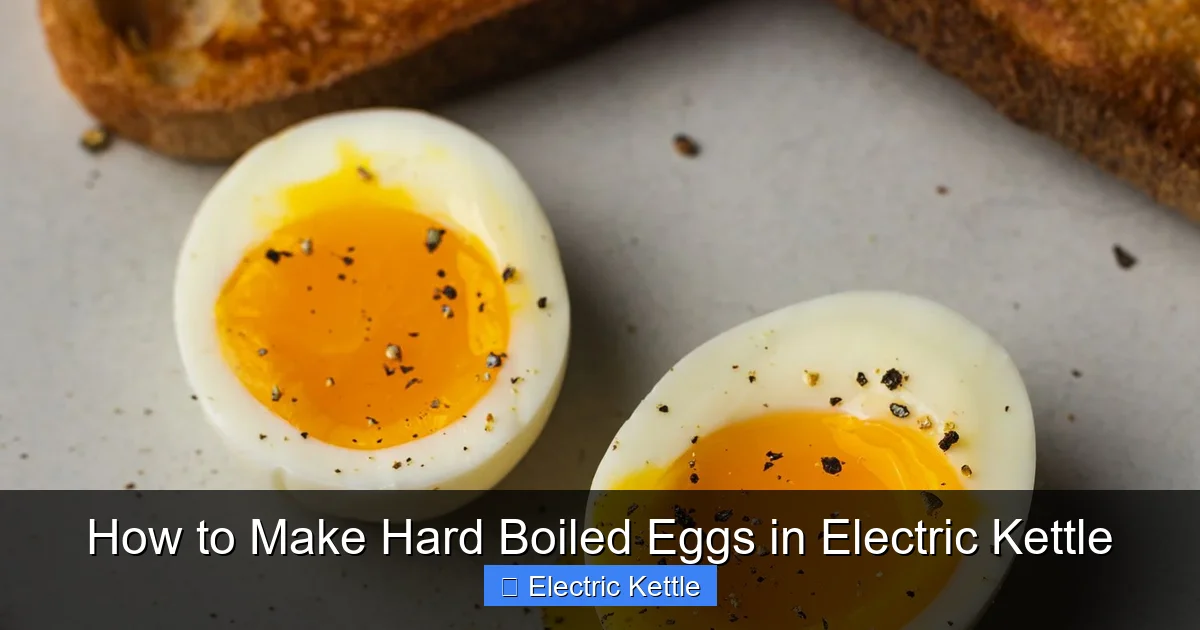
Visual guide about How to Make Hard Boiled Eggs in Electric Kettle
Image source: storables.com
Before you begin, gather your supplies. The beauty of this method is that it requires very little—just a few basic items you likely already have at home.
Essential Items
- Electric kettle: Any standard electric kettle will work, but models with a wide opening make it easier to add and remove eggs.
- Fresh eggs: Use eggs that are a few days old—they’re easier to peel than brand-new ones.
- Water: Cold tap water is fine. You’ll need enough to fully submerge the eggs.
- Tongs or a slotted spoon: For safely removing hot eggs from the kettle.
- Bowl of ice water (optional): To cool the eggs quickly and stop the cooking process.
Optional Add-ons
- Egg piercer: A small tool that makes a tiny hole in the shell to prevent cracking.
- Timer: Most kettles don’t have built-in timers, so use your phone or a kitchen timer.
- Silicone egg holder: Some people use these to keep eggs from knocking against the kettle walls.
Choosing the Right Eggs
Not all eggs are created equal when it comes to boiling. Fresh eggs (less than a week old) tend to stick to the shell, making them harder to peel. Eggs that are 7–10 days old peel more easily because the pH level changes over time, loosening the membrane from the shell. If you’re planning ahead, buy eggs a few days before you want to boil them.
Also, avoid using eggs with cracks or imperfections in the shell. Even a tiny crack can let water seep in, ruining the egg and potentially damaging your kettle.
Step-by-Step Guide to Boiling Eggs in an Electric Kettle
Now that you’ve got your supplies ready, let’s walk through the process step by step. This method is simple, but precision matters—especially when it comes to timing and safety.
Step 1: Prepare the Eggs
Start by gently placing your eggs into the kettle. Don’t drop them—lower them in carefully to avoid cracking. If you’re using an egg piercer, now’s the time to make a small hole in the wider end of each egg. This helps release air and reduces the chance of cracking during boiling.
Step 2: Add Water
Fill the kettle with cold water until the eggs are completely submerged. Leave about half an inch of space at the top to prevent boiling over. Never fill the kettle beyond its maximum fill line—this is crucial for safety.
Step 3: Boil the Water
Close the kettle lid and turn it on. Most electric kettles will automatically shut off once the water reaches boiling point (around 212°F or 100°C). This usually takes 3–5 minutes, depending on your kettle’s wattage and the amount of water.
Step 4: Let the Eggs Sit
Once the kettle shuts off, leave the eggs in the hot water for 8–10 minutes. This is where the magic happens—the residual heat continues cooking the eggs even after the boiling stops. For firmer yolks, go closer to 10 minutes. For slightly softer yolks, 8 minutes is plenty.
Step 5: Cool the Eggs
After the timer goes off, use tongs or a slotted spoon to transfer the eggs to a bowl of ice water. Let them sit for at least 5 minutes. This stops the cooking process and makes the eggs easier to peel. The rapid cooling also helps separate the egg white from the shell.
Step 6: Peel and Enjoy
Once cooled, gently tap the eggs on a hard surface to crack the shell, then roll them between your hands to loosen it. Peel under running water for an even smoother experience. Now you’ve got perfectly cooked hard boiled eggs ready to eat!
Tips for Perfect Hard Boiled Eggs Every Time
Even with the right method, small details can make a big difference in the final result. Here are some pro tips to ensure your eggs turn out just the way you like them.
Use Older Eggs
As mentioned earlier, eggs that are a week or so old peel more easily. If you only have fresh eggs, try adding a teaspoon of baking soda or vinegar to the water. This raises the pH and helps loosen the membrane, making peeling less frustrating.
Don’t Overcook
Overcooked eggs develop that unappetizing green ring around the yolk and can become rubbery. Stick to the 8–10 minute range after boiling. If you prefer softer yolks (like for deviled eggs), aim for 8 minutes. For fully set yolks, go for 10.
Prevent Cracking
Cracked eggs can leak into your kettle and create a mess. To avoid this, handle eggs gently and consider using an egg piercer. You can also start with room-temperature eggs instead of cold ones straight from the fridge—this reduces thermal shock.
Clean Your Kettle After Use
Egg residue can build up inside the kettle if not cleaned properly. After each use, rinse the interior with warm water and wipe it down. For stubborn stains, use a mild vinegar solution (1 part vinegar to 2 parts water), boil it, then rinse thoroughly.
Experiment with Timing
Everyone’s preference for egg doneness is different. Try boiling a few eggs for 8 minutes, then another batch for 10, and see which you prefer. Keep notes so you can replicate your favorite texture next time.
Use a Timer
It’s easy to lose track of time when you’re multitasking. Set a timer on your phone or use a kitchen timer to ensure you don’t overcook your eggs. Precision is key to perfect results.
Safety Considerations When Using an Electric Kettle
While making hard boiled eggs in an electric kettle is generally safe, there are a few important precautions to keep in mind.
Avoid Sealing the Lid During Boiling
Some people worry about steam buildup and try to seal the kettle tightly. Never do this. Electric kettles are designed with vents to release steam. Blocking these vents can cause pressure to build up, leading to potential hazards like lid ejection or damage to the appliance.
Don’t Overfill the Kettle
Always leave space at the top when adding water and eggs. Overfilling can cause boiling water to spill out, which is not only messy but also dangerous. Stick to the manufacturer’s recommended fill line.
Use Tongs or a Spoon to Remove Eggs
Eggs will be extremely hot after boiling. Never use your bare hands to retrieve them. Use tongs or a slotted spoon to avoid burns.
Check Your Kettle’s Capacity
Most standard electric kettles hold 1–1.7 liters of water. Don’t try to boil more eggs than your kettle can safely accommodate. Overloading can strain the heating element and increase the risk of cracking.
Unplug After Use
Always unplug the kettle once you’re done. This is a good general safety practice and prevents accidental activation.
Inspect for Damage
Before each use, check the kettle for cracks, loose parts, or frayed cords. Using a damaged appliance can be dangerous. If you notice any issues, stop using it and consider replacing it.
Common Mistakes to Avoid
Even experienced cooks can make mistakes when trying new methods. Here are some common pitfalls to watch out for when boiling eggs in an electric kettle.
Using Cold Eggs Straight from the Fridge
Cold eggs are more likely to crack when exposed to sudden heat. Let them sit at room temperature for 10–15 minutes before boiling, or use the egg piercer to reduce pressure.
Boiling Eggs for Too Long
Leaving eggs in the hot water too long can lead to overcooking. Stick to the 8–10 minute range after the water boils. If you’re unsure, start with 8 minutes and adjust next time.
Not Cooling Eggs Quickly
Skipping the ice bath can result in continued cooking, making yolks dry and rubbery. Always cool eggs in ice water for at least 5 minutes.
Peeling Eggs Too Soon
Trying to peel eggs while they’re still warm can tear the whites. Wait until they’re completely cool—this makes peeling much easier.
Ignoring Kettle Maintenance
Residue from eggs or hard water can build up over time. Clean your kettle regularly to maintain performance and prevent odors.
Using a Kettle Not Designed for This
Some kettles have narrow openings or heating elements that aren’t suitable for submerging eggs. If your kettle has a small opening or a coiled heating element at the bottom, it may not work well for this method. Opt for kettles with wide openings and flat heating bases.
Creative Ways to Use Your Hard Boiled Eggs
Once you’ve mastered the art of boiling eggs in your electric kettle, the fun doesn’t stop there. Hard boiled eggs are incredibly versatile and can be used in a variety of delicious dishes.
Classic Deviled Eggs
Halve the eggs, remove the yolks, and mix them with mayonnaise, mustard, and a pinch of paprika. Spoon the mixture back into the whites and garnish with herbs or bacon bits.
Egg Salad Sandwiches
Chop the eggs and mix with mayo, celery, onion, and a dash of salt and pepper. Serve on bread, crackers, or lettuce wraps for a quick lunch.
Protein-Packed Salads
Slice or chop hard boiled eggs and add them to green salads, pasta salads, or grain bowls. They add richness and help keep you full longer.
Breakfast on the Go
Keep a few peeled hard boiled eggs in the fridge for a quick, healthy breakfast. Sprinkle with salt, pepper, or everything bagel seasoning for extra flavor.
Egg and Avocado Toast
Mash avocado on whole-grain toast, top with sliced hard boiled egg, and drizzle with hot sauce or olive oil.
Snack Platter
Serve hard boiled eggs alongside cheese, nuts, fruit, and veggies for a balanced snack platter. Perfect for parties or solo munching.
Conclusion
Making hard boiled eggs in an electric kettle is a game-changer for anyone looking to simplify their cooking routine. It’s fast, easy, and requires minimal cleanup—perfect for busy lifestyles, small spaces, or situations where a stove isn’t available. With just a few simple steps and some basic safety precautions, you can enjoy perfectly cooked eggs anytime, anywhere.
This method isn’t just a clever hack—it’s a practical solution that saves time and energy. Whether you’re a student in a dorm, a traveler in a hotel, or just someone who wants to avoid the hassle of stovetop cooking, your electric kettle can do more than you think. So next time you’re craving a hard boiled egg, skip the pot and reach for your kettle instead. You might just discover your new favorite kitchen shortcut.
Remember, practice makes perfect. Don’t be discouraged if your first batch isn’t flawless. Adjust your timing, experiment with egg freshness, and keep your kettle clean. Before long, you’ll be boiling eggs like a pro—no stove required.
So go ahead, give it a try. Your future self (and your taste buds) will thank you.
Frequently Asked Questions
Can I really boil eggs in an electric kettle?
Yes, you can safely boil eggs in an electric kettle as long as you follow proper guidelines. Ensure the eggs are fully submerged, don’t overfill the kettle, and use tongs to remove them after cooking.
How long does it take to make hard boiled eggs in a kettle?
It takes about 10–15 minutes total: 3–5 minutes to boil the water and 8–10 minutes for the eggs to cook in the hot water after the kettle shuts off.
Will the eggs crack in the kettle?
Eggs may crack if handled roughly or if they’re very cold. To prevent this, use an egg piercer, let eggs come to room temperature, and lower them gently into the water.
Can I boil more than two eggs at once?
Yes, as long as they fit comfortably and are fully submerged without exceeding the kettle’s fill line. Avoid overcrowding to ensure even cooking.
Do I need to add anything to the water?
No, plain water is fine. Some people add vinegar or baking soda to make peeling easier, but it’s not required.
Is it safe to use my kettle for eggs regularly?
Yes, as long as you clean it thoroughly after each use. Rinse with water and occasionally descale with vinegar to prevent buildup.