Making khichdi in an electric kettle is a game-changer for busy individuals, students, or travelers who crave a hot, comforting meal without a stove. With just a few simple ingredients and your trusty electric kettle, you can whip up a nutritious, one-pot dish in under 30 minutes—no kitchen required.
Key Takeaways
- Electric kettles can cook more than just water: Many modern kettles have temperature control and keep-warm functions that make them suitable for slow-cooking dishes like khichdi.
- Khichdi is ideal for electric kettle cooking: Its one-pot nature, soft texture, and short cooking time align perfectly with the kettle’s capabilities.
- Use the right rice-to-lentil ratio: A 1:1 ratio of rice and lentils (like moong dal) ensures even cooking and prevents sticking or burning.
- Pre-soak ingredients for faster cooking: Soaking rice and lentils for 15–30 minutes reduces cooking time and improves texture.
- Add spices and aromatics after boiling: To avoid scorching, introduce turmeric, cumin, and ginger only after the water has boiled and ingredients are added.
- Stir gently and monitor closely: Electric kettles aren’t designed for constant stirring, so use a long spoon and check every 5–7 minutes to prevent sticking.
- Clean your kettle thoroughly afterward: Residual food particles can affect future boiling performance and taste, so rinse and descale regularly.
📑 Table of Contents
Why Make Khichdi in an Electric Kettle?
Imagine this: You’re in your dorm room, late at night, craving something warm and comforting. The cafeteria is closed, your mini-fridge is empty, and you don’t have access to a stove. But you do have an electric kettle—your go-to for instant noodles and tea. What if you could use it to make a wholesome, homemade meal instead?
That’s where khichdi comes in. This humble Indian comfort food—a savory blend of rice, lentils, and spices—is not only nutritious and easy to digest, but also surprisingly adaptable to unconventional cooking methods. And yes, your electric kettle can handle it.
Khichdi is traditionally cooked on a stovetop, simmered slowly until the grains and lentils break down into a soft, porridge-like consistency. But with a few smart tweaks, you can replicate that same creamy texture using just your kettle. It’s perfect for students, office workers, travelers, or anyone living in a space without a full kitchen. Plus, it’s a one-pot meal, which means minimal cleanup—something we can all appreciate.
The beauty of making khichdi in an electric kettle lies in its simplicity. You don’t need fancy equipment or advanced cooking skills. Just rice, lentils, water, and a handful of basic spices. The kettle does the heavy lifting, boiling the mixture until it’s tender and ready to eat. And because most modern electric kettles have automatic shut-off and keep-warm features, you don’t have to worry about overcooking or burning.
What You’ll Need: Ingredients and Equipment
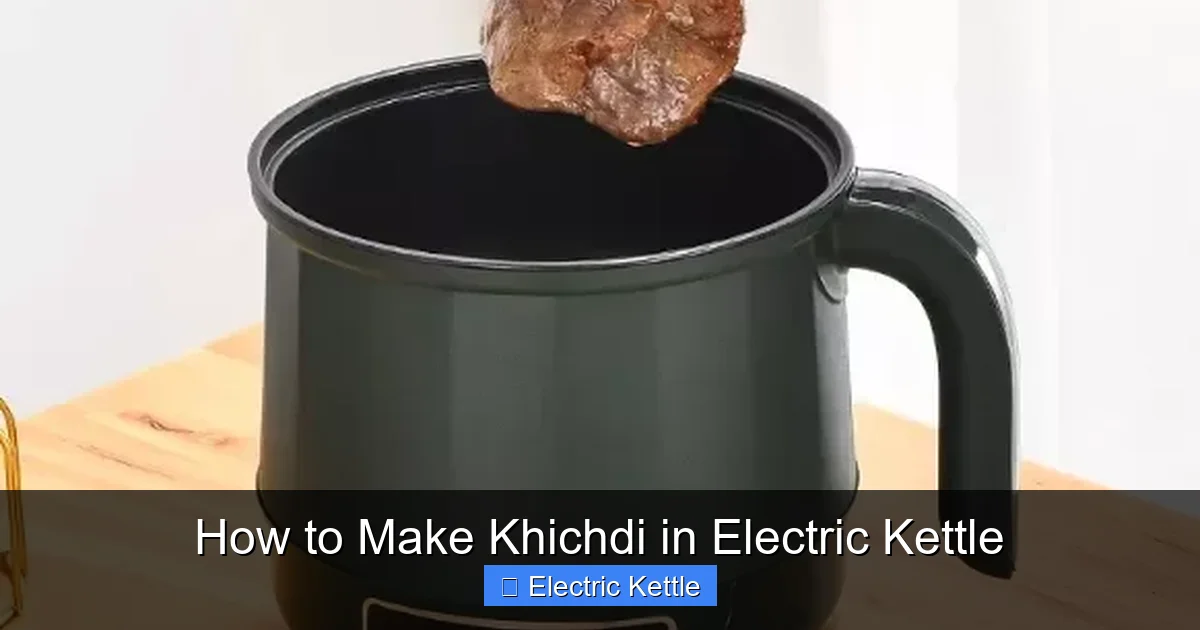
Visual guide about How to Make Khichdi in Electric Kettle
Image source: irrorwxhiqijjr5q.ldycdn.com
Before you start, let’s make sure you have everything you need. The good news? You probably already have most of these items at home.
Essential Ingredients
- 1/2 cup basmati rice or any short-grain rice: Basmati gives a fragrant, fluffy texture, but regular white rice works just fine.
- 1/2 cup split yellow moong dal (skinned): This lentil cooks quickly and blends well with rice. Avoid using whole lentils or red lentils, as they may become too mushy.
- 3–4 cups water: The amount depends on your kettle’s capacity and how thick you like your khichdi. Start with 3 cups and add more if needed.
- 1/2 teaspoon turmeric powder: Adds color and anti-inflammatory benefits.
- 1/2 teaspoon cumin seeds: For that classic earthy flavor.
- 1 small piece of ginger, finely chopped or grated: Adds warmth and aids digestion.
- 1/2 teaspoon salt: Adjust to taste.
- 1 tablespoon ghee or oil (optional): Enhances flavor and prevents sticking.
Optional Add-Ins for Flavor and Nutrition
- Chopped vegetables: Carrots, peas, or green beans can be added for extra nutrients. Just make sure they’re diced small so they cook evenly.
- Green chilies: For a spicy kick.
- Curry leaves: A few fresh leaves add an authentic South Indian touch.
- Chopped cilantro: For garnish and freshness.
Equipment Checklist
- Electric kettle with a capacity of at least 1 liter: Make sure it has a wide opening for easy stirring.
- Long-handled spoon or silicone spatula: Essential for stirring without burning your hand.
- Measuring cups and spoons: For accurate ingredient ratios.
- Small bowl for soaking: To pre-soak rice and lentils.
- Kitchen towel or oven mitt: To handle the hot kettle safely.
Step-by-Step Guide to Making Khichdi in an Electric Kettle
Now that you’re prepared, let’s walk through the process step by step. Don’t worry—it’s easier than it sounds.
Step 1: Soak the Rice and Lentils
Start by rinsing 1/2 cup of rice and 1/2 cup of moong dal under cold water until the water runs clear. This removes excess starch and prevents the khichdi from becoming too sticky. Then, place them in a bowl and cover with water. Let them soak for at least 15–30 minutes. Soaking softens the grains, reduces cooking time, and ensures even cooking in the kettle.
Step 2: Boil Water in the Kettle
While the rice and lentils are soaking, fill your electric kettle with 3 cups of water and turn it on. Let it come to a full boil. This step is crucial because adding ingredients to cold water can lead to uneven cooking and longer wait times.
Step 3: Add Ingredients to the Boiling Water
Once the water is boiling, carefully open the kettle lid. Add the soaked and drained rice and lentils. Stir gently to prevent clumping. Then, add turmeric, salt, and ginger. If you’re using ghee or oil, add it now—it helps prevent sticking and adds richness.
Step 4: Cook Until Tender
Close the kettle lid and let the mixture cook. Most electric kettles will automatically shut off after boiling, but some have a “keep warm” function that maintains a low temperature. If your kettle turns off, simply turn it back on after a minute or two. Stir every 5–7 minutes using a long spoon to prevent the khichdi from sticking to the bottom.
Cook for about 15–20 minutes, or until the rice and lentils are soft and the mixture has a porridge-like consistency. If the khichdi looks too thick, add a little hot water and stir. If it’s too watery, let it simmer a bit longer with the lid off to evaporate excess moisture.
Step 5: Temper the Spices (Optional but Recommended)
For an extra layer of flavor, you can temper the spices separately. Heat a teaspoon of ghee or oil in a small pan, add cumin seeds, and let them sizzle for 10–15 seconds. Pour this tempering over the cooked khichdi and stir gently. This step is optional but highly recommended for that authentic taste.
Step 6: Serve and Enjoy
Once the khichdi is cooked to your liking, turn off the kettle and let it sit for 2–3 minutes to cool slightly. Serve hot, garnished with chopped cilantro or a dollop of yogurt. It’s perfect on its own or paired with pickles, papad, or a side of veggies.
Tips for Perfect Khichdi Every Time
Even with a simple recipe, a few pro tips can make a big difference in the final result. Here’s how to ensure your electric kettle khichdi turns out creamy, flavorful, and never burnt.
Use the Right Kettle
Not all electric kettles are created equal. Look for one with a wide mouth and a flat bottom, which allows for better heat distribution and easier stirring. Kettles with temperature control settings (like those for green tea or coffee) are ideal because they let you maintain a gentle simmer instead of a rolling boil. Avoid kettles with narrow openings or non-stick coatings that can be damaged by frequent stirring.
Don’t Overfill the Kettle
Khichdi expands as it cooks, so leave at least 1–2 inches of space at the top to prevent boiling over. Overfilling can cause the mixture to spill into the heating element, leading to malfunctions or even safety hazards. A good rule of thumb is to never fill the kettle more than 3/4 full when cooking food.
Stir Gently but Regularly
Unlike a pot on the stove, an electric kettle doesn’t allow for constant stirring. However, you should still check and stir every 5–7 minutes to prevent the bottom layer from burning. Use a long-handled silicone spoon to avoid burns and reach the corners. If you notice any sticking, add a splash of hot water and stir vigorously.
Adjust Consistency to Your Preference
Khichdi can be made thick or thin, depending on your taste. For a soupier version, add more water during cooking. For a thicker, more porridge-like texture, let it simmer longer with the lid off. You can also mash the mixture slightly with the back of a spoon for a creamier consistency.
Experiment with Flavors
Once you’ve mastered the basic recipe, feel free to get creative. Add sautéed onions, garlic, or tomatoes for a richer base. Try different lentils like masoor dal or toor dal for variety. You can even make a vegan version by skipping the ghee and using coconut oil instead.
Safety Tips and Common Mistakes to Avoid
Cooking in an electric kettle is convenient, but it’s not without risks. Here are some important safety tips and common pitfalls to watch out for.
Avoid Using Metal Utensils
Many electric kettles have non-stick or coated interiors. Using metal spoons or whisks can scratch the surface, damaging the kettle and potentially contaminating your food. Stick to silicone, wood, or heat-resistant plastic utensils.
Don’t Leave It Unattended
While most kettles have auto shut-off, it’s still wise to stay nearby while cooking. Khichdi can bubble and foam, especially in the final stages, and may overflow if not monitored. If your kettle doesn’t have a keep-warm function, you’ll need to turn it back on periodically.
Clean Thoroughly After Use
Food residue can build up inside the kettle, affecting its performance and the taste of future brews. After making khichdi, rinse the kettle with warm water and a soft sponge. For stubborn stains, use a mixture of vinegar and water (1:1 ratio) and let it sit for 15 minutes before rinsing. Never submerge the kettle in water—only the interior should be cleaned.
Don’t Use the Kettle for Both Food and Beverages
If you use your kettle for cooking, consider dedicating it solely to food prep. Residual flavors from khichdi can transfer to your tea or coffee, creating unpleasant tastes. If you must use the same kettle, clean it thoroughly between uses and run a few cycles with just water to flush out any lingering odors.
Nutritional Benefits of Khichdi
Khichdi isn’t just convenient—it’s also incredibly nutritious. This humble dish packs a powerful punch of protein, fiber, and essential vitamins.
High in Plant-Based Protein
The combination of rice and lentils creates a complete protein, meaning it contains all nine essential amino acids. This makes khichdi an excellent meal for vegetarians, vegans, or anyone looking to reduce meat consumption.
Easy to Digest
Khichdi is often recommended during illness or recovery because it’s gentle on the stomach. The soft, cooked grains are easy to chew and digest, making it ideal for people with digestive issues or those following a bland diet.
Rich in Fiber and Complex Carbs
Lentils are a great source of dietary fiber, which supports gut health and helps regulate blood sugar. The complex carbohydrates in rice provide sustained energy, making khichdi a satisfying meal that keeps you full for hours.
Packed with Vitamins and Minerals
Turmeric adds curcumin, a compound with anti-inflammatory and antioxidant properties. Ginger aids digestion and boosts immunity. Together, these ingredients turn a simple dish into a wellness powerhouse.
Variations and Serving Suggestions
One of the best things about khichdi is its versatility. Here are a few ways to customize your electric kettle version.
Veggie-Packed Khichdi
Add finely chopped carrots, peas, and green beans to the boiling water along with the rice and lentils. These vegetables cook quickly and add color, crunch, and nutrients.
Spicy Khichdi
Include a chopped green chili or a pinch of red chili powder for heat. You can also add black pepper or garam masala at the end for extra warmth.
Creamy Coconut Khichdi
Replace half the water with coconut milk for a rich, creamy texture. This version is especially comforting on cold days.
Khichdi with Yogurt and Pickle
Serve your khichdi with a side of plain yogurt and a spoonful of mango or lime pickle. The tangy contrast enhances the flavors and adds probiotics.
Conclusion
Making khichdi in an electric kettle is a smart, simple, and satisfying way to enjoy a homemade meal without a stove. Whether you’re a student in a dorm, a busy professional in an office, or just someone looking for a quick and healthy dinner, this method delivers comfort and nutrition in minutes.
With the right ingredients, a little patience, and some basic safety precautions, you can turn your electric kettle into a mini kitchen. The result? A warm, creamy, and flavorful dish that proves you don’t need a full kitchen to eat well.
So next time you’re craving something hearty and homemade, skip the instant noodles and try khichdi instead. Your taste buds—and your body—will thank you.
Frequently Asked Questions
Can I really cook food in an electric kettle?
Yes, many people use electric kettles to cook simple meals like khichdi, oatmeal, or instant noodles. As long as you follow safety guidelines and clean the kettle properly, it’s a safe and convenient option.
Will making khichdi damage my electric kettle?
Not if you use it correctly. Avoid overfilling, use non-metal utensils, and clean the kettle thoroughly after each use. Over time, food residue can affect performance, so regular descaling is important.
What if my khichdi sticks to the bottom?
This usually happens if the kettle gets too hot or isn’t stirred enough. Add a splash of hot water and stir gently. Using ghee or oil can also help prevent sticking.
Can I use brown rice or quinoa instead of white rice?
Yes, but they take longer to cook. Pre-soak them for at least an hour and increase the water and cooking time accordingly. You may need to add water in stages.
Is khichdi healthy?
Absolutely. It’s rich in protein, fiber, and essential nutrients. It’s also easy to digest and can be customized with vegetables and spices for added health benefits.
Can I make khichdi in a plastic electric kettle?
It’s not recommended. Plastic kettles can release harmful chemicals when heated with food. Stick to stainless steel or glass kettles for safe cooking.