Making milk tea in an electric kettle is a fast, convenient way to enjoy a creamy, comforting drink without using a stove. With just a few simple ingredients and the right technique, you can brew rich, flavorful milk tea in under 10 minutes—perfect for busy mornings or cozy evenings.
If you’ve ever craved a warm, creamy cup of milk tea but didn’t want to wait for the kettle to boil on the stove, you’re in the right place. Making milk tea in an electric kettle is not only possible—it’s surprisingly simple, fast, and effective. Whether you’re a student rushing between classes, a remote worker needing a mid-afternoon pick-me-up, or just someone who loves a good cup of chai, this method saves time and effort without sacrificing flavor.
Electric kettles are designed to heat water quickly and efficiently, making them ideal for brewing tea. But when it comes to milk tea, many people hesitate, worried about scalding milk, damaging the kettle, or ending up with a weak, watery drink. The truth is, with the right approach, you can make rich, satisfying milk tea using just your electric kettle and a few basic ingredients. No stove, no mess, no hassle.
In this guide, we’ll walk you through everything you need to know—from choosing the best tea and milk to mastering the brewing process and keeping your kettle in top condition. You’ll learn how to avoid common pitfalls, customize your drink to your taste, and even explore creative flavor variations. By the end, you’ll be sipping on a perfectly brewed cup of milk tea made entirely in your electric kettle.
Key Takeaways
- Use the right tea: Black tea like Assam or Ceylon works best for bold flavor and proper steeping in hot water.
- Choose your milk wisely: Whole milk gives the creamiest texture, but plant-based options like oat or almond milk also work well.
- Control the temperature: Avoid boiling milk directly in the kettle to prevent scalding and damage to the appliance.
- Add sweetener after brewing: Sugar, honey, or condensed milk should be stirred in after the tea is ready to dissolve properly.
- Clean your kettle regularly: Milk residue can build up, so rinse and descale your electric kettle often to maintain performance.
- Experiment with flavors: Try adding cinnamon, cardamom, or vanilla for a unique twist on classic milk tea.
- Safety first: Never overfill the kettle, and always use heat-resistant containers when handling hot liquids.
📑 Table of Contents
Why Make Milk Tea in an Electric Kettle?
Using an electric kettle to make milk tea offers several advantages over traditional stovetop methods. First and foremost, it’s incredibly convenient. Electric kettles heat water in under five minutes, often with automatic shut-off features that prevent overheating. This means you can have hot water ready in a fraction of the time it takes to boil a pot on the stove.
Another benefit is precision. Most modern electric kettles allow you to set specific temperatures, which is especially helpful when brewing delicate teas. While milk tea typically uses black tea—which tolerates boiling water well—having control over the heat ensures you don’t over-steep or burn the leaves. Plus, electric kettles are compact and portable, making them perfect for dorm rooms, offices, or small kitchens where space is limited.
But perhaps the biggest advantage is consistency. Electric kettles heat water evenly and quickly, reducing the risk of hot spots or uneven brewing. This leads to a smoother, more balanced cup of tea every time. And because the process is so streamlined, you’re more likely to make milk tea regularly—turning a simple drink into a comforting daily ritual.
Speed and Efficiency
Let’s face it—life gets busy. Between work, school, and family responsibilities, who has time to stand over a stove waiting for water to boil? With an electric kettle, you can have hot water ready in minutes. Simply fill the kettle, press a button, and walk away. Many models even have keep-warm functions that maintain the temperature for up to an hour, so your water stays hot while you prepare your tea.
This speed is especially useful when making milk tea, which requires both hot water and milk. Instead of juggling multiple pots and timers, you can heat the water in the kettle, steep the tea, and mix in the milk—all in one streamlined process. It’s perfect for those mornings when you need caffeine fast or evenings when you just want to unwind with a warm drink.
Space-Saving and Portable
Not everyone has a full kitchen setup. Students in dorms, travelers in hotel rooms, or remote workers in small apartments often rely on compact appliances. Electric kettles take up minimal counter space and can be stored easily when not in use. Some models are even cordless, allowing you to pour directly from the kettle without needing to plug it in each time.
This portability makes it easy to enjoy homemade milk tea anywhere. Whether you’re studying in a library, working from a café, or staying in a rental, you can bring your kettle and ingredients along for a taste of comfort on the go.
Energy Efficiency
Electric kettles are also more energy-efficient than stovetops. They heat water directly and quickly, using less electricity than boiling a large pot on a gas or electric burner. This not only saves energy but also reduces your utility bill over time. Plus, because they heat water so fast, you’re less likely to leave the stove on longer than necessary—another win for efficiency.
Choosing the Right Ingredients
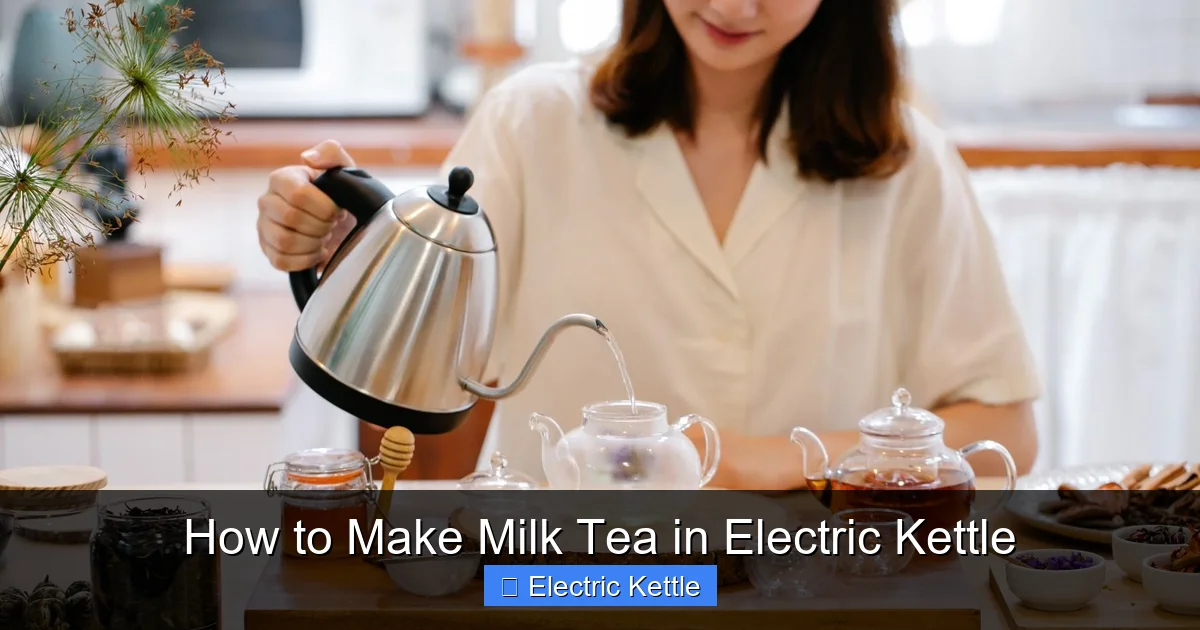
Visual guide about How to Make Milk Tea in Electric Kettle
Image source: storables.com
The secret to great milk tea starts with high-quality ingredients. While it’s tempting to use whatever’s on hand, a few smart choices can make a big difference in flavor and texture.
Best Tea for Milk Tea
Black tea is the foundation of most milk tea recipes. It has a robust flavor that stands up well to milk and sweeteners, and it brews quickly in hot water. Some of the best options include:
– **Assam tea:** Grown in India, Assam has a bold, malty flavor that’s perfect for milk tea. It’s often used in traditional chai blends.
– **Ceylon tea:** From Sri Lanka, Ceylon tea is bright and citrusy, offering a slightly lighter profile that still pairs beautifully with milk.
– **Earl Grey:** If you enjoy floral notes, Earl Grey adds a fragrant twist with its bergamot oil. It’s a great choice for those who like a hint of elegance in their tea.
– **English Breakfast:** A classic blend that’s balanced and full-bodied, ideal for a hearty cup of milk tea.
Loose-leaf tea generally offers better flavor than tea bags, but high-quality tea bags work well too—especially for convenience. Just make sure to choose bags made from natural materials (like cotton or silk) rather than plastic, which can affect taste.
Milk Options
The type of milk you use will influence the creaminess and richness of your tea. Here are some popular choices:
– **Whole milk:** Provides the creamiest texture and richest flavor. It’s the traditional choice for classic milk tea.
– **2% or skim milk:** Lower in fat but still effective. They’ll give you a lighter drink without sacrificing too much creaminess.
– **Oat milk:** A favorite among plant-based drinkers, oat milk is naturally sweet and creamy. It blends well with tea and adds a subtle oat flavor.
– **Almond milk:** Light and nutty, almond milk works well if you prefer a dairy-free option. Just note that it may separate if the tea is too hot.
– **Coconut milk:** Adds a tropical twist and extra richness. Great for those who enjoy a hint of coconut in their drinks.
– **Condensed milk:** Often used in Vietnamese-style milk tea, condensed milk adds both sweetness and creaminess in one step.
When using plant-based milks, look for unsweetened versions to control the sugar content. Also, avoid ultra-pasteurized or long-life milks, as they can curdle when mixed with very hot liquids.
Sweeteners and Flavor Enhancers
Sweetness is a personal preference, but it plays a key role in balancing the strong flavor of black tea. Common options include:
– **Sugar:** Granulated sugar dissolves easily in hot tea and provides a clean sweetness.
– **Honey:** Adds a natural, floral sweetness. It’s best stirred in after the tea has cooled slightly to preserve its nutrients.
– **Maple syrup:** Offers a rich, caramel-like flavor that pairs well with spiced teas.
– **Condensed milk:** As mentioned, this is a popular choice in many Asian milk tea recipes. It’s thick, sweet, and creamy—perfect for a one-step sweetener and milk combo.
– **Stevia or monk fruit:** Ideal for those watching their sugar intake. These natural sweeteners are much sweeter than sugar, so use sparingly.
For extra flavor, consider adding spices like cinnamon, cardamom, or ginger. A pinch of vanilla extract can also enhance the aroma and depth of your tea. These additions are especially common in masala chai, a spiced Indian milk tea that’s beloved around the world.
Step-by-Step Guide to Making Milk Tea in an Electric Kettle
Now that you’ve gathered your ingredients, it’s time to brew. Follow these simple steps to make delicious milk tea using just your electric kettle.
Step 1: Boil the Water
Start by filling your electric kettle with fresh, cold water. Use filtered water if possible—it tastes cleaner and enhances the tea’s flavor. Don’t overfill; leave at least an inch of space below the maximum line to prevent overflow when boiling.
Turn on the kettle and let it heat the water to a rolling boil. Most black teas require water around 200–212°F (93–100°C), which is what a standard electric kettle will reach. If your kettle has temperature settings, select “boil” or “black tea.”
Step 2: Steep the Tea
Once the water is boiling, pour it into a heat-resistant mug or teapot. Add your tea—either a tea bag or 1–2 teaspoons of loose-leaf tea per cup. Let it steep for 3–5 minutes, depending on how strong you like your tea. Longer steeping brings out more flavor, but be careful not to overdo it, as it can make the tea bitter.
If you’re using loose-leaf tea, consider using a tea infuser or strainer to make removal easier. Some people prefer to steep the tea directly in the kettle, but this is not recommended—milk residue can stick to the heating element and damage the appliance over time.
Step 3: Add Milk and Sweetener
After steeping, remove the tea bag or strain out the leaves. Now it’s time to add the milk. Pour in your preferred amount—start with 2–3 tablespoons per cup and adjust to taste. Stir gently to combine.
Next, add your sweetener. If using sugar, honey, or syrup, stir until fully dissolved. If using condensed milk, mix it in thoroughly to ensure even sweetness and creaminess.
Step 4: Serve and Enjoy
Your milk tea is ready! Serve it hot in a favorite mug, and consider adding a cinnamon stick or lemon slice for garnish. If you prefer iced milk tea, let the brewed tea cool, then pour it over ice and add cold milk and sweetener.
Pro Tips for Best Results
– **Pre-warm your mug:** Pour a little hot water into your mug, swirl it around, and discard before adding the tea. This helps maintain the temperature.
– **Don’t boil milk in the kettle:** While it’s tempting to heat milk directly in the electric kettle, this can scorch the milk and damage the heating element. Always heat water first, then add milk afterward.
– **Adjust ratios to taste:** Everyone’s preference is different. Start with a 1:3 tea-to-milk ratio and tweak from there.
– **Use a thermometer:** If you’re concerned about temperature, use a food thermometer to ensure the water isn’t too hot for your milk (especially with plant-based options).
Creative Variations and Flavor Ideas
Once you’ve mastered the basics, it’s time to get creative. Milk tea is incredibly versatile, and small changes can transform it into a completely new drink.
Spiced Chai (Masala Chai)
Add a teaspoon of ground spices—like cinnamon, cardamom, ginger, and cloves—to your tea while it steeps. You can also use pre-made chai spice blends. For an authentic touch, simmer the spices in water for a few minutes before adding the tea, but since we’re using an electric kettle, simply steep them together with the tea leaves.
Vanilla Milk Tea
Stir in ¼ teaspoon of pure vanilla extract after brewing. The warm, sweet aroma complements the tea beautifully and adds a comforting depth.
Honey Lavender Tea
Add a pinch of dried culinary lavender to your tea while steeping, then sweeten with honey. This floral variation is soothing and perfect for evening relaxation.
Coconut Milk Tea
Replace regular milk with coconut milk for a tropical twist. It’s rich, creamy, and pairs wonderfully with a touch of brown sugar or maple syrup.
Iced Milk Tea
Brew your tea as usual, then let it cool to room temperature. Pour over ice, add cold milk and sweetener, and stir. For extra flair, blend with ice for a frothy, slushy-style drink.
Brown Sugar Milk Tea (Boba-Style)
Make a simple brown sugar syrup by dissolving brown sugar in hot water. Stir it into your tea, then add milk. For the full boba experience, add tapioca pearls (cooked separately) to the bottom of your glass.
Cleaning and Maintaining Your Electric Kettle
Keeping your electric kettle clean is essential for both performance and taste. Milk residue, tea stains, and mineral buildup can affect the flavor of your drinks and reduce the kettle’s lifespan.
Daily Cleaning
After each use, rinse the kettle with warm water. If you’ve used milk or sweeteners, wipe the interior with a soft cloth to remove any residue. Never submerge the kettle in water—only the removable parts (like the lid or filter) should be washed.
Deep Cleaning and Descaling
Over time, limescale can build up, especially if you use hard water. To descale, fill the kettle halfway with equal parts water and white vinegar. Let it sit for 30 minutes, then boil the solution. Discard the liquid, rinse thoroughly, and boil fresh water once or twice to remove any vinegar taste.
For milk residue, mix a solution of warm water and baking soda. Swish it around the kettle, let it sit for 15 minutes, then rinse well. Avoid using abrasive scrubbers, as they can scratch the interior.
Preventing Odors and Stains
To keep your kettle smelling fresh, occasionally boil a mixture of water and lemon slices. The citric acid helps break down buildup and leaves a clean scent. Also, avoid leaving tea or milk in the kettle for long periods—always empty and rinse after use.
Safety Tips and Common Mistakes to Avoid
While making milk tea in an electric kettle is safe when done correctly, there are a few precautions to keep in mind.
Never Boil Milk in the Kettle
This is the most important rule. Milk can scorch, foam over, and stick to the heating element, damaging the kettle and creating a fire hazard. Always heat water first, then add milk after brewing.
Don’t Overfill
Leaving space at the top prevents boiling water from spilling out, which can damage the kettle or cause burns. Follow the manufacturer’s guidelines for maximum fill levels.
Use Heat-Resistant Containers
When pouring hot water, make sure your mug or teapot can handle high temperatures. Glass, ceramic, and stainless steel are safe choices. Avoid plastic containers, which can warp or leach chemicals.
Avoid Metal Objects in the Kettle
Never put spoons, infusers, or other metal objects inside the kettle while it’s heating. This can damage the interior and pose a safety risk.
Unplug When Not in Use
Even with automatic shut-off, it’s best to unplug the kettle when you’re done. This saves energy and reduces the risk of electrical issues.
Conclusion
Making milk tea in an electric kettle is a simple, efficient, and delicious way to enjoy one of the world’s most beloved beverages. With the right ingredients, a few easy steps, and a little creativity, you can brew a creamy, satisfying cup in minutes—no stove required.
Whether you prefer classic black tea with milk, spiced chai, or a modern twist like coconut or brown sugar milk tea, your electric kettle is the perfect tool for the job. Just remember to avoid boiling milk directly in the appliance, clean it regularly, and experiment to find your ideal flavor balance.
So the next time you’re craving a warm, comforting drink, skip the stove and reach for your electric kettle. In just a few minutes, you’ll be sipping on a perfectly brewed cup of milk tea—made exactly the way you like it.
Frequently Asked Questions
Can I boil milk directly in an electric kettle?
No, you should never boil milk directly in an electric kettle. Milk can scorch, foam over, and damage the heating element. Always heat water first, then add milk after brewing.
What kind of tea is best for milk tea?
Black teas like Assam, Ceylon, or English Breakfast work best. They have strong flavors that pair well with milk and sweeteners.
Can I use plant-based milk in my electric kettle?
Yes, but avoid heating plant-based milk in the kettle. Use oat, almond, or coconut milk after brewing to prevent curdling and damage.
How do I clean my electric kettle after making milk tea?
Rinse it immediately after use, and deep clean weekly with a vinegar or baking soda solution to remove residue and limescale.
Can I make iced milk tea with an electric kettle?
Absolutely! Brew the tea hot, let it cool, then pour over ice and add cold milk and sweetener for a refreshing iced drink.
Is it safe to steep tea directly in the electric kettle?
It’s not recommended. Tea leaves and residue can stick to the heating element. Use a mug or teapot instead for safer, easier cleaning.