Making pasta in an electric kettle is a clever, time-saving hack ideal for students, travelers, or anyone without a stove. With just water, pasta, and a few simple steps, you can enjoy a hot, satisfying meal in under 20 minutes—no kitchen required.
Key Takeaways
- Electric kettles can cook pasta safely: Most modern kettles have enough power and capacity to boil water and soften pasta, especially smaller shapes like penne or macaroni.
- Choose the right pasta type: Small, quick-cooking pasta works best—avoid long strands like spaghetti unless broken into pieces.
- Use proper water-to-pasta ratio: Aim for at least 4–6 cups of water per 100g of pasta to prevent sticking and ensure even cooking.
- Stir occasionally to prevent clumping: Even in a kettle, pasta can stick together if not stirred gently during cooking.
- Add salt and oil wisely: Salt enhances flavor; a teaspoon of oil reduces foaming and sticking, but use sparingly.
- Drain carefully using the kettle’s spout: Tilt slowly and use a lid or strainer to avoid burns and spills.
- Clean your kettle immediately after use: Residual starch and food particles can build up and affect future boiling performance.
📑 Table of Contents
- Introduction: The Surprising Power of Your Electric Kettle
- Why Make Pasta in an Electric Kettle?
- Choosing the Right Electric Kettle and Pasta
- Step-by-Step Guide to Making Pasta in an Electric Kettle
- Safety Tips and Common Mistakes to Avoid
- Creative Variations and Serving Ideas
- Cleaning and Maintaining Your Electric Kettle
- Conclusion: A Simple Hack with Big Rewards
Introduction: The Surprising Power of Your Electric Kettle
You’ve probably used your electric kettle to brew tea, make instant coffee, or heat water for oatmeal. But have you ever thought about cooking pasta in it? It might sound unconventional—even a little strange—but making pasta in an electric kettle is not only possible, it’s surprisingly effective. Whether you’re a college student living in a dorm room, a busy professional in a tiny office, or a traveler staying in a hotel with no kitchen, this method offers a fast, convenient way to enjoy a hot, homemade meal without a stove.
The idea isn’t new, but it’s gaining popularity thanks to its simplicity and accessibility. Electric kettles are designed to boil water quickly and efficiently, and since pasta only needs boiling water to cook, the two are a natural match. With a few smart techniques and safety precautions, you can transform your kettle into a mini-cooking station. No fancy equipment, no complicated steps—just water, pasta, and a little patience.
Why Make Pasta in an Electric Kettle?
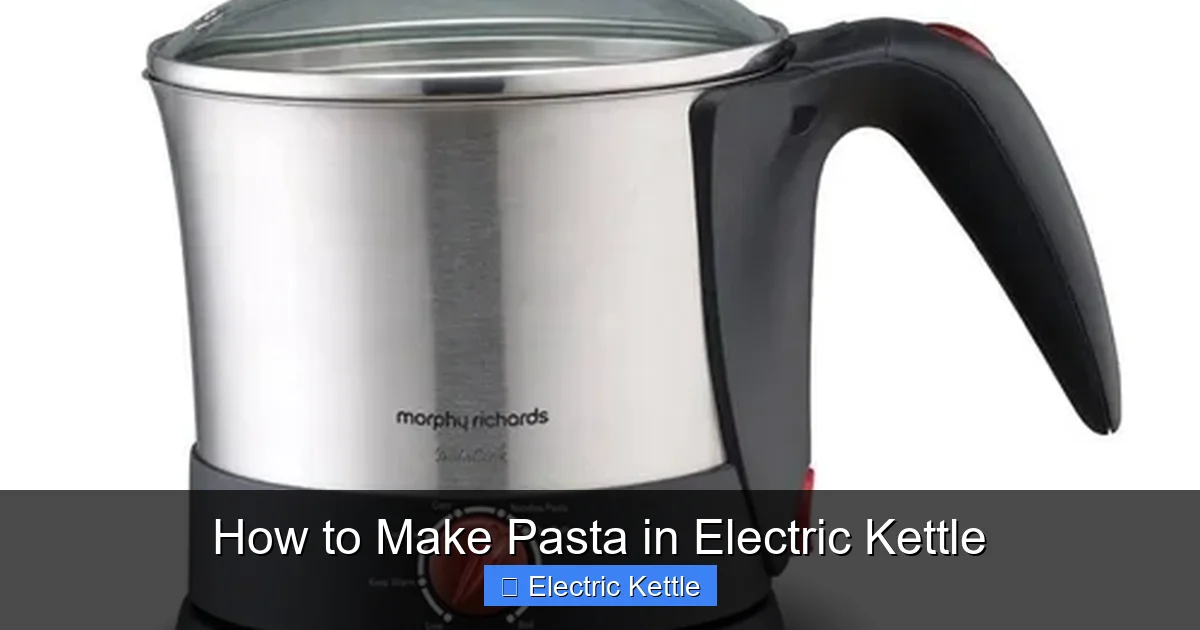
Visual guide about How to Make Pasta in Electric Kettle
Image source: 5.imimg.com
So why would anyone choose to cook pasta in an electric kettle when stovetops and microwaves exist? The answer lies in convenience, portability, and resourcefulness. Not everyone has access to a full kitchen. Students in dorms often face strict rules against hot plates or open flames. Office workers might not have a microwave nearby. Travelers staying in budget hotels may find themselves with nothing but a mini-fridge and a kettle. In these situations, the electric kettle becomes a lifeline for hot meals.
Beyond accessibility, there’s also the matter of speed and efficiency. Electric kettles heat water faster than most stovetops, especially induction or gas burners. A typical kettle can bring a liter of water to a boil in 3–5 minutes. That means your pasta can start cooking almost immediately after you add it. Plus, kettles are compact and energy-efficient, using less power than an oven or stovetop burner. For anyone looking to save time, energy, or space, this method is a game-changer.
Another benefit is cleanliness. Cooking on a stovetop often means dealing with splatters, sticky pots, and scrubbing burnt-on starch. With an electric kettle, cleanup is minimal—just rinse it out after use. There’s no pot to wash, no burner to wipe down. And because the kettle is sealed during boiling, there’s less chance of mess or overflow, especially if you use the right amount of water.
Choosing the Right Electric Kettle and Pasta
Not all electric kettles are created equal, and not all pasta types will work well in this method. To get the best results, you’ll need to match your kettle’s capabilities with the right kind of pasta.
Electric Kettle Requirements
First, make sure your kettle is suitable for cooking. Most standard electric kettles with a capacity of 1 to 1.7 liters will work, but there are a few things to check:
– **Wattage:** Look for a kettle with at least 1500 watts. Higher wattage means faster boiling, which is essential for cooking pasta evenly.
– **Material:** Stainless steel or BPA-free plastic interiors are best. Avoid kettles with non-stick coatings, as they can degrade when exposed to starchy water.
– **Lid Design:** A kettle with a wide opening or removable lid makes it easier to add pasta and stir.
– **Auto Shut-Off:** This safety feature prevents overheating, but you’ll need to monitor the cooking process manually since most kettles don’t have a “cooking” mode.
Avoid using kettles with built-in filters or complex internal mechanisms, as pasta can clog them. Also, never use a kettle that’s designed solely for heating water—some models aren’t built to handle food particles.
Best Types of Pasta for Kettle Cooking
When it comes to pasta, size and shape matter. Small, sturdy shapes cook faster and are less likely to stick together. Here are the top choices:
– **Penne:** Short, tube-shaped pasta that holds up well in boiling water. The ridges help sauce cling later.
– **Macaroni:** Classic elbow macaroni is ideal—small, quick-cooking, and widely available.
– **Fusilli:** The spiral shape adds texture and cooks evenly.
– **Orzo:** Resembles rice but is actually pasta. It cooks in just 8–10 minutes.
– **Small Shells:** Perfect for absorbing flavors and fitting easily into the kettle.
Avoid long, thin pasta like spaghetti, linguine, or fettuccine unless you break them into 2–3 inch pieces. These can tangle and block the spout when draining. Fresh pasta is also not recommended—it cooks too quickly and can turn mushy in a kettle.
As a general rule, use about 100 grams (3.5 ounces) of dry pasta per serving. This amount fits comfortably in most kettles without overcrowding.
Step-by-Step Guide to Making Pasta in an Electric Kettle
Now that you’ve got the right tools, let’s walk through the process. This method is simple, but attention to detail ensures great results.
Step 1: Fill the Kettle with Water
Start by filling your electric kettle with clean, cold water. Use at least 4 cups (1 liter) for every 100 grams of pasta. More water is better—it prevents the pasta from sticking and ensures even cooking. Don’t fill past the maximum line; boiling water expands, and you don’t want overflow.
Pro tip: Use filtered or bottled water if your tap water has a strong taste or odor. This improves the flavor of your pasta.
Step 2: Add Salt and Oil (Optional)
Once the water is in, add 1 teaspoon of salt. This seasons the pasta from the inside out, just like traditional cooking. You can also add 1 teaspoon of olive oil or vegetable oil. While not essential, oil helps reduce foaming and prevents the pasta from sticking together.
Avoid adding butter or heavy oils—they can leave a greasy residue in your kettle and are harder to clean.
Step 3: Boil the Water
Plug in your kettle and turn it on. Most kettles will automatically shut off when the water reaches boiling point (around 212°F or 100°C). Wait for the kettle to click off—this ensures the water is fully boiling before you add the pasta.
Never add pasta to cold or lukewarm water. Starting with boiling water is crucial for proper texture.
Step 4: Add the Pasta
Carefully open the kettle lid and add your dry pasta. Stir gently with a long-handled spoon or chopsticks to separate the pieces and prevent clumping. Close the lid as much as possible to retain heat, but leave a small gap for steam to escape—this prevents pressure buildup.
If your kettle doesn’t have a lid that stays open, use a heat-resistant utensil to prop it slightly.
Step 5: Cook the Pasta
Now comes the tricky part: cooking without a stovetop. Since most kettles don’t have a “keep warm” function that maintains a rolling boil, you’ll need to reheat the water periodically.
After adding the pasta, the water temperature will drop. Wait 2–3 minutes, then turn the kettle back on to bring the water to a boil again. Repeat this process every 3–4 minutes until the pasta is al dente. Total cooking time is usually 8–12 minutes, depending on the pasta type.
Stir the pasta gently every time you reheat to prevent sticking. If you notice foam building up, reduce the heat slightly or tilt the kettle to let steam escape.
Step 6: Test for Doneness
To check if the pasta is ready, remove a piece with a fork or spoon and taste it. It should be tender but still have a slight bite—this is called “al dente.” If it’s too hard, continue cooking and reheating in short bursts.
Avoid overcooking. Pasta continues to soften even after draining, so it’s better to err on the side of slightly underdone.
Step 7: Drain the Pasta
Once the pasta is cooked, it’s time to drain. This is where caution is key—hot water and steam can cause burns.
Place a heat-resistant bowl or plate under the kettle’s spout. Slowly tilt the kettle to pour out the water. Use the lid or a fine-mesh strainer to catch the pasta and prevent it from spilling out.
If your kettle has a built-in filter, make sure it’s clear of debris. For extra safety, wear oven mitts or use a towel to handle the hot kettle.
Step 8: Serve and Enjoy
Transfer the drained pasta to a bowl. At this point, you can add your favorite sauce—marinara, pesto, or even a simple mix of olive oil, garlic, and Parmesan. Toss well to coat.
For a complete meal, consider adding pre-cooked proteins like canned tuna, boiled eggs, or leftover chicken. Vegetables like cherry tomatoes, spinach, or roasted peppers can be stirred in for extra nutrition.
Safety Tips and Common Mistakes to Avoid
While making pasta in an electric kettle is generally safe, there are a few risks to watch out for. A little caution goes a long way.
Preventing Overflows and Burns
Boiling starchy water can foam up quickly, especially if you add oil. This foam can overflow from the spout, causing burns or damaging the kettle’s electrical components. To prevent this:
– Use plenty of water to dilute the starch.
– Add oil sparingly—just 1 teaspoon is enough.
– Leave the lid slightly open during cooking to release steam.
– Avoid overfilling the kettle.
Always handle the kettle with dry hands and keep the cord away from water. Never submerge the base in water—only the interior should be rinsed.
Avoiding Kettle Damage
Pasta residue can build up inside the kettle, leading to odors, discoloration, or even malfunctions. To protect your appliance:
– Clean the kettle immediately after use. Rinse it with warm water and wipe the interior with a soft cloth.
– For stubborn starch, soak the kettle in a mixture of water and white vinegar (1:1 ratio) for 30 minutes, then rinse thoroughly.
– Never use abrasive scrubbers or steel wool—they can scratch the surface.
If your kettle has a heating element exposed at the bottom, be extra careful not to let pasta stick to it. Stuck-on food can burn and create unpleasant smells.
Don’t Use the Kettle for Other Purposes Immediately
After cooking pasta, avoid using the kettle for tea or coffee right away. Residual starch or oil can affect the taste of your beverages. Always clean the kettle thoroughly before switching back to water-only use.
Creative Variations and Serving Ideas
Once you’ve mastered the basics, you can get creative with flavors and ingredients. The electric kettle method is versatile—perfect for quick meals, snacks, or even gourmet-inspired dishes.
Flavorful Broth Pasta
Instead of plain water, use broth or stock to cook your pasta. Vegetable, chicken, or beef broth adds depth and richness. Just make sure it’s low in fat to avoid excessive foaming.
One-Pot Pasta Meals
Add shelf-stable ingredients directly to the kettle before cooking. For example:
– Canned diced tomatoes and garlic for a quick marinara base.
– Dried mushrooms and herbs for an earthy flavor.
– Pre-cooked lentils or chickpeas for protein.
Stir these in after draining, or add them during the last few minutes of cooking if they’re soft enough.
Cold Pasta Salads
Cook the pasta as usual, then rinse it under cold water to stop the cooking process. Toss with olive oil, lemon juice, chopped vegetables, and feta cheese for a refreshing cold salad.
Kid-Friendly Meals
Make mac and cheese by cooking macaroni in the kettle, then stirring in shredded cheese and a splash of milk after draining. The residual heat will melt the cheese into a creamy sauce.
Cleaning and Maintaining Your Electric Kettle
Proper maintenance ensures your kettle stays in top condition and lasts for years. After each use, especially after cooking pasta, follow these steps:
1. **Unplug and Cool Down:** Always let the kettle cool completely before cleaning.
2. **Rinse Thoroughly:** Flush the interior with warm water to remove starch and food particles.
3. **Wipe the Interior:** Use a soft sponge or cloth to wipe the walls and bottom. Avoid harsh chemicals.
4. **Descale Regularly:** Mineral buildup from hard water can affect performance. Use a vinegar solution monthly to descale.
5. **Check the Filter:** If your kettle has a mesh filter, remove and rinse it under running water.
By keeping your kettle clean, you’ll enjoy better-tasting water and extend the life of your appliance.
Conclusion: A Simple Hack with Big Rewards
Making pasta in an electric kettle might seem like a quirky experiment, but it’s a practical solution for modern living. It’s fast, easy, and requires minimal equipment—perfect for anyone short on time, space, or kitchen access. With the right techniques, you can enjoy a hot, delicious meal in under 20 minutes, no stove required.
This method isn’t just for emergencies. It’s a creative way to expand what your electric kettle can do. Whether you’re a student, a traveler, or just someone who loves kitchen hacks, give it a try. You might be surprised at how satisfying a simple bowl of pasta can be—especially when it’s made in the most unexpected way.
So next time you’re craving comfort food but don’t have a stove, reach for your kettle. Add water, pasta, and a little imagination—and enjoy a meal that’s as clever as it is delicious.
Frequently Asked Questions
Can I cook any type of pasta in an electric kettle?
No, not all pasta types work well. Small, quick-cooking shapes like penne, macaroni, or orzo are best. Avoid long strands like spaghetti unless broken into pieces, and never use fresh pasta.
Is it safe to cook food in an electric kettle?
Yes, as long as your kettle is clean and designed for boiling water. Avoid models with non-stick coatings or complex filters. Always follow safety guidelines to prevent burns or damage.
How much water should I use when making pasta in a kettle?
Use at least 4–6 cups (1–1.5 liters) of water per 100 grams of pasta. More water prevents sticking and ensures even cooking.
Can I add sauce directly to the kettle?
It’s not recommended. Sauces can burn, stick, or clog the kettle. Cook the pasta first, then mix in sauce after draining.
How do I prevent pasta from sticking in the kettle?
Use plenty of water, stir occasionally, and add a teaspoon of oil. Reheat the water in short bursts to maintain a gentle boil.
Should I clean my kettle after every use?
Yes, especially after cooking pasta. Rinse it immediately to remove starch and food residue, and descale regularly to maintain performance.