Making soup in an electric kettle is a clever hack for quick, hot meals when you lack a stove. With the right ingredients and safety steps, you can enjoy warm, flavorful soups anywhere.
Key Takeaways
- Electric kettles can cook simple soups: Ideal for broths, instant noodles, and pre-cooked ingredients that only need reheating.
- Safety is critical: Never add oil, dairy, or raw meats directly—these can damage the kettle or cause burns.
- Use heat-resistant ingredients: Stick to dehydrated veggies, pasta, bouillon, and pre-cooked proteins.
- Clean thoroughly after use: Residue can build up and affect taste or performance over time.
- Great for small spaces: Perfect for dorm rooms, offices, RVs, or travel where cooking appliances aren’t allowed.
- Time-efficient and eco-friendly: Uses less energy than a stove and heats water faster.
- Experiment with flavors: Try miso, ramen, tomato, or vegetable soup using instant mixes or homemade blends.
📑 Table of Contents
- Can You Really Make Soup in an Electric Kettle?
- Why Use an Electric Kettle for Soup?
- What Types of Soup Work Best?
- Step-by-Step Guide to Making Soup in an Electric Kettle
- Safety Tips and Best Practices
- Creative Soup Recipes to Try
- Cleaning and Maintenance After Soup-Making
- Who Can Benefit from Kettle Soup-Making?
- Final Thoughts: Is Kettle Soup Right for You?
Can You Really Make Soup in an Electric Kettle?
You’ve probably used your electric kettle a hundred times to boil water for tea, coffee, or instant oatmeal. But have you ever thought about using it to make soup? It might sound unusual—even a little risky—but with the right approach, making soup in an electric kettle is not only possible, it’s surprisingly practical.
Electric kettles are designed to heat water quickly and efficiently. Most models reach boiling point in just a few minutes, making them ideal for rehydrating or warming pre-cooked ingredients. While they aren’t built like slow cookers or stovetop pots, their heating element and enclosed design allow them to gently simmer lightweight, water-based foods—like broth, noodles, or dried vegetables—without burning or sticking.
The key is understanding your kettle’s limits. Not all soups work, and not all kettles are created equal. But if you follow a few simple rules, you can turn your trusty kettle into a mini soup station. Whether you’re a college student in a dorm, a busy professional at the office, or a traveler in a hotel room, this method offers a fast, no-mess way to enjoy a warm, comforting meal.
Why Use an Electric Kettle for Soup?
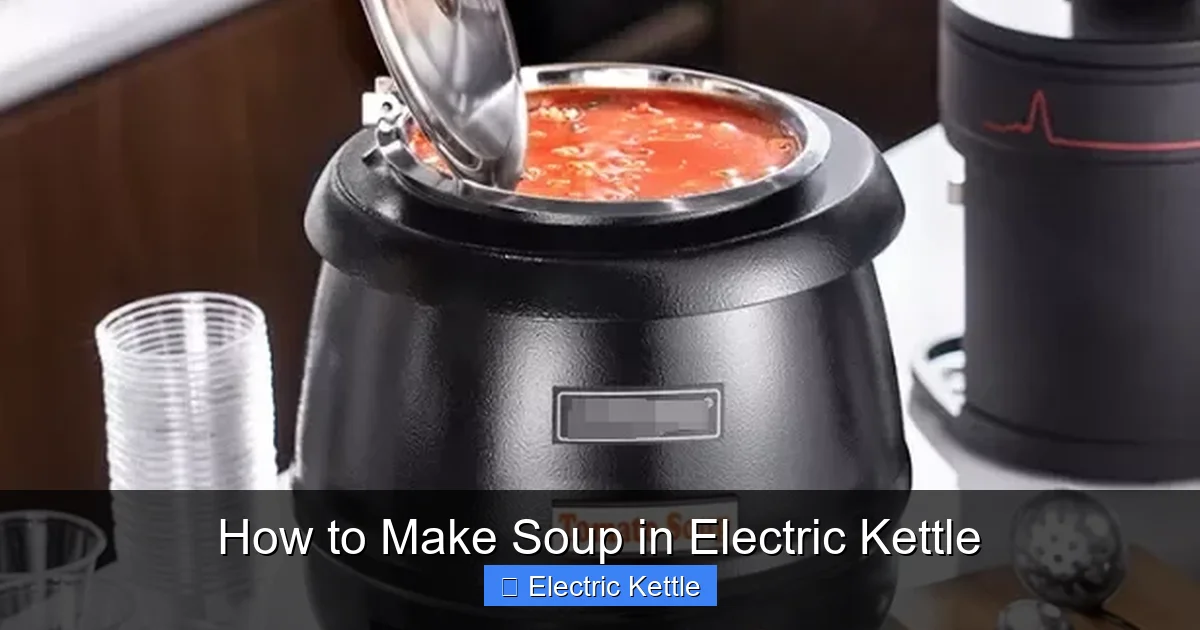
Visual guide about How to Make Soup in Electric Kettle
Image source: irrorwxhiqijjr5q.ldycdn.com
You might be wondering: why bother making soup in an electric kettle when you could just use a microwave or stove? The answer lies in convenience, speed, and accessibility.
First, electric kettles heat water faster than most microwaves. While a microwave might take 3–4 minutes to boil a cup of water, a kettle can do it in under two. That means your soup base—whether it’s broth, water, or a flavored liquid—is ready in a flash. Plus, kettles are often more energy-efficient, using just the right amount of power to boil water without wasting heat.
Second, electric kettles are portable and widely available. Many dorms, offices, and hotels provide them, and they’re common in households worldwide. If you’re in a place where open flames or cooking appliances are restricted—like a university dorm or shared workspace—an electric kettle might be your only option for heating food. In those cases, making soup in an electric kettle becomes a clever workaround.
Third, it’s a low-mess solution. Unlike stovetop cooking, which requires pots, lids, and cleanup, a kettle only needs a quick rinse. There’s no splattering oil, no burnt-on residue (if used correctly), and no need for extra dishes. Just pour, heat, and enjoy.
Finally, it’s a great way to repurpose instant or dehydrated ingredients. Think instant ramen, bouillon cubes, dried vegetables, or pre-cooked lentils. These items are lightweight, shelf-stable, and designed to rehydrate quickly—perfect for kettle cooking.
What Types of Soup Work Best?
Not all soups are suitable for electric kettle cooking. The ideal soup for this method is thin, water-based, and made with ingredients that rehydrate or soften quickly. Here’s a breakdown of what works—and what doesn’t.
Best Soup Types for Electric Kettles
- Instant Ramen or Noodle Soups: These are the most common and easiest options. Just add the noodles and flavor packet to the kettle, pour in hot water, and let it sit for a few minutes. The residual heat will soften the noodles while the broth warms up.
- Broth-Based Soups: Clear broths made with bouillon cubes, powdered stock, or instant soup mixes (like chicken or vegetable) work well. Add your liquid, stir in the flavoring, and let it steep.
- Dehydrated Vegetable Soups: Brands like Knorr, Maruchan, or homemade dehydrated blends can be revived in a kettle. Add dried carrots, onions, peas, and potatoes to hot water and allow them to rehydrate.
- Miso Soup: A Japanese favorite, miso soup only requires hot water and miso paste. Dissolve the paste in a small amount of warm water first, then add it to the kettle with tofu and seaweed for a quick, savory meal.
- Tomato or Cream-Style Soups (with caution): While pure cream soups are risky (more on that below), you can make a tomato-based soup using powdered tomato soup mix or crushed tomatoes diluted with water. Just avoid adding milk or cream directly.
What to Avoid
- Raw Meats: Never put raw chicken, beef, or fish in your kettle. These require controlled cooking temperatures and longer cook times to be safe. Plus, raw meat can leave harmful bacteria and foul odors.
- Dairy Products: Milk, cream, and cheese can scorch, curdle, or stick to the heating element. If you want a creamy soup, use powdered milk or add dairy after removing the soup from the kettle.
- Oils and Fats: Adding oil or butter can cause splattering, smoke, or damage to the kettle’s interior. If you need richness, consider using a small amount of powdered fat or adding oil after heating.
- Thick or Starchy Soups: Pureed soups, chowders, or anything with heavy cream or roux can clog the spout or burn onto the heating coil. Stick to brothy, liquid-based recipes.
- Large or Dense Ingredients: Whole potatoes, large chunks of meat, or hard root vegetables won’t cook properly in a kettle. Pre-cook or chop them finely if you must include them.
Step-by-Step Guide to Making Soup in an Electric Kettle
Now that you know what works, let’s walk through the process. Making soup in an electric kettle is simple, but a few steps ensure safety and great flavor.
Step 1: Choose Your Ingredients
Start with a base liquid—usually water—and add your flavoring. For example:
– 1–2 cups of water
– 1 bouillon cube (chicken, beef, or vegetable)
– 1 packet of instant noodles or soup mix
– Optional: dehydrated vegetables, pre-cooked lentils, or tofu cubes
Step 2: Add Ingredients to the Kettle
Place your dry ingredients into the kettle first. This prevents them from sticking to the bottom when the water heats. Avoid overfilling—most kettles have a “max” line, and you should stay below it to prevent boiling over.
Step 3: Add Water
Pour in cold or room-temperature water up to the desired level. Don’t use hot water from the tap, as it can contain impurities and may not heat evenly.
Step 4: Heat the Kettle
Close the lid and turn on the kettle. Most models will automatically shut off when the water reaches boiling point (around 212°F or 100°C). This usually takes 3–5 minutes, depending on the kettle’s wattage and water volume.
Step 5: Let It Steep
Once the kettle turns off, leave the ingredients inside for 3–5 minutes. The residual heat will continue to soften noodles, rehydrate vegetables, and blend flavors. Stir gently with a long spoon or chopstick to help everything mix.
Step 6: Serve and Enjoy
Carefully pour the soup into a bowl or mug. Use a strainer if needed to catch any large pieces. Add toppings like green onions, sesame seeds, or a splash of soy sauce for extra flavor.
Step 7: Clean the Kettle
Rinse the kettle immediately with warm water. Use a soft sponge or brush to remove any residue. Avoid submerging the base or electrical components in water. For stubborn bits, soak with a vinegar-water solution (1:1 ratio) for 15 minutes, then rinse thoroughly.
Safety Tips and Best Practices
While making soup in an electric kettle is convenient, it’s important to prioritize safety. Here are some essential tips to keep in mind.
Never Overfill the Kettle
Boiling liquid can expand and spill out through the spout, potentially causing burns or damaging the electrical components. Always leave at least 1–2 inches of space below the max fill line.
Avoid Ingredients That Can Damage the Kettle
Starchy foods like pasta or rice can foam and clog the spout. Oily or fatty ingredients can leave a greasy film that’s hard to clean and may affect future brews. Stick to water-based, low-residue ingredients.
Don’t Use the Kettle for Multiple Food Types
If you use your kettle for both soup and beverages, flavors can linger. For example, a hint of miso might end up in your morning coffee. Consider dedicating one kettle to food and another to drinks—or clean thoroughly between uses.
Check Your Kettle’s Material
Most electric kettles are made of stainless steel, plastic, or glass. Stainless steel is the best for soup-making because it’s durable and easy to clean. Avoid plastic kettles if possible, as they can absorb odors and may release chemicals when heated with certain ingredients.
Use a Thermometer if Needed
Some soups—like those with pre-cooked proteins—only need to be reheated, not boiled. If you’re unsure, use a food thermometer to ensure the soup reaches at least 165°F (74°C) for safety.
Never Leave the Kettle Unattended
Even though most kettles auto-shutoff, it’s wise to stay nearby while it’s heating. This helps prevent accidents and allows you to monitor for boiling over or unusual smells.
Creative Soup Recipes to Try
Ready to put your kettle to the test? Here are five simple, delicious soup recipes you can make in under 10 minutes.
1. Classic Instant Ramen Upgrade
- 1 packet instant ramen (any flavor)
- 1 cup water
- 1 tbsp soy sauce
- 1 tsp sesame oil (added after heating)
- Toppings: sliced green onions, soft-boiled egg, nori strips
Add noodles and seasoning to the kettle. Pour in water, heat, and let steep for 4 minutes. Stir, then pour into a bowl. Drizzle with sesame oil and add toppings.
2. Vegetable Miso Soup
- 1 cup water
- 1 tbsp miso paste
- 1 tbsp dried wakame seaweed
- 1/4 cup cubed tofu (pre-cooked)
- 1 tsp dried green onions
Dissolve miso paste in a small amount of warm water. Add all ingredients to the kettle, heat, and steep for 3 minutes. Stir well before serving.
3. Tomato Basil Soup
- 1 cup water
- 2 tbsp tomato soup powder (like Knorr or homemade)
- 1 tbsp dried basil
- 1 tbsp powdered milk (optional, for creaminess)
- Salt and pepper to taste
Combine all ingredients in the kettle. Heat and stir until dissolved. Let sit for 2–3 minutes. Add a splash of olive oil after pouring for richness.
4. Lentil and Vegetable Broth
- 1 cup water
- 1/4 cup pre-cooked lentils (canned or dried, pre-soaked)
- 1 tbsp vegetable bouillon
- 1 tbsp dehydrated carrots and onions
- 1/2 tsp garlic powder
Add all ingredients to the kettle. Heat and let steep for 5 minutes. Stir well and season with salt and pepper.
5. Spicy Thai-Inspired Noodle Soup
- 1 cup water
- 1 packet Thai-style instant noodles
- 1 tsp red curry paste (dissolved in a little water first)
- 1 tbsp coconut milk powder
- 1 tsp lime powder or fresh lime juice (added after)
Mix curry paste with a bit of water, then add to kettle with noodles and coconut milk powder. Heat and steep for 4 minutes. Stir, pour, and finish with lime juice.
Cleaning and Maintenance After Soup-Making
One of the biggest concerns with using an electric kettle for soup is cleaning. Food particles, oils, and starches can build up over time, affecting taste and performance. Here’s how to keep your kettle in top shape.
Immediate Rinse
After each use, rinse the kettle with warm water as soon as it’s cool enough to handle. This prevents residue from hardening.
Deep Clean Weekly
Once a week, descale and clean the interior. Use a mixture of equal parts white vinegar and water. Fill the kettle halfway, boil, then let it sit for 15–20 minutes. Rinse thoroughly with clean water and boil once more to remove any vinegar taste.
Remove Stains and Odors
For stubborn stains or lingering smells, try a baking soda paste (3 parts baking soda to 1 part water). Apply to the interior, let sit for 10 minutes, then scrub gently with a soft brush. Rinse well.
Check the Filter and Spout
Many kettles have a mesh filter near the spout to catch limescale. Remove it regularly and rinse under running water. If it’s clogged, soak it in vinegar.
Never Use Harsh Cleaners
Avoid abrasive sponges, bleach, or strong detergents. These can damage the kettle’s interior and leave harmful residues.
Who Can Benefit from Kettle Soup-Making?
This method isn’t just for college students. A wide range of people can benefit from making soup in an electric kettle.
College Students
Dorm rooms often lack kitchens, but many provide electric kettles. Students can enjoy warm, homemade-style meals without breaking rules or buying expensive instant meals.
Office Workers
Long hours at the desk? A quick kettle soup can replace a cold sandwich or expensive takeout. It’s fast, healthy, and requires no microwave.
Travelers
Hotels, hostels, and Airbnbs often include kettles. Instead of relying on vending machine snacks, travelers can pack lightweight soup mixes for instant comfort food.
Seniors and People with Limited Mobility
For those who find stovetop cooking difficult, an electric kettle offers a safe, simple way to prepare warm meals with minimal effort.
Eco-Conscious Cooks
Using a kettle consumes less energy than firing up a stove or oven. It’s a small step toward reducing your carbon footprint.
Final Thoughts: Is Kettle Soup Right for You?
Making soup in an electric kettle is a smart, practical solution for anyone who needs a quick, hot meal without the hassle of traditional cooking. It’s not meant to replace full meals or gourmet dishes, but it’s perfect for simple, nourishing broths and rehydrated favorites.
The key is to keep it safe, keep it clean, and keep it simple. Stick to water-based ingredients, avoid dairy and oils, and always clean your kettle thoroughly. With a little creativity, you can turn your everyday kettle into a versatile kitchen tool.
So the next time you’re craving soup but don’t have access to a stove, don’t reach for a cold can. Grab your kettle, toss in some instant noodles or bouillon, and enjoy a warm, homemade-style meal in minutes. It’s convenient, clever, and surprisingly satisfying.
Frequently Asked Questions
Is it safe to cook soup in an electric kettle?
Yes, it’s safe as long as you use the right ingredients and follow safety guidelines. Avoid dairy, oils, and raw meats, and always clean the kettle afterward to prevent residue buildup.
Can I put noodles in an electric kettle?
Yes, instant noodles work well. Add them with the seasoning packet and hot water, then let them steep for a few minutes after boiling.
Will making soup ruin my electric kettle?
Not if you clean it properly. Food particles and starches can build up over time, so rinse immediately and deep clean weekly with vinegar.
Can I use my kettle for both soup and tea?
You can, but flavors may transfer. Clean thoroughly between uses, or consider using separate kettles for food and beverages.
What’s the best type of electric kettle for making soup?
Stainless steel kettles are ideal because they’re durable, easy to clean, and don’t absorb odors. Avoid plastic models if possible.
Can I reheat leftover soup in an electric kettle?
Yes, as long as the soup is broth-based and doesn’t contain dairy or oil. Pour it in, heat until hot, and stir well before serving.