Making tea with an electric kettle is quick, easy, and delivers consistent results every time. Whether you’re brewing green, black, or herbal tea, using an electric kettle ensures precise water temperature and faster boiling than stovetop methods. With the right technique and a few helpful tips, you can enjoy a perfect cup of tea in under five minutes.
There’s something deeply comforting about a hot cup of tea. Whether it’s a morning ritual, an afternoon pick-me-up, or a calming evening wind-down, tea has a way of grounding us. And in today’s fast-paced world, convenience matters. That’s where the electric kettle comes in—a modern kitchen essential that makes brewing tea faster, safer, and more consistent than ever.
Gone are the days of waiting for a whistling stovetop kettle or guessing if the water’s hot enough. Electric kettles heat water quickly and efficiently, often in under five minutes. Many models even offer precise temperature settings, so you can tailor the heat to your specific tea type. Whether you’re a casual tea drinker or a serious connoisseur, learning how to make tea with an electric kettle can elevate your experience. It’s not just about speed—it’s about quality, control, and simplicity.
In this guide, we’ll walk you through everything you need to know about using an electric kettle to make the perfect cup of tea. From choosing the right kettle to mastering brewing techniques, we’ll cover it all. You’ll learn how to avoid common mistakes, maintain your appliance, and even explore advanced tips for tea lovers who want to go the extra mile. So grab your favorite mug, pick a tea bag or loose leaves, and let’s get brewing.
Key Takeaways
- Choose the right electric kettle: Look for temperature control, fast boiling, and safety features like auto shut-off.
- Use fresh, cold water: Always start with fresh water from the tap for the best flavor and to avoid reboiling stale water.
- Preheat your teapot or cup: Warming your vessel helps maintain optimal brewing temperature for better extraction.
- Match water temperature to tea type: Green tea needs cooler water (160–180°F), while black tea requires near-boiling (200–212°F).
- Steep for the right time: Over-steeping can make tea bitter; follow recommended times for each variety.
- Clean your kettle regularly: Mineral buildup affects taste and performance—descale monthly with vinegar or a commercial cleaner.
- Experiment and enjoy: Try different teas, ratios, and steeping times to find your perfect cup.
📑 Table of Contents
Why Use an Electric Kettle for Tea?
Electric kettles have revolutionized the way we prepare hot beverages. Unlike traditional stovetop kettles, electric models are designed for efficiency, precision, and safety. They’re especially useful for tea drinkers because they allow you to control the water temperature—something that’s crucial for bringing out the best flavors in different tea varieties.
One of the biggest advantages of an electric kettle is speed. Most models can boil a full liter of water in three to five minutes, depending on the wattage and capacity. This is significantly faster than waiting for a pot to heat up on the stove. Plus, electric kettles are energy-efficient. They only heat the water you need, reducing waste and saving on electricity.
Another major benefit is temperature control. High-end electric kettles come with variable temperature settings, allowing you to select the ideal heat for green, white, oolong, black, or herbal teas. For example, green tea can turn bitter if brewed with boiling water, so a lower setting around 175°F is ideal. Black tea, on the other hand, benefits from near-boiling water to fully extract its robust flavor.
Safety is also a key factor. Most electric kettles feature automatic shut-off mechanisms that turn the device off once the water reaches boiling point. This prevents overheating and reduces the risk of accidents. Many also have boil-dry protection, which stops the kettle if there’s no water inside—great for peace of mind if you get distracted.
Finally, electric kettles are incredibly convenient. They’re portable, easy to use, and often come with features like keep-warm functions, cordless designs, and water level indicators. Whether you’re in a dorm room, office, or kitchen, an electric kettle makes tea preparation effortless.
Choosing the Right Electric Kettle
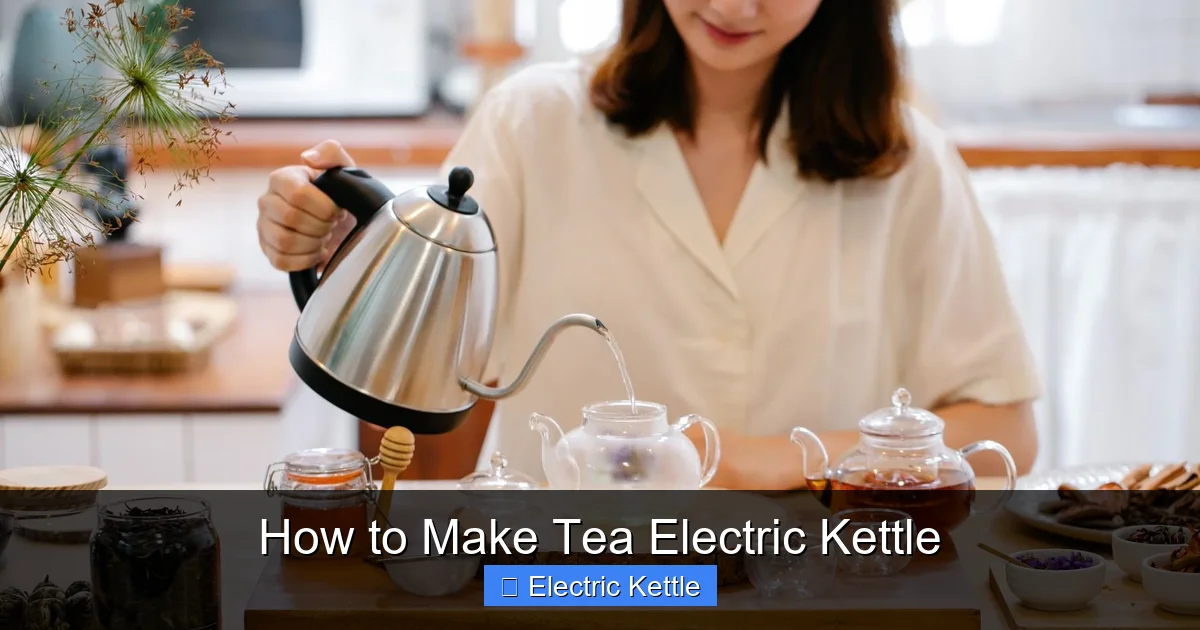
Visual guide about How to Make Tea Electric Kettle
Image source: storables.com
Not all electric kettles are created equal. To make the best tea, you’ll want to choose a model that suits your needs and preferences. Here are the key factors to consider when shopping for an electric kettle.
Material: Stainless Steel vs. Glass vs. Plastic
The material of your kettle affects both performance and taste. Stainless steel kettles are durable, easy to clean, and resistant to rust and odors. They’re a great all-around choice and often come with double-wall insulation to keep water hot longer. However, you can’t see the water level, so look for models with external indicators.
Glass kettles offer a sleek, modern look and let you watch the water boil—a satisfying visual experience. They’re also non-reactive, meaning they won’t impart any metallic taste to your water. The downside? Glass is more fragile and can be heavier than other materials.
Plastic kettles are lightweight and affordable, but they’re not ideal for tea lovers. Over time, plastic can absorb odors and may leach chemicals when heated, especially with repeated use. If you do choose a plastic model, make sure it’s BPA-free and designed for high heat.
Temperature Control Features
If you drink a variety of teas, a kettle with adjustable temperature settings is a must. Look for models that offer presets for green, white, oolong, black, and herbal teas. Some advanced kettles even allow you to set custom temperatures in 5°F increments.
For example, a green tea setting might default to 175°F, while black tea could be set to 210°F. This precision ensures that each type of tea is brewed at its optimal temperature, maximizing flavor and minimizing bitterness.
Capacity and Size
Consider how much tea you typically make. Electric kettles range from 0.5 liters (ideal for one or two cups) to 1.7 liters (great for families or entertaining). A smaller kettle heats water faster and uses less energy, while larger models are better for group settings.
If you’re short on counter space, look for a compact design. Some kettles have a slim profile or cordless base for easy storage.
Additional Features to Look For
Modern electric kettles come with a range of helpful features. A keep-warm function maintains your water at the desired temperature for up to an hour—perfect if you’re making multiple cups. A gooseneck spout offers precision pouring, which is great for pour-over tea or delicate brewing methods.
Other useful features include a removable filter to catch limescale, a water level window, and a quiet boil mode for early mornings or late nights. Some kettles even connect to smartphone apps for remote control and brewing reminders.
Step-by-Step Guide to Making Tea with an Electric Kettle
Now that you’ve chosen the right kettle, it’s time to brew. Follow these simple steps to make a perfect cup of tea every time.
Step 1: Fill the Kettle with Fresh Water
Always use fresh, cold water from the tap. Avoid reboiling water that’s been sitting in the kettle, as it can become flat and affect the taste of your tea. Fill the kettle to the desired level, but don’t exceed the maximum mark to prevent overflow.
If your tap water has a strong taste or odor, consider using filtered water for a cleaner brew.
Step 2: Select the Right Temperature
Turn on your electric kettle and choose the appropriate temperature setting based on your tea type. Here’s a quick reference:
– Green tea: 160–180°F (70–82°C)
– White tea: 175–185°F (80–85°C)
– Oolong tea: 185–205°F (85–96°C)
– Black tea: 200–212°F (93–100°C)
– Herbal tea: 212°F (100°C)
If your kettle doesn’t have preset options, use a kitchen thermometer to check the water temperature before pouring.
Step 3: Preheat Your Teapot or Cup
While the water is heating, warm your teapot or mug by rinsing it with hot water. This helps maintain the brewing temperature and prevents the tea from cooling too quickly. Discard the rinse water before adding your tea.
Step 4: Add Tea Leaves or Tea Bags
Use high-quality tea for the best flavor. For loose-leaf tea, use about one teaspoon per cup. If using tea bags, one bag per cup is usually sufficient. Place the tea directly into the pot or cup, or use an infuser for loose leaves.
Step 5: Pour the Water and Steep
Once the water reaches the correct temperature, pour it over the tea. Start your timer immediately. Steeping times vary:
– Green tea: 2–3 minutes
– White tea: 4–5 minutes
– Oolong tea: 3–5 minutes
– Black tea: 3–5 minutes
– Herbal tea: 5–7 minutes
Avoid over-steeping, as it can lead to bitterness, especially with green and white teas.
Step 6: Remove the Tea and Serve
When the steeping time is up, remove the tea bag or infuser. If using loose leaves, strain them out. Add milk, sugar, honey, or lemon if desired, and enjoy your perfectly brewed tea.
Tips for the Perfect Cup of Tea
Even with the right kettle and technique, small details can make a big difference. Here are some expert tips to elevate your tea game.
Use High-Quality Tea
The quality of your tea leaves directly impacts the flavor. Opt for loose-leaf teas from reputable brands or specialty shops. Loose-leaf tea often contains whole leaves, which release more complex flavors than broken pieces found in many tea bags.
Measure Your Tea Accurately
Too little tea results in a weak brew; too much can make it overpowering. Use a teaspoon measure for loose leaves or follow the instructions on tea bag packaging. For stronger tea, increase steeping time slightly rather than using more leaves.
Avoid Overheating Green and White Teas
These delicate teas are sensitive to high temperatures. Boiling water can scorch the leaves, leading to a bitter taste. Always use lower temperatures and shorter steeping times for the best results.
Experiment with Steeping Times
Everyone’s taste is different. If your tea tastes too strong, reduce the steeping time by 30 seconds. If it’s too weak, try adding 30 seconds. Keep notes to track what works best for each type.
Clean Your Kettle Regularly
Mineral deposits from hard water can build up inside your kettle, affecting taste and performance. Descale your kettle once a month using a mixture of equal parts water and white vinegar. Let it sit for an hour, then rinse thoroughly.
Store Tea Properly
Keep your tea in an airtight container away from light, heat, and moisture. Avoid storing it near spices or strong-smelling foods, as tea can absorb odors.
Maintaining Your Electric Kettle
To keep your electric kettle in top condition, regular maintenance is essential. A well-cared-for kettle will last longer and deliver better-tasting tea.
Descaling: Why and How
Limescale buildup is the most common issue with electric kettles, especially in areas with hard water. It can clog the heating element, reduce efficiency, and leave a chalky taste in your water.
To descale, fill the kettle halfway with equal parts water and white vinegar. Bring it to a boil, then let it sit for 30–60 minutes. Rinse thoroughly and boil fresh water once or twice to remove any vinegar taste.
Alternatively, use a commercial descaling solution or citric acid. Follow the manufacturer’s instructions for best results.
Cleaning the Exterior and Filter
Wipe the outside of the kettle with a damp cloth and mild detergent. Avoid submerging the base in water. If your kettle has a removable filter, take it out and rinse it under running water to remove debris.
Avoiding Common Mistakes
Never operate the kettle without water—this can damage the heating element. Also, don’t use abrasive cleaners or steel wool, as they can scratch the surface. Always unplug the kettle before cleaning.
Advanced Techniques for Tea Enthusiasts
If you’re ready to take your tea brewing to the next level, try these advanced techniques.
Multiple Infusions with Loose-Leaf Tea
High-quality loose-leaf tea can often be steeped multiple times. Each infusion reveals different flavor notes. For example, a good oolong might offer floral hints in the first steep and a sweeter, nuttier taste in the second.
Use the same leaves and increase steeping time slightly with each brew. This method is common in traditional tea ceremonies and can stretch your tea supply further.
Using a Gooseneck Kettle for Precision
Gooseneck electric kettles are designed for pour-over brewing, but they’re also great for tea. The narrow spout allows for slow, controlled pouring, which helps extract flavors evenly—especially useful for delicate green teas.
Temperature Logging and Consistency
Keep a tea journal to track your brews. Note the tea type, water temperature, steeping time, and your impressions. Over time, you’ll develop a personal brewing profile and discover your preferences.
Pairing Tea with Food
Just like wine, tea can be paired with food to enhance the experience. Light green teas go well with seafood and salads, while robust black teas complement chocolate and cheese. Experiment with pairings to find your favorites.
Conclusion
Making tea with an electric kettle is a simple yet rewarding process. With the right tools, techniques, and a little practice, you can brew a perfect cup every time. From choosing a kettle with temperature control to mastering steeping times, every step contributes to a better tea experience.
Electric kettles offer speed, precision, and convenience—making them ideal for both casual drinkers and tea aficionados. By following the tips in this guide, you’ll not only enjoy better-tasting tea but also extend the life of your appliance.
So the next time you reach for a tea bag or a scoop of loose leaves, remember: the journey to a great cup starts with the right water, the right temperature, and the right kettle. Brew with confidence, savor each sip, and make tea time a daily delight.
Frequently Asked Questions
Can I use an electric kettle for all types of tea?
Yes, an electric kettle works well for all tea types. The key is selecting the right water temperature and steeping time for each variety to bring out the best flavor.
Is it safe to leave water in an electric kettle?
It’s best to empty the kettle after each use. Leaving water sitting can lead to mineral buildup and affect taste. Always use fresh water for the best results.
How often should I descale my electric kettle?
Descale your kettle once a month if you use it daily, or more often in areas with hard water. Regular descaling prevents limescale buildup and keeps your kettle running efficiently.
Can I boil milk or other liquids in an electric kettle?
No, electric kettles are designed for water only. Boiling milk or sugary liquids can damage the heating element and create a fire hazard.
What’s the ideal water temperature for green tea?
Green tea should be brewed at 160–180°F (70–82°C). Higher temperatures can scorch the leaves and make the tea bitter.
Do I need a special kettle for loose-leaf tea?
No, but a kettle with a built-in filter or a gooseneck spout can make pouring easier. Use a tea infuser or strainer to hold the loose leaves while brewing.