Making tea in an electric kettle is fast, convenient, and perfect for busy mornings or cozy evenings. With the right technique, you can brew a flavorful cup without a stove or microwave—just hot water and your favorite tea.
Key Takeaways
- Use fresh, cold water: Always start with fresh cold water for the best taste and to prevent mineral buildup in your kettle.
- Choose the right temperature: Different teas require different water temperatures—green tea needs cooler water than black tea.
- Preheat your cup: Pour a little hot water into your mug first to keep your tea warm longer.
- Use proper tea-to-water ratio: One teaspoon of loose-leaf tea or one tea bag per cup ensures balanced flavor.
- Steep for the right time: Over-steeping can make tea bitter; follow recommended times for each type.
- Clean your kettle regularly: Mineral deposits affect taste and performance—descale monthly.
- Experiment safely: Try herbal blends or add-ins like honey or lemon, but avoid putting anything other than water in the kettle.
📑 Table of Contents
Why Use an Electric Kettle for Tea?
Making tea might seem simple—boil water, pour over tea, wait, drink. But if you’ve ever ended up with a bitter cup of green tea or a weak black tea, you know there’s more to it. That’s where an electric kettle shines. Unlike stovetop kettles or microwaves, electric kettles heat water quickly, evenly, and often with precise temperature control. This makes them ideal for brewing a wide range of teas, from delicate white teas to robust rooibos.
Electric kettles are also incredibly convenient. Most models boil water in under five minutes, and many come with features like keep-warm functions, auto shut-off, and variable temperature settings. Whether you’re making a single cup or preparing tea for guests, an electric kettle streamlines the process. Plus, since you’re not using a stovetop, you free up burner space and reduce the risk of forgetting a pot on the heat. For tea lovers, this appliance isn’t just a luxury—it’s a game-changer.
Benefits of Using an Electric Kettle
One of the biggest advantages of using an electric kettle is speed. Most electric kettles can boil a full liter of water in three to five minutes, depending on the model and wattage. This is faster than waiting for a stovetop kettle to whistle or reheating water in a microwave. Speed matters, especially during busy mornings or when you’re craving tea after a long day.
Another benefit is temperature precision. Many modern electric kettles offer multiple temperature settings—such as 160°F for green tea, 185°F for white tea, and 212°F (boiling) for black or herbal teas. This level of control helps preserve the delicate flavors of certain teas. For example, boiling water can scorch green tea leaves, leading to a bitter taste. With an electric kettle, you can avoid that mistake easily.
Electric kettles are also safer than stovetop methods. Most models automatically shut off once the water reaches boiling point, reducing the risk of overheating or boiling dry. Some even have boil-dry protection, which turns off the kettle if there’s no water inside. This feature gives peace of mind, especially if you’re multitasking while your tea brews.
Common Misconceptions About Electric Kettles and Tea
Some people believe that electric kettles are only for boiling water quickly and aren’t suitable for “real” tea brewing. This couldn’t be further from the truth. In fact, many tea enthusiasts prefer electric kettles because they offer consistent results. The even heating and precise temperature control allow for repeatable brewing, which is essential when experimenting with different teas.
Another myth is that you can’t make good tea without a teapot or infuser. While teapots are great for serving, they’re not necessary for brewing. You can use a simple tea bag, a mesh infuser, or even a reusable tea filter directly in your cup. The electric kettle’s job is just to heat the water—how you steep is up to you.
Lastly, some worry that electric kettles affect the taste of water due to materials like plastic or metal. While this was a concern with older models, most modern kettles are made with BPA-free plastic, stainless steel, or glass interiors that don’t leach flavors. Just make sure to clean your kettle regularly to avoid any off-tastes from mineral buildup.
Choosing the Right Electric Kettle for Tea
Not all electric kettles are created equal, especially when it comes to tea brewing. If you’re serious about your tea, investing in a quality kettle can make a big difference. Here’s what to look for when choosing the best electric kettle for tea.
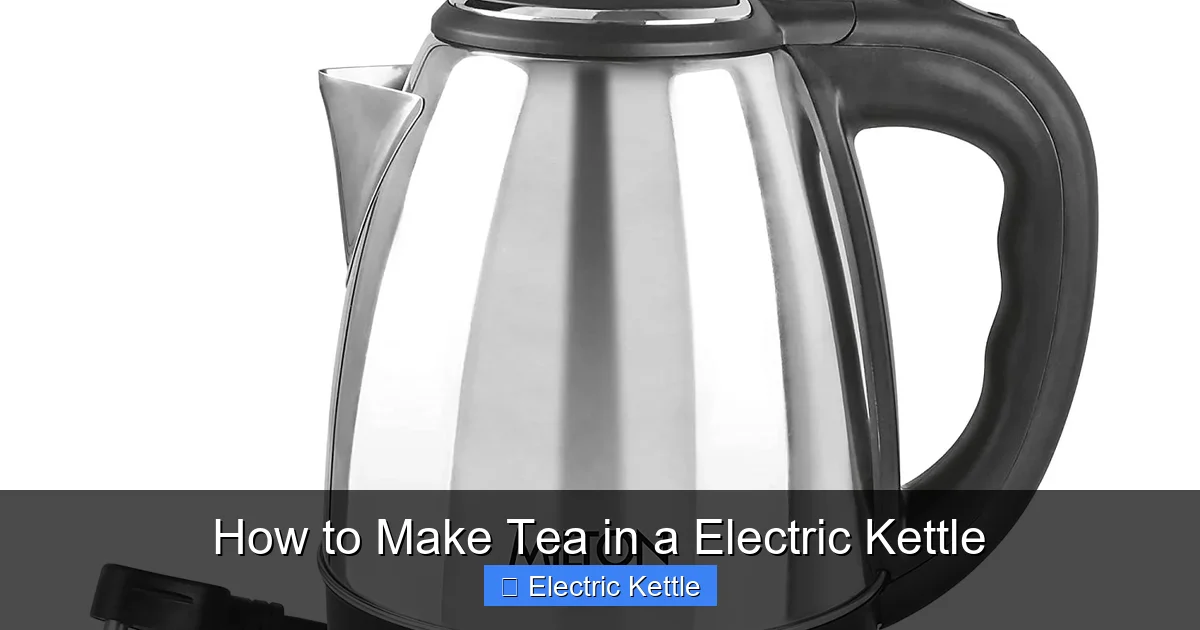
Visual guide about How to Make Tea in a Electric Kettle
Image source: couponswala.com
Temperature Control Features
The most important feature for tea lovers is variable temperature control. This allows you to select the ideal water temperature for different types of tea. For example:
- White tea: 160–185°F (70–85°C)
- Green tea: 175–185°F (80–85°C)
- Oolong tea: 185–205°F (85–96°C)
- Black tea: 200–212°F (93–100°C)
- Herbal tea: 212°F (100°C)
Kettles with preset temperature buttons make it easy to switch between teas without guessing. Some high-end models even have LCD screens that show the current water temperature, so you know exactly when it’s ready.
Material and Build Quality
The material of your kettle affects both performance and taste. Here are the most common options:
- Stainless steel: Durable, heats quickly, and resists rust. Look for food-grade 304 stainless steel for safety.
- Glass: Allows you to see the water boil, which is satisfying and helps monitor clarity. However, glass can be fragile and may retain odors if not cleaned properly.
- Plastic: Lightweight and affordable, but ensure it’s BPA-free. Some plastic kettles can impart a slight taste, especially when new.
- Ceramic: Aesthetic and retains heat well, but heavier and more prone to cracking.
For most tea drinkers, stainless steel or glass kettles are the best choices due to their clean taste and durability.
Capacity and Speed
Consider how much tea you typically make. If you’re brewing for one, a 0.8- to 1-liter kettle is sufficient. For families or entertaining, go for 1.5 to 1.7 liters. Larger kettles take slightly longer to boil, but they’re more versatile.
Wattage also affects speed. Kettles with 1500–3000 watts boil water faster than lower-wattage models. If you’re in a hurry, a higher-wattage kettle is worth the investment. Just make sure your kitchen outlet can handle the power draw.
Additional Features to Consider
Modern electric kettles come with a range of helpful features:
- Keep-warm function: Maintains water temperature for up to 30–60 minutes, perfect for multiple cups.
- Auto shut-off: Turns off the kettle when water boils or if it runs dry.
- Boil-dry protection: Prevents damage if the kettle is turned on without water.
- Quiet operation: Some kettles are designed to boil quietly, ideal for early mornings or offices.
- Removable lids and wide openings: Make cleaning and filling easier.
While not essential, these features enhance convenience and safety, making your tea routine smoother.
Step-by-Step Guide: How to Make Tea in an Electric Kettle
Now that you have the right kettle, it’s time to brew the perfect cup. Follow these simple steps to make tea in an electric kettle like a pro.
Step 1: Fill the Kettle with Fresh, Cold Water
Always start with fresh, cold water from the tap. Avoid using hot water from the tap, as it can contain more dissolved minerals and may have been sitting in pipes. Cold water also oxygenates better, which can improve the taste of your tea.
Fill the kettle to the desired level, but don’t exceed the maximum line. Overfilling can cause water to spill over when boiling, which is a safety hazard and can damage the kettle’s base.
Step 2: Select the Right Temperature (If Available)
If your kettle has temperature control, choose the appropriate setting based on your tea type. For example, select 185°F for green tea or 212°F for black tea. If your kettle only boils to 212°F, that’s fine—just let the water cool for a minute or two before pouring over delicate teas.
To cool boiling water quickly, pour it into a second container or let it sit for 1–2 minutes. You can also add a splash of cold water to bring the temperature down.
Step 3: Preheat Your Cup or Teapot
While the water heats, pour a small amount of hot water into your cup or teapot. Swirl it around and then discard it. This preheats the vessel, helping your tea stay warm longer and preventing thermal shock to delicate cups.
Preheating is especially important for ceramic or glass teapots, which can crack if exposed to sudden temperature changes.
Step 4: Add Your Tea
Place your tea bag or loose-leaf tea in the cup or infuser. Use about one teaspoon of loose tea or one tea bag per 8 ounces (240 ml) of water. Adjust to taste—some people prefer stronger or lighter brews.
If using loose-leaf tea, a mesh infuser or tea ball works well. Make sure it’s large enough to allow the leaves to expand, which helps release flavor.
Step 5: Pour the Hot Water
Once the water reaches the right temperature, carefully pour it over the tea. Avoid splashing, as this can cool the water too quickly. Fill the cup to the desired level, leaving a little space at the top to prevent spills.
For herbal teas or blooming teas, you may want to cover the cup with a lid or saucer to trap heat and steam, enhancing the brewing process.
Step 6: Steep for the Recommended Time
Steeping time varies by tea type. Here are general guidelines:
- White tea: 2–4 minutes
- Green tea: 1–3 minutes
- Oolong tea: 3–5 minutes
- Black tea: 3–5 minutes
- Herbal tea: 5–7 minutes
Use a timer to avoid over-steeping, which can make tea bitter. If you’re unsure, start with the lower end of the range and adjust next time.
Step 7: Remove the Tea Bag or Infuser
Once steeping is complete, remove the tea bag or infuser. Leaving it in can continue the extraction process, leading to over-steeping. Gently press the bag against the side of the cup to release extra liquid, but avoid squeezing too hard, as this can release tannins and increase bitterness.
Step 8: Add Extras (Optional)
Now it’s time to customize your tea. Add milk, honey, sugar, lemon, or spices like cinnamon or ginger, depending on your preference. Stir gently to combine.
For milk-based teas like chai, add the milk after steeping to prevent scalding. For lemon or honey, add them after removing the tea bag to preserve their flavor and benefits.
Step 9: Enjoy!
Your tea is ready to drink. Sip slowly and savor the aroma and flavor. If you’re making multiple cups, keep the kettle on warm (if available) or reheat as needed.
Tips for Perfect Tea Every Time
Even with the right kettle and method, small details can make a big difference in your tea experience. Here are some expert tips to elevate your brew.
Use High-Quality Tea
The quality of your tea leaves matters more than the brewing method. Opt for loose-leaf tea when possible, as it often contains whole leaves and fewer broken pieces than tea bags. Loose-leaf tea generally offers better flavor, aroma, and health benefits.
If using tea bags, choose reputable brands that use natural, unbleached paper or silk sachets. Avoid bags with staples or synthetic materials.
Store Tea Properly
Keep your tea in an airtight container away from light, heat, moisture, and strong odors. Tea absorbs smells easily, so storing it near coffee or spices can affect its taste. For long-term storage, consider using opaque, sealed tins.
Green and white teas are more perishable and should be used within 6–12 months for best quality. Black and herbal teas last longer but still benefit from proper storage.
Clean Your Kettle Regularly
Mineral deposits from hard water can build up inside your kettle, affecting taste and performance. To clean, fill the kettle halfway with equal parts water and white vinegar. Boil, let sit for 15–20 minutes, then rinse thoroughly with water. Repeat if necessary.
For daily maintenance, wipe the exterior with a damp cloth and rinse the interior after each use. Avoid using abrasive cleaners or steel wool, which can scratch surfaces.
Experiment with Tea Blends
Don’t be afraid to try new combinations. Mix green tea with mint, add ginger to black tea, or steep chamomile with a slice of orange. Herbal teas like rooibos, hibiscus, or turmeric offer unique flavors and health benefits.
Keep a tea journal to track your favorites, steeping times, and additions. This helps you refine your preferences over time.
Mind the Water Quality
Even the best tea can taste off if the water is poor. Use filtered or bottled water if your tap water has a strong chlorine taste or odor. Avoid distilled water, as it lacks minerals that can enhance flavor.
If you’re unsure about your water, try brewing the same tea with different water sources and compare the results.
Troubleshooting Common Issues
Even experienced tea drinkers run into problems. Here’s how to fix common issues when making tea in an electric kettle.
Tea Tastes Bitter
Bitterness usually comes from over-steeping or using water that’s too hot. For green or white tea, reduce steeping time to 1–2 minutes and ensure water is below boiling. Also, check that your kettle isn’t overheating due to mineral buildup.
Tea Tastes Weak
If your tea lacks flavor, you may be using too little tea or steeping for too short a time. Try increasing the amount of tea by half a teaspoon or steeping for an extra 30 seconds. Also, ensure your water is hot enough—lukewarm water won’t extract flavors properly.
Kettle Takes Too Long to Boil
This could be due to low wattage, mineral buildup, or a faulty element. Descale your kettle and check the wattage. If it’s consistently slow, consider upgrading to a higher-wattage model.
Water Tastes Metallic or Plasticky
This is often caused by a new kettle or residue from manufacturing. Run the kettle through 2–3 boil cycles with fresh water before first use. If the taste persists, descale and rinse thoroughly. Ensure your kettle is BPA-free and made from food-safe materials.
Kettle Leaks or Spills
Check that the lid is securely closed and the spout isn’t cracked. Overfilling is a common cause of spills—always stay below the max line. If the base is wet, unplug the kettle and let it dry completely before use.
Conclusion
Making tea in an electric kettle is a simple, efficient, and enjoyable process when done right. With the right kettle, proper technique, and a few expert tips, you can brew a perfect cup every time. Whether you’re a casual tea drinker or a dedicated connoisseur, an electric kettle can enhance your tea experience by providing precise temperature control, speed, and convenience.
Remember to start with fresh water, choose the right temperature, steep for the correct time, and clean your kettle regularly. Experiment with different teas and flavors to discover what you love most. Tea is more than a drink—it’s a ritual, a moment of calm, and a way to connect with yourself or others. So go ahead, boil that water, steep your favorite blend, and savor every sip.
Frequently Asked Questions
Can I put tea bags directly in an electric kettle?
No, you should never put tea bags or loose tea directly into the electric kettle. The heating element and interior can be damaged, and tea residue may clog the spout. Always brew tea in a cup or teapot after heating the water.
Is it safe to boil water in an electric kettle every day?
Yes, it’s completely safe to use your electric kettle daily. Just make sure to clean it regularly to prevent mineral buildup and ensure optimal performance and taste.
Can I make coffee in an electric kettle?
While you can boil water for coffee in an electric kettle, you shouldn’t brew coffee directly inside it. Use the hot water to make coffee in a French press, pour-over, or drip machine instead.
How often should I descale my electric kettle?
Descale your kettle every 1–3 months, depending on water hardness. If you notice scale buildup or a change in taste, descale immediately using a vinegar-water solution.
Can I use an electric kettle for herbal teas?
Yes, electric kettles are excellent for herbal teas, which often require boiling water. Just steep for 5–7 minutes and enjoy the full flavor and benefits.
What’s the best way to clean an electric kettle?
For deep cleaning, use a mixture of equal parts water and white vinegar. Boil, let sit for 15–20 minutes, then rinse thoroughly. For daily care, wipe the exterior and rinse the interior after each use.