Operating an electric kettle is simple, but doing it correctly ensures safety, efficiency, and longevity. This guide walks you through setup, usage, cleaning, and troubleshooting—so you can enjoy hot water for tea, coffee, or cooking with confidence.
Key Takeaways
- Read the manual first: Every electric kettle model has unique features and safety instructions—always start here.
- Fill to the correct level: Never overfill or underfill; use the minimum and maximum markings to avoid damage or dry boiling.
- Use clean, cold water: Avoid hot tap water and always use filtered or fresh water to reduce scale buildup.
- Place on a stable, heat-resistant surface: Ensure the kettle base is flat, dry, and away from edges to prevent accidents.
- Regular descaling is essential: Clean your kettle monthly with vinegar or a descaling solution to maintain performance.
- Unplug when not in use: For safety and energy savings, always disconnect the kettle after boiling.
- Know your kettle’s features: Some models have temperature control, keep-warm functions, or auto-shutoff—learn how to use them.
📑 Table of Contents
- How to Operate Electric Kettle: A Complete Guide
- Step-by-Step Guide to Operating an Electric Kettle
- Understanding Your Electric Kettle’s Features
- Safety Tips When Using an Electric Kettle
- Cleaning and Maintenance for Long-Lasting Performance
- Troubleshooting Common Electric Kettle Problems
- Choosing the Right Electric Kettle for Your Needs
- Conclusion
How to Operate Electric Kettle: A Complete Guide
Imagine this: it’s early morning, you’re craving a hot cup of tea, and you reach for your electric kettle. You press the button, wait a few minutes, and—voilà—hot water ready in seconds. Sounds simple, right? And it is! But like any kitchen appliance, knowing how to operate electric kettle properly can make a big difference in safety, performance, and how long your kettle lasts.
Electric kettles are one of the most convenient and energy-efficient ways to boil water. Whether you’re making coffee, instant noodles, oatmeal, or just need hot water for cooking, they save time and energy compared to stovetop methods. But despite their simplicity, many people overlook basic steps that can prevent accidents, extend the life of the appliance, and ensure the best-tasting water.
In this guide, we’ll walk you through everything you need to know—from unboxing your new kettle to daily use, cleaning, and troubleshooting. Whether you’re a first-time buyer or just want to brush up on best practices, this article will help you get the most out of your electric kettle. Let’s dive in!
Step-by-Step Guide to Operating an Electric Kettle
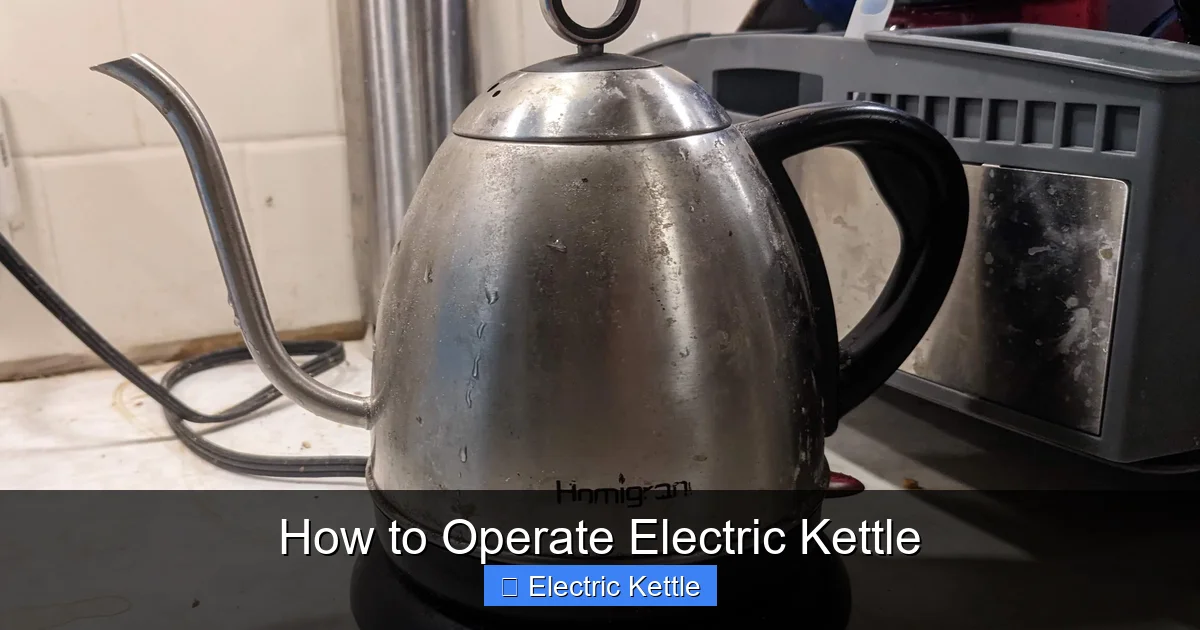
Visual guide about How to Operate Electric Kettle
Image source: jefftk.com
Operating an electric kettle might seem obvious, but doing it the right way ensures safety, efficiency, and great-tasting water. Let’s break it down into simple, actionable steps.
1. Unbox and Inspect Your Kettle
When you first get your electric kettle, don’t just plug it in and go. Take a moment to unbox it carefully and inspect all parts. Most electric kettles come with the kettle itself, a detachable base with a power cord, and sometimes a filter or user manual.
Check for any visible damage—cracks in the body, loose parts, or frayed cords. If anything looks off, contact the manufacturer or retailer before use. Also, locate the user manual. Even if you think you know how to operate electric kettle, the manual contains model-specific instructions, safety warnings, and care tips.
2. Wash Before First Use
Yes, even new kettles need a wash! Manufacturing residues, dust, or packaging materials might be inside. Rinse the interior with clean water—don’t use soap, as it can leave a taste. Then, fill the kettle to the maximum level with fresh water, boil it once, and discard the water. This “burn-in” cycle helps remove any lingering odors or impurities.
3. Fill with the Right Amount of Water
This is crucial. Every electric kettle has minimum and maximum water level markings inside. Never fill below the minimum—this can cause the heating element to overheat and damage the kettle (a condition called “dry boiling”). Similarly, don’t overfill past the maximum, as boiling water can spill out, creating a burn hazard or damaging the electrical components.
For most kettles, the minimum is around 0.5 liters (about 2 cups), and the maximum is 1.7 liters (around 7 cups), but always check your model. If you only need one cup of water, fill just above the minimum line. Using only the water you need saves energy and reduces boiling time.
4. Place on a Stable, Heat-Resistant Surface
Always place your kettle on a flat, dry, and heat-resistant surface—like a countertop or table. Avoid placing it on wooden surfaces that might warp or catch fire if water spills. Keep it away from the edge so it won’t get knocked over. Also, ensure the base is clean and dry before placing the kettle on it. Moisture can interfere with the electrical connection and pose a shock risk.
5. Plug In and Power On
Plug the kettle’s base into a grounded electrical outlet. Make sure your hands are dry before handling the plug or kettle. Once plugged in, place the kettle securely on the base. You’ll usually hear a soft click when it’s properly connected.
Now, press the power button or flip the switch. Most kettles have a simple on/off button, often with a light that turns on when heating. Some models have a lid that must be closed before the kettle will operate—this is a safety feature to prevent accidental spills.
6. Wait for the Boil and Auto-Shutoff
Once powered on, the kettle will begin heating. Depending on the amount of water and the kettle’s wattage (typically 1500–3000 watts), boiling takes 3 to 5 minutes. You’ll hear the water bubbling and see steam rising from the spout.
Most modern electric kettles have an auto-shutoff feature. Once the water reaches boiling point (100°C or 212°F at sea level), the kettle automatically turns off. This prevents overheating and saves energy. You’ll usually hear a click or see the power light go out.
7. Pour Safely
After the kettle shuts off, wait a few seconds before pouring. The water will still be extremely hot. Open the lid slowly to avoid steam burns. Pour carefully, especially if you’re making tea or coffee—hot water can splash if poured too quickly.
If your kettle has a gooseneck spout (common in pour-over coffee kettles), use it to control the flow for precision brewing.
8. Unplug and Store
Once you’re done, unplug the kettle from the wall. This is a simple but important safety step. Even when off, leaving it plugged in can pose a risk if there’s a power surge or malfunction. Let the kettle cool completely before storing or cleaning.
Understanding Your Electric Kettle’s Features
Not all electric kettles are created equal. While basic models just boil water, many come with advanced features that enhance convenience, safety, and precision. Understanding these features helps you get the most out of your appliance.
Temperature Control
One of the most useful features is variable temperature control. Instead of boiling water to 100°C every time, you can select lower temperatures—perfect for different types of tea or coffee.
For example:
– Green tea: 70–80°C (158–176°F) – boiling water can make it bitter.
– White tea: 80–85°C (176–185°F)
– Black tea: 95–100°C (203–212°F)
– Coffee (pour-over): 90–96°C (194–205°F)
If your kettle has this feature, use the dial or buttons to set the desired temperature. The kettle will heat to that level and automatically shut off—no guessing required.
Keep-Warm Function
Some kettles have a “keep-warm” or “保温” (pronounced “ho-on” in Japanese) function. After boiling, the kettle maintains the water at a set temperature (usually around 80–90°C) for 30 minutes to an hour. This is great if you’re making multiple cups of tea or need hot water for cooking later.
To use it, simply press the keep-warm button after boiling. The kettle will cycle on and off to maintain heat. Just remember to turn it off manually or unplug it when done—leaving it on too long can waste energy.
Auto Shut-Off and Boil-Dry Protection
These are critical safety features. Auto shut-off turns the kettle off when water reaches boiling point. Boil-dry protection detects if there’s no water inside and cuts power to prevent damage.
Never try to override these features. If your kettle shuts off unexpectedly, check the water level—it might be too low.
Water Level Window and Illumination
Many kettles have a transparent water level window with markings, so you can see how much water is inside without opening the lid. Some even have LED lights that illuminate the water as it heats—adding a nice visual touch and helping you see the level in low light.
Removable Limescale Filter
Hard water areas often cause limescale buildup inside kettles. A removable filter at the spout traps mineral deposits, keeping your water tasting fresh and protecting the heating element.
Check your filter regularly and clean it with vinegar or a descaling solution. If it’s damaged, replace it—most manufacturers sell replacement filters.
Safety Tips When Using an Electric Kettle
Electric kettles are generally safe, but like any electrical appliance, they require caution. Follow these tips to avoid accidents and extend the life of your kettle.
Never Operate an Empty Kettle
This is the number one rule. Running a kettle with no water can destroy the heating element in seconds. Always check the water level before turning it on. If you accidentally start it dry, unplug it immediately and let it cool. In most cases, it won’t work again—so prevention is key.
Keep Hands and Faces Away from Steam
Steam from boiling water can cause serious burns. When opening the lid or pouring, stand back slightly and tilt the lid away from you. Never lean over the kettle while it’s heating.
Use Only on a Stable Surface
A wobbly or uneven surface can cause the kettle to tip, spilling hot water. Always place it on a flat, dry countertop. Avoid using it near sinks, stovetops, or areas with splashing water.
Don’t Immerse the Base in Water
The base contains electrical components. Never submerge it in water or place it in a dishwasher. Clean only the kettle portion, and wipe the base with a damp cloth if needed.
Unplug When Not in Use
Even when off, leaving the kettle plugged in can be a fire hazard during power surges. Get in the habit of unplugging it after each use.
Keep Away from Children and Pets
Electric kettles get extremely hot. Keep them out of reach of children and pets. If you have curious kids, consider a kettle with a lockable lid or place it on a high, secure counter.
Check the Power Cord Regularly
Inspect the cord for fraying, cracks, or damage. A damaged cord can cause electric shocks or fires. If you notice any issues, stop using the kettle and contact the manufacturer.
Cleaning and Maintenance for Long-Lasting Performance
A clean kettle works better, lasts longer, and produces better-tasting water. Regular maintenance is essential—especially if you live in a hard water area.
Daily Cleaning
After each use, rinse the interior with clean water. Wipe the exterior with a soft, damp cloth. Don’t use abrasive cleaners or steel wool, as they can scratch the surface.
Monthly Descaling
Limescale buildup is the enemy of electric kettles. Over time, minerals from hard water form a chalky layer inside, reducing heating efficiency and affecting taste.
To descale:
1. Fill the kettle halfway with equal parts white vinegar and water.
2. Let it sit for 30–60 minutes.
3. Boil the solution, then let it cool.
4. Pour out the liquid and rinse thoroughly with clean water.
5. Boil fresh water once or twice to remove any vinegar taste.
Alternatively, use a commercial descaling solution—follow the instructions on the package.
Cleaning the Filter
If your kettle has a removable filter, take it out and rinse it under running water. Use a soft brush (like a toothbrush) to remove stubborn scale. Soak it in vinegar if needed.
Deep Cleaning the Exterior
For stainless steel kettles, use a mixture of baking soda and water to polish the surface. For plastic models, avoid harsh chemicals—stick to mild soap and water.
Storage Tips
When not in use, store the kettle in a dry place with the lid open to prevent odors. Don’t stack heavy items on top of it.
Troubleshooting Common Electric Kettle Problems
Even the best kettles can run into issues. Here’s how to fix the most common problems.
Kettle Won’t Turn On
– Check if it’s plugged in and the outlet is working.
– Ensure the kettle is properly seated on the base.
– Look for a reset button (some models have one under the handle)—press it if available.
– If none of these work, the thermostat or heating element may be faulty—contact the manufacturer.
Water Takes Too Long to Boil
– You may have too much water—try boiling smaller amounts.
– Limescale buildup can insulate the heating element—descale the kettle.
– The kettle might be underpowered for your needs—consider upgrading to a higher-wattage model.
Kettle Shuts Off Too Soon
– Check the water level—it might be below the minimum.
– The thermostat could be malfunctioning—test with a thermometer to see if water reaches boiling point.
– In rare cases, the auto-shutoff sensor is faulty—seek professional repair.
Strange Taste or Odor
– Residue from manufacturing or cleaning products—boil and discard water a few times.
– Limescale or mold—clean and descale thoroughly.
– If the problem persists, the interior coating may be degrading—replace the kettle.
Leaking Water
– Check the seal around the lid—it may be loose or damaged.
– Overfilling can cause spills—always stay below the max line.
– Cracks in the body—stop using immediately and replace.
Choosing the Right Electric Kettle for Your Needs
If you’re in the market for a new kettle, consider these factors to find the best fit.
Capacity
– Small (0.8–1.2L): Ideal for individuals or small households.
– Medium (1.5–1.7L): Great for families or frequent use.
– Large (2L+): Best for offices or large gatherings.
Material
– Stainless steel: Durable, easy to clean, retains heat well.
– Glass: Stylish and lets you see the water boil—but can break.
– Plastic: Lightweight and affordable—but may retain odors or degrade over time.
Features
– Temperature control: Essential for tea lovers.
– Keep-warm: Convenient for multiple uses.
– Rapid boil: Saves time—look for 3000W models.
– Quiet operation: Some kettles are designed to boil more quietly.
Brand and Warranty
Stick with reputable brands like Breville, Cuisinart, Hamilton Beach, or Fellow. Check the warranty—most offer 1–2 years of coverage.
Conclusion
Knowing how to operate electric kettle correctly is about more than just boiling water—it’s about safety, efficiency, and getting the best performance from your appliance. From filling it to the right level and using clean water, to regular descaling and understanding advanced features, these small steps make a big difference.
Whether you’re brewing the perfect cup of green tea, making instant coffee, or preparing hot water for cooking, your electric kettle is a reliable kitchen companion—when used properly. Follow the tips in this guide, and you’ll enjoy years of safe, fast, and delicious hot water.
So next time you press that button, do it with confidence. Your kettle is ready. You’re ready. Now go make that perfect cup.
Frequently Asked Questions
Can I use hot tap water in my electric kettle?
No, it’s best to use cold, fresh water. Hot tap water can contain more minerals and sediment, which increases limescale buildup and may affect taste.
How often should I descale my electric kettle?
Descale monthly if you use it daily, or every 2–3 months with occasional use. Hard water areas may require more frequent cleaning.
Is it safe to leave water in the kettle overnight?
It’s not recommended. Stagnant water can develop bacteria or absorb odors. Always empty and rinse the kettle after use.
Why does my kettle make a popping noise?
This is normal—it’s the sound of water boiling and steam escaping. However, loud or unusual noises could indicate limescale buildup or a faulty element.
Can I boil milk or soup in an electric kettle?
No, most electric kettles are designed for water only. Boiling milk or soup can damage the interior, clog the filter, and create a fire hazard.
What should I do if my kettle stops working?
First, check the power source and reset button. If it still doesn’t work, contact the manufacturer—many offer repairs or replacements under warranty.