Recycling your old electric kettle isn’t just good for the planet—it’s often easier than you think. With the right steps, you can ensure valuable materials like stainless steel and copper are recovered, while harmful components are handled safely. This guide walks you through everything from preparation to finding certified recyclers.
Key Takeaways
- Electric kettles are recyclable: Most parts, including metal bodies, heating elements, and some plastics, can be recovered and reused in new products.
- Never throw kettles in regular trash: They contain electronic components and metals that can harm the environment if landfilled.
- Check local e-waste programs: Many cities offer free drop-off locations or collection events for small appliances like kettles.
- Remove non-recyclable parts first: Detach cords, seals, and certain plastic casings before recycling to improve processing efficiency.
- Manufacturer take-back programs exist: Brands like Breville, Russell Hobbs, and Cuisinart often accept old models for responsible recycling.
- Data safety isn’t a concern: Unlike smartphones, electric kettles don’t store personal data—so no need to “wipe” them before recycling.
- Upcycling is an eco-friendly alternative: Turn your old kettle into a planter, lamp, or decorative piece if it’s still functional but no longer needed.
📑 Table of Contents
- Why Recycling Your Electric Kettle Matters
- What’s Inside an Electric Kettle? Understanding Its Components
- Step-by-Step Guide: How to Recycle Your Electric Kettle
- Where to Recycle Your Electric Kettle: Finding the Right Facility
- Common Mistakes to Avoid When Recycling Electric Kettles
- Creative Alternatives: Upcycling Your Old Electric Kettle
- The Bigger Picture: How Small Actions Add Up
- Conclusion: Make Recycling Your Default
Why Recycling Your Electric Kettle Matters
Let’s be honest—most of us have replaced an electric kettle at some point. Maybe it stopped heating, started leaking, or just looked outdated next to that shiny new smart model. But what happens when you toss it in the bin? Spoiler: it doesn’t just disappear.
Electric kettles may seem harmless, but they’re part of a growing category of waste called e-waste—electronic products that contain metals, plastics, and sometimes hazardous materials. When these items end up in landfills, heavy metals like lead, mercury, and cadmium can leach into soil and water, posing serious risks to ecosystems and human health. Even if your kettle seems “just a simple appliance,” it often contains copper wiring, stainless steel bodies, and internal circuitry that require specialized handling.
Recycling your electric kettle helps conserve natural resources. For example, recovering one ton of steel from recycled appliances saves over 2,500 pounds of iron ore, 1,400 pounds of coal, and 120 pounds of limestone. Plus, recycling reduces energy use—manufacturing new metal from recycled scrap uses up to 70% less energy than producing it from raw materials. By choosing to recycle, you’re not just disposing of an old appliance; you’re contributing to a circular economy where materials stay in use longer, reducing the need for destructive mining and manufacturing.
What’s Inside an Electric Kettle? Understanding Its Components
Before you decide how to recycle your electric kettle, it helps to know what you’re working with. Most modern electric kettles are made up of several key components, each with different recycling potential:
Metal Body and Base
The outer shell and inner chamber of most kettles are made from stainless steel or aluminum—both highly recyclable metals. Stainless steel, in particular, is prized in recycling because it retains its strength and corrosion resistance even after being melted down and reformed. These metals can be shredded, melted, and used to make everything from new appliances to car parts.
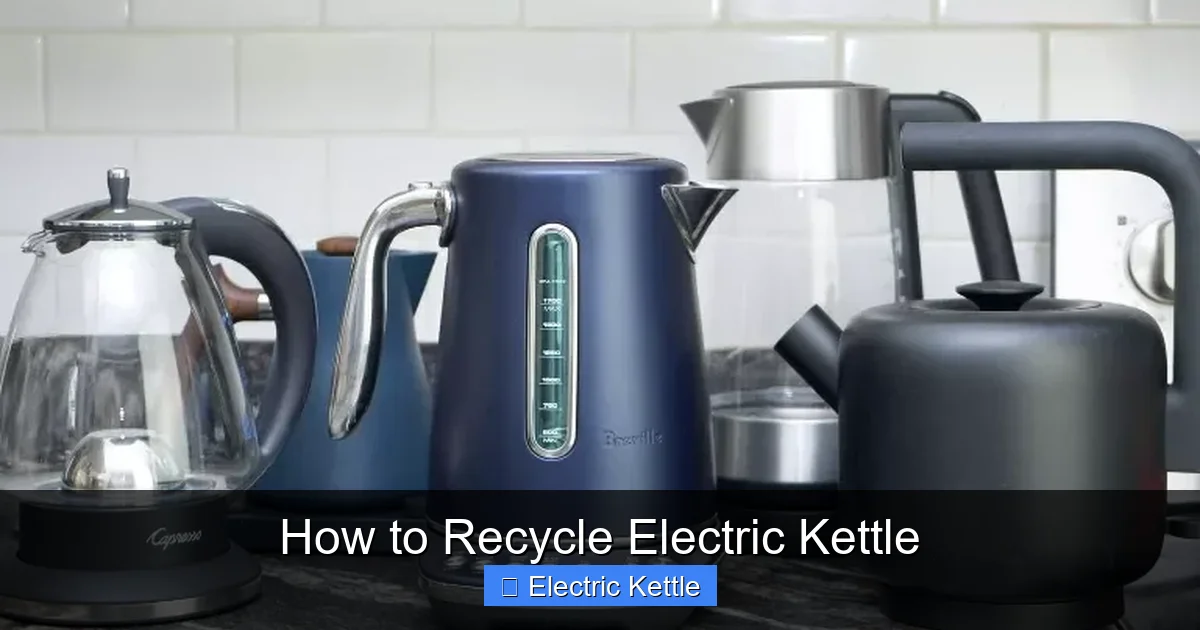
Visual guide about How to Recycle Electric Kettle
Image source: irrorwxhiqijjr5q.ldycdn.com
Heating Element
Tucked inside the base is a coiled heating element, usually made of nichrome (a nickel-chromium alloy) or copper. These conductive metals are valuable and can be extracted during the recycling process. While small in size, they add up when thousands of kettles are processed together.
Power Cord and Plug
The power cord contains copper wires wrapped in plastic insulation. Copper is one of the most recycled metals globally due to its high conductivity and value. However, the plastic coating must be separated before the copper can be reused—a step handled by professional e-waste recyclers.
Plastic Housing and Handles
Many kettles feature plastic components for insulation, grip, or design. Not all plastics are created equal: some are recyclable (like ABS or polypropylene), while others are not. Recyclers typically sort these materials using automated systems or manual inspection. If your kettle has a lot of mixed or low-grade plastic, it may end up being downcycled or, unfortunately, landfilled—which is why choosing kettles with minimal plastic in the future is a smart move.
Seals and Gaskets
Rubber or silicone seals prevent leaks around the lid and base. These materials are generally not recyclable through standard municipal programs and are often removed and disposed of separately during e-waste processing.
Electronic Controls (in Smart Kettles)
Higher-end models may include temperature sensors, LED displays, or Bluetooth connectivity. These contain small circuit boards with trace amounts of precious metals like gold and silver, as well as potentially harmful substances like lead solder. While the volume is tiny per unit, collectively, these components make proper e-waste handling essential.
Understanding these parts helps you see why simply tossing your kettle in the trash is a missed opportunity—and an environmental risk.
Step-by-Step Guide: How to Recycle Your Electric Kettle
Ready to give your old kettle a second life? Follow these practical steps to ensure it’s recycled responsibly:
Step 1: Confirm It’s Beyond Repair
Before recycling, ask yourself: Can this kettle be fixed? A loose cord, faulty switch, or mineral buildup might be easy fixes. Try descaling with vinegar, checking the power outlet, or tightening connections. If it still doesn’t work after basic troubleshooting, it’s time to move on.
Step 2: Unplug and Clean Thoroughly
Always unplug the kettle and let it cool completely. Then, rinse out any remaining water or scale. A clean appliance is safer for recyclers and prevents contamination during processing. Remove detachable parts like lids or filters if possible.
Step 3: Remove Non-Recyclable Parts (If Easy)
While most recyclers will handle disassembly, you can help by removing obvious non-recyclables. For example, take off rubber seals, silicone gaskets, or heavily degraded plastic pieces. Keep the main body, cord, and base intact—these contain the most valuable materials.
Step 4: Check Local Recycling Options
Not all recycling centers accept small appliances. Start by visiting your city or county’s waste management website. Look for “e-waste,” “household hazardous waste,” or “small appliance recycling” programs. Many municipalities offer free drop-off days or permanent collection sites.
Step 5: Use Retailer or Manufacturer Take-Back Programs
Some brands encourage recycling by offering incentives. For instance, Breville has a recycling program where you can mail in old appliances for free. Retailers like Best Buy and Staples also accept small electronics and appliances for recycling, often regardless of brand or purchase history.
Step 6: Prepare for Drop-Off or Pickup
Pack your kettle securely to prevent damage during transport. If using a mail-in program, follow the provider’s packaging guidelines. For curbside or drop-off programs, place the kettle in a clear bag or box labeled “E-Waste” if required.
Step 7: Get a Receipt (Optional but Helpful)
If you’re concerned about accountability, ask for a receipt confirming your item was accepted for recycling. Some certified recyclers provide documentation that your appliance was processed responsibly, which can be useful for businesses or eco-conscious individuals tracking their impact.
By following these steps, you ensure your kettle doesn’t end up in a landfill and that its materials are given a new purpose.
Where to Recycle Your Electric Kettle: Finding the Right Facility
Knowing where to recycle is half the battle. Here are the most reliable options, depending on your location and resources:
Municipal E-Waste Collection Centers
Many cities operate permanent or seasonal e-waste drop-off sites. These facilities are designed to handle everything from phones to toasters. Search online for “[Your City] e-waste recycling” to find nearby locations. Some even offer home pickup for seniors or disabled residents.
Retailer Recycling Programs
Major electronics and appliance retailers often partner with certified recyclers. Best Buy, for example, accepts small kitchen appliances year-round, with no purchase required. IKEA also has a sustainability initiative that includes recycling old appliances when you buy new ones.
Manufacturer Take-Back Initiatives
Check the brand’s website. Companies like Russell Hobbs, KitchenAid, and Smeg often list recycling options under “Sustainability” or “Support” sections. Some provide prepaid shipping labels, making it easy to send your old kettle back at no cost.
Nonprofit and Community Organizations
Local environmental groups, schools, or churches sometimes host e-waste drives. These events are great for recycling multiple items at once and supporting community efforts. Keep an eye on local event listings or social media groups.
Certified E-Waste Recyclers
Look for recyclers certified by organizations like R2 (Responsible Recycling) or e-Stewards. These certifications ensure that recyclers follow strict environmental and safety standards, including proper handling of hazardous materials and ethical labor practices. You can search for certified facilities on the R2 or e-Stewards websites.
Mail-In Recycling Services
If you live in a rural area or lack local options, consider mail-in services like Call2Recycle or Earth911’s directory. These platforms connect you with recyclers who accept small appliances via postal service. Costs vary, but many offer free shipping for certain items.
Always call ahead or check websites for current policies—some locations may have size limits, fees, or specific drop-off hours.
Common Mistakes to Avoid When Recycling Electric Kettles
Even with good intentions, it’s easy to make errors that reduce recycling effectiveness or create safety hazards. Here’s what to avoid:
Tossing It in Regular Recycling Bins
Most curbside recycling programs don’t accept small appliances. Putting your kettle in the blue bin can contaminate entire batches of recyclables, leading to rejection at sorting facilities. Always use designated e-waste channels.
Leaving Water or Scale Inside
A damp or scaled kettle can damage machinery or pose slip hazards for workers. Always empty and dry your appliance before recycling.
Assuming All Plastics Are Recyclable
While some plastic parts can be recycled, many are too small, mixed, or low-grade for standard processing. Don’t assume your local center will accept them—focus on getting the whole unit to a proper e-waste handler instead.
Ignoring Data Privacy Concerns (Even Though There Are None)
Unlike laptops or phones, electric kettles don’t store personal data. You don’t need to “factory reset” or wipe anything. However, if your kettle has a digital display or app connectivity, double-check the manual—some smart models may have minimal memory, but it’s rarely a privacy risk.
Breaking the Kettle Yourself
Attempting to dismantle your kettle at home can be dangerous due to sharp edges, electrical components, or residual heat. Leave disassembly to professionals who have the tools and training.
Choosing Uncertified Recyclers
Not all recyclers are ethical. Some export e-waste to developing countries where it’s dumped or burned, causing severe pollution. Always verify certifications and ask about downstream processing.
Avoiding these pitfalls ensures your recycling effort actually benefits the environment—not harms it.
Creative Alternatives: Upcycling Your Old Electric Kettle
If your kettle still works—or even if it doesn’t—you might not need to recycle it right away. Upcycling gives it a new purpose while keeping it out of the waste stream.
Turn It Into a Self-Watering Planter
Drill a small hole in the bottom of the kettle and fill it with soil. Plant herbs like basil or mint, then use the spout to slowly release water into the soil. The metal body helps retain moisture, making it perfect for sunny windowsills.
Create a Unique Desk Lamp
With basic electrical skills, you can convert the kettle into a retro-style lamp. Remove the heating element, install a low-wattage LED bulb inside, and run the cord through the spout. Paint the exterior for a custom look.
Use as a Storage Container
The sturdy metal body makes an excellent organizer for pens, tools, or craft supplies. Remove the cord and lid, then label it for easy access.
Donate to Schools or Art Programs
Art teachers often welcome unconventional materials for sculpture or science projects. A broken kettle could become part of a kinetic art piece or a lesson on conductivity.
Gift It to a Thrift Store (If Functional)
If your kettle still boils water, consider donating it to a local charity shop. Someone else might appreciate a second chance at a low cost.
Upcycling isn’t just eco-friendly—it’s also a fun way to express creativity and extend the life of everyday objects.
The Bigger Picture: How Small Actions Add Up
Recycling one electric kettle might seem insignificant, but collective action drives real change. Globally, we generate over 50 million tons of e-waste each year—and only about 20% is properly recycled. The rest ends up in landfills, incinerators, or informal recycling operations where workers—including children—are exposed to toxic chemicals.
When you choose to recycle your kettle, you’re part of a growing movement toward responsible consumption. You’re also sending a message to manufacturers: consumers care about sustainability. This pressure encourages companies to design longer-lasting, repairable, and recyclable products.
Moreover, recycling supports green jobs. The e-waste recycling industry employs thousands worldwide in safe, regulated facilities that recover valuable materials and reduce environmental harm. Every kettle you recycle contributes to this positive cycle.
Think of it this way: if just 1 million people recycled one electric kettle instead of trashing it, we’d recover enough steel to build 500 school buses and enough copper to wire 10,000 homes. Small choices, multiplied, create big impacts.
Conclusion: Make Recycling Your Default
Your old electric kettle doesn’t have to end its journey in a landfill. With a little effort, you can ensure its materials are reused, its environmental footprint minimized, and its potential maximized—whether through recycling, upcycling, or donation. The process is simpler than you might think, and the benefits are far-reaching.
Start by checking local e-waste options, preparing your kettle properly, and choosing certified recyclers. Share what you’ve learned with friends and family—because sustainability grows when we act together. Next time you upgrade your kitchen, remember: responsible disposal isn’t an afterthought. It’s part of the purchase.
So go ahead—give that old kettle the send-off it deserves. The planet will thank you.
Frequently Asked Questions
Can I recycle my electric kettle in my regular curbside bin?
No, most curbside recycling programs do not accept small appliances like electric kettles. They require special handling due to their mixed materials and electronic components. Always use designated e-waste recycling channels instead.
Do I need to remove the power cord before recycling?
Not necessarily—most certified e-waste recyclers will remove and process the cord separately. However, if you can easily detach it and your local program accepts copper wire, you may choose to do so to increase recycling efficiency.
Are smart electric kettles harder to recycle than basic models?
They contain slightly more electronic components, but the recycling process is similar. The main difference is that smart kettles may have small circuit boards, which are safely handled by certified e-waste facilities. No special preparation is needed beyond cleaning and unplugging.
What if my local recycling center doesn’t accept kettles?
Look for manufacturer take-back programs, retailer drop-offs (like Best Buy), or mail-in services. You can also contact your local waste authority to request future e-waste collection events or advocate for expanded services.
Is it safe to recycle a kettle that leaked or sparked?
Yes, as long as it’s cool, dry, and unplugged. Inform the recycler about any damage so they can handle it appropriately. Avoid attempting to repair or disassemble it yourself due to electrical risks.
Can I donate my broken electric kettle?
Only if it’s being used for parts, art, or educational purposes. Most charities won’t accept non-functional appliances for resale. However, schools, repair cafes, or upcycling groups might welcome it for creative projects.