Brown stains in your electric kettle are often caused by mineral buildup from hard water. Fortunately, they’re easy to remove with common household ingredients like vinegar, lemon, and baking soda. With simple steps and regular maintenance, you can keep your kettle spotless and your water tasting fresh.
Key Takeaways
- Brown stains are usually limescale or mineral deposits from hard water, not rust or mold, and are harmless but unsightly.
- White vinegar is the most effective natural cleaner for dissolving mineral buildup without damaging your kettle.
- Lemon juice works well for light stains and leaves a fresh scent, making it ideal for regular maintenance.
- Baking soda paste tackles stubborn spots when combined with water and gentle scrubbing.
- Regular cleaning every 2–4 weeks prevents buildup and extends the life of your electric kettle.
- Always rinse thoroughly after cleaning to avoid altering the taste of your water or beverages.
- Use filtered or distilled water to reduce future mineral deposits and staining.
📑 Table of Contents
Why Do Brown Stains Appear in Your Electric Kettle?
If you’ve noticed brown or rust-colored stains inside your electric kettle, you’re not alone. Many people assume these marks are rust or mold, but in most cases, they’re actually mineral deposits—commonly known as limescale. These deposits form when hard water is heated repeatedly. Hard water contains high levels of calcium and magnesium, which don’t evaporate with the water. Instead, they settle on the heating element and interior surfaces, creating a chalky, brownish film over time.
This buildup isn’t just an eyesore—it can affect your kettle’s performance. Limescale acts as an insulator, making it harder for the heating element to warm the water efficiently. This means your kettle takes longer to boil and uses more energy. In severe cases, the scale can even flake off into your water, affecting the taste of your tea, coffee, or other hot beverages. While the stains themselves aren’t harmful to drink, they’re a sign that your kettle needs attention.
Understanding the root cause is the first step to solving the problem. If you live in an area with hard water—common in many parts of the U.S., the U.K., and Australia—you’re more likely to see these stains. Even if your water looks clear, it can still contain dissolved minerals that accumulate with each use. The good news? These stains are completely removable with the right approach. And the best part? You probably already have the tools you need at home.
Common Misconceptions About Kettle Stains
One of the biggest misconceptions is that brown stains mean your kettle is rusting. While metal kettles can rust over time, most modern electric kettles are made from stainless steel or plastic with a stainless steel heating coil. Rust is rare unless the kettle is damaged or poorly maintained. More often, the brown color comes from iron deposits in the water or the oxidation of minerals like calcium carbonate.
Another myth is that boiling water kills all contaminants, so stains don’t matter. While boiling does kill bacteria, it doesn’t remove mineral buildup. In fact, boiling hard water accelerates the formation of limescale. Some people also worry that stained kettles are unsafe to use. As long as the stains are mineral-based and not mold or chemical residue, your kettle is still safe—just less efficient and less pleasant to use.
Top Natural Methods to Remove Brown Stains
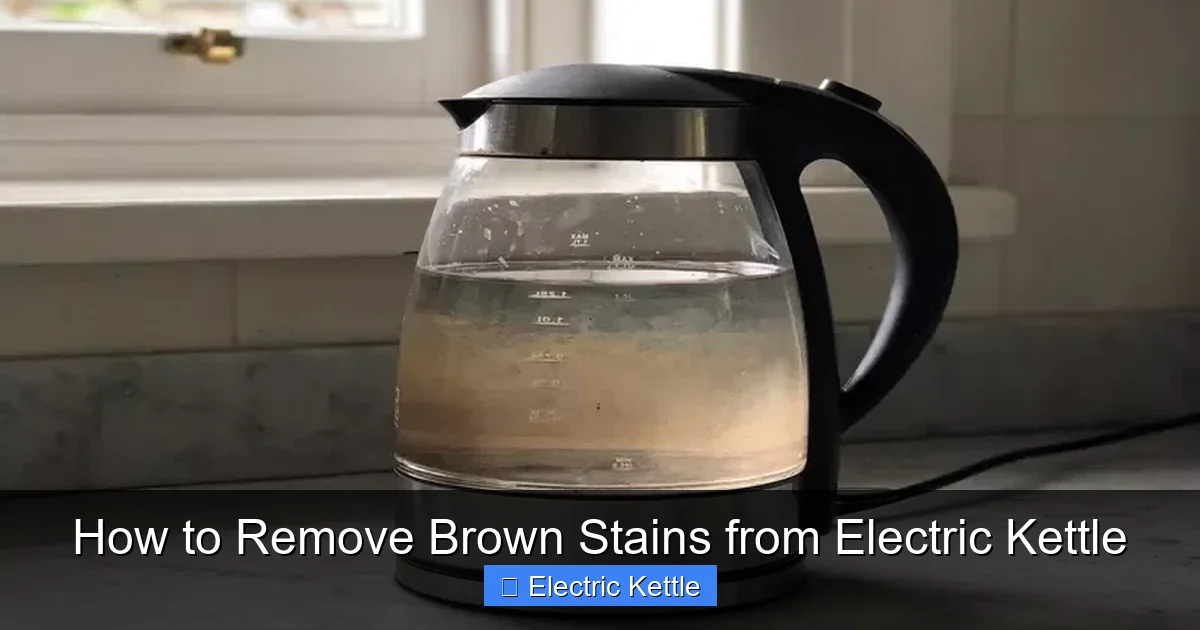
Visual guide about How to Remove Brown Stains from Electric Kettle
Image source: irrorwxhiqijjr5q.ldycdn.com
When it comes to cleaning your electric kettle, you don’t need harsh chemicals or expensive products. Some of the most effective solutions are already in your kitchen. Natural cleaners like white vinegar, lemon juice, and baking soda are safe, affordable, and eco-friendly. They break down mineral deposits without damaging the kettle’s interior or leaving harmful residues.
These methods are also gentle on the environment and your health. Unlike commercial descalers, which may contain strong acids or artificial fragrances, natural cleaners are non-toxic and biodegradable. Plus, they’re just as effective—if not more so—when used correctly. Whether you’re dealing with light discoloration or heavy buildup, one of these methods will likely do the trick.
Method 1: White Vinegar Solution
White vinegar is the gold standard for removing limescale and brown stains from electric kettles. Its acetic acid content dissolves mineral deposits quickly and thoroughly. This method works on both stainless steel and plastic kettles and is safe for regular use.
To clean your kettle with vinegar, start by filling it halfway with equal parts white vinegar and water. For example, use 1 cup of vinegar and 1 cup of water. Turn on the kettle and bring the solution to a boil. Once it reaches boiling point, turn off the kettle and let the mixture sit for 20 to 30 minutes. This gives the vinegar time to break down the mineral buildup.
After soaking, pour out the vinegar solution and scrub the inside gently with a soft sponge or brush. Pay special attention to the heating element and any stained areas. If there’s still residue, repeat the process or let the solution sit longer—up to an hour for tough stains. Finally, rinse the kettle thoroughly with clean water at least three times to remove any vinegar taste. Run a cycle with fresh water and boil it once more to ensure all traces are gone.
For maintenance, clean your kettle with vinegar every 2 to 4 weeks, depending on how often you use it and how hard your water is. This prevents buildup and keeps your kettle running efficiently.
Method 2: Lemon Juice Treatment
Lemon juice is another excellent natural cleaner, especially if you prefer a fresh, citrusy scent over vinegar’s sharp odor. Like vinegar, lemon contains citric acid, which effectively dissolves limescale and light brown stains. It’s ideal for regular cleaning and works well on kettles with mild to moderate buildup.
To use lemon juice, cut a fresh lemon in half and squeeze the juice into your kettle. Add enough water to fill it about halfway. You can also add the lemon rinds for extra cleaning power and fragrance. Boil the mixture, then let it sit for 30 minutes to an hour. The citric acid will work to loosen the mineral deposits.
After soaking, pour out the lemon water and scrub the interior with a soft sponge. Rinse thoroughly with clean water and run a full boil cycle with fresh water to eliminate any lemon taste. This method not only cleans but also leaves your kettle smelling fresh—perfect if you’re sensitive to vinegar.
For best results, use this method once a month or whenever you notice the first signs of staining. Lemon juice is also great for spot-cleaning small areas or maintaining a clean kettle between deep cleans.
Method 3: Baking Soda Paste for Stubborn Stains
When vinegar and lemon aren’t enough, baking soda comes to the rescue. This mild abrasive is perfect for scrubbing away stubborn brown stains without scratching your kettle’s surface. It’s especially useful for kettles with textured interiors or hard-to-reach spots.
To make a baking soda paste, mix 2 to 3 tablespoons of baking soda with a small amount of water until it forms a thick, spreadable consistency. Use a soft cloth or sponge to apply the paste directly to the stained areas. Gently scrub in circular motions, focusing on the heating element and the bottom of the kettle where buildup tends to accumulate.
Let the paste sit for 10 to 15 minutes to allow it to break down the minerals. Then, rinse thoroughly with water. If needed, follow up with a vinegar rinse to neutralize any remaining residue and ensure a deep clean. Baking soda is safe for both stainless steel and plastic kettles, but avoid using it on kettles with non-stick coatings unless specified by the manufacturer.
This method works best for localized stains or when you want to target specific areas without filling the entire kettle. It’s also a great option if you’ve recently used vinegar and want to avoid mixing acids.
Step-by-Step Cleaning Guide for Best Results
Cleaning your electric kettle doesn’t have to be complicated. With a clear plan and the right tools, you can restore it to like-new condition in under an hour. Follow this step-by-step guide to ensure a thorough and safe cleaning every time.
Preparation: Safety First
Before you begin, unplug your kettle and let it cool completely. Never clean a hot or recently used kettle, as the sudden temperature change can damage the materials. Remove any detachable parts, such as the filter or lid, if your model allows. Check the manufacturer’s instructions to see if any components are dishwasher-safe or require special care.
Gather your cleaning supplies: white vinegar or lemon juice, baking soda (if needed), a soft sponge or brush, and clean water. Avoid using steel wool, abrasive pads, or harsh scrubbers, as they can scratch the interior and create spots for future buildup.
Deep Cleaning Process
Start by choosing your preferred cleaning method—vinegar, lemon, or baking soda. For most users, vinegar is the most reliable option. Fill the kettle halfway with a 1:1 mixture of white vinegar and water. Boil the solution, then let it sit for 30 minutes. Pour out the liquid and scrub gently with a sponge.
If stains remain, repeat the process or switch to baking soda paste for targeted scrubbing. After cleaning, rinse the kettle at least three times with fresh water. Fill it completely, boil, and discard the water to remove any lingering taste or odor.
For kettles with visible scale on the heating element, use a soft brush or toothbrush to gently scrub the coil. Be careful not to bend or damage it. Once clean, reassemble any removed parts and your kettle is ready to use.
Post-Cleaning Tips
After cleaning, wipe the exterior with a damp cloth to remove fingerprints or water spots. Dry it thoroughly to prevent watermarks. Store your kettle with the lid open to allow airflow and prevent moisture buildup, which can lead to mold or odors.
Keep a cleaning log or set a monthly reminder on your phone to maintain a regular schedule. Consistency is key to preventing heavy buildup and extending your kettle’s lifespan.
Preventing Future Brown Stains
The best way to deal with brown stains is to stop them from forming in the first place. While you can’t control the mineral content of your tap water, you can take simple steps to reduce buildup and keep your kettle cleaner for longer.
Use Filtered or Distilled Water
One of the most effective prevention methods is switching to filtered or distilled water. Water filters, such as pitcher filters or under-sink systems, remove many of the minerals that cause limescale. Distilled water has virtually no minerals, making it ideal for kettles in hard water areas.
While using filtered water may cost a bit more over time, it pays off in reduced cleaning frequency and improved kettle performance. It also enhances the taste of your beverages, as mineral-heavy water can give tea and coffee a flat or metallic flavor.
Regular Maintenance Routine
Set a cleaning schedule based on your usage. If you use your kettle daily, clean it every 2 weeks. For occasional use, once a month is sufficient. Even if you don’t see stains, a quick vinegar rinse every few weeks will prevent invisible buildup.
After each use, empty the kettle completely and wipe the interior with a dry cloth. This prevents water from sitting and depositing minerals. Avoid leaving water in the kettle overnight, especially if it’s hard water.
Choose the Right Kettle
If you live in a hard water area, consider investing in a kettle designed to resist limescale. Some models feature built-in filters, removable heating elements, or anti-scale coatings. While they may cost more upfront, they save time and effort in the long run.
Stainless steel kettles are generally easier to clean than plastic ones, as they don’t absorb odors or discolor as easily. Look for models with wide openings for easy access during cleaning.
When to Call a Professional or Replace Your Kettle
Most brown stains can be removed with DIY methods, but there are times when professional help or replacement is the best option. If your kettle has persistent stains that won’t come off after multiple cleanings, the interior may be damaged or corroded. This is rare but possible with older or low-quality models.
Signs that your kettle needs replacing include:
– Rust spots that appear even after cleaning
– A burnt or metallic taste in your water
– The heating element is visibly cracked or flaking
– The kettle takes significantly longer to boil than when new
If you notice any of these issues, stop using the kettle immediately. Continuing to use a damaged appliance can be a safety hazard and may affect your health.
For under-warranty kettles, contact the manufacturer for repair or replacement options. Many brands offer customer support and may send a replacement part or unit if the issue is covered.
Eco-Friendly Disposal Tips
When it’s time to replace your kettle, don’t just toss it in the trash. Many components, including metal and plastic parts, can be recycled. Check with your local waste management service to see if they accept small appliances. Some retailers also offer trade-in or recycling programs.
If the kettle is still functional, consider donating it to a thrift store or community center. Even if it has minor stains, a thorough cleaning can make it usable for someone else.
Conclusion
Brown stains in your electric kettle are a common but solvable problem. With the right knowledge and tools, you can easily restore your kettle to a clean, efficient state. Natural cleaners like vinegar, lemon, and baking soda are safe, effective, and affordable solutions that work for most types of buildup.
Regular maintenance is the key to preventing future stains and extending the life of your appliance. By using filtered water, cleaning on a schedule, and choosing the right kettle for your needs, you can enjoy fresh, great-tasting water without the hassle of scrubbing away stubborn deposits.
Remember, a clean kettle isn’t just about appearance—it’s about performance, safety, and taste. Take a few minutes each month to care for your kettle, and it will serve you well for years to come. Your morning tea or coffee will taste better, and you’ll save energy and money in the long run.
So the next time you spot those pesky brown stains, don’t panic. Grab a bottle of vinegar, follow the steps above, and say goodbye to limescale for good.
Frequently Asked Questions
Are brown stains in my electric kettle harmful?
No, brown stains are usually mineral deposits from hard water and are not harmful to drink. However, they can affect the taste of your beverages and reduce your kettle’s efficiency over time.
Can I use apple cider vinegar instead of white vinegar?
While apple cider vinegar contains acetic acid, it’s less effective and can leave a strong odor. White vinegar is recommended for cleaning because it’s more acidic and odorless after rinsing.
How often should I clean my electric kettle?
Clean your kettle every 2 to 4 weeks if you use it regularly. In hard water areas, more frequent cleaning may be needed to prevent heavy buildup.
Will cleaning with vinegar damage my kettle?
No, white vinegar is safe for most electric kettles, including stainless steel and plastic models. Just be sure to rinse thoroughly to avoid any vinegar taste.
Can I clean my kettle with soap and water?
Soap and water won’t remove mineral stains. They’re only useful for cleaning the exterior or rinsing after using acidic cleaners like vinegar or lemon.
What if the brown stains won’t come off?
If stains persist after multiple cleanings, the kettle may have internal damage or corrosion. Consider replacing it, especially if you notice rust or a metallic taste in your water.