Calcium buildup in your electric kettle can affect taste, performance, and longevity. This guide covers safe, effective methods like vinegar and citric acid to dissolve limescale and restore your kettle’s efficiency.
Key Takeaways
- Calcium buildup (limescale) is common in areas with hard water: It forms when minerals like calcium and magnesium are left behind after water evaporates.
- Vinegar is the most effective and affordable solution: Its acetic acid breaks down limescale quickly and safely.
- Citric acid is a natural, odor-free alternative: Ideal for those who dislike the smell of vinegar.
- Baking soda can help with light buildup: Best used in combination with vinegar for tougher deposits.
- Regular cleaning prevents severe buildup: Clean your kettle every 2–4 weeks depending on water hardness.
- Always rinse thoroughly after descaling: This ensures no cleaning residue affects your tea or coffee.
- Use filtered or distilled water to reduce future buildup: This simple habit extends your kettle’s life and improves taste.
📑 Table of Contents
Why Calcium Buildup Happens in Electric Kettles
If you’ve noticed a white, chalky substance inside your electric kettle, you’re not alone. This is calcium buildup, also known as limescale, and it’s one of the most common issues kettle owners face—especially if you live in an area with hard water. Hard water contains high levels of dissolved minerals, primarily calcium and magnesium. Every time you boil water, these minerals are left behind as the water evaporates. Over time, they accumulate on the heating element, the interior walls, and even the spout of your kettle.
This buildup isn’t just unsightly—it can seriously affect how well your kettle works. Limescale acts as an insulator, reducing the efficiency of the heating element. That means your kettle takes longer to boil water, uses more energy, and may even overheat. In severe cases, the buildup can cause the kettle to malfunction or stop working altogether. Plus, those mineral deposits can alter the taste of your water, giving your morning coffee or tea a slightly metallic or bitter flavor.
But here’s the good news: removing calcium buildup is simple, inexpensive, and doesn’t require harsh chemicals. With a few household ingredients and a little time, you can restore your kettle to like-new condition. Whether you’re dealing with a light film or thick, crusty deposits, this guide will walk you through the best methods to clean your electric kettle safely and effectively.
Signs You Have Calcium Buildup in Your Kettle
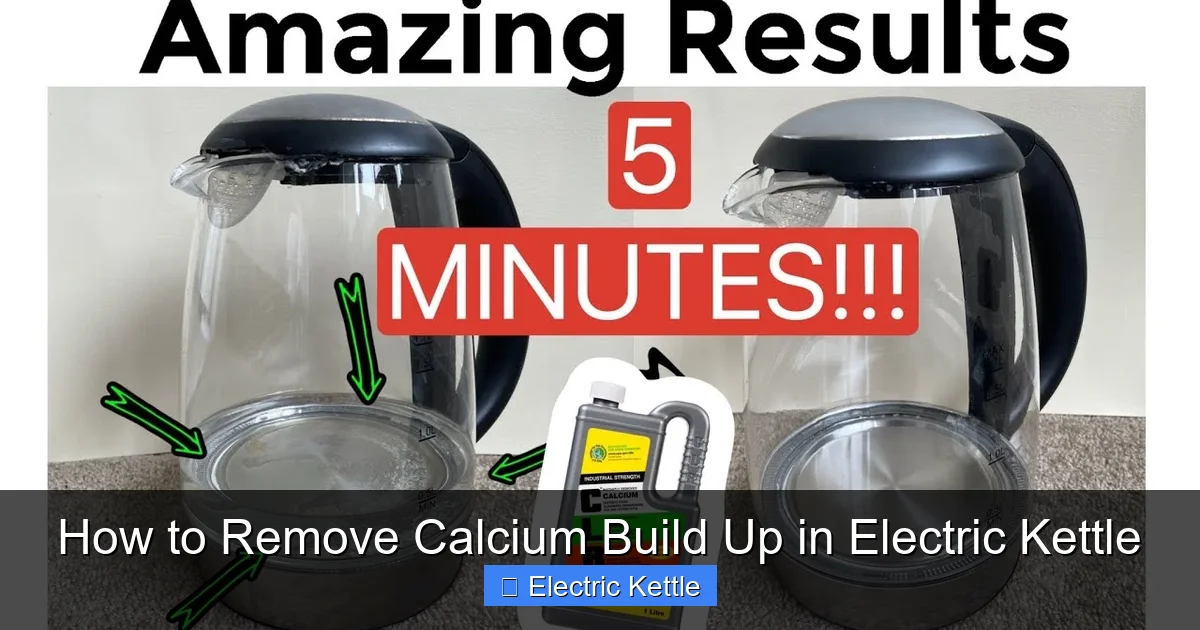
Before you start cleaning, it’s important to know whether you actually have calcium buildup. Some signs are obvious, while others are more subtle. The most common indicator is the presence of white, gray, or yellowish deposits inside the kettle. These can appear as a powdery film, flaky layers, or even hard, crusty patches—especially around the heating element at the bottom.
Visual guide about How to Remove Calcium Build Up in Electric Kettle
Image source: i.ytimg.com
Another telltale sign is longer boiling times. If your kettle used to boil water in under three minutes but now takes five or more, limescale could be to blame. The mineral layer insulates the heating element, so it takes more energy and time to heat the water. You might also notice a change in taste. If your tea or coffee suddenly tastes off, or if your water has a slight metallic aftertaste, mineral buildup could be leaching into your drinks.
Some people also report hearing unusual noises—like popping or crackling—during the boiling process. This happens when water gets trapped under the limescale and heats unevenly. In rare cases, the kettle may shut off prematurely due to overheating caused by inefficient heat transfer. If you notice any of these symptoms, it’s time to give your kettle a deep clean.
Best Methods to Remove Calcium Buildup
There are several effective ways to remove calcium buildup from your electric kettle, and most of them use ingredients you probably already have at home. The best method depends on the severity of the buildup and your personal preference. Below are the top three methods, ranked by effectiveness and ease of use.
Vinegar Solution (Most Effective)
White distilled vinegar is the gold standard for removing limescale. Its acetic acid content breaks down calcium carbonate—the main component of limescale—into water-soluble compounds that can be easily rinsed away. This method works quickly, even on heavy buildup, and is safe for most electric kettles.
To use vinegar, start by filling your kettle halfway with equal parts water and white vinegar. For example, if your kettle holds 1.7 liters, use about 425 ml of water and 425 ml of vinegar. Turn on the kettle and bring the solution to a boil. Once it reaches boiling point, turn off the kettle and let the mixture sit for at least 30 minutes—or up to an hour for heavy buildup.
After soaking, pour out the vinegar solution and scrub the inside gently with a soft sponge or brush. Avoid using abrasive scrubbers, as they can scratch the interior surface. Rinse the kettle thoroughly with clean water at least three times to remove any vinegar residue. Finally, fill the kettle with fresh water, boil it once, and discard the water. This final rinse ensures no vinegar taste remains.
Tip: If the vinegar smell bothers you, add a slice of lemon or a few drops of lemon juice to the solution. It helps neutralize the odor and adds extra cleaning power.
Citric Acid (Odor-Free Alternative)
If you’re sensitive to the smell of vinegar, citric acid is an excellent alternative. It’s a natural compound found in citrus fruits and is highly effective at dissolving limescale. Citric acid is also food-safe, non-toxic, and leaves no aftertaste.
To use citric acid, dissolve 1 to 2 tablespoons of food-grade citric acid powder in a liter of water. Pour the solution into your kettle, making sure it covers the affected areas. Heat the mixture until it begins to boil, then turn off the kettle and let it sit for 30 to 60 minutes. For stubborn buildup, you can leave it overnight.
After soaking, pour out the solution and scrub gently with a soft brush. Rinse the kettle thoroughly with clean water, then boil a full kettle of fresh water and discard it. This ensures all traces of citric acid are removed. Many people prefer this method because it’s odorless and leaves the kettle smelling fresh.
Tip: Citric acid is available at most grocery stores, health food shops, or online. Look for food-grade powder, not the crystalline form used in canning.
Baking Soda and Vinegar Combo (For Light to Moderate Buildup)
Baking soda (sodium bicarbonate) is mildly abrasive and can help loosen light limescale when combined with vinegar. This method is ideal if you don’t have citric acid on hand and want to avoid strong vinegar smells.
Start by mixing 1 to 2 tablespoons of baking soda with a small amount of water to form a paste. Use a soft cloth or sponge to apply the paste to the inside of the kettle, focusing on areas with visible buildup. Let it sit for 10 to 15 minutes.
Next, fill the kettle halfway with a 1:1 mixture of water and vinegar. The baking soda will react with the vinegar, creating a fizzing action that helps break down the limescale. Let the solution sit for 30 minutes, then scrub gently and rinse thoroughly. Finish by boiling a full kettle of clean water and discarding it.
Tip: This method works best for light buildup. For heavy limescale, stick with vinegar or citric acid alone.
Step-by-Step Cleaning Guide
Now that you know the best methods, here’s a simple step-by-step guide to cleaning your electric kettle safely and effectively. Follow these steps to ensure a thorough clean without damaging your appliance.
Step 1: Unplug the Kettle
Always unplug your kettle before cleaning. This is a critical safety step—never attempt to clean a plugged-in electric kettle, even if it’s turned off. Water and electricity don’t mix, and you want to avoid any risk of shock.
Step 2: Let the Kettle Cool Down
If you’ve just used the kettle, let it cool completely before cleaning. Pouring cold vinegar or citric acid into a hot kettle can cause thermal shock, potentially cracking the interior or damaging the heating element.
Step 3: Choose Your Cleaning Solution
Based on the severity of the buildup and your preference, select one of the methods above: vinegar, citric acid, or baking soda and vinegar. For most people, vinegar is the easiest and most effective choice.
Step 4: Fill and Boil
Fill the kettle with your chosen solution—half water, half vinegar, or citric acid dissolved in water. Turn on the kettle and bring the mixture to a boil. This helps activate the cleaning agents and loosen the limescale.
Step 5: Soak and Scrub
Turn off the kettle and let the solution sit for at least 30 minutes. For heavy buildup, leave it for an hour or overnight. After soaking, use a soft sponge or non-abrasive brush to gently scrub the interior. Pay special attention to the heating element and spout.
Step 6: Rinse Thoroughly
Pour out the cleaning solution and rinse the kettle with clean water at least three times. Any residue can affect the taste of your water, so don’t skip this step.
Step 7: Boil Fresh Water
Fill the kettle with fresh water, boil it once, and discard the water. This final rinse ensures all cleaning agents are completely removed and your kettle is ready to use.
Step 8: Dry and Store
Wipe the exterior with a dry cloth and let the interior air dry completely before storing or using. Avoid using the kettle while it’s still damp inside.
How Often Should You Clean Your Kettle?
The frequency of cleaning depends on how hard your water is and how often you use your kettle. If you live in an area with hard water—common in places like the Midwest, Southwest, and parts of the UK—you may need to clean your kettle every 2 to 4 weeks. In softer water areas, every 6 to 8 weeks may be sufficient.
As a general rule, clean your kettle at the first sign of buildup. Don’t wait until the limescale becomes thick and crusty, as it will take longer to remove and may damage the kettle over time. If you use your kettle daily, consider marking a reminder on your calendar or setting a monthly phone alert.
Regular cleaning not only improves performance but also extends the life of your kettle. A well-maintained kettle boils water faster, uses less energy, and delivers better-tasting beverages. Plus, it reduces the risk of overheating and electrical issues.
Preventing Future Calcium Buildup
While cleaning is essential, prevention is even better. Here are some simple habits to reduce calcium buildup and keep your kettle in top condition.
Use Filtered or Distilled Water
The easiest way to prevent limescale is to use water with fewer minerals. Filtered water removes many of the calcium and magnesium ions that cause buildup. Distilled water is even better—it’s completely mineral-free. While it may cost a bit more, using distilled water can significantly reduce how often you need to clean your kettle.
Empty the Kettle After Each Use
Don’t leave water sitting in your kettle for long periods. Stagnant water allows minerals to settle and form deposits. After boiling, pour out any unused water and let the kettle dry completely.
Wipe Down the Interior Weekly
Even if you don’t see buildup, give the inside of your kettle a quick wipe with a damp cloth once a week. This removes any loose mineral particles before they harden.
Descale Regularly
Make descaling a part of your routine, even if you don’t notice buildup. A quick vinegar rinse every month can prevent serious problems down the line.
Common Mistakes to Avoid
While cleaning your kettle is simple, there are a few common mistakes that can reduce effectiveness or even damage your appliance.
Using Harsh Chemicals
Avoid commercial drain cleaners or bleach. These are too strong for electric kettles and can damage the interior lining or leave toxic residues. Stick to natural cleaners like vinegar, citric acid, or baking soda.
Scrubbing Too Hard
Don’t use steel wool or abrasive pads. They can scratch the surface, creating grooves where limescale can accumulate more easily. Use only soft sponges or brushes.
Not Rinsing Enough
Skipping the final rinse is a big mistake. Vinegar and citric acid can leave a strong taste if not thoroughly removed. Always rinse at least three times and boil fresh water before using.
Cleaning a Hot Kettle
Never add cold cleaning solutions to a hot kettle. The sudden temperature change can crack the interior or damage the heating element. Always let the kettle cool first.
Conclusion
Calcium buildup in your electric kettle is a common but manageable problem. With the right cleaning methods—like vinegar, citric acid, or a baking soda combo—you can easily remove limescale and restore your kettle’s performance. Regular maintenance not only improves efficiency and taste but also extends the life of your appliance.
By following the steps in this guide, you’ll keep your kettle clean, safe, and ready to brew your favorite beverages. Remember to clean it regularly, use filtered water when possible, and avoid common cleaning mistakes. A little effort goes a long way in ensuring your kettle stays in great shape for years to come.
Frequently Asked Questions
Can I use lemon juice instead of vinegar?
Yes, lemon juice contains citric acid and can help remove light limescale. However, it’s less concentrated than pure citric acid or vinegar, so it may take longer and require more scrubbing for heavy buildup.
Is it safe to drink water after descaling with vinegar?
Yes, as long as you rinse the kettle thoroughly and boil fresh water afterward. Vinegar is food-safe, and any residue will be removed during rinsing.
How do I know if my water is hard?
Hard water leaves spots on glasses, reduces soap lather, and causes scale buildup in appliances. You can also test it with a home water testing kit or check your local water report online.
Can I clean the exterior of my kettle with vinegar?
Yes, but dilute it with water (1:1) and wipe gently. Avoid getting vinegar on electrical components or the base. Always unplug the kettle first.
What if my kettle has a stainless steel interior?
Stainless steel is safe for vinegar and citric acid cleaning. Just avoid abrasive scrubbers and rinse thoroughly to prevent any metallic taste.
How long does it take for limescale to form?
It depends on water hardness and usage. In hard water areas, visible buildup can appear in just a few weeks with daily use.