Mineral deposits in your electric kettle aren’t just unsightly—they can affect taste and performance. Fortunately, removing them is quick, affordable, and doesn’t require harsh chemicals. With a few household ingredients and simple steps, you can restore your kettle to like-new condition in under an hour.
If you’ve noticed a chalky white or gray film lining the inside of your electric kettle, you’re not alone. These unsightly deposits—commonly known as limescale or mineral buildup—are a frequent issue, especially if you live in an area with hard water. While they might seem harmless at first, ignoring them can lead to longer boiling times, reduced heating efficiency, and even an unpleasant taste in your tea or coffee. Over time, thick layers of scale can damage the heating element, shortening the lifespan of your appliance.
The good news? Removing deposits from your electric kettle is simpler than you might think. You don’t need expensive descaling products or professional help. In fact, some of the most effective solutions are already in your kitchen pantry. Whether you prefer natural cleaners like vinegar and lemon or want to try a mild abrasive like baking soda, there’s a method that fits your lifestyle and comfort level. The key is consistency—regular maintenance prevents heavy buildup and keeps your kettle performing at its best.
In this guide, we’ll walk you through everything you need to know about how to remove deposits from electric kettle safely and effectively. From understanding what causes limescale to step-by-step cleaning methods and preventive tips, you’ll learn how to keep your kettle sparkling clean and your beverages tasting fresh. Whether you’re a daily tea drinker or just use your kettle occasionally, these practical strategies will help you maintain a hygienic and efficient appliance for years to come.
Key Takeaways
- Regular cleaning prevents buildup: Cleaning your electric kettle every 2–4 weeks stops hard water deposits from becoming stubborn and difficult to remove.
- Vinegar is a powerful natural cleaner: White distilled vinegar dissolves limescale effectively and is safe for most kettle interiors.
- Lemon juice offers a fresh alternative: The citric acid in lemon breaks down mineral deposits and leaves a pleasant scent.
- Baking soda works for light buildup: Ideal for gentle scrubbing and deodorizing, especially when combined with water or vinegar.
- Never use metal scrubbers: Abrasive tools can scratch the interior surface, creating spots for future deposits to cling to.
- Rinse thoroughly after cleaning: Always run multiple cycles of clean water through the kettle to remove any cleaning residue.
- Prevention is easier than removal: Using filtered water and drying the kettle after use reduces future deposit formation.
📑 Table of Contents
What Causes Deposits in Electric Kettles?
Mineral deposits in electric kettles are primarily caused by hard water—water that contains high levels of dissolved minerals like calcium and magnesium. When you heat water in your kettle, these minerals don’t evaporate. Instead, they precipitate out of the solution and cling to the interior surfaces, especially around the heating element and the bottom of the kettle. Over time, this forms a hard, chalky layer known as limescale.
The harder your water, the faster and thicker the buildup. If you live in an area with very hard water, you might notice deposits forming within just a few weeks of regular use. Even if your water seems relatively soft, repeated heating cycles will eventually lead to some level of scaling. This isn’t just a cosmetic issue. Limescale acts as an insulator, reducing the kettle’s ability to transfer heat efficiently. That means your kettle takes longer to boil, uses more electricity, and may overheat in some cases.
Another factor is evaporation. Every time you boil water and don’t fully empty the kettle, a small amount of mineral-rich water remains. As it dries, it leaves behind tiny crystals that accumulate with each use. If you frequently leave water sitting in the kettle, especially overnight, you’re accelerating the buildup process. Additionally, using unfiltered tap water instead of filtered or distilled water increases the mineral content entering your appliance.
Understanding the root cause helps you choose the right cleaning method and adopt habits that prevent future problems. For example, if you know your water is particularly hard, you might want to clean your kettle more frequently or consider installing a water softener. But even without major changes, simple routines—like emptying and rinsing the kettle after each use—can make a big difference.
Signs You Need to Clean Your Electric Kettle
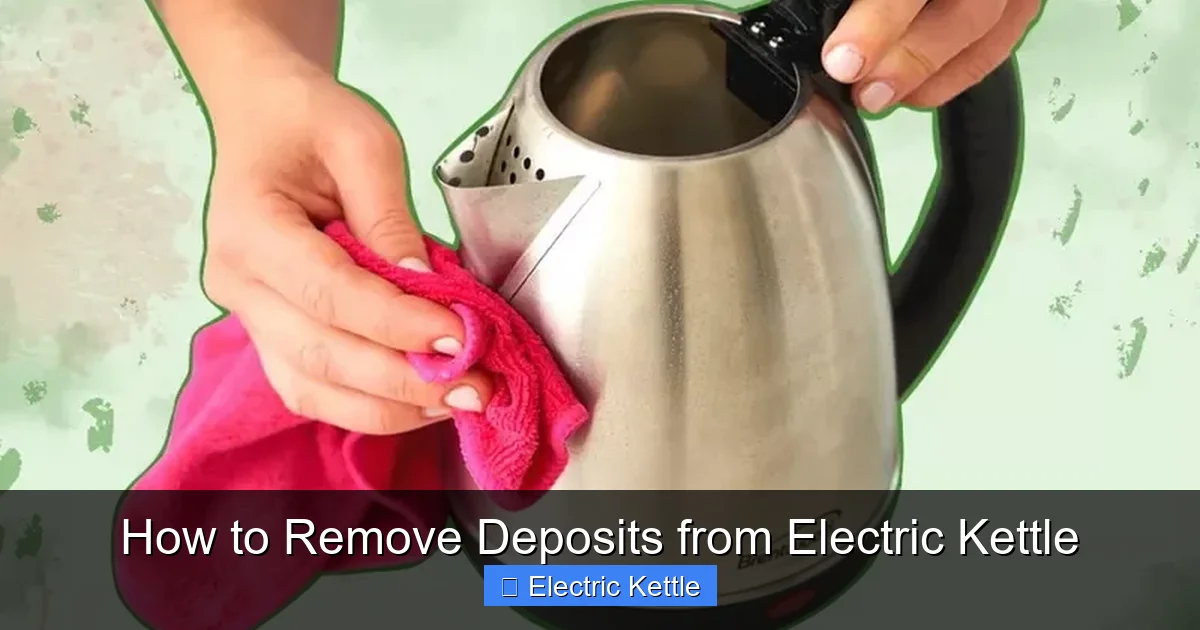
Visual guide about How to Remove Deposits from Electric Kettle
Image source: irrorwxhiqijjr5q.ldycdn.com
You don’t have to wait until your kettle looks like a science experiment to take action. There are several early warning signs that it’s time to remove deposits from your electric kettle. The most obvious is visual: a white, gray, or yellowish crust lining the interior, especially around the heating coil or base. This film may flake off or appear cloudy when you look inside.
Another telltale sign is a change in performance. If your kettle is taking noticeably longer to boil water than it used to, limescale could be insulating the heating element. You might also notice a strange taste or odor in your hot beverages, even if you’re using fresh tea bags or coffee. That’s because mineral deposits can absorb and release impurities, affecting the flavor of your drinks.
In some cases, you may hear unusual sounds—like popping or crackling—during the heating process. This happens when trapped minerals heat up and expand rapidly. While not immediately dangerous, it’s a sign that buildup is interfering with normal operation. Additionally, if you see floating particles in your boiled water or notice a cloudy appearance, it’s likely that scale is breaking loose from the interior.
Don’t ignore these signs. Even light buildup can reduce efficiency and affect taste. The sooner you address the problem, the easier it will be to clean. Waiting too long can lead to thick, cement-like deposits that require more aggressive treatment and longer soaking times. Regular inspection—say, once a month—can help you catch issues early and maintain your kettle in top condition.
Best Natural Methods to Remove Deposits
When it comes to cleaning your electric kettle, natural solutions are often the safest and most effective. They’re affordable, eco-friendly, and unlikely to leave harmful residues. Here are three of the best methods using common household ingredients.
Vinegar Solution (Most Effective)
White distilled vinegar is the gold standard for removing limescale. Its acetic acid content breaks down mineral deposits quickly and thoroughly. To use it, mix equal parts white vinegar and water—for example, 1 cup vinegar and 1 cup water—and pour the solution into your kettle. Fill it to about halfway or up to the minimum fill line to ensure the heating element is covered.
Turn on the kettle and bring the solution to a boil. Once it reaches boiling point, turn it off and let the mixture sit for 20 to 30 minutes. For heavy buildup, you can leave it overnight. The acid will dissolve the scale, turning it into a cloudy liquid. After soaking, pour out the solution and scrub the interior gently with a soft sponge or brush. Avoid using steel wool or abrasive pads, as they can scratch the surface.
Finally, rinse the kettle thoroughly with clean water. To remove any lingering vinegar smell, fill the kettle with fresh water, boil it, and discard the water. Repeat this step 2–3 times until the odor is completely gone. Your kettle should now be clean, shiny, and ready to use.
Lemon Juice Method (Fresh Scent)
If you prefer a citrusy alternative, lemon juice works wonders. Like vinegar, it contains natural acids that dissolve mineral deposits. Simply cut a fresh lemon in half and squeeze the juice into your kettle, adding the squeezed halves as well. Fill the kettle with water to the halfway point, ensuring the lemon pieces are submerged.
Boil the lemon-water mixture, then turn off the kettle and let it sit for 30 minutes to an hour. The citric acid will soften and loosen the scale. For tougher buildup, you can gently scrub the interior with a soft brush or sponge. The lemon pieces can also be used to rub stubborn spots.
After cleaning, discard the lemon and rinse the kettle thoroughly. Boil fresh water 2–3 times to eliminate any residual lemon taste. This method not only cleans effectively but also leaves your kettle smelling fresh and clean—perfect if you’re sensitive to vinegar odors.
Baking Soda Paste (Gentle Scrub)
For light buildup or as a follow-up to vinegar or lemon cleaning, baking soda is a gentle yet effective option. Make a thick paste by mixing 2–3 tablespoons of baking soda with a small amount of water. Use a soft cloth or sponge to apply the paste to the inside of the kettle, focusing on areas with visible deposits.
Gently scrub in circular motions, paying extra attention to the heating element and base. Let the paste sit for 10–15 minutes, then rinse thoroughly with water. For a deeper clean, you can combine baking soda with vinegar: add 1 tablespoon of baking soda to the kettle, then pour in vinegar. The fizzing reaction helps lift deposits. After it stops bubbling, add water and boil the mixture for 5–10 minutes.
Baking soda is especially useful for deodorizing and maintaining a clean interior between deep cleans. It’s safe for most kettle materials, including stainless steel and plastic, and won’t scratch surfaces when used properly.
Step-by-Step Cleaning Guide
Now that you know the best methods, here’s a simple, foolproof process to remove deposits from your electric kettle. Follow these steps for a thorough clean that’s safe and effective.
Step 1: Unplug and Cool Down
Always start by unplugging the kettle and letting it cool completely. Never attempt to clean a hot or recently used kettle, as this can cause burns or damage the appliance. Safety first!
Step 2: Empty and Rinse
Pour out any remaining water and rinse the interior with clean water. This removes loose debris and prepares the surface for cleaning.
Step 3: Choose Your Cleaning Solution
Select one of the natural methods above—vinegar, lemon, or baking soda—based on your preference and the level of buildup. For moderate to heavy deposits, vinegar is usually the best choice.
Step 4: Fill and Boil
Pour your chosen solution into the kettle, filling it to about halfway. Plug in the kettle and bring the liquid to a boil. This heats the solution and activates the cleaning agents.
Step 5: Soak and Scrub
Turn off the kettle and let the solution sit for 20–30 minutes (or longer for heavy buildup). After soaking, use a soft sponge or brush to gently scrub the interior. Focus on areas with visible scale, but avoid abrasive tools.
Step 6: Rinse Thoroughly
Pour out the cleaning solution and rinse the kettle multiple times with clean water. Any residue can affect the taste of your drinks.
Step 7: Boil Fresh Water
Fill the kettle with fresh water, boil it, and discard the water. Repeat this 2–3 times to ensure all traces of cleaning agents are gone.
Step 8: Dry and Store
Wipe the exterior with a dry cloth and leave the kettle open to air-dry completely before storing. This prevents moisture buildup and odors.
Preventing Future Buildup
Cleaning your kettle regularly is important, but prevention is even better. Here are practical tips to minimize future deposits and extend the life of your appliance.
Use Filtered or Distilled Water
Switching to filtered or distilled water significantly reduces mineral content. While it may not be practical for everyone, even using filtered tap water can make a noticeable difference over time.
Empty the Kettle After Each Use
Don’t let water sit in the kettle for long periods. After boiling, pour out any unused water and leave the lid open to dry. This prevents evaporation and mineral concentration.
Wipe the Interior Weekly
Once a week, wipe the inside of the kettle with a damp cloth to remove any early signs of buildup. This simple habit can prevent scale from forming.
Clean Every 2–4 Weeks
Even with preventive measures, some buildup is inevitable. Schedule a deep clean every 2–4 weeks, depending on your water hardness and usage frequency.
Avoid Overfilling
Only fill the kettle with the amount of water you need. Overfilling increases the surface area exposed to minerals and can lead to faster scaling.
Common Mistakes to Avoid
Even with the best intentions, it’s easy to make mistakes when cleaning your kettle. Avoid these common pitfalls to ensure safe and effective results.
Using Harsh Chemicals
Avoid commercial descalers with strong acids or bleach unless specifically designed for kettles. These can damage seals, coatings, or internal components.
Scrubbing with Metal Tools
Steel wool, metal brushes, or abrasive pads can scratch the interior, creating grooves where deposits accumulate more easily. Stick to soft sponges or brushes.
Not Rinsing Thoroughly
Residual vinegar or lemon can affect the taste of your drinks. Always rinse well and boil fresh water multiple times after cleaning.
Cleaning a Hot Kettle
Never add cold cleaning solutions to a hot kettle or clean it while it’s still warm. Sudden temperature changes can crack components or cause burns.
Ignoring the Exterior
While the interior is the main concern, don’t forget to wipe down the outside, handle, and base. Spills and splatters can attract dirt and bacteria.
When to Replace Your Kettle
No amount of cleaning can fix a kettle that’s reached the end of its life. If you notice rust, cracks, a malfunctioning heating element, or persistent odors that won’t go away after cleaning, it may be time to replace it. Most electric kettles last 3–5 years with proper care. Investing in a high-quality model with a removable limescale filter or stainless steel interior can also reduce future maintenance.
Conclusion
Keeping your electric kettle free of deposits doesn’t have to be a chore. With simple, natural cleaning methods and a few preventive habits, you can maintain a clean, efficient, and long-lasting appliance. Whether you choose vinegar, lemon, or baking soda, the key is consistency and care. Regular maintenance not only improves performance and taste but also saves energy and extends the life of your kettle.
By following the steps in this guide, you’ll be able to remove deposits from your electric kettle quickly and safely. Remember to clean every few weeks, use soft tools, and rinse thoroughly. And most importantly, enjoy your perfectly brewed tea or coffee—without the chalky aftertaste. A little effort goes a long way in keeping your kitchen appliances in top shape.
Frequently Asked Questions
How often should I clean my electric kettle?
For most users, cleaning every 2–4 weeks is sufficient. If you live in an area with very hard water or use your kettle daily, consider cleaning it weekly to prevent heavy buildup.
Can I use apple cider vinegar instead of white vinegar?
While apple cider vinegar contains acetic acid, it’s less effective and can leave a strong smell. White distilled vinegar is preferred for cleaning because it’s more potent and odorless after rinsing.
Is it safe to drink water after cleaning with vinegar?
Yes, as long as you rinse the kettle thoroughly and boil fresh water 2–3 times afterward. Any vinegar residue will be removed, and your drinks will taste normal.
Can I clean a plastic electric kettle the same way?
Yes, but avoid prolonged soaking with strong acids. Use diluted vinegar or lemon juice and rinse well to prevent any plastic taste or odor.
What if my kettle has a built-in filter?
Remove and clean the filter separately according to the manufacturer’s instructions. The interior cleaning process remains the same, but a clean filter helps reduce future deposits.
Does boiling water alone remove limescale?
No, boiling plain water doesn’t remove existing deposits. It can actually worsen buildup by concentrating minerals. You need an acidic solution like vinegar or lemon to dissolve limescale effectively.