Hard water stains in your electric kettle don’t have to be permanent. With common kitchen staples like white vinegar and lemon juice, you can easily dissolve mineral buildup and restore your kettle’s performance. Regular cleaning prevents scaling, improves taste, and extends your appliance’s lifespan.
If you’ve noticed a chalky white or gray film lining the inside of your electric kettle, you’re not alone. That unsightly residue is hard water stains—mineral deposits left behind when water evaporates. These stains are more than just an eyesore; they can affect how your kettle performs, alter the taste of your tea or coffee, and even shorten the life of your appliance. The good news? Removing hard water stains from an electric kettle is easier than you might think, and you probably already have the tools you need in your kitchen cabinet.
Hard water contains high levels of dissolved minerals like calcium and magnesium. When you boil water repeatedly, these minerals don’t evaporate—they settle on the heating element, the walls, and the spout, forming a crusty layer. Over time, this buildup reduces heating efficiency, causes strange noises, and can even lead to overheating. Plus, no one wants their morning cup of tea tasting like limescale. Fortunately, you don’t need harsh chemicals or professional cleaners to fix the problem. Simple, eco-friendly solutions like white vinegar and lemon juice can dissolve these deposits safely and effectively.
Key Takeaways
- White vinegar is the most effective natural cleaner: Its acetic acid dissolves calcium and magnesium deposits without damaging the kettle.
- Lemon juice works as a gentle alternative: Ideal for light stains and leaves a fresh scent, especially in stainless steel kettles.
- Regular maintenance prevents stubborn buildup: Clean your kettle every 2–4 weeks if you have hard water.
- Never use abrasive scrubbers: They can scratch interior surfaces and create hiding spots for bacteria.
- Rinse thoroughly after cleaning: Residual acid can affect taste and safety if not fully removed.
- Check your kettle’s material before cleaning: Glass, stainless steel, and plastic require slightly different care approaches.
- Boiling water alone won’t remove stains: Active cleaning with acidic solutions is necessary to break down mineral deposits.
📑 Table of Contents
Why Hard Water Stains Form in Electric Kettles
Hard water stains are a common issue for anyone living in areas with mineral-rich water. When water is heated, the minerals it contains—mainly calcium carbonate and magnesium—precipitate out of solution and cling to surfaces. In an electric kettle, this process happens every time you boil water, especially near the heating element where temperatures are highest. Over weeks or months, these tiny deposits accumulate into a thick, scaly layer that’s tough to ignore.
The problem isn’t just cosmetic. That layer of limescale acts as an insulator, forcing the heating element to work harder to reach boiling point. This increases energy consumption and can lead to longer boiling times. In severe cases, the buildup can cause the kettle to overheat, trip safety mechanisms, or even fail prematurely. Additionally, mineral residues can flake off into your water, affecting the flavor of beverages and potentially introducing unwanted particles into your drinks.
Some kettles are more prone to staining than others. Models with exposed heating coils tend to accumulate buildup faster because the minerals settle directly on the hot surface. Kettles with concealed heating elements may show less visible scaling, but the problem still exists underneath. Similarly, kettles made of glass or transparent plastic make it easier to spot stains, while stainless steel models may hide early signs of buildup until it becomes severe.
Understanding why hard water stains form is the first step toward preventing them. The key is knowing that boiling water alone won’t remove these deposits—they require a chemical reaction to break them down. That’s where acidic cleaners like vinegar and lemon come in. Their natural acids react with the alkaline minerals, turning them into soluble compounds that can be rinsed away.
Best Natural Cleaners for Hard Water Stains
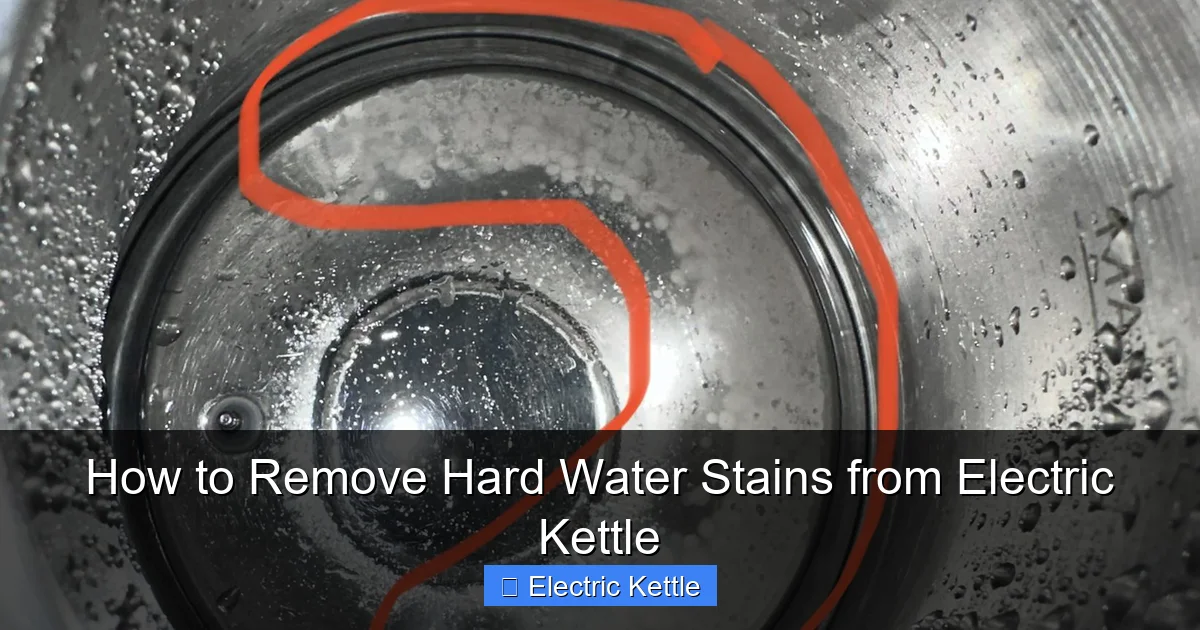
Visual guide about How to Remove Hard Water Stains from Electric Kettle
Image source: i.redd.it
When it comes to removing hard water stains from your electric kettle, you don’t need to reach for expensive commercial descalers. In fact, some of the most effective cleaners are already in your pantry. The top two natural options—white vinegar and lemon juice—are safe, affordable, and environmentally friendly.
White vinegar is the gold standard for descaling electric kettles. It contains about 5% acetic acid, which is strong enough to dissolve calcium and magnesium deposits but gentle enough not to damage most kettle materials. Vinegar is particularly effective because it’s a liquid, allowing it to reach all surfaces, including the hard-to-access areas around the heating element. Plus, it’s odorless once rinsed properly, so it won’t leave a lingering taste in your water.
Lemon juice is another excellent choice, especially if you prefer a fresher scent. The citric acid in lemons works similarly to vinegar, breaking down mineral buildup through a mild chemical reaction. Lemon juice is ideal for light to moderate staining and is a great option for stainless steel kettles, as it can also help restore shine. For best results, use freshly squeezed lemon juice rather than bottled versions, which may contain preservatives that reduce effectiveness.
Other natural options include citric acid powder (often sold as a descaling agent) and baking soda. While baking soda is a mild abrasive and can help scrub away surface stains, it’s less effective on heavy limescale because it’s not acidic. Citric acid, on the other hand, is highly effective and often used in commercial descalers. It’s especially useful for kettles with stubborn buildup or for people who want a scent-free solution.
One advantage of using natural cleaners is that they’re safe for both you and your appliance. Unlike chemical descalers, which may contain harsh solvents or require special handling, vinegar and lemon juice are food-safe and non-toxic. This makes them ideal for cleaning appliances that come into contact with drinking water. Just remember to rinse thoroughly after cleaning to remove any residual acid.
Step-by-Step Guide to Cleaning with Vinegar
Cleaning your electric kettle with vinegar is simple, effective, and takes less than 30 minutes. Here’s a detailed, step-by-step method to remove hard water stains safely and thoroughly.
What You’ll Need
- White vinegar (distilled or cleaning-grade)
- Water
- A soft cloth or sponge
- A toothbrush (optional, for scrubbing)
- A kettle with removable parts (if applicable)
Step 1: Prepare the Cleaning Solution
Start by mixing equal parts white vinegar and water. For most kettles, a 1:1 ratio works well. If your kettle has heavy buildup, you can use undiluted vinegar, but this is usually unnecessary and may produce a stronger odor. Pour the mixture into the kettle, making sure it covers the stained areas—especially the heating element and the bottom where minerals accumulate.
Step 2: Let It Sit
Allow the vinegar solution to sit in the kettle for at least 30 minutes. For light stains, 30 minutes is usually enough. For more stubborn buildup, let it soak for 1–2 hours or even overnight. The longer it sits, the more time the acetic acid has to break down the mineral deposits. If you’re in a hurry, you can speed up the process by gently heating the solution (without boiling) for 5–10 minutes, then letting it cool.
Step 3: Boil the Solution (Optional but Recommended)
For best results, bring the vinegar-water mixture to a boil. This helps accelerate the chemical reaction and ensures the solution reaches all parts of the kettle. Let it boil for 5–10 minutes, then turn off the kettle and let it cool completely. Never handle a hot kettle with vinegar inside—always wait until it’s safe to touch.
Step 4: Scrub Gently
Once the kettle has cooled, pour out the vinegar solution. You’ll likely see a milky or cloudy liquid—this is the dissolved minerals. Use a soft sponge or cloth to wipe the interior. For tough spots, especially around the spout or heating element, use a soft-bristled toothbrush to gently scrub. Avoid using steel wool or abrasive pads, as they can scratch the surface and create grooves where bacteria can grow.
Step 5: Rinse Thoroughly
Rinse the kettle several times with clean water to remove all traces of vinegar. Fill it, swish the water around, and pour it out. Repeat this process 3–4 times. Any leftover vinegar can affect the taste of your water, so thorough rinsing is essential.
Step 6: Run a Water-Only Cycle
Fill the kettle with fresh water and boil it once more. This helps flush out any remaining residue and ensures your next cup of tea or coffee tastes clean. After boiling, discard the water and wipe the interior dry with a clean cloth.
Step 7: Clean Removable Parts
If your kettle has a removable filter or lid, take them out and soak them in the vinegar solution as well. Use a toothbrush to clean small crevices where minerals can hide. Rinse and dry before reassembling.
This vinegar method works on most electric kettles, including glass, stainless steel, and plastic models. However, always check your manufacturer’s guidelines—some kettles may have specific cleaning instructions or material restrictions.
Using Lemon Juice to Remove Stains
If you prefer a fresher scent or don’t have vinegar on hand, lemon juice is a fantastic alternative for removing hard water stains. Its natural citric acid content makes it highly effective at breaking down mineral deposits, and it leaves your kettle smelling clean and citrusy.
How to Clean with Lemon Juice
Start by cutting a fresh lemon in half and squeezing the juice into your kettle. You’ll need about ½ to 1 cup of juice, depending on the size of your kettle. Add enough water to cover the stained areas—usually about the same amount as the juice. For example, use ½ cup lemon juice and ½ cup water.
Let the mixture sit for 30 minutes to 1 hour. For tougher stains, you can gently heat the solution (without boiling) for 5–10 minutes to speed up the reaction. Then, bring the mixture to a boil and let it simmer for another 5 minutes. Turn off the kettle and allow it to cool completely.
Once cooled, pour out the lemon solution and scrub the interior with a soft sponge or toothbrush. You’ll notice the stains beginning to lift, especially around the heating element. Rinse the kettle thoroughly with clean water, repeating the process 3–4 times to remove all lemon residue.
Finally, run a full cycle with fresh water to ensure no sour taste remains. Wipe the exterior and interior dry before using.
Benefits of Lemon Juice
Lemon juice is particularly good for stainless steel kettles because it not only removes stains but also helps restore the metal’s shine. It’s also a great choice if you’re sensitive to the smell of vinegar. However, keep in mind that lemon juice can be slightly more expensive than vinegar, and it may not be as strong for very heavy buildup.
For best results, use freshly squeezed lemon juice. Bottled lemon juice often contains water and preservatives that reduce its effectiveness. If you don’t have a lemon, you can substitute with lemon essential oil—add 10–15 drops to a mixture of water and vinegar for a citrus boost.
Preventing Hard Water Stains in the Future
Once you’ve successfully removed hard water stains, the next step is to prevent them from coming back. Regular maintenance is key to keeping your electric kettle clean, efficient, and free of mineral buildup.
Clean Your Kettle Regularly
The most effective way to prevent stains is to clean your kettle every 2–4 weeks, especially if you live in a hard water area. Even if you don’t see visible buildup, minerals are still accumulating. A quick vinegar rinse once a month can stop stains before they start.
Use Filtered or Distilled Water
Switching to filtered or distilled water can significantly reduce mineral content. Water filters remove calcium and magnesium, while distilled water has virtually no minerals. This simple change can extend the time between cleanings and improve the taste of your beverages.
Empty the Kettle After Use
Don’t let water sit in your kettle for long periods. Residual water evaporates, leaving behind concentrated minerals. After each use, pour out any remaining water and wipe the interior dry. This small habit can make a big difference over time.
Descale Proactively
If you notice your kettle taking longer to boil or making unusual noises, it’s a sign that scaling is beginning. Don’t wait for visible stains—descale at the first sign of reduced performance. Proactive cleaning is easier and more effective than tackling heavy buildup.
Choose the Right Kettle
Some kettles are designed to resist scaling. Look for models with concealed heating elements, which reduce direct contact with minerals. Kettles with built-in filters or descaling indicators can also help manage hard water issues.
Tips for Different Kettle Materials
Not all electric kettles are made the same, and the material matters when it comes to cleaning. Here’s how to care for different types:
Stainless Steel Kettles
Stainless steel is durable and resistant to rust, but it can show water spots and stains. Use vinegar or lemon juice as described, and avoid abrasive cleaners. For exterior shine, wipe with a microfiber cloth and a drop of olive oil.
Glass Kettles
Glass allows you to see buildup easily, but it’s also more fragile. Use gentle cleaning methods and avoid sudden temperature changes. Vinegar works well, but rinse thoroughly to prevent cloudiness.
Plastic Kettles
Plastic is lightweight and affordable but can absorb odors and scratch easily. Use diluted vinegar and avoid boiling undiluted solutions, as high heat can warp plastic. Always check the manufacturer’s guidelines.
Kettles with Non-Stick Coatings
Some kettles have non-stick interiors. Never use steel wool or harsh scrubbers. Stick to soft sponges and mild cleaners like vinegar or citric acid.
Common Mistakes to Avoid
Even with the best intentions, it’s easy to make mistakes when cleaning your kettle. Here are some common pitfalls to watch out for:
- Using undiluted vinegar every time: While effective, strong vinegar can leave a strong odor and may not be necessary for light cleaning.
- Not rinsing thoroughly: Residual acid can affect taste and safety. Always rinse multiple times.
- Using abrasive tools: Scrubbing with steel wool or harsh pads can damage surfaces and create grooves for bacteria.
- Ignoring the exterior: Wipe down the outside regularly to prevent dust and water spots.
- Cleaning while the kettle is hot: Always wait for the kettle to cool completely before cleaning to avoid burns or damage.
Conclusion
Removing hard water stains from your electric kettle doesn’t have to be a chore. With simple, natural solutions like white vinegar and lemon juice, you can restore your kettle to like-new condition in under an hour. Regular cleaning not only improves the appearance of your appliance but also enhances performance, saves energy, and ensures your drinks taste fresh and clean.
By understanding why hard water stains form and taking proactive steps to prevent them, you can extend the life of your kettle and enjoy better-tasting beverages every day. Whether you choose vinegar for its power or lemon for its freshness, the key is consistency. Make descaling a part of your routine, and your kettle will thank you with years of reliable service.
Remember: a clean kettle is a happy kettle—and a happy kettle makes for a happier cup of tea.
Frequently Asked Questions
Can I use apple cider vinegar instead of white vinegar?
Yes, but white vinegar is preferred because it’s clearer and less likely to leave residue or odor. Apple cider vinegar can work in a pinch, but rinse thoroughly to avoid affecting taste.
How often should I clean my electric kettle?
Clean your kettle every 2–4 weeks if you have hard water. If your water is soft, once a month is usually sufficient. Look for signs like longer boiling times or visible stains.
Is it safe to drink water after cleaning with vinegar?
Yes, as long as you rinse the kettle thoroughly. Any vinegar residue will be removed during rinsing, and boiling fresh water afterward ensures safety and clean taste.
Can I clean my kettle with baking soda?
Baking soda is a mild abrasive and can help with surface stains, but it’s not acidic enough to dissolve hard water minerals. Use it for scrubbing, but pair it with vinegar for best results.
Will hard water stains damage my kettle?
Over time, yes. Buildup can insulate the heating element, causing overheating, reduced efficiency, and potential failure. Regular cleaning prevents these issues.
Can I use commercial descalers instead of vinegar?
Yes, commercial descalers are effective and often faster. However, natural options like vinegar and lemon are cheaper, safer, and eco-friendly for most users.