Removing lime scale from your electric kettle is easier than you think. With common household items like vinegar or lemon juice, you can restore your kettle’s performance and extend its lifespan in just a few simple steps.
Key Takeaways
- Use white vinegar or lemon juice: These natural acids dissolve lime scale effectively without damaging your kettle.
- Soak and boil method works best: Fill the kettle with a vinegar-water solution, let it sit, then boil and rinse thoroughly.
- Regular cleaning prevents buildup: Clean your kettle every 2–4 weeks if you have hard water to avoid heavy scaling.
- Avoid abrasive cleaners: Scrubbing with steel wool or harsh chemicals can scratch the interior and damage heating elements.
- Rinse thoroughly after cleaning: Leftover vinegar or lemon taste can affect your tea or coffee—always rinse well.
- Use filtered water to reduce future scale: Switching to filtered or distilled water minimizes mineral deposits over time.
- Check manufacturer guidelines: Some kettles have specific cleaning instructions—always follow them to avoid voiding warranties.
📑 Table of Contents
- Why Lime Scale Builds Up in Electric Kettles
- Signs Your Electric Kettle Needs Descaling
- Natural and Safe Methods to Remove Lime Scale
- Step-by-Step Guide: Cleaning with Vinegar
- Using Lemon Juice as an Alternative
- Preventing Lime Scale Buildup in the Future
- Maintaining Your Electric Kettle for Long-Term Use
- Conclusion
Why Lime Scale Builds Up in Electric Kettles
If you’ve noticed a chalky, white residue inside your electric kettle, you’re not alone. That’s lime scale—a common problem caused by hard water. Hard water contains high levels of dissolved minerals, especially calcium and magnesium. Every time you boil water, these minerals are left behind as the water evaporates. Over time, they accumulate into a hard, crusty layer that clings to the heating element, walls, and spout of your kettle.
This buildup isn’t just unsightly—it can actually affect how well your kettle works. Lime scale acts as an insulator, making it harder for the heating element to transfer heat efficiently. That means your kettle takes longer to boil water, uses more energy, and may even overheat. In severe cases, the scale can cause the kettle to malfunction or shorten its lifespan. Plus, tiny flakes of scale can end up in your morning tea or coffee, giving it a gritty texture and unpleasant taste.
The good news? Lime scale is completely removable with the right approach. Whether you’re dealing with a light film or a thick crust, there are safe, effective methods you can use at home. The key is acting early and cleaning regularly, especially if you live in an area with hard water. By understanding what causes lime scale and how to tackle it, you can keep your electric kettle running smoothly and your drinks tasting great.
Signs Your Electric Kettle Needs Descaling
You don’t need to wait until your kettle looks like a science experiment to start cleaning. There are several telltale signs that lime scale is building up and it’s time to descale. One of the most obvious is a visible white or grayish deposit on the inside of the kettle, especially around the heating element or along the waterline. If you see flaky or crusty residue, that’s a clear indicator.
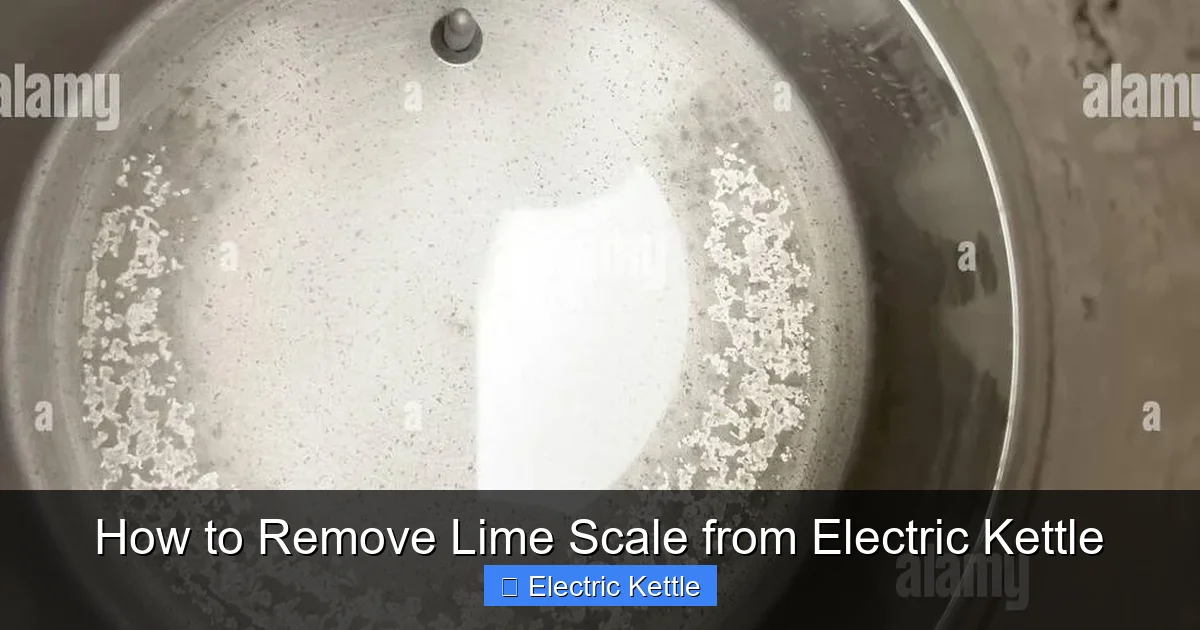
Visual guide about How to Remove Lime Scale from Electric Kettle
Image source: c8.alamy.com
Another sign is longer boiling times. If your kettle used to boil water in under two minutes but now takes three or four, lime scale could be to blame. The mineral buildup insulates the heating element, forcing it to work harder and use more electricity. You might also notice a strange taste or odor in your water, tea, or coffee. Even if you can’t see the scale, dissolved minerals can affect flavor.
Occasionally, you might hear unusual noises—like popping or cracking—during boiling. This happens when trapped steam builds up behind the scale and suddenly escapes. In extreme cases, the kettle may shut off prematurely due to overheating. If you notice any of these symptoms, it’s time to take action. Ignoring the problem won’t make it go away—it’ll only get worse.
How Often Should You Clean Your Kettle?
The frequency of cleaning depends on your water hardness and how often you use your kettle. If you live in a hard water area and use your kettle daily, aim to descale it every 2 to 4 weeks. For softer water or less frequent use, once every 1 to 2 months may be enough. A good rule of thumb: if you can see scale or notice changes in performance, clean it right away.
Some modern kettles come with built-in indicators that alert you when descaling is needed. These are helpful, but don’t rely on them alone. Visual checks and performance monitoring are still important. Regular maintenance not only keeps your kettle efficient but also ensures your drinks taste fresh and clean.
Natural and Safe Methods to Remove Lime Scale
When it comes to removing lime scale from your electric kettle, you don’t need harsh chemicals or expensive products. In fact, some of the most effective solutions are already in your kitchen. Natural acids like vinegar and lemon juice break down mineral deposits safely and efficiently, without damaging your kettle or leaving toxic residues.
White distilled vinegar is one of the most popular and reliable options. It’s cheap, widely available, and highly effective at dissolving calcium carbonate—the main component of lime scale. Lemon juice works similarly, thanks to its citric acid content. Both are food-safe, so you don’t have to worry about harmful fumes or chemicals lingering in your kettle.
Other natural options include citric acid powder (often sold as a descaling agent) and baking soda, though baking soda is better for scrubbing light residue rather than dissolving heavy scale. Avoid using bleach, ammonia, or abrasive cleaners—they can corrode metal parts, damage coatings, and leave dangerous residues. Stick to gentle, natural methods for the best results.
Why Avoid Commercial Descalers?
While commercial descaling products are available, they’re often unnecessary and can be costly. Many contain strong acids or chemicals that require extra rinsing and may not be safe for frequent use. Plus, they’re not always more effective than vinegar or lemon juice. Natural methods are just as powerful, cheaper, and better for the environment.
That said, if you prefer a ready-made solution, look for eco-friendly, non-toxic descalers specifically designed for kettles. Always read the label and follow instructions carefully. But for most people, household vinegar or lemon juice will do the job perfectly—without the extra cost or risk.
Step-by-Step Guide: Cleaning with Vinegar
Using vinegar to remove lime scale is simple, effective, and takes less than an hour. Here’s a step-by-step guide to get your kettle sparkling clean.
Start by unplugging the kettle and letting it cool completely. Safety first—never clean a hot or plugged-in appliance. Next, fill the kettle about halfway with equal parts white distilled vinegar and water. For example, if your kettle holds 1.7 liters, use about 400–500 ml of vinegar and the same amount of water. This ratio provides enough acidity to dissolve scale without being overly strong.
Let the solution sit in the kettle for at least 30 minutes. For heavy buildup, you can leave it overnight. The longer it sits, the more time the vinegar has to break down the minerals. After soaking, plug the kettle back in and bring the solution to a boil. Boiling helps accelerate the reaction and loosen stubborn deposits.
Once it boils, turn off the kettle and let it cool again. Pour out the vinegar solution—you’ll likely see chunks of scale floating in it. Use a soft sponge or cloth to gently wipe the inside, especially around the heating element. Avoid using metal scrubbers or abrasive pads, as they can scratch the surface.
Finally, rinse the kettle thoroughly with clean water—at least three times—to remove any vinegar taste or residue. Fill it with fresh water, boil it once more, and pour it out. This final rinse ensures your next cup of tea won’t taste like vinegar. Your kettle should now be clean, efficient, and ready to use.
Tips for Tough Lime Scale
If your kettle has thick, stubborn scale, you may need to repeat the process. Don’t worry—it’s normal for heavy buildup to require a second treatment. For extra effectiveness, add a tablespoon of citric acid to the vinegar solution. This boosts the cleaning power without adding harsh chemicals.
Another trick is to use a soft-bristled toothbrush to gently scrub hard-to-reach areas, like around the spout or under the lid. Be gentle—scrubbing too hard can damage the interior. And remember: patience is key. Letting the solution soak longer makes a big difference.
Using Lemon Juice as an Alternative
If you’re not a fan of vinegar’s smell or prefer a more natural citrus scent, lemon juice is an excellent alternative. It works just as well as vinegar, thanks to its high citric acid content. Plus, it leaves a fresh, clean aroma that many people prefer.
To use lemon juice, cut a fresh lemon in half and squeeze the juice directly into the kettle. Aim for about half a cup of juice, then fill the kettle halfway with water. You can also add the lemon halves to the water for extra cleaning power—the pulp and rind help scrub away residue as they soak.
Let the lemon solution sit for 30 minutes to an hour. For best results, bring it to a boil, then turn off the heat and let it cool. The heat helps break down the scale, while the citric acid dissolves the minerals. After boiling, pour out the liquid and wipe the interior with a soft cloth or sponge.
Rinse the kettle thoroughly with clean water, then fill it with fresh water and boil once more to remove any lemon taste. This final step ensures your drinks won’t have a citrusy aftertaste. Lemon juice is especially great for kettles with stainless steel interiors, as it’s gentle and non-corrosive.
Can You Use Lemon Juice and Vinegar Together?
While both are effective on their own, combining lemon juice and vinegar isn’t necessary and may not improve results. In fact, mixing acids can sometimes reduce effectiveness or create an unpleasant smell. Stick to one method at a time—either vinegar or lemon juice—for the best outcome.
If you’ve tried one and it didn’t work well, switch to the other. Some people find lemon juice works better for light scale, while vinegar tackles heavier buildup. Experiment to see which you prefer.
Preventing Lime Scale Buildup in the Future
Cleaning your kettle is important, but preventing lime scale in the first place is even better. The most effective way to reduce buildup is by using softer water. If you have hard water, consider switching to filtered or distilled water for your kettle. These options have fewer minerals, so they leave less residue behind.
You can install a water filter on your tap or use a pitcher filter like Brita. While these won’t remove all minerals, they significantly reduce calcium and magnesium levels. Distilled water is the purest option and virtually scale-free, though it’s more expensive and may not be practical for daily use.
Another tip: avoid overfilling your kettle. Only boil the amount of water you need. The less water you use, the fewer minerals are left behind after evaporation. Also, empty the kettle after each use instead of letting water sit overnight. Standing water increases the chance of scale forming.
Regular maintenance is key. Even with filtered water, some minerals may still accumulate over time. Make descaling a part of your monthly cleaning routine. Set a reminder on your phone or calendar to clean your kettle every few weeks. A little effort now saves you from dealing with heavy scale later.
Do Water Softeners Help?
Whole-house water softeners can reduce lime scale throughout your home, including in your kettle. They work by replacing calcium and magnesium ions with sodium or potassium ions, resulting in softer water. If you already have a softener, you may notice less scale in your kettle.
However, softened water isn’t always ideal for drinking due to its sodium content. If you use a softener, consider using filtered or distilled water in your kettle for the best of both worlds—scale prevention and great taste.
Maintaining Your Electric Kettle for Long-Term Use
A clean kettle isn’t just about removing scale—it’s about caring for your appliance so it lasts longer and performs better. Regular maintenance goes beyond descaling. Wipe the exterior with a damp cloth after each use to prevent dust and grease buildup. Avoid using abrasive cleaners on the outside, especially if your kettle has a stainless steel or coated finish.
Check the power cord and base regularly for signs of wear or damage. Don’t wrap the cord too tightly around the base, as this can cause fraying. Store your kettle in a dry, cool place when not in use, and avoid stacking heavy items on top of it.
If your kettle has a removable limescale filter (common in some models), clean it monthly. Rinse it under running water and use a soft brush to remove any trapped particles. A clogged filter can reduce water flow and affect performance.
Finally, follow the manufacturer’s care instructions. Some kettles have specific guidelines for cleaning, water type, and usage. Ignoring these can void your warranty or damage the unit. When in doubt, consult the user manual or contact customer support.
When to Replace Your Kettle
Even with proper care, electric kettles don’t last forever. Most have a lifespan of 3 to 5 years, depending on usage and maintenance. If your kettle frequently overheats, takes a long time to boil, or has persistent scale that won’t come off, it may be time for a replacement.
Look for signs of wear like rust, cracks, or a damaged heating element. If the exterior is peeling or the handle is loose, it’s safer to upgrade. Investing in a high-quality kettle with a removable filter and easy-clean design can save you time and hassle in the long run.
Conclusion
Removing lime scale from your electric kettle doesn’t have to be a chore. With simple, natural solutions like vinegar or lemon juice, you can keep your kettle clean, efficient, and safe to use. Regular descaling not only improves performance but also ensures your drinks taste great every time.
By understanding the causes of lime scale and taking preventive steps—like using filtered water and cleaning monthly—you can extend the life of your kettle and avoid costly repairs. Remember, a little maintenance goes a long way. So next time you notice that chalky buildup, don’t panic. Grab a bottle of vinegar, follow these steps, and enjoy a sparkling clean kettle in no time.
Frequently Asked Questions
Can I use apple cider vinegar to descale my kettle?
Yes, you can use apple cider vinegar, but white distilled vinegar is preferred. It’s clearer, less likely to stain, and has a stronger acidity, making it more effective at dissolving lime scale.
Is it safe to drink water after descaling with vinegar?
Yes, as long as you rinse the kettle thoroughly. Boil and discard at least two full kettles of clean water after descaling to remove any vinegar taste or residue.
How do I clean the outside of my electric kettle?
Wipe the exterior with a soft, damp cloth and mild dish soap. Avoid soaking the base or getting water near the electrical components. Dry with a clean towel.
Can lime scale damage my kettle?
Yes, over time, lime scale can insulate the heating element, causing overheating, longer boiling times, and potential damage. Regular cleaning prevents these issues.
What if my kettle has a plastic interior?
Plastic kettles can still develop scale, but avoid abrasive scrubbing. Use vinegar or lemon juice as directed, and rinse thoroughly to prevent taste transfer.
Can I use baking soda to remove lime scale?
Baking soda is better for scrubbing light residue, not dissolving heavy scale. For best results, use vinegar or lemon juice, which are more effective at breaking down mineral deposits.