Rust on the bottom of your electric kettle isn’t just unsightly—it can affect performance and safety. This guide walks you through safe, proven methods to remove rust using common household ingredients like vinegar, baking soda, and lemon juice, ensuring your kettle stays clean, efficient, and rust-free for years.
Key Takeaways
- Act quickly: The sooner you treat rust, the easier it is to remove and the less damage it causes.
- Use natural cleaners: Vinegar, baking soda, and lemon are effective, non-toxic options that won’t harm your kettle or health.
- Avoid abrasive tools: Steel wool or harsh scrubbers can scratch the heating element or exterior finish.
- Rinse thoroughly: Always rinse the kettle well after cleaning to remove residue and prevent taste transfer.
- Prevent future rust: Keep the kettle dry, store it properly, and descale regularly to avoid moisture buildup.
- Check manufacturer guidelines: Some kettles have special coatings—always verify cleaning methods to avoid voiding warranties.
- Test before reuse: Run a few cycles with clean water before brewing tea or coffee to ensure no cleaning agents remain.
📑 Table of Contents
Why Rust Forms on Electric Kettles
Rust on the bottom of your electric kettle might seem like a minor annoyance, but it’s actually a sign of a bigger issue: moisture and oxidation. Most electric kettles have heating elements made from stainless steel or other metal alloys. While these materials are designed to resist corrosion, they’re not completely immune—especially when exposed to water over long periods.
The bottom of the kettle is particularly vulnerable because it’s in constant contact with water during use and often remains damp after boiling. If you leave water sitting in the kettle, especially overnight or for days, mineral deposits and tiny scratches can create micro-environments where rust begins to form. Hard water, which contains high levels of iron and magnesium, accelerates this process. Even small amounts of residual moisture after washing can contribute to rust if the kettle isn’t dried properly.
Another common cause is improper storage. Storing your kettle in a humid environment—like under a sink or in a damp cabinet—can lead to condensation forming on the metal base. Over time, this creates the perfect conditions for rust to develop. Additionally, if your kettle has a plastic or rubber base that traps moisture underneath, it can act like a greenhouse, keeping the metal damp and promoting oxidation.
It’s also worth noting that some cheaper kettles may use lower-grade stainless steel or lack protective coatings, making them more prone to rust. Even high-end models aren’t immune if they’re not cared for properly. The good news? Rust is often superficial at first and can be removed with simple, non-toxic methods before it causes serious damage.
Understanding why rust forms is the first step in preventing it. Once you know the root causes—moisture, minerals, and poor drying habits—you can take proactive steps to keep your kettle in top condition. And if you’ve already spotted rust, don’t panic. With the right approach, you can restore your kettle to like-new condition without damaging its functionality.
Is Rust on Your Kettle Dangerous?
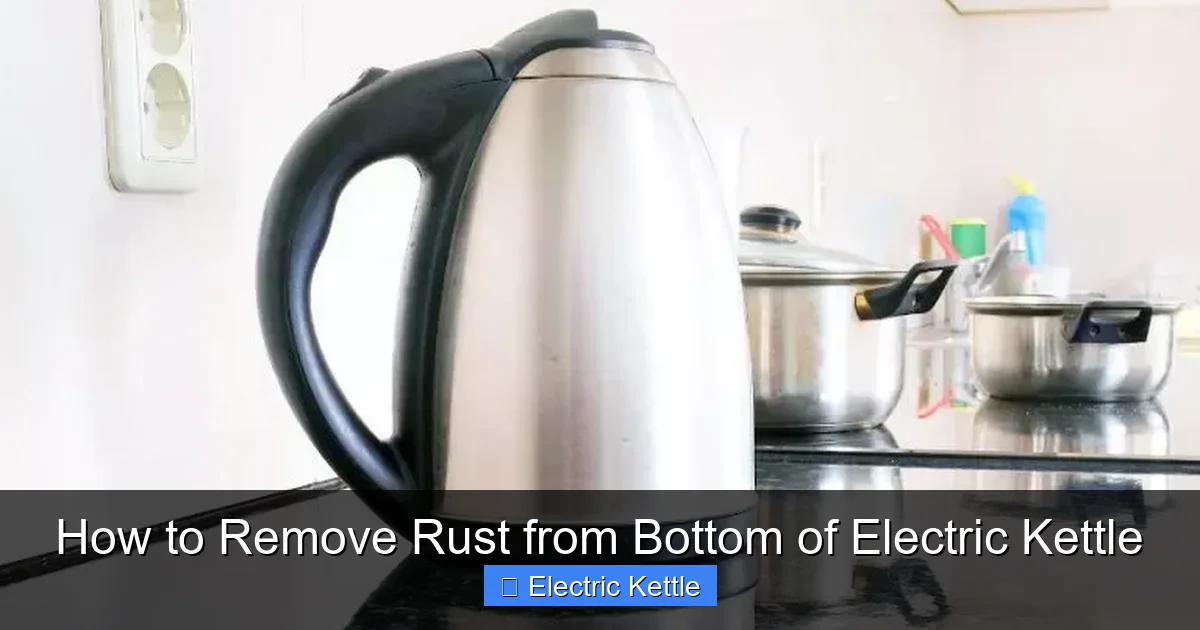
Visual guide about How to Remove Rust from Bottom of Electric Kettle
Image source: irrorwxhiqijjr5q.ldycdn.com
One of the first questions people ask when they see rust on their electric kettle is: “Is this safe?” The short answer is: it depends. Small amounts of surface rust are generally not harmful if the kettle is cleaned properly, but there are important health and safety considerations to keep in mind.
From a health standpoint, drinking water that has passed over a rusty heating element is unlikely to pose a serious risk in small quantities. Rust is primarily iron oxide, and your body actually needs iron to function. However, excessive iron intake can be problematic, especially for people with conditions like hemochromatosis, which causes iron overload. More importantly, rust can harbor bacteria and other contaminants if it’s allowed to build up, especially in crevices or under mineral deposits.
From a safety perspective, rust can compromise the integrity of the heating element over time. If the rust becomes severe, it can lead to electrical issues, such as short circuits or reduced heating efficiency. In extreme cases, a heavily corroded base could potentially cause the kettle to malfunction or even become a fire hazard. That’s why it’s crucial to address rust early—before it spreads or weakens the metal.
Another concern is taste. Rust can impart a metallic or bitter flavor to your water, which will carry over into your tea, coffee, or other hot beverages. Even if the rust isn’t dangerous, it can ruin the enjoyment of your drink. Plus, no one wants to see orange-brown streaks in their kettle every time they boil water.
The bottom line? While a little rust isn’t an emergency, it’s a warning sign that your kettle needs attention. Ignoring it can lead to bigger problems down the line—both in terms of performance and safety. The best approach is to clean it promptly and take steps to prevent it from returning.
Tools and Materials You’ll Need
Before you start cleaning, it’s important to gather the right tools and materials. The good news is that most of what you need is probably already in your kitchen. You don’t need expensive chemicals or specialty equipment—just a few common household items and some elbow grease.
Here’s a list of what you’ll need:
– **White vinegar** – This is your go-to cleaner for rust and mineral deposits. Its acidity breaks down rust effectively without being too harsh.
– **Baking soda** – Great for scrubbing and neutralizing odors. It’s gentle enough not to scratch most surfaces.
– **Lemon juice** – Another natural acid that works well on rust, especially when combined with salt or baking soda.
– **Soft cloth or sponge** – Avoid abrasive scrubbers like steel wool, which can scratch the kettle’s surface.
– **Toothbrush** – Perfect for reaching tight spots around the heating element or base.
– **Water** – For rinsing and diluting cleaning solutions.
– **Rubber gloves** – Optional, but recommended to protect your hands from acids and cleaning agents.
– **Microfiber towel** – For drying the kettle thoroughly after cleaning.
You might also want to have a small bowl or container for mixing cleaning solutions, and a soft-bristled brush if you don’t have a toothbrush handy. Avoid using bleach, ammonia, or commercial rust removers unless specifically recommended by the manufacturer—these can be too harsh and may damage the kettle or leave toxic residues.
It’s also a good idea to check your kettle’s user manual before starting. Some models have special coatings or finishes that require specific care. For example, kettles with non-stick interiors or anti-rust coatings may need gentler treatment. If you can’t find the manual, a quick online search with your model number should help.
Once you’ve gathered your supplies, make sure your kettle is unplugged and completely cool. Safety first! Never attempt to clean an electric kettle while it’s plugged in or still warm. Also, avoid submerging the base or electrical components in water—only the interior and exterior surfaces should be cleaned.
Step-by-Step Guide to Removing Rust
Now that you understand the causes and risks, let’s get into the practical part: how to actually remove rust from the bottom of your electric kettle. The process is simple, safe, and effective when done correctly. Below is a detailed, step-by-step guide using three of the most reliable methods: vinegar, baking soda paste, and lemon juice.
Method 1: Vinegar Soak (Best for Heavy Rust)
White vinegar is one of the most effective natural cleaners for rust and limescale. Its acetic acid content dissolves iron oxide and mineral deposits without damaging stainless steel.
Step 1: Fill the kettle with equal parts white vinegar and water. For example, if your kettle holds 1 liter, use 500ml vinegar and 500ml water. This dilution helps prevent the vinegar smell from lingering.
Step 2: Plug in the kettle and bring the solution to a boil. Let it boil for 1–2 minutes, then unplug and let it sit for 30 minutes to 1 hour. The heat helps activate the vinegar and loosen the rust.
Step 3: After soaking, pour out the vinegar solution. Use a soft sponge or cloth to gently scrub the rusted area. For stubborn spots, use an old toothbrush to get into crevices.
Step 4: Rinse the kettle thoroughly with clean water. Run it through 2–3 cycles of boiling fresh water to remove any vinegar taste or residue.
Step 5: Dry the kettle completely with a microfiber towel, especially the base. Leave it upside down on a drying rack for a few hours to ensure no moisture remains.
This method works best for moderate to heavy rust. If the rust is light, you might not need to boil the vinegar—just soaking for an hour may be enough.
Method 2: Baking Soda Paste (Gentle Scrubbing)
Baking soda is mildly abrasive and alkaline, making it ideal for scrubbing away surface rust without scratching the metal.
Step 1: Make a thick paste by mixing 3 parts baking soda with 1 part water. Stir until it forms a spreadable consistency.
Step 2: Apply the paste directly to the rusted area using a soft cloth or sponge. Let it sit for 15–20 minutes to allow the baking soda to break down the rust.
Step 3: Gently scrub the area in circular motions. Use a toothbrush for hard-to-reach spots around the heating coil or base edges.
Step 4: Wipe away the paste with a damp cloth, then rinse the kettle thoroughly.
Step 5: Boil fresh water 2–3 times to ensure no baking soda residue remains. Dry completely.
This method is great for light rust or maintenance cleaning. It’s also safe for kettles with sensitive finishes.
Method 3: Lemon Juice and Salt (Natural and Fresh-Smelling)
Lemon juice contains citric acid, which is excellent for dissolving rust. When combined with salt, it creates a gentle abrasive paste.
Step 1: Cut a lemon in half and sprinkle coarse salt (like sea salt) directly onto the rusted area.
Step 2: Rub the lemon half over the rust, squeezing slightly to release the juice. The acid and salt work together to lift the rust.
Step 3: Let the lemon juice sit for 10–15 minutes, then scrub with a soft sponge or toothbrush.
Step 4: Rinse thoroughly and dry the kettle completely.
This method leaves a fresh citrus scent and is perfect for light rust or spot cleaning. It’s also eco-friendly and safe for food-contact surfaces.
Tips for Tough or Stubborn Rust
If the rust persists after trying these methods, don’t give up. Sometimes a combination approach works best.
– Repeat the process: Rust can be stubborn, especially if it’s been there for a while. Try the vinegar soak again, leaving it overnight for severe cases.
– Use a vinegar and baking soda combo: After a vinegar soak, apply a baking soda paste and scrub. The fizzing reaction can help loosen embedded rust.
– Try a commercial rust remover (as a last resort): If natural methods fail, look for a food-safe rust remover designed for appliances. Always follow the instructions and rinse thoroughly.
Remember: patience is key. Rushing the process or using harsh tools can damage your kettle. Take your time, and you’ll get better results.
Preventing Rust from Coming Back
Cleaning rust is one thing—keeping it from returning is another. The best way to avoid future rust is to adopt good habits that minimize moisture and mineral buildup. Here are some practical tips to keep your kettle rust-free for years.
Always Dry the Kettle After Use
One of the simplest yet most effective prevention methods is drying your kettle thoroughly after each use. After boiling water, unplug the kettle and pour out any remaining water. Wipe the interior and exterior with a dry cloth, paying special attention to the base and heating element. Leave the lid open for a few minutes to allow steam and moisture to escape.
If you’re in a hurry, you can speed up drying by placing the kettle upside down on a dish rack or towel. This allows air to circulate underneath and prevents water from pooling.
Empty the Kettle When Not in Use
Never leave water sitting in your kettle for extended periods—especially overnight or over several days. Stagnant water promotes mineral buildup and creates the perfect environment for rust. Make it a habit to empty the kettle after each use, even if you plan to boil water again soon.
If you’re away from home for a few days, empty and dry the kettle completely before storing it. This is especially important in humid climates.
Use Filtered or Softened Water
Hard water is a major contributor to rust and limescale. If your tap water is high in iron, calcium, or magnesium, consider using filtered water in your kettle. A simple water filter pitcher or under-sink system can make a big difference.
Alternatively, you can install a water softener if hard water is a persistent issue in your home. Softened water reduces mineral deposits and extends the life of your kettle.
Descale Regularly
Even if you don’t see rust, mineral buildup can weaken the metal and create spots where rust can form. Descaling your kettle every 1–2 months (or more often if you use it daily) helps maintain its performance and appearance.
To descale, use the same vinegar soak method described earlier—boil a 50/50 vinegar-water solution, let it sit, then rinse thoroughly. This removes limescale and prevents future corrosion.
Store in a Dry, Ventilated Area
Where you keep your kettle matters. Avoid storing it in damp cabinets, under sinks, or near dishwashers. Instead, choose a dry, well-ventilated spot—like a countertop or open shelf. If you must store it in a cabinet, leave the door slightly ajar to allow airflow.
Also, avoid stacking heavy items on top of the kettle, as this can trap moisture and scratch the surface.
Inspect Regularly
Make it a habit to inspect your kettle weekly for signs of rust, discoloration, or mineral buildup. Catching problems early makes them much easier to fix. A quick wipe-down with a damp cloth can also help remove dust and prevent grime from accumulating.
When to Replace Your Kettle
Despite your best efforts, there may come a time when cleaning isn’t enough. If rust has penetrated deeply into the metal, caused pitting, or damaged the heating element, it may be safer and more cost-effective to replace the kettle.
Signs it’s time to replace your kettle include:
– Rust that returns quickly after cleaning
– Visible holes or thinning in the metal
– Electrical issues, such as flickering lights or inconsistent heating
– A persistent metallic taste in your water
– The kettle is more than 5–7 years old and showing multiple signs of wear
Modern electric kettles are designed to last, but they’re not indestructible. Investing in a high-quality model with a rust-resistant coating or stainless steel interior can save you money and hassle in the long run.
When shopping for a new kettle, look for features like:
– **Stainless steel interior and base**
– **Anti-rust or anti-corrosion coatings**
– **Automatic shut-off and boil-dry protection**
– **Easy-to-clean design with removable limescale filters**
Brands like Breville, Cuisinart, and Hamilton Beach offer reliable options with good warranties. Reading customer reviews can also help you avoid models prone to rust.
Final Thoughts
Rust on the bottom of your electric kettle is a common but manageable problem. With the right knowledge and tools, you can remove it safely and prevent it from coming back. The key is acting quickly, using gentle, natural cleaners, and adopting good maintenance habits.
Remember, your kettle is more than just a convenience—it’s a daily tool that affects the taste of your tea, coffee, and even your cooking water. Keeping it clean and rust-free ensures better performance, longer life, and peace of mind.
By following the steps in this guide, you’ll not only restore your kettle’s shine but also develop habits that protect it for years to come. So the next time you spot a rusty spot, don’t panic—grab some vinegar, roll up your sleeves, and give your kettle the care it deserves.
Frequently Asked Questions
Can I use steel wool to remove rust from my electric kettle?
No, avoid steel wool or any abrasive scrubbers. They can scratch the stainless steel surface and damage the heating element, making the kettle more prone to future rust and reducing its lifespan.
Is it safe to drink water from a kettle with rust?
Small amounts of surface rust are generally not harmful, but they can affect taste and may harbor bacteria. It’s best to clean the rust thoroughly and rinse the kettle well before use.
How often should I clean my electric kettle?
Clean your kettle every 1–2 months for maintenance, or more often if you use it daily or have hard water. Regular descaling prevents rust and keeps your water tasting fresh.
Can I use apple cider vinegar instead of white vinegar?
Yes, but white vinegar is preferred because it’s clearer and less likely to leave stains or odors. Apple cider vinegar works but may require extra rinsing.
Will boiling water remove rust?
Boiling water alone won’t remove rust, but it can help when combined with acidic cleaners like vinegar or lemon juice. The heat activates the cleaning agents and loosens rust deposits.
Can rust cause my kettle to stop working?
In severe cases, yes. Heavy rust can damage the heating element or cause electrical issues. That’s why it’s important to address rust early and maintain your kettle properly.