Discover safe and proven methods to remove rust from inside electric kettle without damaging its heating elements or finish. Using common household ingredients like white vinegar, baking soda, and citric acid, you can restore your kettle to like-new condition in under an hour.
Key Takeaways
- White vinegar is the most effective natural rust remover: Its acetic acid dissolves rust without harsh chemicals, making it ideal for electric kettles.
- Never use steel wool or abrasive scrubbers: These can scratch the interior and damage the heating coil or non-stick coating.
- Always rinse thoroughly after cleaning: Residual cleaning agents can affect taste and safety if not completely washed out.
- Prevent future rust with regular maintenance: Wipe dry after each use and avoid leaving water sitting overnight.
- Citric acid works well for light rust: A natural alternative to vinegar, especially effective on stainless steel interiors.
- Test a small area first: Especially if your kettle has a special coating or finish, ensure the cleaning method won’t cause damage.
- Replace if rust is severe or structural: Deep pitting or flaking metal may compromise safety and require a new kettle.
📑 Table of Contents
Why Rust Forms in Electric Kettles
Rust inside an electric kettle might seem surprising at first—after all, most modern kettles are made from stainless steel, which is supposed to resist corrosion. But even the best materials can fall victim to rust under the right (or wrong) conditions. Understanding why rust forms is the first step toward preventing it and knowing how to remove rust from inside electric kettle effectively.
Rust, scientifically known as iron oxide, occurs when iron or steel reacts with oxygen and moisture. While many electric kittles are made from stainless steel, not all stainless steel is created equal. Lower-grade stainless steel or kettles with thin coatings may still contain enough iron to rust over time—especially if they’re exposed to hard water, high humidity, or left with standing water.
Common Causes of Rust in Electric Kettles
Several factors contribute to rust formation inside your electric kettle:
- Hard Water: Water with high mineral content—especially calcium and magnesium—can leave behind deposits that trap moisture and accelerate rusting. Over time, these mineral scales create micro-environments where rust can thrive.
- Leaving Water Standing: If you frequently leave water in your kettle after use, especially overnight, you’re creating a perfect breeding ground for rust. The constant presence of moisture, combined with air, encourages oxidation.
- Poor-Quality Materials: Some budget kettles use thin or low-grade stainless steel that lacks sufficient chromium—the element that gives stainless steel its rust-resistant properties. Over time, these kettles are more prone to corrosion.
- Scratches and Damage: Even minor scratches on the interior surface can expose the underlying metal to moisture and oxygen. Once the protective layer is compromised, rust can begin to form.
- High Humidity Environments: If your kitchen is particularly humid—near a dishwasher, sink, or in a coastal area—moisture in the air can settle inside the kettle when it’s not in use, promoting rust.
It’s also worth noting that rust isn’t always visible at first. It may start as a faint orange discoloration or tiny spots near the heating element or base. If you notice a metallic taste in your water or see reddish-brown stains, it’s time to take action.
Is Rust in Your Kettle Dangerous?
Many people worry whether drinking water from a rusty kettle is harmful. The short answer is: small amounts of rust are generally not toxic. Iron is an essential mineral, and trace amounts won’t harm you. However, large quantities of rust can affect the taste and odor of your water, making tea or coffee taste metallic or stale.
More importantly, severe rust can compromise the structural integrity of your kettle. If the metal begins to flake or pit, it could lead to leaks, electrical issues, or even damage to the heating element. In such cases, it’s safer to replace the kettle rather than risk malfunction.
That said, regular cleaning and maintenance can prevent rust from reaching dangerous levels. And if you catch it early, removing rust from inside electric kettle is both simple and effective.
Tools and Materials You’ll Need
Before you begin cleaning, it’s important to gather the right tools and materials. The good news is that most of what you need is likely already in your kitchen. Avoid using harsh chemicals or abrasive tools that could damage your kettle’s interior or heating element.
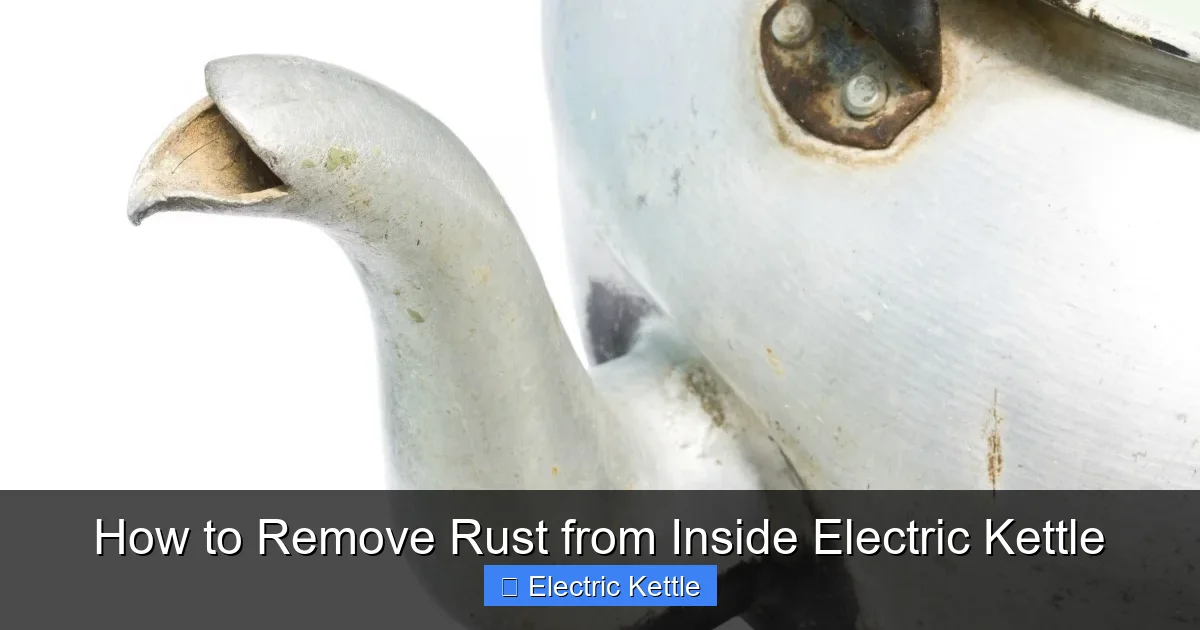
Visual guide about How to Remove Rust from Inside Electric Kettle
Image source: img.thrfun.com
Essential Cleaning Supplies
- White Distilled Vinegar: This is the star player in rust removal. Its acetic acid content breaks down rust without damaging stainless steel. Avoid apple cider or colored vinegars, as they can stain.
- Baking Soda: Acts as a mild abrasive and neutralizer. It’s great for scrubbing away loosened rust and balancing acidity after vinegar use.
- Citric Acid: A natural alternative to vinegar, especially effective on light rust and limescale. Often used in eco-friendly cleaning products.
- Soft Cloth or Sponge: Microfiber cloths or non-abrasive sponges are ideal. Avoid steel wool, scouring pads, or anything that could scratch the surface.
- Toothbrush: A soft-bristled toothbrush helps reach tight spots around the heating element or spout.
- Measuring Cup: To accurately mix cleaning solutions.
- Water: For rinsing and diluting solutions.
Optional but Helpful Items
- Lemon Juice: Contains citric acid and works similarly to vinegar. Great for light rust and adding a fresh scent.
- Dish Soap: Helps break down grease and mineral buildup. Use a mild, non-abrasive variety.
- Gloves: Protect your hands from acidic solutions, especially if you have sensitive skin.
- Flashlight: Helps you inspect hard-to-see areas inside the kettle for remaining rust.
Always ensure your kettle is unplugged and completely cool before starting. Safety first—never attempt to clean a hot or plugged-in appliance.
Step-by-Step Guide to Remove Rust from Inside Electric Kettle
Now that you understand the causes and have your supplies ready, it’s time to tackle the rust. The following methods are safe, effective, and use common household ingredients. Choose the one that best suits your situation—whether you’re dealing with light surface rust or more stubborn buildup.
Method 1: Vinegar Soak (Best for Moderate Rust)
This is the most popular and effective method for removing rust from inside electric kettle. Vinegar’s acidity dissolves rust without harming stainless steel, and it’s gentle enough for regular use.
Step 1: Mix the Solution
Fill your kettle halfway with equal parts white distilled vinegar and water. For example, use 1 cup of vinegar and 1 cup of water. This dilution is strong enough to remove rust but won’t be overly harsh on the kettle’s interior.
Step 2: Boil the Mixture
Plug in your kettle and bring the vinegar solution to a boil. Let it boil for 1–2 minutes, then turn off the kettle and unplug it. The heat helps accelerate the chemical reaction between the vinegar and rust.
Step 3: Let It Soak
Allow the solution to sit in the kettle for at least 30 minutes—up to 2 hours for heavy rust. During this time, the acetic acid will break down the rust, turning it into a soluble compound that can be easily wiped away.
Step 4: Scrub Gently
After soaking, use a soft sponge or cloth to wipe the interior. For stubborn spots, use a soft toothbrush to gently scrub around the heating element and base. Avoid pressing too hard—rust should come off easily after soaking.
Step 5: Rinse Thoroughly
Empty the kettle and rinse it several times with clean water. Fill it with fresh water, boil it once, and discard the water to remove any lingering vinegar taste.
Pro Tip: If your kettle has a strong vinegar smell after cleaning, add a few slices of lemon to a fresh batch of water and boil it. This will neutralize odors and leave a fresh scent.
Method 2: Baking Soda Paste (For Light Rust and Scrubbing)
Baking soda is a mild abrasive that works well for light rust or as a follow-up to vinegar cleaning. It’s especially useful for scrubbing areas that are hard to reach.
Step 1: Make a Paste
Mix 2–3 tablespoons of baking soda with a small amount of water to form a thick paste. The consistency should be similar to toothpaste.
Step 2: Apply the Paste
Using a soft cloth or sponge, apply the paste directly to the rusted areas. Focus on spots near the heating coil, spout, or base where rust tends to accumulate.
Step 3: Let It Sit
Allow the paste to sit for 10–15 minutes. This gives it time to loosen the rust without drying out.
Step 4: Scrub Gently
Use a soft toothbrush or cloth to scrub the area in circular motions. The mild abrasion will help lift the rust without scratching the surface.
Step 5: Rinse and Repeat
Rinse the kettle thoroughly with water. If rust remains, repeat the process or follow up with a vinegar soak for deeper cleaning.
Pro Tip: For extra effectiveness, mix baking soda with a few drops of lemon juice to create a fizzing reaction that helps break down rust.
Method 3: Citric Acid Solution (Eco-Friendly and Effective)
Citric acid is a natural cleaner that’s excellent for removing rust and limescale. It’s a great alternative if you prefer to avoid vinegar’s strong smell.
Step 1: Dissolve Citric Acid
Add 1–2 tablespoons of citric acid powder to 2 cups of warm water. Stir until fully dissolved. You can find citric acid in the canning section of grocery stores or online.
Step 2: Pour into Kettle
Fill the kettle with the citric acid solution, ensuring the rusted areas are fully submerged.
Step 3: Boil and Soak
Boil the solution for 1–2 minutes, then unplug and let it soak for 30–60 minutes. The citric acid will dissolve rust and mineral deposits.
Step 4: Scrub and Rinse
Use a soft sponge or toothbrush to gently scrub any remaining rust. Rinse the kettle thoroughly with clean water, then boil a fresh batch of water to remove any residue.
Pro Tip: Citric acid is also great for descaling. Use it monthly to prevent both rust and limescale buildup.
Method 4: Lemon and Salt Scrub (Natural and Fragrant)
This method combines the acidity of lemon with the mild abrasiveness of salt. It’s ideal for light rust and leaves your kettle smelling fresh.
Step 1: Cut a Lemon
Slice a fresh lemon in half. Sprinkle coarse salt (like kosher salt) onto the cut side.
Step 2: Scrub the Interior
Use the lemon half to scrub the rusted areas. The citric acid in the lemon reacts with the rust, while the salt provides gentle abrasion.
Step 3: Let It Sit
Allow the lemon juice and salt to sit for 10–15 minutes, then rinse thoroughly.
Step 4: Boil Water
Fill the kettle with clean water and boil it once to remove any leftover lemon taste.
Pro Tip: This method works best for small rust spots. For heavier rust, follow up with a vinegar soak.
Preventing Rust from Returning
Once you’ve successfully removed rust from inside electric kettle, the last thing you want is for it to come back. Fortunately, a few simple habits can keep your kettle rust-free for years.
Daily Maintenance Tips
- Empty and Dry After Use: Always pour out any remaining water and wipe the interior with a dry cloth. This prevents moisture from sitting and causing rust.
- <Leave the Lid Open: Allowing air to circulate helps evaporate any residual moisture, especially in humid environments.
- Use Filtered Water: If you have hard water, consider using a water filter. This reduces mineral buildup that can trap moisture and promote rust.
- Clean Monthly: Even if you don’t see rust, a monthly vinegar or citric acid soak will prevent limescale and early-stage corrosion.
Long-Term Care
- Inspect Regularly: Check the interior of your kettle every few weeks for signs of rust, scratches, or discoloration.
- Avoid Harsh Cleaners: Stick to natural cleaners like vinegar, baking soda, or citric acid. Avoid bleach or commercial descalers with harsh chemicals.
- Store Properly: Keep your kettle in a dry, well-ventilated area. Avoid storing it near sinks or dishwashers where humidity is high.
By incorporating these habits into your routine, you’ll extend the life of your kettle and enjoy cleaner, better-tasting water every time.
When to Replace Your Electric Kettle
While most rust can be removed with the methods above, there are times when replacement is the safest option. Continuing to use a severely rusted kettle can pose health and safety risks.
Signs It’s Time to Replace
- Deep Pitting or Flaking Metal: If the interior surface is pitted, rough, or flakes when touched, the metal is compromised.
- Rust Around the Heating Element: This can interfere with heating efficiency and may cause electrical issues.
- Persistent Metallic Taste: If your water still tastes metallic after thorough cleaning, rust may be leaching into the water.
- Leaks or Cracks: Rust can weaken the structure, leading to leaks that could cause electrical hazards.
- Old Age: Most electric kettles last 3–5 years with proper care. If yours is older and showing signs of wear, it’s time for an upgrade.
Investing in a high-quality stainless steel kettle with a rust-resistant coating can save you time and hassle in the long run. Look for models with a 18/10 stainless steel interior and a sealed heating element for added durability.
Conclusion
Removing rust from inside electric kettle doesn’t have to be a daunting task. With the right approach—using vinegar, baking soda, citric acid, or lemon—you can restore your kettle to peak condition in under an hour. The key is to act quickly at the first sign of rust and maintain good habits to prevent it from returning.
Remember, your kettle is more than just a convenience—it’s part of your daily routine. Whether you’re brewing morning coffee, steeping tea, or preparing instant noodles, you deserve clean, great-tasting water. By following the steps in this guide, you’ll not only remove rust but also extend the life of your appliance and enjoy peace of mind knowing your water is safe and fresh.
So the next time you spot a rusty spot, don’t panic. Grab your vinegar, roll up your sleeves, and give your kettle the care it deserves. Your taste buds—and your kettle—will thank you.
Frequently Asked Questions
Can I use apple cider vinegar to remove rust?
It’s not recommended. Apple cider vinegar contains pigments and acids that can stain the interior of your kettle. Stick to white distilled vinegar for the best results.
Is it safe to drink water from a rusty kettle?
Small amounts of rust are generally not harmful, but they can affect taste and indicate potential structural damage. Clean the kettle promptly and avoid drinking visibly rusty water.
How often should I clean my electric kettle?
For prevention, clean your kettle with vinegar or citric acid once a month. If you notice rust or limescale, clean it immediately.
Can I use steel wool to scrub rust off?
No. Steel wool or abrasive pads can scratch the interior, damage the heating element, and create more surfaces for rust to form. Use only soft cloths or sponges.
Will boiling vinegar damage my kettle?
No, boiling diluted vinegar is safe for most stainless steel kettles. Just ensure you rinse thoroughly afterward to remove any lingering taste.
What if rust keeps coming back?
Recurring rust may indicate poor water quality, low-grade materials, or excessive moisture. Consider using filtered water, drying the kettle after each use, or upgrading to a higher-quality model.