Removing scale from your electric kettle is essential for performance, taste, and longevity. With simple household ingredients like vinegar and lemon, you can dissolve stubborn limescale buildup in minutes—no harsh chemicals needed.
Key Takeaways
- Scale buildup affects taste and efficiency: Mineral deposits from hard water can alter the flavor of your tea or coffee and reduce heating speed.
- Vinegar is a powerful natural cleaner: Its acetic acid breaks down calcium carbonate, the main component of limescale, safely and effectively.
- Lemon juice offers a fresh alternative: The citric acid in lemons also dissolves scale while leaving a pleasant scent behind.
- Regular cleaning prevents major buildup: Descale your kettle every 2–4 weeks if you use it daily, especially in hard water areas.
- Never use abrasive scrubbers on the interior: They can scratch surfaces and damage heating elements or non-stick coatings.
- Always rinse thoroughly after descaling: Residual cleaning solution can affect taste and safety if not fully removed.
- Prevention is better than cure: Use filtered water when possible to minimize future scale formation.
📑 Table of Contents
- Why Scale Buildup Happens in Electric Kettles
- Signs Your Electric Kettle Needs Descaling
- Natural Methods to Remove Scale from Electric Kettle
- Commercial Descaling Products: When to Use Them
- Step-by-Step Guide to Descaling Your Electric Kettle
- Preventing Scale Buildup in the Future
- Common Mistakes to Avoid When Descaling
- Conclusion
Why Scale Buildup Happens in Electric Kettles
If you’ve ever noticed a white, chalky residue inside your electric kettle—especially around the heating element or on the walls—you’re dealing with limescale. This isn’t just an eyesore; it’s a sign that minerals from your water are accumulating over time. Limescale forms when hard water (water high in calcium and magnesium) is heated repeatedly. As the water evaporates during boiling, these minerals are left behind, gradually building up into a crusty layer.
This process is completely normal, especially if you live in an area with hard water. In fact, according to the U.S. Geological Survey, over 85% of American homes have hard water to some degree. While the minerals themselves aren’t harmful to drink, the scale they create can cause real problems. It insulates the heating element, forcing your kettle to work harder and use more energy to boil water. Over time, this reduces efficiency, increases electricity costs, and can even shorten the lifespan of your appliance.
Beyond performance issues, scale can also affect the taste of your beverages. That faint metallic or chalky flavor in your morning tea? It might not be the tea itself—it could be leaching minerals from the scale. And if left unchecked, thick buildup can flake off into your water, creating an unpleasant texture or appearance. The good news? Removing scale from an electric kettle is simple, safe, and doesn’t require expensive tools or chemicals. With a few common kitchen ingredients and a little patience, you can restore your kettle to like-new condition.
Signs Your Electric Kettle Needs Descaling
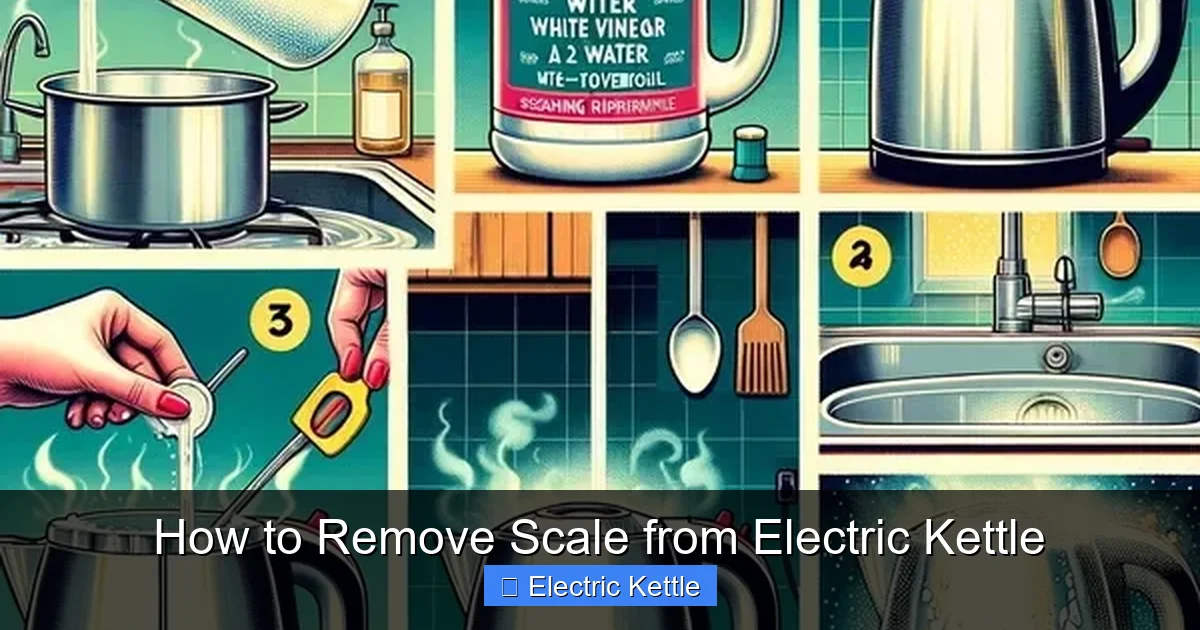
Visual guide about How to Remove Scale from Electric Kettle
Image source: irrorwxhiqijjr5q.ldycdn.com
Knowing when to descale your electric kettle is half the battle. Many people wait until the problem becomes severe, but early intervention saves time and effort. Here are the most common signs that it’s time to tackle that scale:
One of the first clues is longer boiling times. If your kettle used to boil water in under three minutes but now takes five or more, scale buildup is likely insulating the heating coil. This forces the element to run hotter and longer to achieve the same result, which not only wastes energy but also stresses the internal components.
Another telltale sign is visible white or gray deposits inside the kettle. These may appear as flakes, crusts, or a cloudy film on the walls, spout, or base. You might also notice discoloration—yellowish or brownish stains—especially around the heating element. While some discoloration is normal with use, excessive buildup indicates a need for cleaning.
Unusual noises during operation can also signal scale problems. A rattling, popping, or sizzling sound that wasn’t there before may mean mineral deposits are interfering with heat transfer. Similarly, if your kettle shuts off prematurely or fails to boil water completely, scale could be triggering the thermostat incorrectly.
Finally, pay attention to taste. If your coffee, tea, or hot chocolate suddenly tastes off—flat, metallic, or chalky—it’s worth checking for scale. Even small amounts can leach into your water and affect flavor. If you’ve ruled out other causes like old tea bags or stale coffee, the kettle itself may be the culprit.
Natural Methods to Remove Scale from Electric Kettle
When it comes to descaling your electric kettle, you don’t need harsh chemicals or specialty products. Some of the most effective solutions are already in your kitchen. Natural acids like vinegar and lemon juice are excellent at breaking down limescale without damaging your appliance or leaving toxic residues.
Vinegar Solution: The Classic Descaling Method
White distilled vinegar is one of the most popular and effective tools for removing scale. Its acetic acid content (typically 5–8%) reacts with calcium carbonate—the main mineral in limescale—dissolving it into water-soluble compounds that can be easily rinsed away.
To use vinegar, start by filling your kettle halfway with equal parts white vinegar and water. For example, if your kettle holds 1 liter, use 500 ml of vinegar and 500 ml of water. Turn on the kettle and bring the solution to a boil. Once it reaches boiling point, turn off the kettle and let the mixture sit for at least 30 minutes—or up to an hour for heavy buildup. The longer it sits, the more time the acid has to work on the scale.
After soaking, pour out the vinegar solution and scrub gently with a soft sponge or brush if needed. Avoid using steel wool or abrasive pads, as they can scratch the interior surface. Rinse the kettle thoroughly with clean water at least three times to remove all traces of vinegar. To eliminate any lingering smell, fill the kettle with fresh water, boil it once, and discard the water. Repeat this step if necessary.
One tip: if your kettle has a strong vinegar odor after rinsing, add a few slices of lemon or a tablespoon of baking soda to a fresh batch of water, boil it, and discard. This neutralizes the smell and ensures your next cup of tea tastes fresh.
Lemon Juice: A Fresh-Smelling Alternative
If the smell of vinegar bothers you, lemon juice is a fantastic alternative. Like vinegar, lemon contains natural acids—primarily citric acid—that break down limescale effectively. Plus, it leaves behind a light, citrusy aroma that many people find more pleasant.
To use lemon juice, cut a fresh lemon in half and squeeze the juice directly into the kettle. Add enough water to fill the kettle about halfway. For extra cleaning power, you can also drop in the lemon halves themselves—the pulp and rind contain additional citric acid and act as gentle scrubbers.
Bring the lemon-water mixture to a boil, then turn off the kettle and let it sit for 30–60 minutes. The acid will dissolve the scale, and the lemon pieces can help loosen stubborn deposits. After soaking, pour out the liquid and rinse the kettle thoroughly. If there’s still some residue, use a soft cloth or sponge to wipe it away.
For kettles with mild buildup, simply boiling a few slices of lemon in water once a week can help prevent scale from forming in the first place. This is a great maintenance tip for daily users.
Baking Soda Paste for Stubborn Spots
While vinegar and lemon are best for overall descaling, baking soda can be useful for tackling localized, tough spots—especially around the spout or base where scale tends to accumulate. Baking soda (sodium bicarbonate) is mildly abrasive and alkaline, making it effective for scrubbing without scratching.
To make a paste, mix 2–3 tablespoons of baking soda with a small amount of water until it forms a thick, spreadable consistency. Apply the paste directly to the affected areas using a soft cloth or sponge. Gently scrub in circular motions, focusing on crusty buildup. Let it sit for 10–15 minutes, then rinse thoroughly.
Note: Baking soda alone won’t dissolve large amounts of scale like acid-based methods, but it’s excellent for touch-ups and maintenance. It’s also safe to use on stainless steel, glass, and plastic interiors.
Commercial Descaling Products: When to Use Them
While natural methods work well for most people, there are times when a commercial descaling solution might be worth considering. These products are specifically formulated to remove limescale quickly and are often used in coffee machines, steam irons, and high-end kettles.
Pros and Cons of Commercial Descalers
Commercial descalers typically contain stronger acids or chelating agents that break down scale faster than vinegar or lemon. Brands like Durgol, Urnex, and De’Longhi offer kettle-safe formulas that are easy to use—just mix with water, run a cycle, and rinse. They’re especially useful for kettles with heavy, long-term buildup or for users who prefer a “set it and forget it” approach.
However, these products come with some downsides. They can be expensive, especially if you descale frequently. Many contain synthetic chemicals that require careful handling and thorough rinsing to avoid ingestion. Some users also report a chemical aftertaste if the kettle isn’t rinsed properly.
Additionally, not all commercial descalers are compatible with every kettle material. Always check the manufacturer’s instructions before use. For example, some acidic cleaners may damage aluminum or certain non-stick coatings.
How to Use a Commercial Descaler Safely
If you choose to use a commercial product, follow the instructions on the label carefully. Most recommend diluting the solution with water (usually 1:1), filling the kettle, boiling the mixture, letting it sit for 15–30 minutes, then rinsing multiple times.
After descaling, run two or three cycles with fresh water to ensure all residue is gone. Never mix commercial descalers with vinegar, lemon, or other acids—this can create harmful fumes or reduce effectiveness.
For most households, natural methods are sufficient and safer. But if you have a high-end kettle or live in an extremely hard water area, a commercial descaler used occasionally can be a helpful tool.
Step-by-Step Guide to Descaling Your Electric Kettle
Descaling your electric kettle doesn’t have to be complicated. With a clear process, you can get it done in under an hour—even with minimal effort. Here’s a simple, step-by-step guide using the vinegar method, which works for most kettles.
Step 1: Prepare the Cleaning Solution
Start by unplugging your kettle and letting it cool completely if it’s been recently used. Safety first! Then, mix equal parts white distilled vinegar and water. For a standard 1-liter kettle, use 500 ml of each. Pour the mixture into the kettle, making sure it covers the areas with visible scale—especially the heating element and walls.
Step 2: Boil and Soak
Plug in the kettle and turn it on. Bring the vinegar solution to a full boil. Once it reaches boiling point, turn off the kettle and unplug it again. Let the solution sit for at least 30 minutes. For heavy buildup, you can leave it for up to an hour. The acid will gradually dissolve the scale, turning it into a cloudy liquid.
Step 3: Scrub and Rinse
After soaking, pour out the vinegar mixture. Use a soft sponge or brush to gently scrub any remaining residue. Avoid abrasive tools—they can scratch the surface. Rinse the kettle thoroughly with clean water at least three times. Fill it with fresh water, boil it once, and discard the water to remove any lingering vinegar taste or smell.
Step 4: Dry and Test
Wipe the exterior with a dry cloth and let the interior air-dry completely before using again. Once dry, fill the kettle with fresh water and boil it one more time to ensure it’s clean and ready for use.
Tips for Different Kettle Types
– **Stainless steel kettles:** Safe for vinegar and lemon methods. Avoid steel wool.
– **Glass kettles:** Gentle on acids, but avoid sudden temperature changes to prevent cracking.
– **Plastic kettles:** Use vinegar sparingly and rinse thoroughly to avoid odor absorption.
– **Kettles with filters:** Remove and clean the filter separately according to the manufacturer’s instructions.
Preventing Scale Buildup in the Future
Once your kettle is clean, the last thing you want is for scale to return quickly. Fortunately, a few simple habits can significantly reduce future buildup and keep your kettle running smoothly.
Use Filtered or Softened Water
The most effective way to prevent scale is to use water with lower mineral content. If your tap water is hard, consider using a water filter pitcher or installing a whole-house water softener. Even switching to filtered water for your kettle can make a big difference. Bottled water is another option, though it’s less eco-friendly and more expensive over time.
Descale Regularly
Make descaling part of your routine. If you use your kettle daily, aim to descale it every 2–4 weeks. In areas with very hard water, you may need to do it weekly. Setting a monthly reminder on your phone can help you stay consistent.
Empty the Kettle After Use
Don’t let water sit in the kettle for long periods, especially overnight. Residual water evaporates and leaves behind minerals. After each use, pour out any unused water and leave the lid open to air-dry. This simple habit reduces the chance of scale forming between uses.
Wipe Down the Interior Weekly
Once a week, give the inside of your kettle a quick wipe with a damp cloth. This removes light mineral deposits before they harden into scale. For glass kettles, a microfiber cloth works best to avoid streaks.
Consider a Kettle with a Built-in Filter
Some modern electric kettles come with mesh filters in the spout that trap minerals before they enter the water. While they don’t prevent scale entirely, they can reduce the amount that builds up inside. Just remember to clean the filter regularly.
Common Mistakes to Avoid When Descaling
Even with the best intentions, it’s easy to make mistakes that can damage your kettle or reduce cleaning effectiveness. Here are some common pitfalls to watch out for:
Using Too Much Vinegar or Not Diluting It
While vinegar is safe, using undiluted vinegar or too much of it can leave a strong odor and may degrade rubber seals or plastic components over time. Always dilute it 1:1 with water unless the manufacturer recommends otherwise.
Scrubbing Too Hard
Aggressive scrubbing with steel wool, scouring pads, or brushes can scratch the interior surface. These scratches create tiny grooves where scale can accumulate more easily in the future. Stick to soft sponges or cloths.
Not Rinsing Thoroughly
Residual vinegar or lemon juice can affect the taste of your water and may be harmful if ingested in large amounts. Always rinse at least three times and run a boil cycle with fresh water before using the kettle for drinking.
Descaling a Hot Kettle
Never add vinegar or lemon to a hot kettle. The sudden temperature change can cause cracking, especially in glass models. Always let the kettle cool completely before cleaning.
Ignoring the Manufacturer’s Instructions
Some kettles have specific descaling recommendations. For example, certain brands advise against using vinegar or recommend specific products. Check your user manual before starting.
Conclusion
Keeping your electric kettle free of scale isn’t just about aesthetics—it’s about performance, safety, and taste. Scale buildup slows down boiling, increases energy use, and can alter the flavor of your favorite hot beverages. Fortunately, removing scale is simple, affordable, and can be done with items you likely already have at home.
Whether you choose vinegar, lemon juice, or a commercial descaler, the key is consistency. Regular maintenance prevents major buildup and extends the life of your kettle. And by using filtered water and emptying the kettle after each use, you can significantly reduce the frequency of descaling.
Remember, a clean kettle is a happy kettle—and a happy kettle makes better tea, coffee, and hot water for all your needs. So don’t wait until the scale becomes a problem. Take a few minutes today to give your kettle the care it deserves. Your taste buds—and your electricity bill—will thank you.
Frequently Asked Questions
Can I use apple cider vinegar instead of white vinegar?
Yes, but white distilled vinegar is preferred because it’s clearer and less likely to leave stains or odors. Apple cider vinegar contains additional compounds that may discolor your kettle over time.
How often should I descale my electric kettle?
It depends on your water hardness and usage. For daily users in hard water areas, descale every 2–4 weeks. In softer water regions, every 6–8 weeks may be sufficient.
Is it safe to drink water after descaling with vinegar?
Yes, as long as you rinse the kettle thoroughly. Residual vinegar is harmless in small amounts, but proper rinsing ensures no taste or odor remains.
Can I descale a kettle with a non-stick coating?
Yes, but avoid abrasive scrubbers and harsh chemicals. Use vinegar or lemon diluted with water, and rinse well to protect the coating.
Will descaling remove rust from my kettle?
Descaling targets mineral scale, not rust. If your kettle has rust, it may indicate a deeper issue like corrosion. Check the manufacturer’s warranty and consider replacement if severe.
Can I use citric acid powder instead of lemon juice?
Absolutely. Citric acid powder is highly effective and often used in commercial descalers. Mix 1–2 tablespoons with water, boil, soak, and rinse as you would with lemon juice.